
Best Cameras for Car Photography for 2026: Every Type Explained Side by Side
Disclosure: We may earn a commission when you buy through links on this page, at no extra cost to you. As an Amazon Associate I earn from qualifying purchases. Learn more

Compare the best cameras for car photography by type, covering mirrorless, action and vlogging cameras, lenses, low light results and budgets for car shoots.
Choosing among the many camera types for car photography feels confusing because each type promises great results in a different situation. The truth is that best cameras for car photography span several designs, from pocketable action cameras to larger mirrorless bodies, and the right one depends on whether you shoot parked cars, moving cars, or video walkarounds. The comparison table below lays out the main types side by side so you can narrow the field before comparing details.
This guide explains each type in plain terms, compares the two most commonly confused options, and walks through the features that matter for car subjects in particular. Prices are approximate and meant for comparing tiers, not as exact store prices. Never adjust a camera while driving, and ask a qualified installer for help if any wiring or mounting step is unclear.
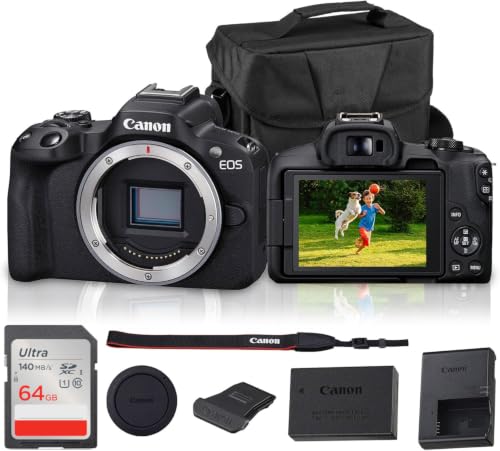


Types of Cameras for Car Photography Compared
Car photography rewards different strengths depending on the shoot. A parked car at a show needs detail and color accuracy, a moving car needs fast focus and a quick shutter, and a video tour needs steady footage and clear sound. The table below summarizes the tradeoffs, and the sections that follow explain each type in more depth.
| Type | Best For | Pros | Cons | Typical Price |
|---|---|---|---|---|
| Vlogging cameras | Video tours and narration | Flip screen, easy audio | Smaller sensor, limited zoom | around $200 |
| Mirrorless cameras | Detailed stills and low light | Large sensor, lens choice | Larger body, higher cost | around $800 |
| Action cameras | Moving cars and mounting | Small, tough, wide view | Short battery life, small sensor | around $300 |
Vlogging Cameras
Vlogging cameras suit video walkarounds, owner interviews, and show coverage where you talk to the camera while moving around a car. A flip screen lets you check framing while filming yourself, and a microphone input keeps engine notes and narration clear. The tradeoff is a smaller sensor and a modest zoom range, so fine paint detail and distant cars look softer than with a larger camera. Choose this type when video matters more than large prints.
Mirrorless Cameras
Mirrorless cameras suit photographers who want the most detail, the best low light results, and the freedom to change lenses. A larger sensor gathers more light at dusk and in garages, while interchangeable lenses let you switch from a wide showroom view to a tight detail shot of a badge or wheel. The cost is a larger body, a heavier bag, and a higher price, plus time spent learning settings. Choose this type when still image quality is your top priority and you are willing to carry more gear.
Action Cameras
Action cameras suit moving cars, mounting on a rig, and shooting in rain or dust where a larger camera would stay in the bag. Their small size and wide view capture the sense of speed and place, and their tough bodies tolerate vibration and weather. The tradeoff is a small sensor, a fixed wide lens, and a battery that drains fast during long video sessions. Choose this type for chase footage, track days, and creative mounting angles rather than for large detailed prints.
Vlogging Cameras vs Action Cameras: Which Should You Choose?
Both are small and affordable, but they solve different problems. A vlogging camera gives a flip screen, a microphone input and better stills, which suits show walkarounds and owner interviews. An action camera is tougher, wider and easier to mount, which suits rolling shots and track days.
Compare them on purpose: image detail versus durability, sound versus mounting freedom, and battery life versus size. For parked cars at a show, the vlogging camera is the better pick, while the action camera earns its place when the car is moving.
How to Choose the Right Camera
Choosing well means matching the camera to your most common shoot, not to the longest spec list. A photographer who shoots parked cars at shows needs different strengths from one who films rolling shots or records video tours. Work through the factors below in the order that matches your shooting habits.
Ease of Use for Your Skill Level
Ease of use decides how often you actually pick the camera up. Automatic modes, reliable autofocus, and simple transfer to a phone or computer help beginners get good results quickly. More experienced photographers may want manual controls for shutter speed and aperture, but those controls only help if you enjoy using them. A camera that feels natural in your hands will beat a more capable camera that stays home because its menus frustrate you.
Sensor Size and Image Quality
Sensor size shapes detail, dynamic range, and low light performance. A 1 inch sensor suits compact cameras and gives a clear step up from a phone, while APS C and full frame sensors offer more detail and cleaner results in dim garages and at dusk. Megapixels alone do not guarantee better car photos, since lens quality and light handling matter just as much. For car subjects, a larger sensor shows paint texture, reflections, and panel gaps more faithfully.
Size, Weight, and Ergonomics
Size, weight, and ergonomics matter on long show days when you carry a camera for hours. A light body with a comfortable grip reduces fatigue and shake, while a heavy setup with several lenses needs a proper bag and a plan for changing lenses safely. Check that buttons fall under your fingers without looking, and that the screen stays readable in bright sunlight on a car lot. A camera you can carry all day will capture more moments than a heavier camera left in the car.
Features That Matter for Car Photography
Car photography demands fast and accurate autofocus, because cars move and reflections shift as you walk around them. Look for focus that locks onto a car body quickly and tracks it as it moves, plus a burst mode that captures a sequence of a passing car so you can pick the sharpest frame. Good handling of bright highlights and deep shadows matters too, since chrome, glass, and dark paint appear in the same frame. A tilting screen helps with low angles near wheels and high angles over roofs.
Lens and Zoom Range
Lens and zoom range decide which car stories you can tell. A wide lens captures a whole car in a tight garage or showroom, a standard zoom covers most walkaround shots, and a longer lens isolates details or compresses a distant car against its background. Optical zoom preserves detail, while digital zoom crops the image and loses quality.
General photography guides overlap with car photography in useful ways, especially on sensor size and lens choice. See our guide to the best cameras for photography if you also shoot subjects beyond cars. If you are starting from scratch, the best beginning photography cameras guide covers beginner friendly controls that transfer well to car shoots.
Choosing Cameras for Your Situation
Budget changes which type makes sense, but it does not change the basic question of what you shoot most. A modest budget favors a compact or action camera that you can carry everywhere, while a larger budget opens up mirrorless bodies and better lenses. Spend first on the body and lens combination that fits your main subject, and add accessories only after you know which shots you keep missing.
Best Cameras for Car Photography under 100: Which Type Works Best
Under 100, the best cameras for car photography tend to be simple compact or action style cameras with a fixed wide lens and automatic modes. At this price, prioritize a camera that starts fast, focuses reliably, and handles bright sunlight without washing out paint and chrome. Accept a smaller sensor and a modest zoom range, and plan to shoot parked cars in good light where these limits matter least. A sturdy mount and a spare battery will add more value at this tier than chasing advanced video settings.
Care and Maintenance Tips
Car shoots expose cameras to dust, heat, and vibration, so simple care goes a long way. Use a lens cloth, not your shirt, to clean the lens, since fabric can scratch the coating over time. Carry a spare battery on long show days, and store the camera in a dry, padded bag away from direct sun inside a hot car.
Check mounts before driving with any rig attached, and never adjust a camera while driving. Keep the camera out of extreme heat, wipe it down after dusty events, and inspect straps and mounts regularly for wear.
Car mounted recording is a different job from still photography, and it uses different gear and rules. See our guide to the best car cameras for mounted options, and the best car dashboard cameras guide if your interest is continuous road recording rather than composed car photos.
Frequently Asked Questions
What features matter most in cameras for car photography?
Fast autofocus, good dynamic range, and a useful zoom range matter most for car photography. Autofocus that locks onto a moving car keeps rolling shots sharp, while dynamic range preserves detail in bright chrome and dark tires in the same frame. A tilting screen helps with low and high angles around a car. These features matter more than megapixel count alone, since they decide whether a moving or reflective subject comes out clean.
What specs matter most for beginners?
Beginners should focus on reliable autofocus, a simple zoom range, and a screen that stays readable outdoors. Sensor size matters more than megapixel count, and battery life matters more than burst speed. A camera that turns on fast and focuses on a car body without fuss will produce more keepers than a camera with a long spec list. Start with automatic modes and learn manual controls gradually as your shots improve.
Is a smartphone enough instead?
A smartphone can take good car photos in bright light, especially of parked cars at shows. It struggles more with moving cars, distant details, and low light garages, where a dedicated camera with a larger sensor and real zoom performs better. A phone also lacks the grip and controls that help with long shooting sessions. If you mainly photograph parked cars in daylight, a phone may suffice, but a dedicated camera opens up more creative angles.
How much should I spend on my first one?
A first camera for car photography usually costs about $200 to $600, with capable mirrorless setups reaching about $1,000 or more once lenses are included. The lower end suits parked cars and video tours, while the higher end suits moving cars and low light work. Spending more does not guarantee better photos if the camera is too heavy or complex for your habits. Start with the type that matches your main subject and upgrade lenses later.
Which is better for low light?
A camera with a larger sensor and a bright lens opening usually performs better in low light than a small sensor camera. It gathers more light in garages, at dusk, and at evening shows, so photos look cleaner and less grainy. A built in flash can help for close details, but it can also create harsh reflections on paint and glass, so natural light handling matters more. For low light car work, prioritize sensor size and lens brightness over extra video modes.
The Bottom Line
The right choice follows your most common shoot: a vlogging camera for video tours, an action camera for moving cars and mounts, and a mirrorless camera for detailed stills and low light work. Match sensor size, autofocus, and lens range to that subject before comparing prices. Remember that best cameras for car photography should fit your hands, your bag, and your shooting routine, not just a spec sheet. Check the product table above once more, and choose the type you will actually carry to the next show or shoot.


