
Best Cameras for Camping in 2026: Which One Fits the Way You Use It?
Disclosure: We may earn a commission when you buy through links on this page, at no extra cost to you. As an Amazon Associate I earn from qualifying purchases. Learn more

Not all cameras fit every routine. See which best cameras for camping match how you actually use them, what features to prioritize, and what to skip.
There is no single camera that suits every campsite, trail and lakeside evening. A camera you carry on your back for three days faces different demands than one that rides in a car to a family site. The best cameras for camping are the ones that match your load, your weather and the photos you actually want, and the comparison table below helps you weigh those trade offs side by side.
Start with how you camp, not with a spec sheet. Think about the weight you will carry, the light you will shoot in after sunset, and how far away your subjects usually are. The sections below sort campers into clear groups, then walk through the features that change your results outdoors.






Who Should Buy Which Cameras for Camping?
Your transport and your campsite routine decide more than any single feature.
Backpackers Who Count Every Ounce
You carry your shelter, food and water, so camera weight competes with every other item in your pack. Choose a compact body with one versatile lens rather than a bag of separate lenses. Prioritize strong battery life, because you cannot recharge each night, and look for basic weather sealing against trail dust and light rain.
Families Camping by Car
You have trunk space and often a power source nearby, so you can accept a larger body and a second lens. Ease matters more than size here, because different family members may pick the camera up. Look for clear auto modes, a tilting screen for group shots, and fast autofocus that keeps up with children moving around the site. If you are new to dedicated cameras, see our guide to the best starter cameras for simple models to learn on.
Campers Who Watch Wildlife and Night Skies
You shoot at dawn, at dusk and at a distance, so reach and low light ability shape your choice. Choose a longer zoom or a telephoto lens, a larger sensor for cleaner images after dark, and image stabilization to steady handheld shots at long focal lengths. A silent shutter mode and a screen that dims fully also help during long, quiet waits.
Key Features to Compare
When you shop for the best cameras for camping, compare these factors in order. Each factor below explains what it does at camp and who should value it most.
Weather Sealing and Toughness Outdoors
Weather sealing uses gaskets around buttons, dials and the lens mount to slow the entry of rain and dust. It matters at camp because dew forms overnight, cooking sends fine ash into the air, and a sudden shower can catch you far from shelter. Sealed bodies paired with a sealed lens give the best protection, while unsealed models need a rain cover or a dry bag. Campers in wet regions should treat sealing as essential, while desert campers should value dust resistance most.
Sensor Size and Image Quality Under Campfire Light
Sensor size controls how much light the camera gathers, and camp light is often weak light from fires, lanterns and early mornings. A 1 inch sensor in a compact camera already improves on a phone, APS C sensors in mirrorless cameras gather more light for cleaner night shots, and full frame sensors gather the most but add size and cost. Megapixels matter less than many buyers expect, because a moderate count on a larger sensor looks cleaner after dark than a high count on a tiny one.
Lens and Zoom Range for Camp Scenes
The lens decides what you can frame, from a wide view of a valley to a deer across a meadow. A wide end around 24 mm suits landscapes and tight tent interiors, while a long end of 200 mm or more helps with wildlife you cannot approach. Fixed lens compacts keep things simple, and mirrorless cameras let you swap lenses as your trips change. If you also shoot portraits and travel scenes at home, see our guide to the best cameras for photography for a broader view of lens choices.
Battery Life and Charging Away From Outlets
Battery ratings count shots per charge, but cold nights, long videos and frequent screen reviews drain a battery faster at camp. Look for a rating of at least about 300 shots if you shoot all day, and prefer models that charge over USB so a power bank can refill them in your tent. Backpackers should carry one spare battery kept warm in an inside pocket, because cold cells deliver fewer shots. Car campers can relax this rule, since they can charge from the vehicle each evening.
Autofocus and Ease of Use at the Campsite
Autofocus speed decides whether you catch a bird taking off or a child mid laugh, and subject tracking helps when your subject moves against a cluttered background of trees. Simple auto modes suit shared family cameras, while manual controls reward campers who enjoy adjusting settings by firelight. A clear menu and a phone app for quick transfers also matter, because a camera that feels awkward gets left in the bag. Buyers comparing overall build and optics can see our guide to the best quality cameras for context.
Camping Camera Types Compared
Compact cameras with a fixed lens are the lightest full option and slip into a jacket pocket or pack lid. Their 1 inch sensors and moderate zoom ranges suit trail views, camp meals and casual wildlife at modest distances.
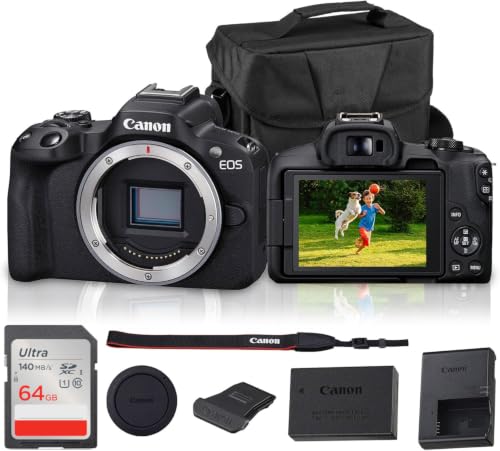
Mirrorless cameras with interchangeable lenses offer the best image quality and the widest lens choice, at the cost of more weight and more decisions. They suit campers who shoot often, want clean night sky photos, or plan to grow into new lenses over time. For a wider look at this category beyond camping, see our guide to the best digital cameras.
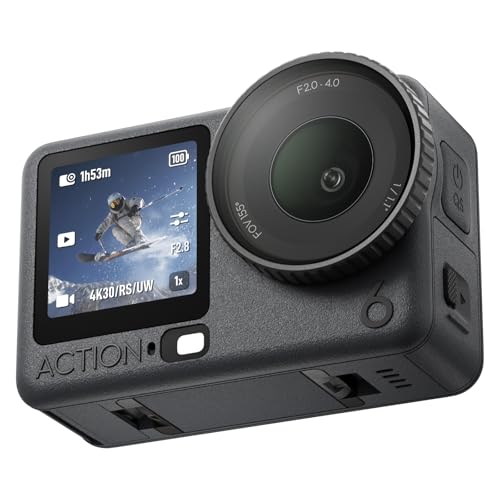
Rugged waterproof cameras form a third group built to be dropped, dusted and submerged in shallow water. Their small sensors limit low light quality, but they can ride on a pack strap through rain and join you in a lake without a case. Action cameras sit near this group too, prizing tiny size and 4K video over still photo quality.
Common Mistakes to Avoid
- Buying on megapixels alone leaves you with noisy night photos, because sensor size matters more after dark.
- Choosing a large kit you dread carrying means the camera stays at camp while the best views happen on the trail.
- Ignoring weather sealing leads to fogged lenses and gritty dials after one wet or dusty trip.
- Packing a single battery guarantees a dead camera on the last day, when you may want photos most.
- Paying for extreme zoom you never use adds weight and cost while softer image quality disappoints at full reach.
Setup and Care Tips for Camping Cameras
Before a trip, format the memory card in the camera, set the date and time, and charge every battery you own. Turn on image stabilization for handheld shooting, and set a moderate auto ISO limit so night shots stay clean rather than grainy.
At camp, clean the lens with a soft lens cloth, never your shirt, because grit on fabric can scratch the coating. Wipe dew from the body before you open any door or change a lens, and let a cold camera warm up inside a sealed bag when you bring it into a warm tent, so condensation forms on the bag instead of inside the lens. Store the camera in a dry, padded bag away from cooking smoke, and carry that spare battery where body heat can reach it on cold nights.
Cameras for Camping: Your Questions Answered
What features matter most in a camera used for camping?
Weather sealing, battery life and a useful zoom range matter most in a camera used for camping. Those three decide whether the camera survives the trip, lasts the day and frames your subjects. One point many buyers miss is grip, because a body you can hold securely with cold or damp hands is less likely to drop onto rock.
How much should I spend on a first camera for camping?
Plan on about $200 to $500 for a first camera for camping that clearly improves on a phone. Compact models sit near the lower end and capable mirrorless kits near the upper end. Set aside part of that budget for a padded case, a spare card and a spare battery.
Which camera aperture is better for low light camping photos?
A wider aperture, shown by a smaller f number such as f1.8 or f2.8, is better for low light camping photos. It lets in more light, so the camera can use a faster shutter speed around a campfire. Pair it with a small tripod for night sky shots, because even a bright lens cannot hold a long exposure steady by hand.
Can a camera for camping charge from a power bank?
Yes, many recent cameras for camping can charge from a power bank over a USB cable. Check the manual, because some models charge only while switched off and others can run from the bank while you shoot. A bank of about 10,000 mAh typically refills a camera battery two or three times, which covers most weekend trips without a wall outlet.
Do cameras for camping need a waterproof case in the rain?
No, a sealed camera for camping does not need a waterproof case for ordinary rain, but it does need one before it goes underwater. Sealing ratings cover splashes and brief showers, not submersion, and they only hold when the lens is also sealed and every door is shut. Dry the body fully before opening it, because trapped droplets can slip inside at that moment.
Final Thoughts
Match the camera to the trip you take most: light and simple for backpacking, versatile for family car camping, and long reaching with a larger sensor for wildlife and dark skies. Let weather sealing, battery life and lens range guide you, and skip features you will not use outdoors. The product table above lets you check those points against your budget.
Chosen that way, the best cameras for camping stop being a spec contest and become a tool you gladly carry, so the photos come home with you instead of staying as chances you missed.


