
Best Cameras for Bokeh in 2026: A Complete Buying Guide
Disclosure: We may earn a commission when you buy through links on this page, at no extra cost to you. As an Amazon Associate I earn from qualifying purchases. Learn more

Learn how to choose the best cameras for bokeh with guidance on sensor size, aperture, focal length and focus accuracy.
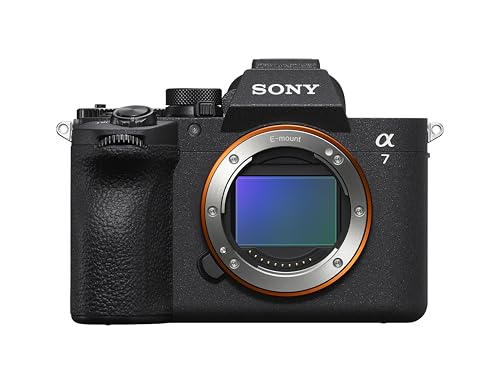
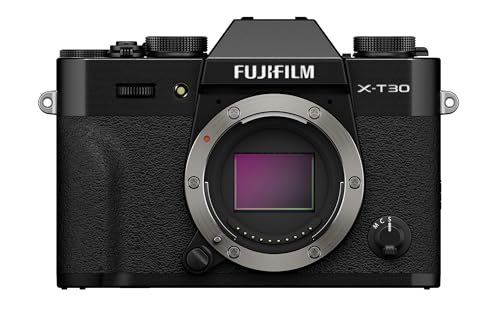
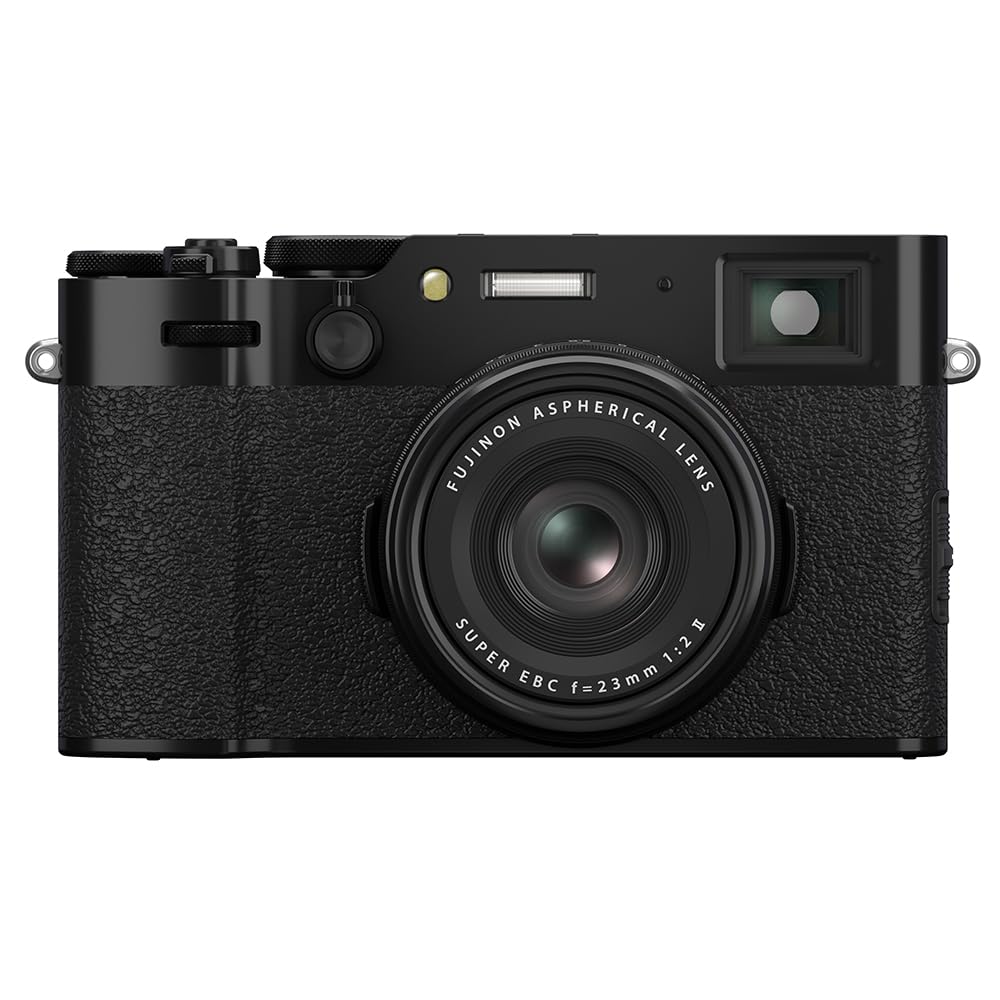
Soft, smooth backgrounds make a portrait subject stand out, but blur alone is not enough. Pleasing bokeh also needs round highlights and a background that stays calm behind hair and shoulders. The best cameras for bokeh give you control over all of that, and you can judge the main options in the comparison table below.
This guide focuses on the parts that shape blur, including sensor size, lens aperture, focal length and focus accuracy. It also covers film and compact choices, common errors and simple care. For a broader starting point, see our guide to the best cameras for photography and then return here for the bokeh specific decisions.




Who Should Buy a Camera for Bokeh?
Choose by the pictures you plan to make most often. Your subject and your usual light place different demands on the lens and the body.
Portrait Photographers Who Want Clean Subject Separation
You photograph people against busy streets, gardens or rooms and need the background to fall away without effort. Prioritize a larger sensor and a fast prime lens used wide open. Eye detection autofocus matters because focus must land on the nearer eye while depth stays very shallow.
Families and Creators Who Want Simple Blur at Home
You want soft backgrounds in everyday pictures and short clips without carrying a large kit. Look for reliable subject tracking, image stabilization for indoor light and a lens range that covers faces and small groups. If this is your first dedicated body, see our guide to the best starter cameras.
Travel Photographers Who Need Blur in a Small Bag
You move through cities and landscapes and want portraits and details to stand out without a heavy setup. A smaller sensor system or a capable fixed lens model can still give pleasing blur at longer focal lengths when you stand closer to your subject. Weather sealing helps outdoors on wet and dusty days.
Key Features to Compare
Compare the factors below in order, because lens and sensor decide most of the result. That is why the best cameras for bokeh pair a generous sensor with a fast and well corrected lens.
Sensor Size and Depth of Field
A larger sensor needs a longer focal length to fill the frame from the same spot, and that longer length gives shallower depth at the same aperture. Full frame blurs backgrounds most easily, APS C sits in the middle, and Micro Four Thirds and one inch sensors need faster lenses or closer subjects to match. Megapixels matter less, because resolution sharpens detail in focus without changing background rendering. For dim light image quality, see our guide to the best quality cameras.
Lens Aperture and Bokeh Character
Maximum aperture controls both the amount of blur and the shape of bright highlights in the background. A lens that opens to f/1.4 or f/1.8 blurs far more than one limited to f/4, and rounded aperture blades help highlights stay round as you stop down. Glass correction shapes the result too, because a lens corrected for a crisp center can render busy edges behind your subject.
Focal Length, Distance and Background Space
Focal length changes bokeh even when aperture stays the same. Longer lengths around 50 to 135 mm compress the scene and enlarge background details, so distractions melt into larger and softer shapes. Distance matters just as much, because moving closer to your subject and leaving more space behind them increases separation at any setting.
Autofocus Accuracy at Wide Apertures
Shallow depth leaves almost no room for focus error, so autofocus quality decides how many portraits stay usable. Eye detection and face detection help the camera hold the eye as your subject moves, while touch focus and focus magnification help you place focus by hand on a still subject. Good low light focus matters at dusk and indoors, where many bokeh portraits happen.
Stabilization, Video and Lens Choice
Image stabilization in the body or the lens steadies framing at slower shutter speeds, which helps when light fades and you want to keep ISO moderate. It does not freeze a moving subject, so watch shutter speed for children and pets. If you also shoot clips, check 4K video quality and whether focus changes smoothly without pulsing. Judge the lens system as a whole, because a body is only as good for bokeh as its fast lenses.
Types of Cameras for Bokeh Compared
Each format below can produce pleasing blur, but each asks for a different way of working. If you are comparing formats across the wider market, see our guide to the best digital cameras.
Full Frame Mirrorless Cameras
Full frame mirrorless models give the strongest blur with the least effort, and they offer the widest choice of fast prime lenses. They suit portrait work where background control is the main goal. The tradeoff is size and cost, because bodies and fast lenses grow larger as aperture rises.
APS C and Micro Four Thirds Systems
Smaller sensor systems keep size and price down, and they can still blur backgrounds well with fast lenses. You will usually work closer to your subject or choose a longer focal length to match full frame. These systems suit travel and family use where carrying less matters daily.
Fixed Lens Compact Cameras
A fixed lens compact puts the sensor and lens in one small body, so there is nothing to change or leave behind. Models with a larger sensor and a bright lens blur close subjects nicely at short range. You cannot swap to a longer or faster lens later, so the built in range must match your subjects from the start.
Matching a Camera Type to Your Bokeh Goals
Best Film Cameras for Bokeh
The best film cameras for bokeh are usually larger format models or 35 mm models paired with a fast standard lens. Film changes the decision because format size still drives depth, while grain softens highlight edges in a way digital sensors do not. You also work without instant review, so a clear depth preview and careful metering matter more.
Best Compact Cameras for Bokeh
The best compact cameras for bokeh balance a one inch or larger sensor with a lens that stays fast at the settings you actually use. Read the aperture at the portrait end of the zoom, not only the wide end figure on the box. Close focusing helps for details and small subjects indoors.
Common Mistakes to Avoid
These errors reduce blur or spoil its quality, even with capable gear.
- Keeping only a slow kit lens on a costly body leaves backgrounds busy and distracts from your subject.
- Standing your subject close to a wall leaves too little space behind them, so the background stays cluttered.
- Judging bokeh against a plain sky hides harsh highlight edges that appear in front of lights or foliage.
- Opening the aperture fully and missing focus on the eyes ruins more portraits than a deeper setting would.
- Stepping back for every portrait weakens separation, because subject distance matters as much as aperture.
Care and Maintenance for Cameras Used for Bokeh Work
Clean front glass matters for bokeh, because smudges and dust flare around bright highlights and soften contrast across the frame. Blow loose dust off first, then wipe gently with a clean lens cloth rather than your shirt. Keep caps on the lens in your bag.
Carry a spare charged battery and store the camera in a dry and padded bag between shoots. Update firmware when the maker releases autofocus improvements, and follow the manual for sensor cleaning rather than touching the sensor yourself. Store unused film in a cool and dry place.
FAQ
What features matter most in a camera for bokeh?
Sensor size and lens aperture matter most in a camera for bokeh. Beyond those two, study the transition zone in sample images, where partly blurred branches or fences sit just behind your subject. Smooth lenses keep that zone calm, while harsher lenses draw double lines that pull attention from the face. Your background choice on the day shapes the final look as much as the gear.
How much should you spend on your first camera for bokeh?
A budget of about $600 to $1,200 for a body and one fast lens is a sensible start for your first camera for bokeh. Put the larger share toward the lens, because an older body with a fast prime usually blurs backgrounds better than a new body with a slow kit zoom. Leave room for a spare battery and a padded bag.
What does aperture mean for bokeh on a camera lens?
Aperture on a camera lens is the size of the opening that lets light in, and a lower f number means a wider opening and stronger blur. Aperture also sets the size of background highlights, so the same lights grow larger and softer as you open up. On some lenses, highlights near the frame edges stretch into cat eye shapes.
Is a smartphone enough instead of a dedicated camera for bokeh?
A smartphone is enough instead of a dedicated camera for bokeh in casual snapshots shared at small sizes. Its portrait mode builds blur in software, and that process can cut around glasses and loose hair in ways that look odd once you notice them. A dedicated camera creates blur optically, so edges stay natural and large prints hold up better.
Can a kit zoom lens create pleasing bokeh for portraits?
Yes, a kit zoom lens can create pleasing bokeh for portraits when you help it with position and light. Use its longest focal length and its widest aperture at that length, then place your subject in open shade with a plain and distant background. Shade gives even light on the face and avoids squinting in bright sun.
Our Verdict
Start with sensor size and the fastest lens you will actually carry, then check focus accuracy at wide apertures. Match the format to your subjects and your bag. Use the product table above to compare size, lens range and price.
When you judge best cameras for bokeh by blur quality rather than blur amount alone, the right choice becomes much clearer. Pick the system that fits your subjects and your bag, and practice distance and background choice often.


