
Best Cameras for Bodybuilding in 2026: What Your Money Really Gets You at Every Price
Disclosure: We may earn a commission when you buy through links on this page, at no extra cost to you. As an Amazon Associate I earn from qualifying purchases. Learn more

Choose the best cameras for bodybuilding with guidance on 4K video, sensor size, flip screens, low light results and price tiers.
Camera prices span a wide range, yet physique filming has needs that price alone cannot reveal. You need clean detail on muscle separation, honest color on skin and steady focus while you move through poses. The best cameras for bodybuilding balance those needs with your budget, and the comparison table below shows the trade offs clearly.
Start with where you film most often. A solo posing session at home, a bright stage filmed from a fixed seat and a busy gym each reward a different sensor, lens and screen setup. The sections below match those situations to video quality, working distance and long term cost.
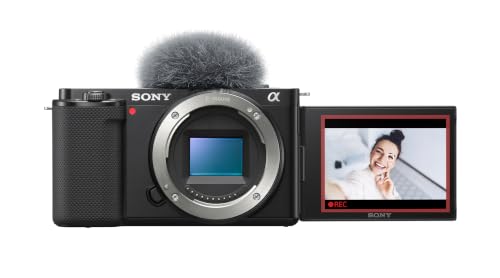
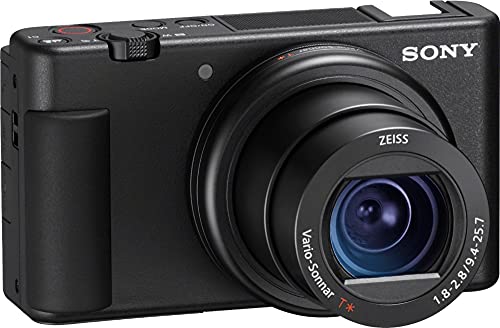



Who Should Buy Which Camera for Bodybuilding Filming?
Your filming routine decides more than your total budget does. Match the camera to the distance, light and help you actually have on filming day.
Solo Lifters Filming Posing Practice
You set the camera, start recording and pose alone, so a flip screen and a remote control matter more than body size. Choose a compact camera on a small tripod at about chest height. Strong autofocus helps because no one can refocus between poses.
Competitors Recording Stage Routines and Progress Checks
You need detail from a distance and color that stays honest under stage lights and tanning products. Choose a larger sensor and a lens with enough reach to fill the frame from the audience area. Clean 4K video lets you crop a wide stage shot later and still keep fine detail.
Coaches and Creators Filming Clients in the Gym
You film moving sets, give posing cues and often record speech over gym noise. Choose a camera with a microphone input and stabilization that smooths short walks between stations. If you also shoot still portraits, see our guide to the best cameras for photography for still focused advice.
Key Features to Compare
Compare these factors in order, because each one changes physique footage in a way you can see on screen.
Video Resolution and Frame Rates for Posing Detail
4K video records enough detail to judge separation, vascularity and posing lines on a larger screen. A rate of 30 frames per second suits held poses and stage routines, while 60 frames per second keeps fast transitions smoother and lets you slow a clip slightly in editing. Higher settings create larger files and more heat, so for most lifters clean 4K at 30 frames per second is the practical starting point.
Sensor Size and Low Light Results in Gyms
Sensor size shapes how a camera handles dim gym corners and mixed stage light. A one inch sensor in a compact camera works well in bright rooms and keeps the kit small. APS C sensors gather more light and give cleaner shadows, which helps when you cannot add lights. Full frame sensors give the cleanest low light results, but bodies and lenses cost and weigh more.
Color and Sharpness for Muscle Definition
Physique footage fails when color shifts make skin look flat or when sharpening adds harsh edges that were not there. Look for adjustable white balance and picture settings you can soften, so contrast stays moderate and detail stays natural. A lens that stays sharp across the frame matters because poses use the full width of the shot.
Autofocus and Stabilization While You Move
Autofocus must follow a lifter who turns, steps forward and changes distance during a routine. Face and eye detection help when the subject faces the lens, while a wider focus area helps during side and back poses. Stabilization smooths handheld gym clips, but a tripod gives the steadiest result for held poses, and tripod shooters can put savings toward a brighter lens.
Flip Screens, Remotes and Solo Setup Tools
A screen that turns to face you lets you check framing, focus and exposure before a set of poses, which saves repeated takes. A remote control or phone app lets you start and stop recording from the posing spot. For a broader shortlist beyond physique use, see our guide to the best digital cameras and compare screen designs there.
Lenses, Working Distance and Distortion
Lens choice controls working distance and how proportions look on camera. Very wide lenses used up close can stretch limbs near the edges and shrink the center of the body, which misrepresents a physique. A moderate focal length from a sensible distance keeps proportions more honest for progress checks.
What Each Budget Level Buys for Posing Footage
Price tiers differ mainly in low light quality, lens choice and control, not in whether you can record a usable posing clip at all.
Budget Tier: Clear Posing Video Without Extras
At about $300 to $600, expect a compact camera or an entry interchangeable lens body with a basic kit lens and solid 4K video in good light. This tier suits home posing practice where you control the lights. You give up reach, low light cleanliness and audio inputs, so film close and keep the room bright.
Midrange Tier: Better Low Light and Lens Choice for Regular Filming
At about $600 to $1,200, you gain APS C sensors on many models, flip screens, microphone inputs and a real choice of brighter lenses. This is where the best cameras for bodybuilding value often sits for regular creators. New to interchangeable lenses? See our guide to the best starter cameras for simpler starting points.
Premium Tier: Stage Detail and Pro Controls for Serious Creators
Above about $1,200, full frame bodies, advanced focus systems, richer video options such as log recording and stronger monitoring tools become common. Buy at this level when you film weekly or earn income from the footage, rather than for occasional progress checks, since the kit also grows heavier.
Extra Gear Costs for Long Show Days
The body is only the first purchase. Budget for a tripod that reaches chest height without wobbling, fast memory cards for 4K files and a spare battery for long show days. A simple light can improve a budget setup more than a body upgrade would. Add a padded bag, since chalk dust and crowded trunks are hard on screens and lens glass. For context on lasting value, see our guide to the best quality cameras.
Common Mistakes to Avoid
These errors distort physique footage or waste money on specs that do not help this use.
- Filming with a very wide lens up close stretches limbs at the edges and makes proportions look wrong.
- Trusting gym ceiling lights alone leaves faces shadowed and muscle detail lost in noisy shadows.
- Judging color only on the camera screen leads to surprise shifts on a larger display.
- Buying a premium body with only a dim kit lens starves the sensor of light at every session.
- Skipping a test recording before show day risks full cards, dead batteries and focus set on the backdrop.
- Placing the camera far below chest height angles the shot upward and changes how legs and torso appear.
Care and Maintenance for Cameras Used in Gyms
Wipe the body and lens with a clean microfiber cloth after gym sessions, since chalk dust and sweat settle on grips and glass. Use a blower before wiping a lens, because dragging dry dust across glass can leave fine marks.
Charge batteries after long filming days and store them partly charged if the camera will sit unused for weeks. Format memory cards in the camera after you have safely copied your files. Save a backup of your preferred color and focus settings, so a reset does not erase them before an important session.
Frequently Asked Questions
What features matter most in a camera for bodybuilding filming?
Clean 4K video, dependable autofocus and honest color matter most for bodybuilding filming, because they decide whether detail and proportions read correctly on review. A flip screen comes next for solo work, while sensor size matters most when your light is poor.
How much should I spend on a first camera for bodybuilding?
Most first time buyers should plan on about $300 to $600 for the camera, plus a basic tripod. That level records clear posing and progress footage in decent light, which is enough to judge form and conditioning. Keeping some budget for a light often improves first results more than a pricier body.
Is a smartphone enough instead of a dedicated camera for bodybuilding video?
A smartphone is enough for quick progress clips in bright, even light. Its small sensor and fixed wide view become limits when you need reach from a stage seat, cleaner shadows or less distortion at posing distance. A dedicated camera also gives you manual white balance, and many lifters upgrade once they film every week.
Which camera type is better for low light bodybuilding filming?
An interchangeable lens camera with an APS C or full frame sensor is better for low light bodybuilding filming. The larger sensor keeps shadows cleaner, and you can pair it with a brighter lens when the gym stays dim. Compact cameras can still work if you add a simple light and film closer.
How far should a camera be from a bodybuilder during posing practice?
Place the camera about 10 to 15 feet away for full body posing practice when the room allows it. That distance with a moderate focal length keeps proportions natural and leaves space to turn without leaving the frame. Mark your foot and tripod spots with tape, since a repeatable distance makes progress clips easier to compare.
The Bottom Line
Choose by filming situation first, then by sensor and lens, and only then by extra video options. Use the product table above to compare bodies with those priorities in front of you.
When you judge the best cameras for bodybuilding by how truthfully they record a physique, the right tier becomes clear. Buy the simplest setup that solves your light, distance and solo filming needs, and spend the rest on the lens and light that support it.


