
Best Cameras for Black and White Photography: A Budget Guide for 2026
Disclosure: We may earn a commission when you buy through links on this page, at no extra cost to you. As an Amazon Associate I earn from qualifying purchases. Learn more

Compare the best cameras for black and white photography by budget, sensor size, contrast control and ease of use.
Black and white photography rewards tone, contrast, and texture more than bright color, so the right camera is the one that helps you see light and shadow clearly. The best cameras for black and white photography give you control over exposure, a sensor that holds detail in dark and bright areas, and a preview that helps you judge a scene without color. This guide explains what each price level offers, so you can spend where it matters and skip features that add little to monochrome work.
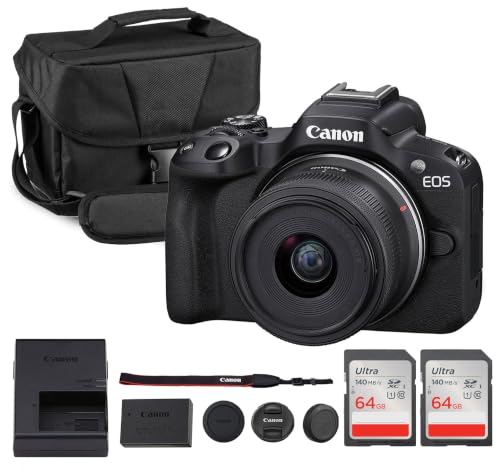
Start by deciding how you will shoot, whether you prefer digital files you can edit, film you can develop, or a mix of both. The comparison table below shows the main types side by side, and the sections that follow explain what your money buys at each level. Keep your total budget in mind, including lenses, cards, and editing tools, because those costs shape the real value of any camera.
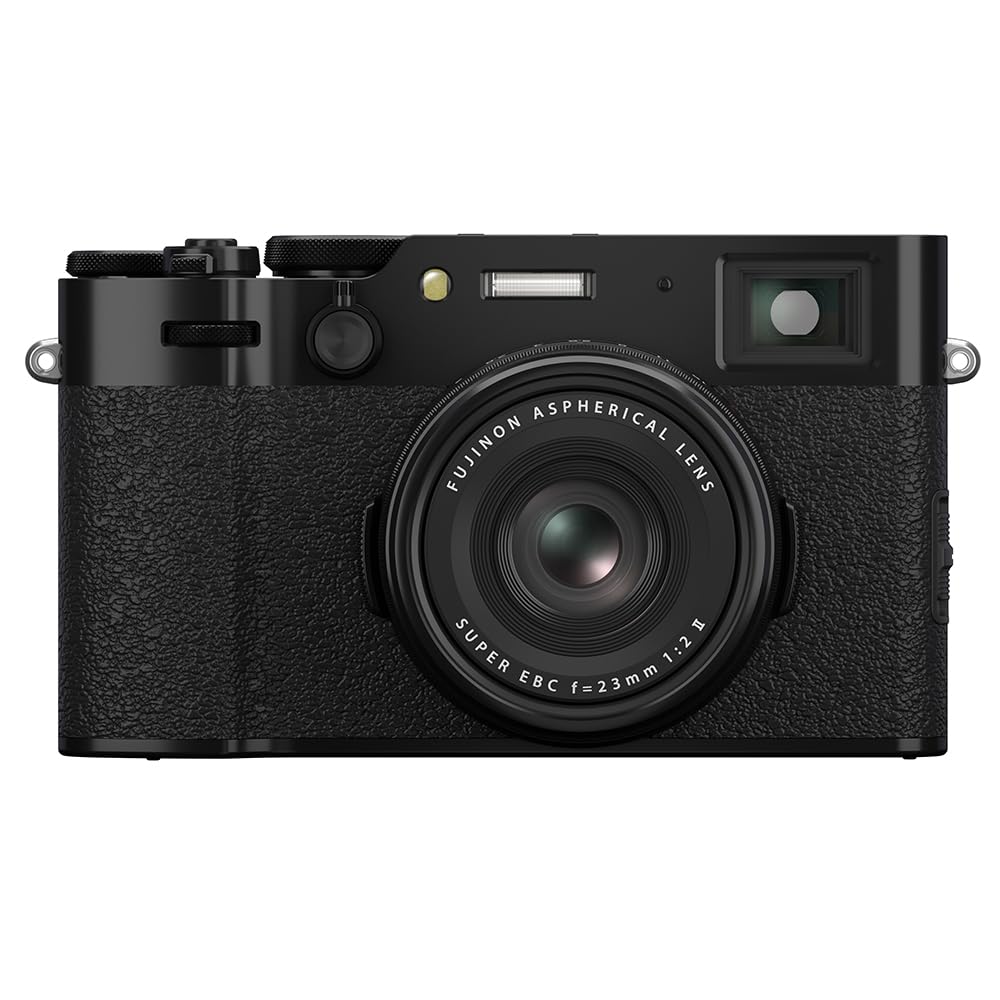


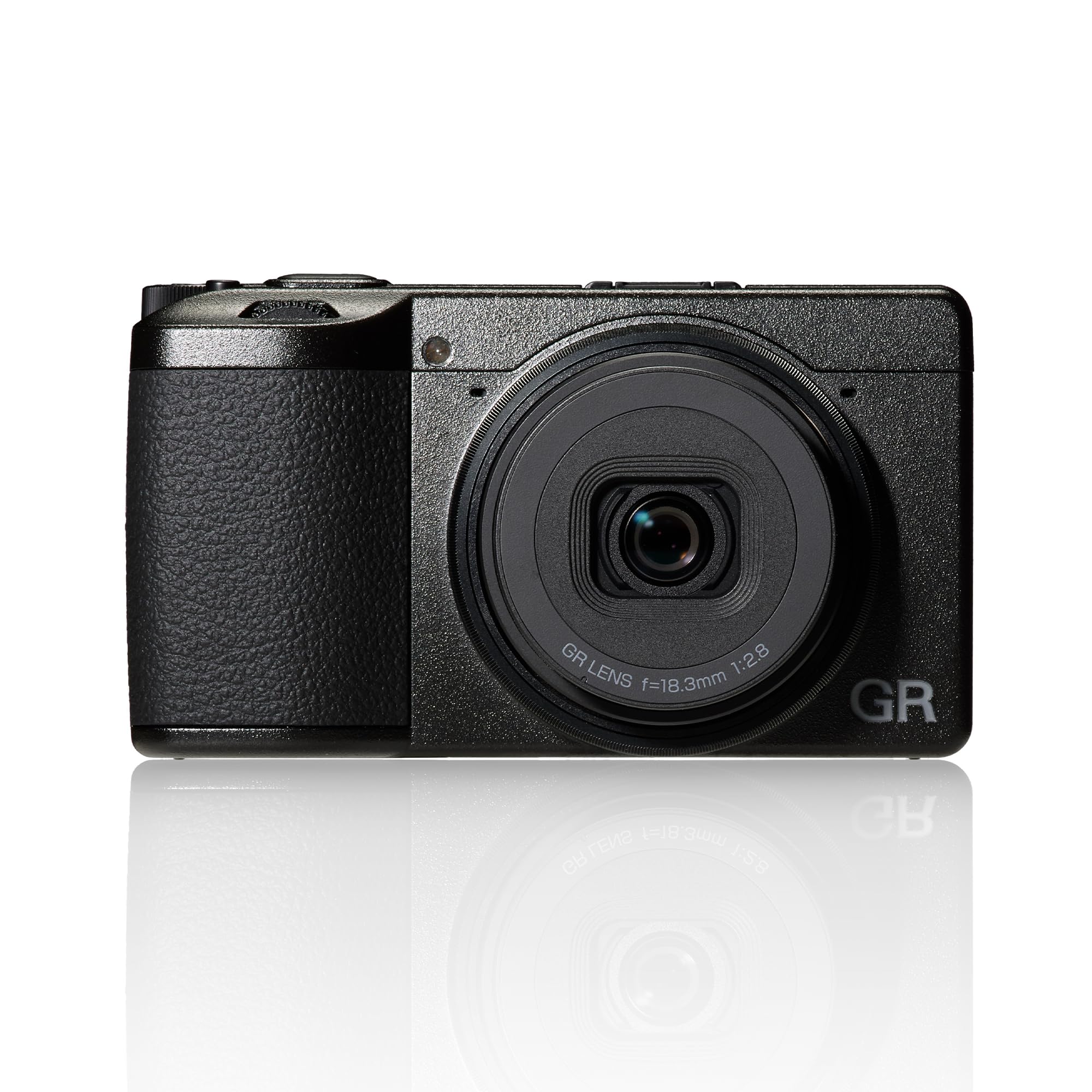

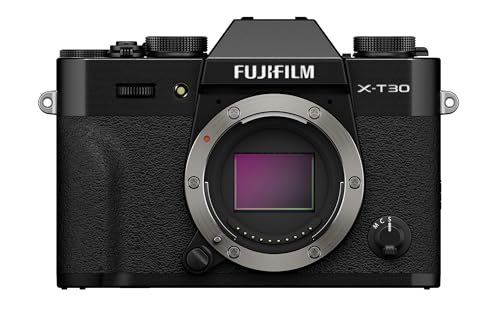
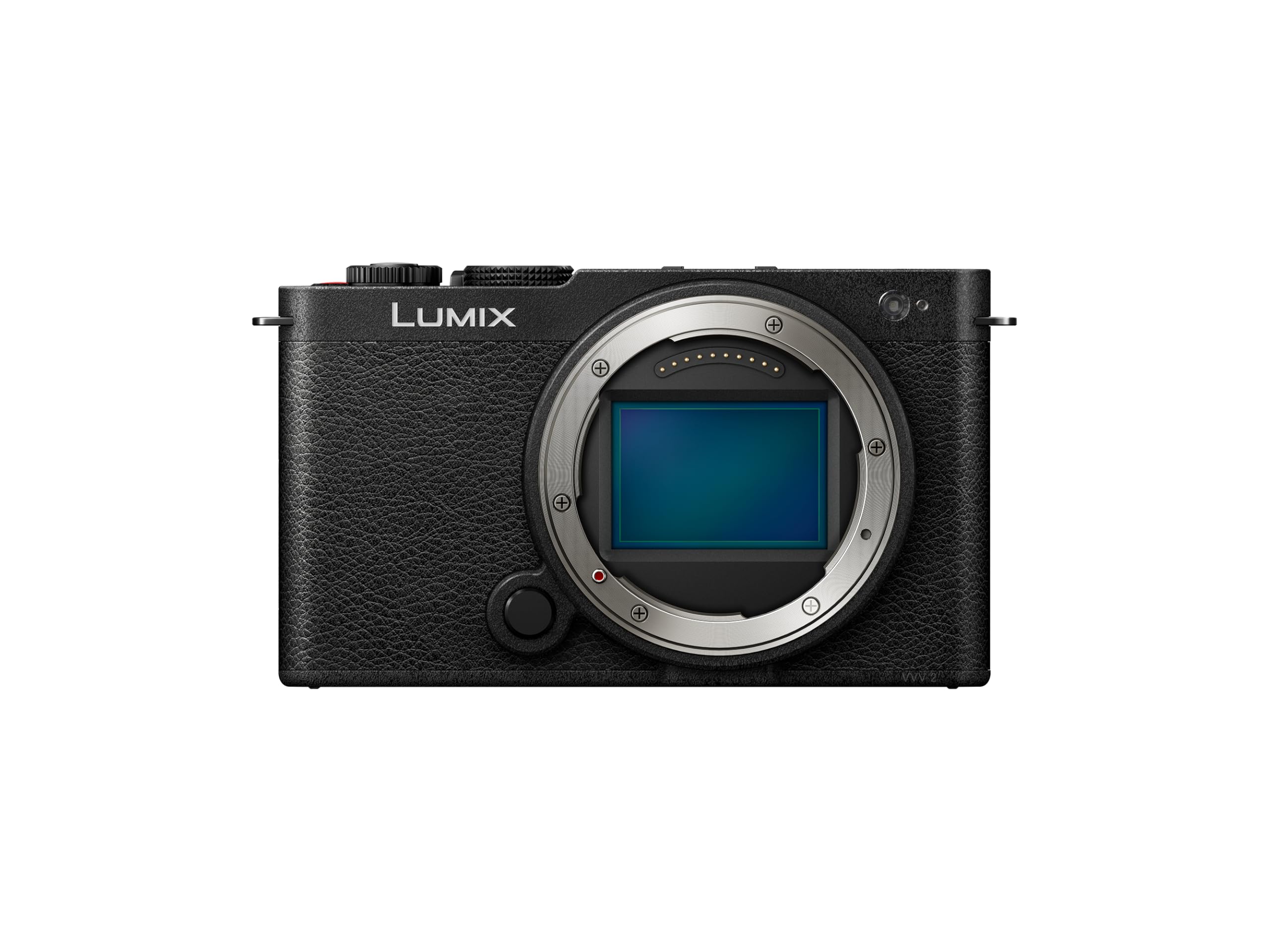


How to Match Your Budget to Your Needs
Budget guidance works best when it starts from your shooting habits, not from a fixed ranking. The levels below describe what to expect, so you can pick the level that fits how often you shoot and how much control you want.
Lower Cost Choices for Learning the Craft
Lower cost cameras suit new monochrome shooters who want to learn tone and composition without a large outlay. Expect solid auto modes, a usable monochrome preview, and enough resolution for prints and online sharing. You may give up some low light performance and weather sealing, and controls may sit deeper in menus. That trade off is fair when you are still learning, because practice with light and framing improves monochrome photos more than a larger sensor alone.
Middle Cost Choices for Regular Shooters
Middle cost cameras suit regular shooters who want better low light results, faster focus, and more direct controls. Expect a larger sensor option, a clearer viewfinder, and better dynamic range, which helps hold detail in both shadows and highlights. You may also get stronger build quality and more lens choices, which matter when you shoot often in varied light. This level is a good fit when you already know you enjoy monochrome work and want room to grow.
Higher Cost Choices for Demanding Work
Higher cost cameras suit demanding shooters who print large, shoot often in dim light, or need the most flexible files for editing. Expect the largest sensors, the widest dynamic range, and the most direct controls, plus stronger sealing for outdoor work. The extra cost buys headroom, not a guarantee of better photos, so it makes sense only when your current camera limits your results in a specific way. If you cannot name that limit, a middle cost camera plus a good lens may serve you better.
What Your Money Gets You at Each Price Tier
For the best cameras for black and white photography, price tiers in monochrome photography follow the same pattern as color photography, with a few points that matter more without color. Tone range, contrast control, and lens quality deserve extra weight, because they shape the final image directly.
Lower Cost Tier: What to Expect
At a lower cost, expect a smaller sensor, simpler controls, and a kit lens that covers everyday scenes. Image quality can still be strong in good light, and a monochrome picture profile helps you preview tone before you shoot. Check battery life and file options, because a camera that only saves small compressed files limits later editing. A lower cost camera is a smart start when you want to learn, but it may struggle in very dim light or when you need a large print.
Middle Cost Tier: Room to Grow
At a middle cost, expect better low light performance, more dynamic range, and a wider choice of lenses. Controls become easier to reach, which helps when light changes fast and you need to adjust exposure without stopping to think. You may also get a better viewfinder and a more durable body, both useful for frequent shooting. This tier suits shooters who want to refine tone and print work, without paying for the largest sensor on the market.
Higher Cost Tier: Maximum Flexibility
At a higher cost, expect the largest sensors, the cleanest high sensitivity files, and the most flexible raw files for editing. That flexibility helps when you want to lift shadows, hold highlight detail, and shape contrast with precision. You also tend to get stronger sealing, faster focus, and a broader lens system. The gain is real, but it is most visible in large prints and difficult light, so weigh it against lens and editing costs before you commit.
Features Worth Paying For (and Ones to Skip)
Not every feature improves monochrome photos, so it helps to separate tools that shape tone from extras that mainly add cost. The points below focus on what to pay for first, and what you can safely skip at the start.
Sensor Size and Image Quality
Sensor size affects low light cleanliness and dynamic range, both of which matter for monochrome work. A 1 inch sensor can work well in good light, an APS C sensor gives more low light headroom, and a full frame sensor gives the most flexibility for large prints and dim scenes. Megapixels alone do not decide quality, because a clean file with good tone range beats a noisy file with more pixels. Pay for sensor quality when you print large or shoot often in low light, and save money here when you mainly share online.
Ease of Use for Your Skill Level
Ease of use matters because monochrome shooting asks you to judge light, not just press a button. Auto modes, a clear monochrome preview, and simple exposure controls help new shooters learn faster. App transfer helps when you want to review and share quickly, while a touchscreen can speed up focus point selection. Skip complex custom menus at the start, and choose a camera whose main controls feel natural in your hands, because comfort leads to more practice.
Features That Matter for Black and White Photography
Monochrome work benefits most from contrast control, tone preview, and lens character. A monochrome picture profile, a histogram, and exposure compensation help you judge whether shadows will hold detail or turn pure black. Lens sharpness and contrast shape texture in stone, skin, and fabric, so a good lens often matters more than a small sensor upgrade. Color filters, whether physical or digital, can also shape how colors translate into gray tones, so check whether the camera or your editing software offers that control.
Battery Life and Charging
Battery life decides how long you can shoot without a break, which matters on walks, trips, and portrait sessions. Check the number of shots per charge under real use, not just the headline rating, because screen use and video drain power faster. USB C charging helps on travel, since you can top up from a common charger or power bank. Skip paying extra for the largest battery alone, and instead plan for a spare battery if you shoot long days away from power.
Features You Can Skip at First
You can skip the fastest burst rates, the most advanced video modes, and the largest lens collection when you start monochrome work. Those features help specialists, but they add cost without improving tone, contrast, or composition for most new shooters. You can also skip the most expensive weather sealing if you mainly shoot indoors or in fair weather, and add protection later if your habits change. Spend first on a good lens, a comfortable body, and editing tools that help you shape gray tones.
Choosing Cameras for Your Situation
Your situation should guide the final choice, especially if you are drawn to film. The best film cameras for black and white photography suit shooters who enjoy a slower pace, a simple set of controls, and the look of film grain. Film also brings ongoing costs for rolls, developing, and scanning, so factor those into your budget before you commit.
Digital cameras suit shooters who want instant review, flexible editing, and lower running costs. If you are unsure, start digital to learn tone and light, and explore film later as a second way of seeing.
Long Term Costs to Factor In
Long term costs can change the value of a camera more than the body price alone. Lenses, cards, spare batteries, straps, bags, and editing software all add up, and film shooters must add rolls, developing, and scanning. Check warranty terms and repair options too, because a camera used often will need service sooner than one kept at home. Add up the first year of running costs for each option you consider, and compare totals, not just body prices, before you decide.
Frequently Asked Questions
What features matter most in cameras for black and white photography?
Dynamic range, contrast control, and lens quality matter most in cameras for black and white photography, because they decide how well shadows and highlights hold detail. A monochrome preview and a histogram help you judge tone before you shoot, which is harder than judging color at a glance. Sensor size helps in low light, but a clean file and a sharp lens matter more than pixel count alone. Choose a camera that lets you adjust exposure quickly, so you can protect the tones that carry the photo.
Is a smartphone enough instead of a dedicated camera?
A smartphone is enough for learning monochrome composition and for sharing online, especially with a good monochrome editing app. A dedicated camera earns its place when you want a larger sensor, a better lens, more dynamic range, or direct controls for exposure. It also helps for large prints, where a phone file may show its limits. Try a month of phone monochrome work first, and note whether low light, detail, or control limited your results before you spend more.
What specs matter most for beginners?
Beginners should focus on easy exposure control, a clear monochrome preview, good battery life, and a comfortable grip. Those basics help you learn to see light and shadow without fighting menus. A kit lens that covers a useful range comes next, because it lets you try portraits, streets, and landscapes with one lens. Avoid chasing the largest sensor first, and choose a camera that you will carry often, because regular practice improves monochrome photos faster than any single spec.
Which camera type is better for low light?
A larger sensor usually performs better in low light, because it produces cleaner files at higher sensitivity settings and holds more shadow detail. Lens brightness matters too, since a lens that lets in more light allows faster shutter speeds and less blur. Stabilization helps for still subjects, but it cannot freeze moving people, so check both sensor and lens together. For monochrome work, clean shadows matter most, so favor a combination that keeps dark areas smooth rather than noisy.
How much should I spend on my first monochrome camera?
Most first time buyers do well with a budget of about $300 to $900 for a camera and a basic lens, plus money for a card and a spare battery. That range covers a usable monochrome preview, decent dynamic range, and controls that are easy to learn. Spending less can work for casual learning, but check file options and battery life carefully. Spending more makes sense when you print large, shoot often in dim light, or already know that monochrome work is a long term interest.
Final Thoughts
Choose by how you shoot, then weigh sensor quality, contrast control, and lens choice before you worry about extra modes. A camera that helps you see tone clearly and adjust exposure quickly will improve your monochrome work more than a larger spec list. Check the product table above, compare the price levels that fit your habits, and pick the option that leaves room in your budget for a good lens and editing tools. The best cameras for black and white photography are the ones that help you notice light first and gear second.
For digital focused options, see our guide to best digital cameras for black and white photography. If you want a simpler starting point, our guide to best black and white cameras explains the main types in plain terms. For stills work in general, our guide to best cameras for photography covers sensor and lens choices in more depth.


