
Best Cameras for Beginners under 300 in 2026: Which Type Is Right for You?
Disclosure: We may earn a commission when you buy through links on this page, at no extra cost to you. As an Amazon Associate I earn from qualifying purchases. Learn more
Learn how to choose the best cameras for beginners under 300 by comparing camera types, sensor size, zoom, video and ease of use for everyday photos.
Choosing a first camera feels confusing because boxes stress megapixels, zoom numbers and video badges at once. The best cameras for beginners under 300 are not the ones with the longest feature list. They are the ones you understand quickly, carry willingly and can use well in ordinary light. Start with the comparison table below, then match each type to how you actually plan to shoot.
Think about your main subject first. Family days, travel, school events, sports from the sidelines and short videos for sharing all reward different strengths. This guide compares types, explains what this budget can buy, and shows which simple controls help you learn.



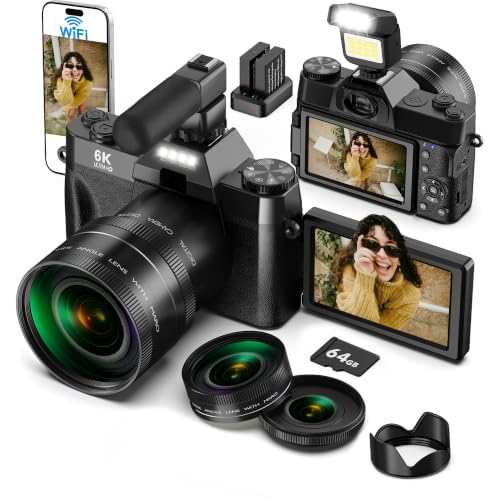

Types of Cameras Compared for Beginners Under $300
Four types cover most first purchases at this price. Each one trades size, zoom, video tools and toughness in a different way, so read for the trade that bothers you least.
Cameras Built for Recording Yourself
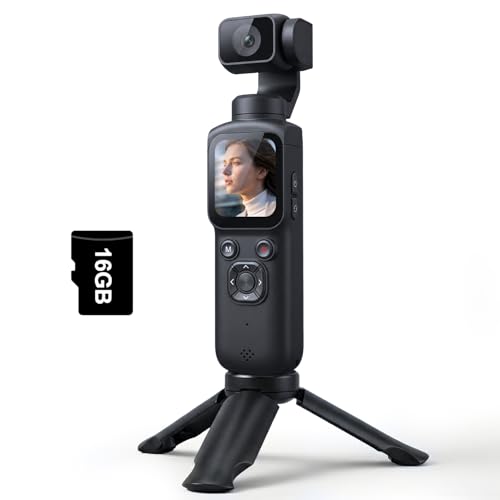
Vlogging cameras put video first, with a front facing screen, clear sound capture and autofocus that tracks a face while you move. Stills are usually good in daylight, but photo controls may be limited and the lens is often fixed at a wide view. Choose this type if you record yourself often and value simple sharing over long zoom reach or a large grip.
Compact Cameras With a Built In Zoom
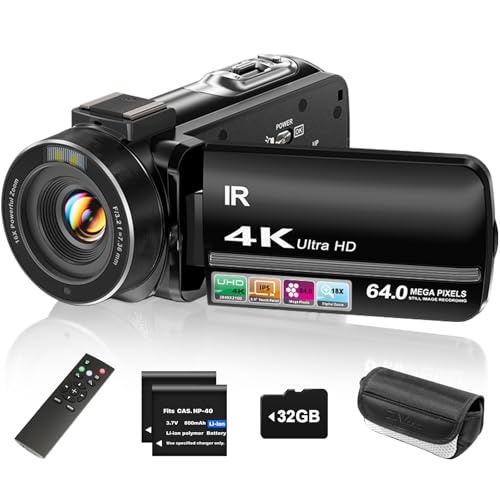
Point and shoot compacts are small stills cameras with a built in zoom lens, a simple auto mode and controls that stay out of your way. You turn one on, frame, and press, which suits travel, family events and everyday scenes where speed matters more than manual settings. In bright light, real optical zoom is the main gain over a basic phone. If this simple shape appeals to you, see our guide to the best compact cameras under 300 for a closer look at the category.
Rugged Little Cameras for Sports and Water
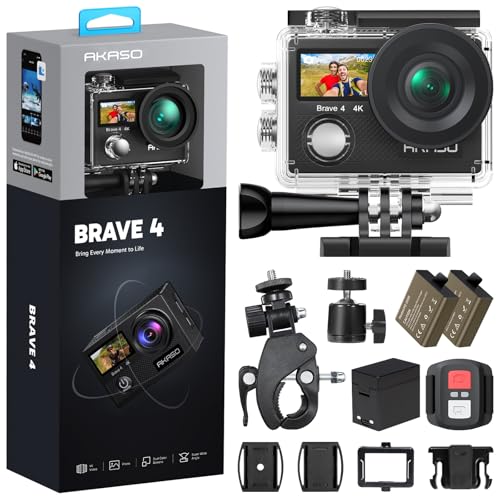
Action cameras are tiny, tough and usually weatherproof, built for bikes, boats, snow and pool days where a normal camera would stay in a dry bag. A very wide view captures the scene around you, image stabilization smooths rough movement, and mounts hold the camera on a helmet or handlebar. Tiny screens are hard to read in sun, still photos look stretched at the edges, and menus can feel cramped. Choose one only when toughness and mounting matter most.
Bridge Cameras With Long Optical Zoom
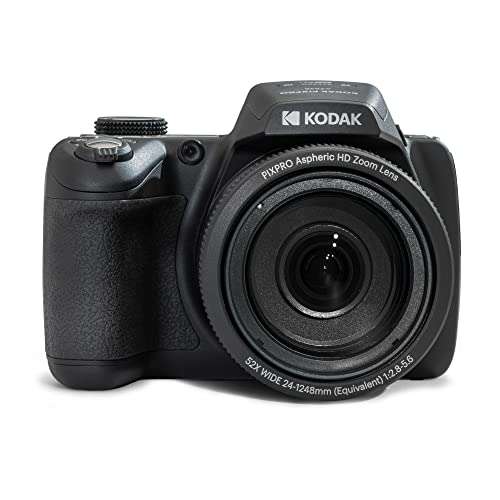
Bridge cameras look like small versions of larger cameras, with a big grip, an eye level viewfinder and one fixed lens that covers wide scenes and distant subjects. That long optical zoom helps at zoos, stages and outdoor sports where you cannot walk closer. You also get manual control to practise with as your skill grows. The cost is size, since a bridge camera needs a bag rather than a coat pocket, and low light results are modest because the sensor stays small.
Vlogging Cameras vs Point and Shoot Compacts: Which Should You Choose?
Compare these two types on the jobs you do weekly. A vlogging camera wins if most clips feature you speaking, because its turning screen, face tracking autofocus and sound tools solve real problems. A compact wins if most of your output is photos, because its zoom lens, flash and photo controls serve birthdays, trips and school events better.
For mixed use, ask which failure would annoy you more. Blurry self recorded video points to the vlogging type. Missed distant photos point to the compact. Either way, the best cameras for beginners under 300 reward the choice that matches your main habit, not one that tries to cover every rare case.
How to Choose the Right Camera
Use the five checks below in order, from type and budget limits to the features that change your pictures day to day.
How Size and Grip Affect Everyday Use
A camera you leave behind takes no good photos, so hold size and grip high on your list. Pocket compacts weigh little, but their small buttons can frustrate larger hands and their tiny bodies are easy to drop without a wrist strap. Bridge cameras fill the hand and steady a long zoom, yet they need a bag. Action cameras weigh least of all, though you operate them mostly through a small screen or a phone app.
What You Can Realistically Get Under $300
Around $300 buys a capable fixed lens camera, honest 1080p video on many models, some 4K video on others, and useful auto modes. It does not buy a large sensor, a set of changeable lenses, or strong indoor action photos. Spend first on sensor and lens quality, not on digital zoom numbers or huge megapixel counts. For a wider view of this budget, see our guide to the best cameras under 300 dollars and our guide to the best cameras under 300 to compare how the same money is framed.
Beginner Friendly Features That Matter
Look for clear scene modes, face detection autofocus, and image stabilization, because each one quietly prevents a common ruined shot. Scene modes pick sensible settings for portraits, sports or night scenes while you learn. Stabilization reduces blur from shaky hands at longer zoom. A guided menu that explains each setting in plain words helps too, so you can change one thing at a time and see what it does.
Sensor Size and Photo Quality on a Budget
Sensor size shapes image quality more than megapixels do. Most cameras at this price use a small sensor, while a few compacts offer a 1 inch sensor that gathers more light and gives cleaner indoor photos and softer backgrounds. The objective lens matters too, since a bright lens lets the sensor work better in dim rooms. APS C sensors are rare new at this budget, and full frame is out of reach, so judge sample style results by light level rather than by headline counts.
Controls and Sharing Made Simple for New Users
Good beginner design means you can share a photo minutes after taking it. Check how the camera sends images to your phone, because a smooth app transfer encourages you to use and back up your pictures. Also check start up time, battery rating per charge, and whether charging uses a cable you already own. If you want a broad starting point, see our guide to the best digital cameras under 300 for how these everyday models group together.
Common Mistakes to Avoid
These errors cost beginners money or good photos, and each one is easy to dodge once you see it coming.
- Buying for digital zoom figures leaves you with soft, cropped images that fall apart when you print or share them large.
- Chasing the highest megapixel count ignores sensor and lens quality, so indoor photos still look grainy and flat.
- Picking an action camera for family photos gives you stretched faces and a screen that is hard to check in bright sun.
- Spending your whole budget on the camera body leaves nothing for a spare battery, so a long day out ends early.
- Skipping the phone transfer test means pictures sit on a memory card for weeks and never reach the people in them.
Looking After Your First Camera
Clean the lens with a soft lens cloth, not your shirt, because shirt fabric can hold grit that scratches the coating. Blow loose dust away first, then wipe in small circles from the centre outward. Keep a spare battery charged and rotate it with the main one, so neither sits empty for months.
Store the camera in a dry, padded bag away from heat, and air it out after a wet day. Remove the battery before long storage, check the strap for wear, and format the card in the camera after copying your files.
Answers to Questions New Buyers Ask Most
Can you get a good camera for beginners under $300?
Yes, you can get a good camera for beginners under $300 for daylight travel, family events and learning the basics well. Keep about $30 to $60 of your total aside for a fast memory card and a simple case, since a slow card can delay burst shooting and video recording. Judged with that full kit in mind, this budget goes a long way.
What makes a camera for beginners different from an advanced camera?
A camera for beginners differs mainly in guidance and forgiveness, not in whether it can take a pleasing photo. Help screens explain settings in plain language, scene modes handle tricky light for you, and stronger auto focus covers small timing errors. One useful sign is a dedicated help button or guide mode, which advanced models often drop.
What does optical zoom mean on a beginner camera?
Optical zoom means the lens itself moves to magnify the scene, so detail stays sharp as you zoom in. Try the far end of the zoom indoors before a big trip, because the lens lets in less light at full reach and photos there need a steadier hand. Resting your elbows on a rail improves results at full zoom more than any menu setting does.
How much should a beginner spend on a first camera under $300?
A beginner should spend only as much as leaves room to actually go out and shoot. If a camera at around $200 covers your needs, keep the rest for a weekend trip, printed photos or a short class, since practise improves pictures faster than small spec gaps do. Move closer to the full budget only when a named need, such as a turning screen or a 1 inch sensor, drives the choice.
Which beginner camera type is better for low light photos?
A compact with a 1 inch sensor and a bright lens is usually the better beginner type for low light photos at this price. You can help any type by moving your subject near a window or lamp, bracing your elbows on a table, and taking three frames instead of one. Avoid zooming in dim rooms, because the far end of the zoom is where small cameras struggle most.
The Bottom Line
Start with type, then sensor and lens quality, then the controls you will actually use each week. Compacts suit most first buyers, vlogging models suit self recording, action models suit rough days out, and bridge models suit distant subjects.
Compare your shortlist in the product table above, and choose the best cameras for beginners under 300 that fit the photos and clips you already know you want to make.


