
Best Cameras for Baseball Games: What Actually Matters Before You Buy 2026
Disclosure: We may earn a commission when you buy through links on this page, at no extra cost to you. As an Amazon Associate I earn from qualifying purchases. Learn more

Learn how to choose the best cameras for baseball games, from reach and focus speed to low light handling, battery life, and a sensible budget.
A baseball game moves in bursts. A pitcher winds up, a batter connects, and a runner breaks for second in a few seconds, so the best cameras for baseball games need to keep up with fast action from a seat that may be far from the plate. The comparison table below can help you compare camera types side by side before you settle on one style.
This guide focuses on the choices that matter at a ballpark: reach, focus speed, handling in changing light, and how easy the camera is to carry and use for a full game. It does not rank individual models. Instead, it explains what each feature does, who benefits from it, and where spending more starts to matter less.


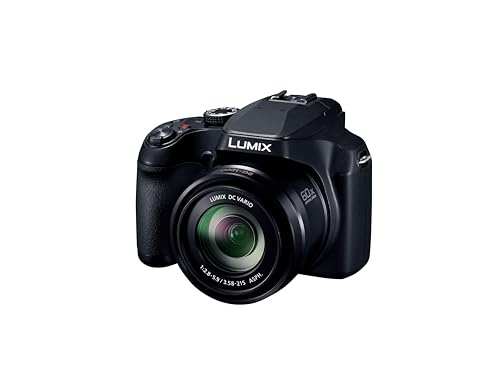

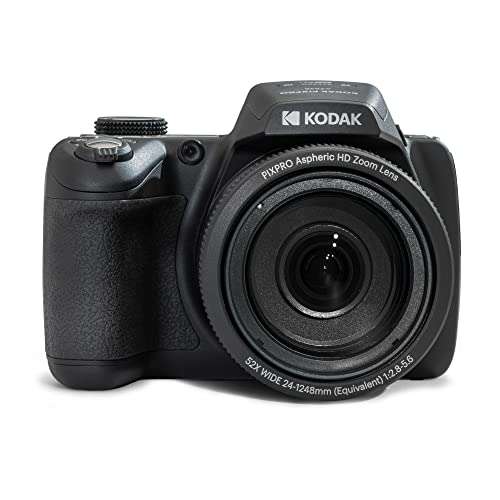
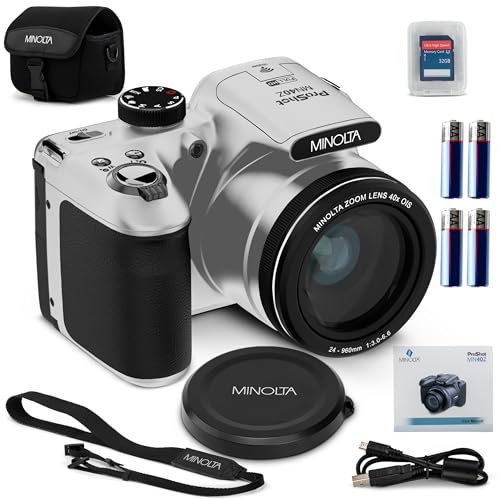


Key Features to Compare at the Ballpark
Start with the game itself, not with a spec sheet, because the best cameras for baseball games are matched to your seat and your light. Seats behind home plate, down a foul line, or in the outfield bleachers all change how much reach you need and how much of the field you can frame. A camera that works well from a close seat may feel short from the upper deck, while a very long zoom can be hard to hold steady when the action moves quickly.
Features That Matter for Baseball Games
Baseball rewards reach, quick focus, and a viewfinder or screen you can follow in bright sun. A long optical zoom lets you frame a batter or a play at second without cropping away most of the image. Fast autofocus helps when a throw crosses the infield, and a burst mode can catch the moment a slide starts rather than the dust after it. Look for controls you can find without looking away from the game for long.
Sensor Size and Image Quality
A larger sensor usually gathers light better and gives cleaner images when the sun drops, but size alone does not decide quality. A one inch sensor, an APS C sensor, and a full frame sensor all appear in cameras suited to different budgets and bag sizes, and a larger sensor often means a larger and heavier camera. Megapixels matter less than most buyers expect, because a sharp lens, steady handling, and good focus do more for a usable game photo than a very high pixel count alone.
Video Capabilities
If you plan to record at bats or a full inning, check frame rate, resolution, and how long the camera can record without stopping. Video at 4K and 60 frames per second gives smooth motion and room to crop, but it also fills cards faster and drains batteries sooner. A microphone input helps when crowd noise overwhelms a built in microphone, and a screen that flips forward helps if you film yourself talking about the game before first pitch.
Low Light Performance
Day games turn into evening games, and stadium lights create bright patches next to deep shadows. A camera that handles high ISO settings with less noise will keep evening shots usable, while a lens with a wide maximum aperture gathers more light at the same zoom setting. Judge low light ability by sensor size, lens aperture, and usable ISO range instead of megapixels.
Autofocus and Stabilization
Eye and subject tracking can help a camera stay on a runner, but it still needs a clear view and a sensible focus area setting. For baseball, a tracking mode that follows a moving subject across the frame often works better than a single point left in the center. Image stabilization, whether in the body or the lens, reduces shake at long zoom settings, and a monopod or a steady rest on a seat rail can help even more when you shoot from one spot for several innings.
Ease of Use for Your Skill Level
Automatic modes suit a fan who wants good photos without studying menus, while manual controls suit a shooter who wants to set shutter speed for a fast pitch. A clear menu, a dedicated dial for exposure compensation, and quick transfer to a phone all reduce missed moments. If you share photos during the game, check how the camera app handles large files and whether it keeps working when the stadium network is crowded.
Battery Life and Charging
Shot counts per charge vary widely, and video, long zoom use, and a bright screen all shorten battery life. A spare battery is often the cheapest insurance for a doubleheader, and charging over USB C between games can help if the camera supports it. Carry a spare card as well, because a full card at the top of the ninth is a frustrating way to end an otherwise good day at the park.
Spending Levels That Fit Different Budgets
At a lower spending level, look for a compact camera or a phone friendly camera with a useful zoom range, dependable autofocus, and simple controls. You may give up some low light quality and the longest reach, but you gain a camera that is easy to carry through a gate and easy to use for a full afternoon. This level suits casual fans who want better photos than a phone without carrying a large bag.
A middle spending level usually buys a longer zoom, faster focus, better stabilization, and stronger evening performance. This is often the sweet spot for regular attendees who sit in different sections and want consistent results across day and night games. Check weight and size before you commit, because a camera that stays in the car does not help at the game.
A higher spending level buys larger sensors, faster burst rates, and lenses that stay bright at long zoom settings. That combination helps most when you shoot night games often, print large photos, or crop heavily. Before you spend at this level, confirm the venue rules on camera size, lens length, and bags, since some parks limit what you can bring inside.
Quick Buyer Checklist
- Can you frame a batter clearly from your usual seat without heavy cropping?
- Does autofocus follow a runner across the frame without hunting?
- Can you change shutter speed or exposure compensation quickly?
- Is the camera comfortable to hold and carry for nine innings?
- Do you have a spare battery and enough card space for video?
- Does the camera handle the shift from daylight to stadium lights?
- Have you checked the venue rules for camera and bag size?
Red Flags to Watch For
Vague specs are a warning sign. A listing that promises huge zoom without stating whether it is optical or digital, or that hides sensor size and aperture, makes comparison hard for a reason. Very short warranty terms, unclear return terms, and a flood of nearly identical short reviews should also prompt a second look. A camera that sounds perfect in every category, at a price far below similar types, usually hides a compromise in the lens, the sensor, or the build.
Setup and Care Tips
Use a lens cloth, not your shirt, to clean the front element, because fabric can trap grit and smear sunscreen or dust across the glass. Carry a spare battery and keep it in a pocket or a padded pouch rather than loose with keys. Store the camera in a dry, padded bag between games, and let it adjust to temperature changes slowly so condensation does not fog the lens when you move from air conditioning to humid evening air.
Before the game, set a sensible starting point: a fast shutter speed for action, continuous focus for moving players, and a burst mode you can control. A related guide to best digital cameras can help you compare broad camera types.
Frequently Asked Questions
What features matter most in cameras for baseball games?
Reach, focus speed, and handling in bright and fading light matter most at a ballpark. A long optical zoom frames players from distant seats, fast tracking focus follows runners and throws, and good stabilization keeps long zoom shots sharp. Battery life and a comfortable grip matter too, because a camera that is tiring to hold will miss more action than a slightly sharper camera that stays in your hands.
Is a smartphone enough instead?
A smartphone is enough for wide shots, celebrations, and short clips, especially from close seats. It struggles when you need to frame a single player from the upper deck or in fading light, because digital zoom crops the image and small sensors lose detail sooner. A dedicated camera earns its place when reach, focus tracking, and evening quality matter more than pocket size.
How much optical zoom do I need for baseball games?
From behind home plate or down the foul lines, a zoom reaching about 200 mm in full frame terms frames most plays. From the outfield or the upper deck, aim for about 400 mm or a superzoom compact with a long optical range. Digital zoom only crops the picture, so judge reach by the optical figure.
Which is better for low light?
A larger sensor with a wide aperture lens usually performs better as daylight fades, because it gathers more light before noise becomes a problem. A camera with usable high ISO settings and effective stabilization also helps, since it can use a faster shutter speed without blurring the action. Avoid judging low light ability by megapixels alone, and check evening shots at the zoom length you actually use.
What specs matter most for beginners?
Beginners should prioritize dependable autofocus, a useful zoom range, simple exposure controls, and a camera that feels good in the hand. A clear automatic mode, a quick way to adjust brightness, and easy transfer to a phone reduce frustration during a game. Advanced specs such as log video profiles and deep menu customization can wait until you know which kind of baseball photos you enjoy most.
How much should I spend on my first one?
Plan around about $300 to $800 for a first dedicated camera that handles baseball well, with the final amount depending on zoom length and low light needs. A lower amount suits casual fans in close seats, while a higher amount suits regular attendees who shoot night games and crop often. Reserve part of the budget for a spare battery, a memory card, and a padded bag rather than spending everything on the camera body alone.
Wrapping Up
The right choice comes down to your seat, your light, and how much camera you are happy to carry. Reach and focus speed deserve the most attention, followed by evening performance and battery life. Use the product table above to compare types against that short list, and choose the camera that fits your games rather than the one with the longest spec sheet. With a clear checklist in mind, the best cameras for baseball games become easier to spot and easier to enjoy.


