
Best Cameras for Aspiring Photographers in 2026: Which Type Is Right for You?
Disclosure: We may earn a commission when you buy through links on this page, at no extra cost to you. As an Amazon Associate I earn from qualifying purchases. Learn more

Compare types, sensors, lenses and video features to choose the best cameras for aspiring photographers.
Moving beyond a phone is exciting, but the choice can feel crowded. Mirrorless bodies, DSLR bodies, compact models and action cameras all promise great images, yet they suit very different goals. This guide compares the best cameras for aspiring photographers by type first, so you can match the tool to the photos and videos you want to make. Start with the comparison table below, then narrow your shortlist.
You need controls you can learn from, files you can edit, and a system that still makes sense as your skills grow. The right camera teaches you exposure, focus and composition every time you pick it up.
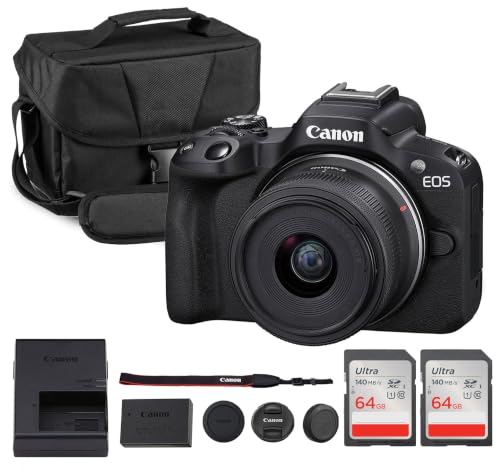


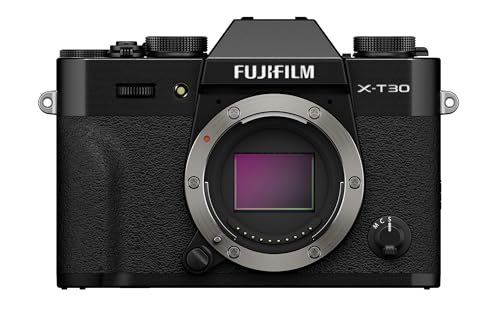

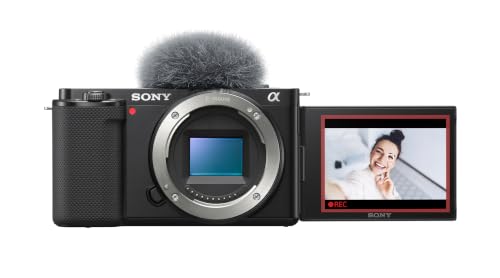


Types of Cameras Compared for Aspiring Photographers
Camera types differ in size, lens choice and how much control they give you, and none is best for everyone. Read each type with your main subjects in mind, whether those are family moments, travel scenes, portraits, sport or video. If you want a wider view first, see our guide to the best digital cameras.
Mirrorless Cameras for Learning and Growth
Mirrorless cameras show the scene on an electronic viewfinder or rear screen, so you see exposure changes before you press the shutter. Most accept interchangeable lenses, so one body can cover portraits, landscapes and sport as you add glass over time. Autofocus is usually fast and tracks eyes, faces and animals well, and bodies are smaller than DSLR bodies. For most learners, this type gives the best balance of learning tools, image quality and room to grow.
DSLR Cameras for a Classic Shooting Feel
A DSLR uses a mirror and an optical viewfinder, so you look through the lens itself with no screen delay. Many used lenses sell at fair prices, and battery life per charge tends to be long. The trade offs are size, weight and slower autofocus in video. Choose this type if you enjoy a larger grip, shoot mostly stills, and want a deep pool of second hand lenses.
Compact Cameras for Travel and Everyday Carry
Compact cameras keep the lens fixed to the body, so the whole kit fits in a coat pocket or small bag. Better models add a larger sensor, a bright zoom lens, manual controls and RAW files, making them real learning tools. The limit is growth, because you cannot change lenses when your interests change. Pick a compact if a bigger camera would stay at home, since a carried camera beats a stronger one left behind.
Action Cameras and Vlogging Cameras for Video First Creators
Action cameras are tiny, tough and made to mount on helmets, bikes and boards, with strong image stabilization for rough movement. Vlogging cameras put video first too, with flip screens, mic inputs and face tracking that keeps you sharp while you talk. Both types use small sensors, so stills and low light work are weaker than on larger cameras. Choose one if moving footage is your main goal and still photography comes second.
Mirrorless vs DSLR: Which Should Aspiring Photographers Choose?
Mirrorless models show exposure in the finder, focus quickly in video, and keep gaining new lenses. DSLR models feel solid, run longer on one battery, and pair with many affordable used lenses. For stills in good light, image quality from similar sensors is close, and lens choice matters more than body style.
Choose mirrorless for video, eye tracking autofocus, or a smaller body for travel. Choose a DSLR for an optical viewfinder, or when a used kit leaves money for a second lens. Handle both before you buy, because grip comfort shapes how often you will practice.
How to Choose the Right Camera
The sections below explain the factors that shape your results and your learning curve, so you can judge best cameras for aspiring photographers by what changes your pictures. Note your top two priorities before you look at prices.
How Sensor Size Shapes Your Photos
The sensor records light, and its size shapes detail, depth of field and performance after dark. Compacts often use a 1 inch sensor, many learning friendly bodies use APS C, and full frame is the largest common option. A bigger sensor usually gathers more light and gives softer background blur at the same settings. About 20 to 26 megapixels is plenty for prints and cropping, so choose APS C for value and full frame for low light work.
Low Light Performance for Aspiring Photographers
Low light results come from sensor size, the widest aperture of your lens, and how cleanly the camera handles high ISO settings. A lens marked f/1.8 lets in far more light than a kit zoom at f/5.6, so it helps more than a small gain in ISO range. Image stabilization helps with still subjects, because it lets you use slower shutter speeds without blur from your hands. If you shoot concerts or indoor events, put a bright lens high on your list.
Autofocus, Burst Speed and Image Stabilization
Autofocus decides how many of your moments stay sharp. Look for tracking that follows a moving subject across the frame, plus eye detection if portraits or pets are your thing. Burst speed, in frames per second, matters for sport and wildlife, where the best expression lasts a split second. Image stabilization, in body or lens, steadies shots at slower shutter speeds and raises your keeper rate while you learn.
Lenses, Controls and Room to Grow
A system grows through its lenses, so check the range and prices for the mount before you buy the body. You want affordable primes for portraits, a standard zoom for daily use, and longer options for sport or wildlife. Direct dials for shutter speed, aperture and ISO teach faster than menus, and RAW files show you how exposure choices shape a picture. Readers at the very start may also see our guide to the best cameras for starting photographers for a gentler first step.
Size, Weight and Ergonomics
A camera only teaches you when it is in your hands, so total kit weight matters as much as any spec. Add the body, your most used lens and a spare battery, then imagine carrying that load all day. Check grip depth, button reach and whether the screen tilts for low or high angles. A viewfinder helps in bright sun, where rear screens wash out, so trust your hands over a spec sheet.
Video Features and Weather Sealing
Many learners shoot video too, and 4K video with a mic input and a forward facing screen covers most needs. Check recording limits and whether autofocus stays smooth while filming, because jerky focus ruins good footage. Weather sealing is separate: sealed bodies and lenses resist dust and light rain, though no camera should be soaked on purpose. If you shoot indoors, spend that money on a lens instead.
Common Mistakes to Avoid
Most regret comes from a few repeat errors, so check your shortlist against each one.
- Buying the highest megapixel count you can find, because extra resolution cannot fix a weak lens or missed focus.
- Spending the whole budget on the body, because nothing remains for a lens, a card and a spare battery.
- Shooting only in full automatic mode, because your skills stall when the camera makes every choice for you.
- Ignoring the lens range for the mount, because you can outgrow a limited system within a year.
- Choosing the smallest body without holding it, because cramped controls make you shoot less and learn slowly.
Setup and Care Tips for Your Camera
Format the memory card in the camera and turn on the grid overlay to help with level horizons. Clean the lens with a lens cloth, not your shirt, because grit in fabric can mark the coating. Carry a spare battery, keep the kit in a dry, padded bag, and wipe the body after beach or rain shoots.
Frequently Asked Questions
What features matter most in cameras for aspiring photographers?
Manual controls, RAW files and a good lens range matter most, because they are the tools your learning runs on. Learning aids add a point the feature sections did not cover: exposure simulation and highlight warnings teach you to read light while you shoot. Use those aids for your first months, then rely on them less as settings become instinct.
How much should aspiring photographers spend on a first camera?
Spend enough for interchangeable lenses and manual controls, which often means about $500 to $1,000 for a body with a kit lens. Keep roughly a third of your budget back for a prime lens, a bag and extra storage. An older body with money left for glass teaches more than a flagship body with one slow zoom.
Which camera type is better for low light photos?
A mirrorless or DSLR body with an APS C or full frame sensor beats a compact or action camera after dark. Still subjects give you another tool: a small tripod allows a long shutter speed at a low ISO, which keeps noise down. That trick suits night streets and interiors, though it does nothing for moving people.
Should aspiring photographers choose a zoom lens or a prime lens first?
Start with the kit zoom, then add a prime once you know which focal length you use most. A prime has one fixed view and a wide aperture, and it forces you to move your feet to compose, which builds good habits. If most favorite shots sit near one end of the zoom range, that is the prime length to buy.
Is a smartphone enough for aspiring photographers, or should they buy a camera?
A smartphone is enough for casual snapshots, but it is a weak teacher. Phones fix exposure and sharpness with software, so you can take pleasing pictures without learning why they work. A dedicated camera makes your choices visible, gives larger files for printing, and changes depth of field with real optics.
Our Verdict
For most learners, an APS C mirrorless camera with a kit zoom, direct dials and a healthy lens range is the safest start. Judge your shortlist in the product table above, weigh sensor size and lenses above headline specs, and leave budget room to grow. As your style settles, our guide to the best cameras for amateur photographers can help with the next step. The best cameras for aspiring photographers are the ones that make you want to shoot every day.


