
Best Cameras for ASMR in 2026: Which One Fits the Way You Record?
Disclosure: We may earn a commission when you buy through links on this page, at no extra cost to you. As an Amazon Associate I earn from qualifying purchases. Learn more

Quiet autofocus, clean mic inputs and close focus define the best cameras for asmr, matched to whisper, tapping and roleplay styles.
ASMR recording punishes flaws that other video styles hide. A lens motor that sounds faint in a travel clip can dominate a whisper track, and a camera that hunts for focus will pull attention from a slow trigger. The best cameras for asmr stay quiet, focus close and smoothly, and give your microphone a clean signal. Use the comparison table below to match those traits to your style.
There is no single model that suits every creator. A whisper channel needs clean audio above all. A tapping channel needs close focus on hands and objects. A roleplay channel needs a screen you can see while you perform.
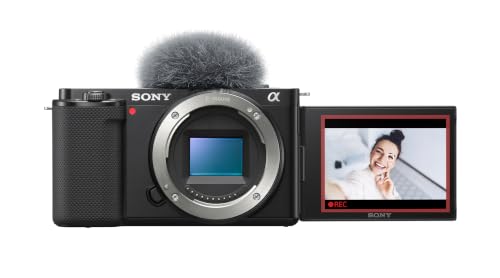
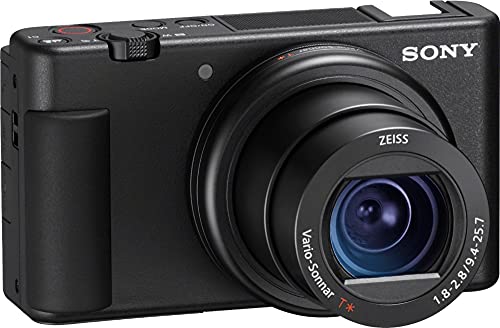

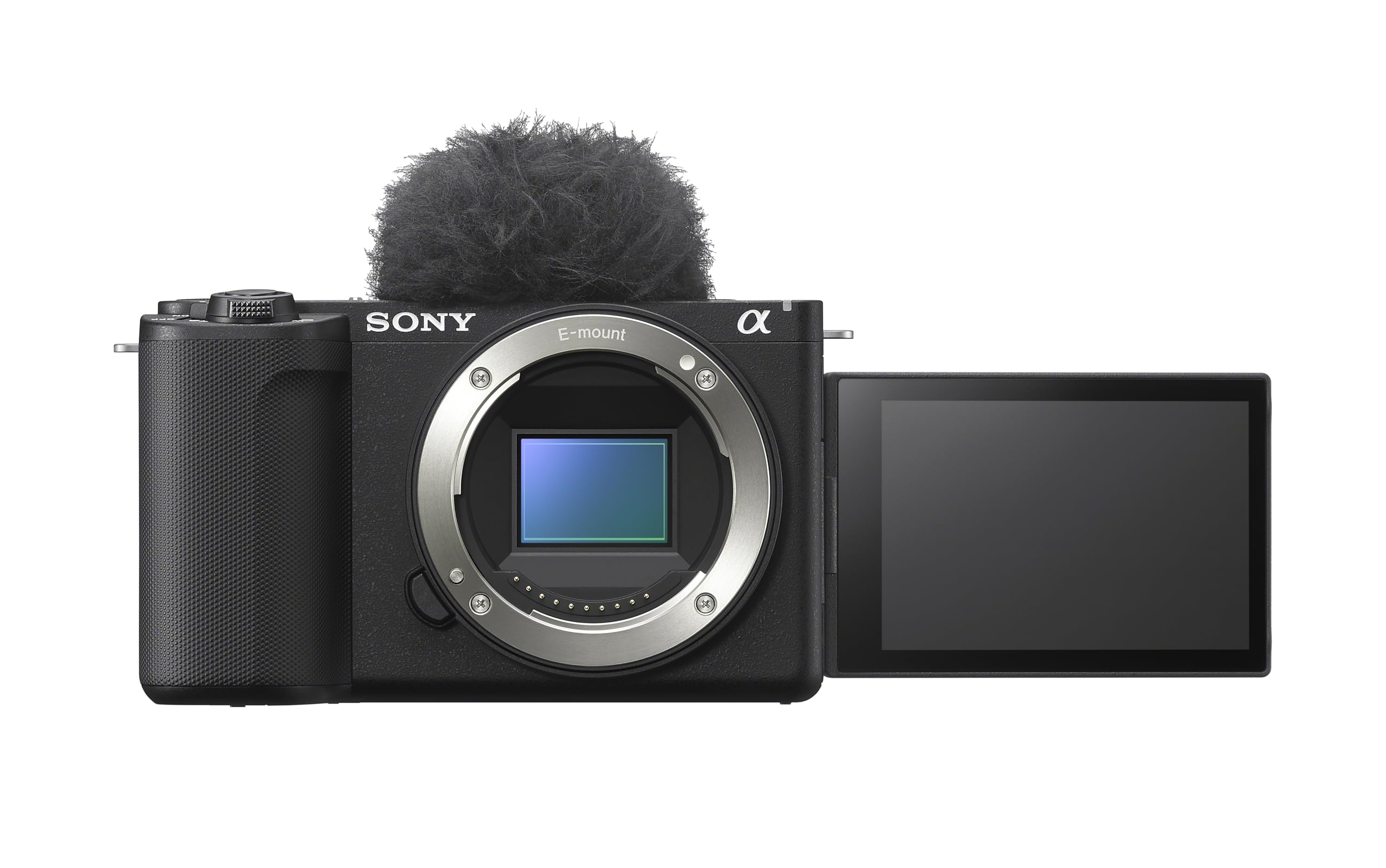


Who Should Buy Which Cameras for ASMR?
Start with the kind of ASMR you record most often. Your dominant trigger decides which feature deserves your budget.
Whisper and Voice Led Creators
Your voice sits close to the microphone, so audio quality matters most. Prioritize a microphone input, a headphone jack for live monitoring, and quiet preamps that add little hiss when you raise the gain. A modest body with a good external microphone will usually serve you better than a costly body that forces you to rely on its built in microphones.
Tapping and Close Trigger Creators
You film hands, brushes, and objects inches from the lens, so close focus distance is your deciding spec. Choose a lens that focuses at a few inches without losing sharpness, and check that autofocus moves in small smooth steps rather than jumping. A compact body helps on a crowded desk, and a turning screen keeps framing easy while your hands stay in shot.
Roleplay and On Camera Performers
You move, gesture, and speak to the viewer as if the viewer were in the room, so the camera must track you without constant checking. Look for reliable face and eye detection, a fully turning flip screen you can read from your seat, and recording that runs past a short scene without a cutoff. Stable exposure matters too, because sudden brightness shifts break the calm mood.
Live Streamers and Long Session Creators
You record or stream for an hour or more, so heat, power, and connection options shape your choice. Prefer a body that can run on wall power, send a clean video feed to a computer, and stay cool without a loud fan. If you are building a first setup, see our guide to the best starter cameras for simpler bodies that cover the basics well.
Key Features to Compare
Compare these factors in order. For ASMR, audio and focus behavior outrank headline resolution, because viewers leave over hiss and focus pulsing long before they notice a sharpness gap.
Microphone Inputs and Quiet Preamps
A microphone input lets you place a sensitive external microphone near your mouth or trigger while the camera stays back for framing. What matters most is how clean the camera preamp sounds, since a noisy preamp adds a steady hiss under every whisper even when the microphone itself is excellent. A headphone jack lets you hear that hiss, a cable rustle, or a room echo before you record a full session. Bodies with only built in microphones limit placement and capture more room noise.
Silent Autofocus and Smooth Focus Movement
Autofocus for ASMR must do three jobs at once: stay silent, move smoothly, and avoid hunting when a hand or object pauses. Lens motors differ a lot, and some whir audibly each time focus shifts, which a close microphone will pick up clearly. Focus breathing also matters, because a frame that grows and shrinks with each focus change looks restless in a calm close shot. Steady subject tracking and a touch screen focus point give you control without touching dials mid take.
Close Focus, Lens Choice and Optical Zoom
Close focus distance tells you how near a trigger can sit while the lens still locks sharp, and for tapping and brushing work a few inches of working room changes what you can film. A fixed lens compact simplifies that choice, while an interchangeable lens body lets you add a macro style lens later for extreme detail. Optical zoom helps you reframe from a tripod without crowding the scene. Judge zoom by the framing it gives at your desk distance, not by the largest number on the box.
Sensor Size and Image Quality in Soft Indoor Light
Sensor size shapes how clean your image looks in the dim, soft lighting many ASMR rooms use. A 1 inch sensor is a step up from a phone and suits small setups, APS C sensors gather more light and blur the background more gently, and full frame sensors give the cleanest results at high ISO settings but cost and weigh more. Lens aperture works with the sensor, so a fast lens can offset a smaller sensor. Megapixels alone tell you little here.
Flip Screen, Stabilization and Long Recording
A flip screen that turns to face you lets you check framing, focus, and recording status from your performing seat, which saves retakes. Image stabilization smooths small handheld moves when you film a trigger in your hands, though a tripod still gives the steadiest desk result. Check recording limits and heat behavior before you buy, because some bodies stop at about 30 minutes or shut down when warm. Quiet or absent cooling fans protect your audio during long sessions.
Which Camera Type Fits Your ASMR Style?
Point and shoot compacts pack a lens, sensor, and screen into one small body that is ready in seconds. They suit creators who want simple controls, light weight, and a low cost start, and many offer good 4K video for their size. Their limits are fixed lenses and smaller sensors, which restrict close focus and dim light quality. If you are comparing simple all in one options, see our guide to the best digital cameras for the wider compact market.
Interchangeable lens cameras cost more and take more learning, but they let the system grow with your channel. You can start with a general lens, then add a fast prime lens for dim rooms or a macro lens for trigger detail, and that flexibility is where many of the best cameras for asmr earn their price. Camcorder style bodies form a third path, with long recording and handling built for video alone. For stills led hybrids, see our guide to the best cameras for photography.
Common Mistakes to Avoid
- Buying for resolution alone leaves you with sharp 4K video and a loud lens motor that ruins the audio track.
- Skipping the microphone input forces you to use built in microphones that capture room echo and camera handling sounds.
- Ignoring close focus distance means your main triggers stay soft unless you move them farther than your framing allows.
- Forgetting the recording limit cuts a long roleplay or live session short mid scene.
- Choosing a screen that does not face you makes every framing check a walk behind the camera.
Care and Maintenance for ASMR Cameras
Clean the objective lens with a soft lens cloth, not your shirt, because grit in fabric can leave fine marks that soften close detail. Use a blower first, then wipe gently in a circle from the center outward. Keep a spare battery charged and carry the camera in a dry, padded bag. Store batteries at partial charge if you will not record for weeks.
Keep the sensor clean by changing lenses face down in a still room, and put caps back on at once. Wipe the body after sessions where lotion, makeup, or food triggers were in use, because residue near buttons builds up quickly. If build quality tops your list, see our guide to the best quality cameras for bodies built for years of use.
Cameras for ASMR: Your Questions Answered
What features matter most in a camera for ASMR recording?
Quiet autofocus, a microphone input, and clean low light video matter most in a camera for ASMR recording. A practical extra is a manual focus ring with a distance scale, which lets you lock a working distance for a repeated trigger setup. That lock also speeds up your routine, because each session starts from known settings.
How much should I spend on a first camera for ASMR?
A first camera for ASMR can cost about $300 to $700 and still record pleasing video for a new channel. Spend the share you save on the microphone and on soft lighting, because viewers forgive a modest image sooner than harsh light. Keep about $50 to $100 aside for a sturdy tripod and a longer cable.
Is a smartphone enough instead of a camera for ASMR?
A smartphone is enough to start ASMR recording, and many creators publish their first videos that way. Its limits show up as weaker dim light quality and calls or alerts that can interrupt a take, so use airplane mode while you record. A dedicated camera becomes worthwhile once you want a flip screen, swappable batteries, and a lens chosen for close work.
Which camera type is better for ASMR videos in low light?
An interchangeable lens camera with a larger sensor is usually better for ASMR videos in low light. Pair it with a lens that opens to a wide aperture, and place one soft light source close to you rather than raising brightness across the whole room. A shaded lamp at an angle gives gentle shadows and avoids bright reflections on glossy trigger objects.
Does 4K video matter for ASMR recording on a camera?
Yes, 4K video matters for ASMR recording mainly because it lets you crop the frame in editing without losing detail. You can film a little wider for safety, then tighten the shot on your hands or face later while the video still looks sharp. The tradeoff is larger files and more heat, so confirm your computer can handle a full session of 4K footage.
Final Thoughts
Let your main trigger lead the choice. Whisper creators should fund audio first, tapping creators should fund close focus, and performers should fund tracking and a screen they can see. Check recording limits and fan noise before paying for extra resolution.
When you compare best cameras for asmr against those priorities, the right type usually stands out quickly. Use the product table above to confirm the inputs, screen, and sensor on your short list, then buy the quietest fitting option.


