
Best Cameras for Architecture in 2026: Which Type Is Right for You?
Disclosure: We may earn a commission when you buy through links on this page, at no extra cost to you. As an Amazon Associate I earn from qualifying purchases. Learn more

Compare sensor size, lens choice, dynamic range and tilt shift options to pick the best cameras for architecture by use case and budget.
Buildings reward patience and punish distortion. Straight walls reveal a tilted horizon at once, and bright windows next to deep shade test every sensor. The best cameras for architecture keep vertical lines true, hold detail in highlights and shadows, and pair with lenses built for wide views. Use the comparison table below to match each type to your work.
Start with how you shoot. A student on foot needs light gear and low cost. A professional shooting interiors for clients needs tethering, repeatable color, and lenses that shift. A filmmaker needs clean video of slow moves through a space. The sections below match each way of working to sensor size and lens choice.

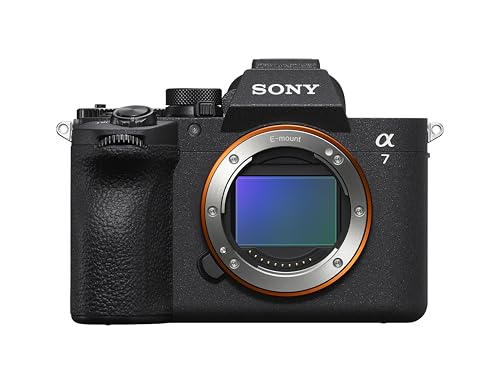


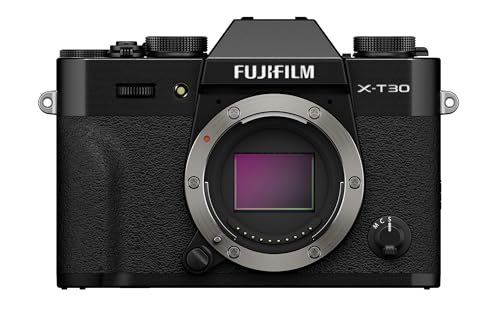
Camera Types Worth Considering for Architecture Jobs
Four types cover almost every architecture job, and they differ most in sensor size, lens choice, and total cost once lenses are counted. For broader background, see our guide to the best digital cameras before you narrow your list.
Full Frame Mirrorless Cameras for Client Work
A full frame mirrorless body pairs a large sensor with a wide choice of wide angle and tilt shift lenses, so it suits paid work where large prints and cropping matter. The large sensor gathers more light, which helps in dim interiors. Bodies and lenses cost and weigh more, so this type rewards photographers who shoot buildings as a main subject.
APS C Mirrorless Cameras for Smaller Kits
A crop sensor mirrorless body uses a smaller sensor, so a given lens frames a narrower view than on a full frame body. That size lowers cost and weight, which makes this type a strong start for students and keen amateurs. Wide views need lenses designed for the smaller sensor, so check the lens range before you buy.
Compact Fixed Lens Cameras for Site Walks
A compact camera with a fixed lens puts a good sensor and one well matched lens in a small body you can carry all day on a site walk. It suits scouting, travel records, and quick studies of light where speed matters more than lens swaps. The fixed lens limits wide framing in tight interiors, so choose it as a travel camera or a second body.
Medium Format Cameras for Large Prints
A medium format body uses a sensor larger than full frame, so files hold fine detail in stone and brick and tolerate careful cropping. This type suits gallery prints, heritage records, and slow tripod work. Bodies and lenses cost far more and autofocus is slower, so most buyers should rent first and confirm that print sizes truly need the extra detail.
Key Features to Compare
When you compare the best cameras for architecture, judge the sensor and the lens as one system, because a strong body cannot fix a lens that bends straight lines. The five factors below decide most results.
Sensor Size and Resolution for Architecture
Sensor size shapes noise, lens choice, and cost more than headline megapixels do. Full frame and larger sensors keep files cleaner at high sensitivity, while APS C sensors keep kits smaller and cheaper. Resolution of about 24 to 45 megapixels suits most prints and web use, and higher counts help when you crop to correct perspective. See our guide to the best cameras for photography for more on stills bodies.
Lens Choice and Perspective Control for Buildings
Architecture asks more of lenses than of bodies. A wide angle zoom covering about 16 to 35 mm on full frame handles most exteriors, while tilt shift lenses keep vertical walls parallel by shifting the lens rather than tilting the camera up. Look for low distortion and sharp corners. Strong barrel distortion forces heavy software correction, which crops your frame and softens the edges.
Dynamic Range and Shadow Recovery in Camera Files
Buildings often pair sunlit stone with interiors in deep shade, so dynamic range decides whether one frame can hold both. A sensor with wide dynamic range and clean raw files lets you lift shadows without harsh noise or banding in skies. Range falls as sensitivity rises, so judge files at the settings you will actually use. Bracketing helps on a tripod, but a forgiving single file saves time.
Levels, Grids, and Focus Aids for Straight Lines
An electronic level, a grid overlay, and focus peaking sound minor until you try to keep a facade square from a crowded street. The level helps you set the camera truly upright, the grid shows drift before you shoot, and focus peaking confirms sharpness when you focus by hand with a tilt shift lens. A tilting rear screen also helps at low tripod heights.
Weather Sealing, Build, and Battery Life on Site
Architecture work happens outdoors in drizzle and dust and indoors on active sites where grit finds every dial. Weather sealing on body and lens, a solid mount, and doors that close firmly extend working life in those places. Battery life of about 300 to 600 shots per charge is common for mirrorless bodies, so carry a spare and prefer USB C charging.
Picking a Camera Based on Your Role and Budget
The right type changes with your role, your budget, and how finished the images must be.
Cameras for Architecture Students on a Tight Budget
Cameras for architecture students should cost little to run, teach manual control, and accept a true wide angle lens, so an entry level APS C mirrorless body is usually the wisest start. Spend on a sturdy tripod before a second lens. For basic controls explained plainly, see our guide to the best starter cameras.
Cameras for Architecture Photography for Clients and Prints
Cameras for architecture photography for clients need repeatable color, tethered shooting, and raw files that survive careful editing, so full frame mirrorless is the usual choice. Discuss print size early, since that decides whether medium format detail is worth its cost. See our guide to the best quality cameras to judge finish and build.
Cameras for Architecture Film and Slow Moves Through Rooms
Cameras for architecture film work need clean 4K video, wide dynamic range for window light, and a steady plan for slow moves through rooms, using stabilization or a gimbal. Full frame and APS C bodies both serve well. Record a test move first, because rolling shutter can lean vertical lines during pans.
Common Mistakes to Avoid
Each mistake below costs images or money on a real shoot.
- Tilting the camera up to fit a tall facade makes vertical walls lean inward and forces a crop that throws away prized edges.
- Buying a body before checking wide angle and tilt shift lens options leaves you with a strong sensor and no lens that frames a tight interior.
- Chasing the highest megapixel count while skipping a sturdy tripod gives you large files that still blur in low light.
- Shooting only at midday flattens facades in harsh light and misses soft morning light that reveals texture and depth.
- Ignoring the cost of lenses, filters, and storage makes the full working kit far more costly than planned.
Setup and Care Tips for Architecture Cameras
Set the level and grid before your first frame, use a tripod for interiors and dusk exteriors, and check corners at full magnification on the rear screen. Shoot a few frames at each key view, because a passing person or a cloud can spoil the one frame you liked. Keep a spare battery in an inside pocket in cold weather.
Wipe lenses with a clean lens cloth, not your shirt, because grit on fabric can scratch coatings. Store body and lenses in a dry padded bag, and brush grit from dials before you change lenses. Add silica packs in damp climates, and clean the sensor only with tools made for your sensor size.
Frequently Asked Questions
What features matter most in cameras for architecture exteriors?
Dynamic range, low distortion wide lenses, and a reliable electronic level matter most for exteriors, because they hold bright skies and keep walls straight from a fixed spot. Add weather sealing if you shoot in all seasons. A remote release is a useful extra, since it lets you trigger long dusk exposures without touching the tripod.
How much should you spend on a first camera for architecture?
Plan about $600 to $1,200 for a first APS C body with a wide angle kit lens, and keep part of the budget for a tripod. Spending the whole amount on the body leaves nothing for the lens that shapes the picture. A used body with a dealer warranty can stretch the budget further.
Is a smartphone enough instead of a camera for architecture work?
A smartphone is enough for scouting, coursework notes, and social posts, and its wide lens is handy in tight rooms. It falls short for large prints, careful perspective control, and clean files in dim interiors, where a small sensor adds noise. Its automatic correction can also bend lines in ways that are hard to undo, so return with a dedicated camera for final frames.
Which camera type is better for low light architecture interiors?
Full frame mirrorless is better for low light interiors, because its larger sensor keeps files cleaner at high sensitivity settings. A fast wide lens and a tripod matter just as much, since most interiors allow slow shutter speeds. In body stabilization helps for hand held records, but it cannot freeze people moving through a room.
What lens focal length suits most architecture subjects?
A zoom covering about 16 to 35 mm on full frame, or about 10 to 24 mm on APS C, suits most buildings and rooms. The wide end fits tight interiors, while the longer end isolates details. Very wide settings can stretch room corners and make spaces look larger than they are, so step back and use a longer setting when honest scale matters.
Our Verdict
Match the camera to the finished work. Students and travellers gain most from APS C mirrorless or a good compact, client and print work justifies full frame, and medium format earns its cost only for large prints. Budget sensor, lens, and tripod as one kit, and check size, lens range, and price in the product table above.
When you choose best cameras for architecture by sensor, lens, and working conditions rather than headline counts, your files will hold straight lines, honest scale, and clean detail. Start with the type that fits your role and add one true wide lens.


