
Best Cameras for Apartment Security: Types Compared and How to Choose for 2026
Disclosure: We may earn a commission when you buy through links on this page, at no extra cost to you. As an Amazon Associate I earn from qualifying purchases. Learn more
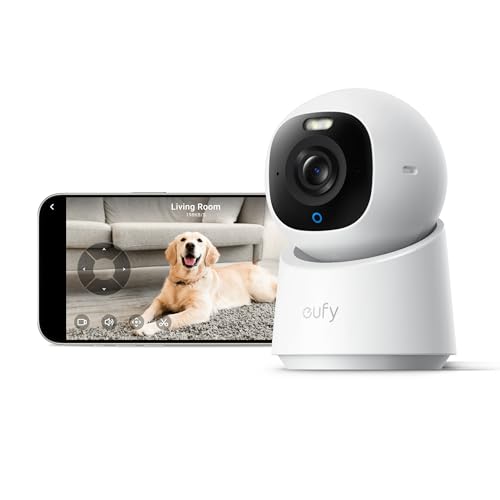
Compare camera types, features, and costs to choose the best cameras for apartment security for your rental layout, lease rules, and budget.
Apartment cameras come in so many shapes and price levels that picking one can feel confusing fast. The right choice depends on your lease, your layout, and whether you watch a front door, a living room, or a balcony. This guide explains how to choose best cameras for apartment security by comparing types first, so you match the camera to your space instead of paying for features you cannot use.
You will learn what premium, budget, and compact models each do well, and which specs actually matter in a rental. Use the comparison table below to scan the options side by side, then read on for the detail behind each type.


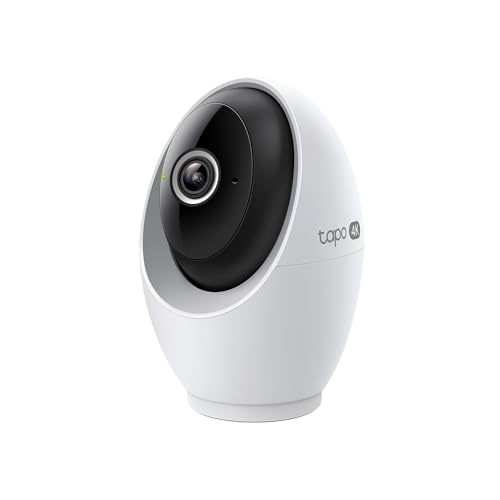
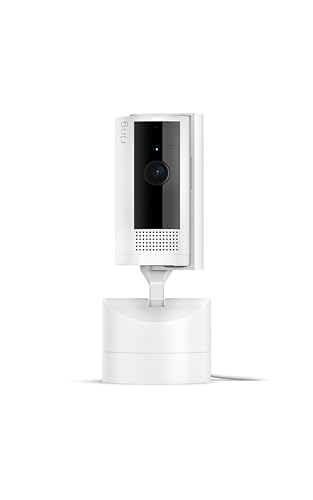
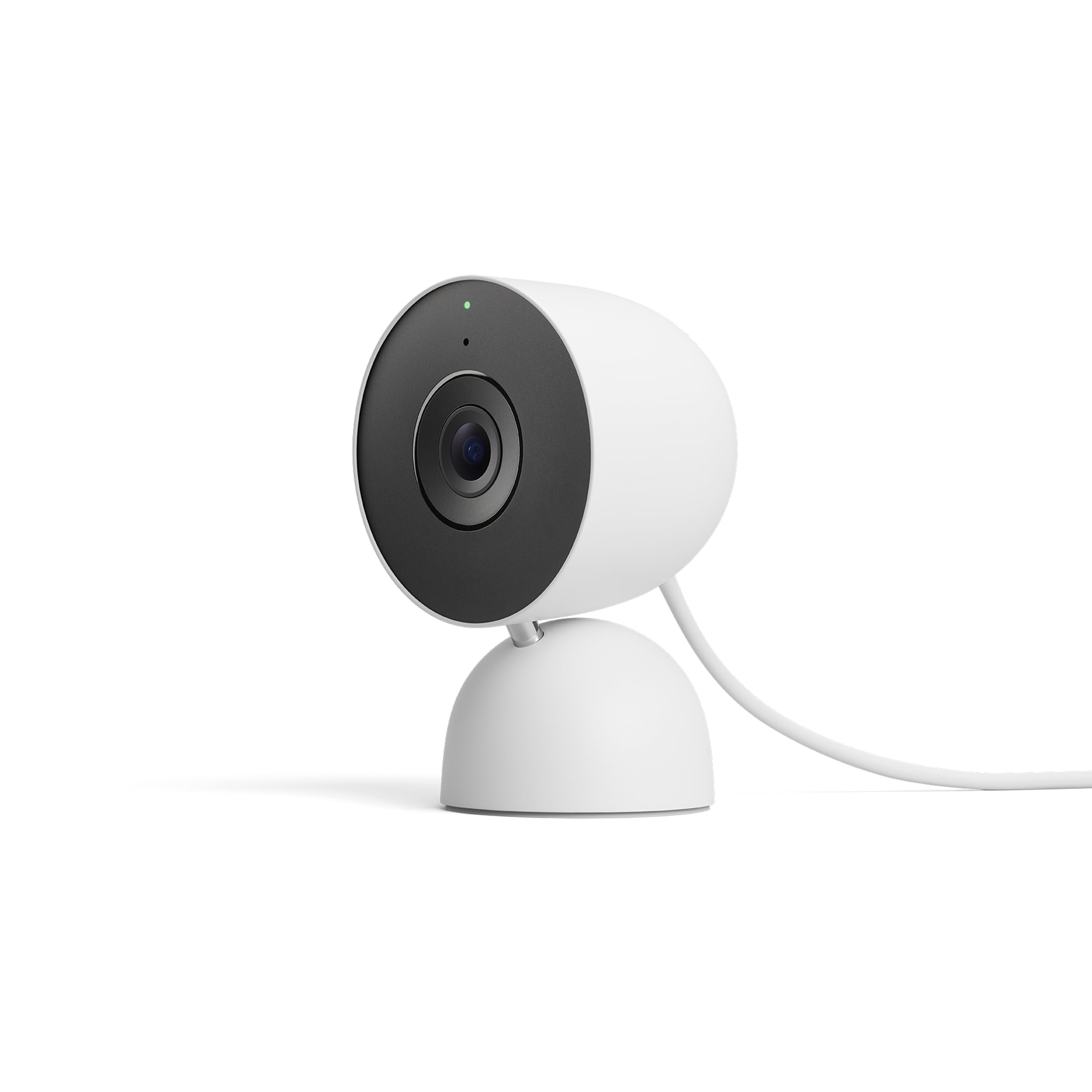
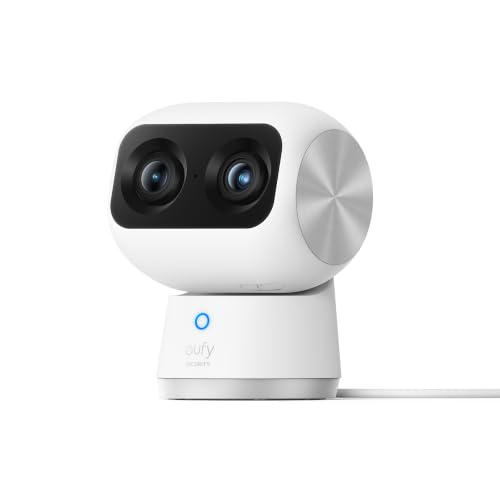
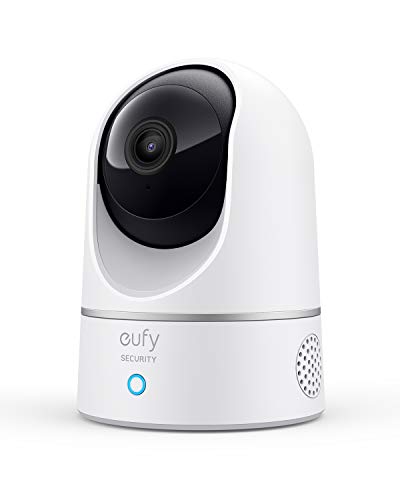
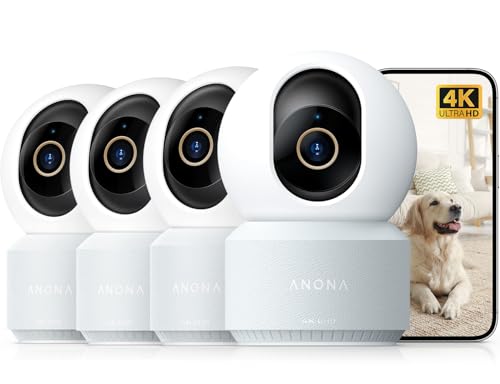
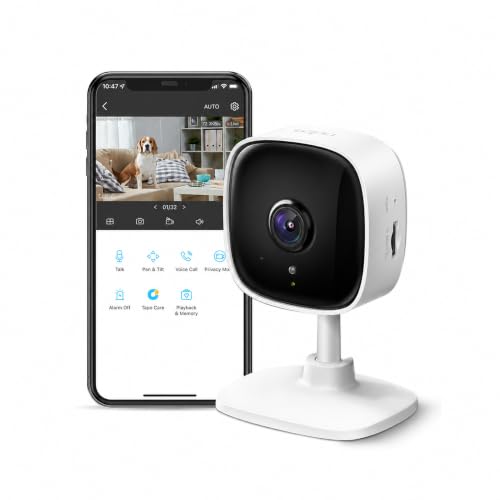

Types of Cameras Compared
Most apartment cameras fall into a few clear types. Indoor models sit on a shelf or mount with adhesive and watch a room. Door focused models watch your entry from inside or replace a peephole viewer. Small outdoor models watch a balcony or patio where your lease allows them. Within each type, price tiers change image quality, alert accuracy, and storage costs more than the basic job.
Battery models suit renters because they need no wiring and move with you, while plug in models never need charging but need a nearby outlet. If you want a fully cord free setup, see our guide to the best wireless security cameras for apartments for how that choice affects charging and placement.
Premium Options
Premium apartment cameras usually offer sharper video, wider views, and smarter alerts that tell a person apart from a pet or a moving shadow. That accuracy matters in a small home, where a camera sees daily life at close range and could otherwise alert you all day. Premium models also tend to have stronger apps and better night vision for dark hallways.
The trade off is cost. Advanced alerts and longer video history often sit behind a monthly plan, so the true price grows each year. Choose this tier if you rely on alerts while you travel, watch a door that opens to a shared hall, or want clear faces at night rather than a general sense of movement.
Budget Options
Budget apartment cameras cover the basics well. You still get live viewing, motion alerts, night vision, and two way audio in most cases, which is enough to check on a pet, confirm a delivery, or see who knocked. Video is usually less sharp at a distance, and person detection may be basic or missing, so expect more alerts from light changes and passing movement.
Build quality and app polish vary more at this level, and some models push cloud plans hard because local storage is limited. Choose a budget model if your goal is awareness rather than identification, or if you want to try a camera for the first time before spending more. Many renters start here and upgrade only the door camera later.
Compact Options
Compact cameras are small indoor models built to blend into a shelf, a desk, or a corner without drawing attention. Their size suits studios and shared apartments, where a large camera can feel intrusive and space is limited. Some compact models rotate to follow movement, which lets one camera cover a room that would otherwise need two fixed views.
Small size brings limits. Tiny cameras can have narrower views, weaker speakers, and shorter battery life, and many are plug in only. Choose compact if discretion and space matter most, and place it where its view covers your door rather than the whole room in perfect detail.
Premium Options vs Budget Options: Which Should You Choose?
Start with the job, not the price tag. That balance is what separates the best cameras for apartment security from models built for houses with yards and wired power. For identification at your door, premium video and person alerts earn their cost. For a simple room check, a budget camera gives you the same live view and recording basics for far less money.
Next, compare total cost over two years. A premium camera plus a plan can cost twice its shelf price over time, while a budget model with a memory card may cost little after purchase. Then compare night vision and audio, since apartment doors often open onto dim halls, and weigh warranty length, because a camera moved at each lease change takes more handling than one fixed in a house.
If your building has shared entries and package theft is your main worry, see our guide to the best security cameras for apartment complex to understand what building level coverage adds beyond your own door.
How to Choose the Right Camera
Intended Use and Who It Is For
Name the one spot the camera must watch before you shop. For most renters, that spot is the front door, because it records arrivals, deliveries, and anyone entering while you are away. If your door opens to an interior hall, an indoor camera aimed at the entry works well. If you have a private balcony entry, that second door may matter just as much.
Your household shapes the choice too. Pet owners need alerts that can ignore animals. Roommate households need clear privacy controls, such as a physical cover or a schedule, so the camera records only when everyone is out. Solo renters who travel need reliable alerts and battery life above all else.
Features That Matter for Apartment Security
Apartment living adds rules that house shoppers never face. Your lease may ban drilling, exterior mounting, or recording shared halls, so favor adhesive mounts and shelf placement that leave no marks. Always get landlord approval in writing before you mount anything outside your unit.
Privacy for neighbors matters as much as your own security. Aim cameras inside your unit or at your own door, and avoid recording a neighbor door or shared spaces beyond what your lease and local rules allow. Two way audio helps you speak to a delivery driver, while a privacy mode helps guests feel at ease. If your lease permits a balcony camera, see our guide to the best outdoor security cameras for apartments for placement and weather points that indoor models never raise.
Key Performance Specs
Resolution decides how much detail you can use later. For a small room, standard high definition video is often enough to confirm what happened. For a door view where faces matter, higher resolution helps you identify a person a few feet away, as long as lighting is good. A clear lens and good placement beat raw pixel counts.
Field of view decides how much of the room one camera covers. A wide view suits a studio, but very wide lenses can distort faces near the edges, so center your door in the frame. Night vision range matters in windowless halls, and alert speed matters everywhere. Check that your WiFi signal reaches the camera spot, since weak signal causes dropped clips and delayed alerts.
Storage is the last core spec. Cloud storage keeps clips safe if the camera is taken, but it needs a plan after any trial ends. Local storage on a memory card avoids monthly fees, yet clips can be lost with the camera.
Build Quality and Materials
You will handle your camera during moves, cleaning, and battery charging, so look for a solid housing, a stable stand or mount, and covers that feel firm rather than loose. A rotating base should hold its position, not drift downward over a week.
Materials also affect placement. Indoor only plastics belong away from steamy bathrooms and greasy kitchen air, which can fog a lens over time. A camera rated for outdoor use has sealed edges that resist rain and dust on a balcony. Cable quality matters for plug in models, because a short cord limits placement.
Warranty and Customer Support
A longer warranty protects you against dead pixels, failed batteries, and mounts that crack. Read what it covers before you buy, since accidental damage and battery wear are often excluded. Keep your receipt and register the camera if the maker asks, so a claim is simple later.
Support quality shows up in firmware updates and clear setup guides, and updates patch flaws as phones change. Also check the return window where you buy, since a camera that performs poorly on your WiFi is easier to return than to fix.
Renters who may later move sometimes ask how unit cameras differ from whole property systems. See our guide to the best security cameras for apartment building for that picture, and our guide to the best security cameras for house if you expect to move to a house.
Common Mistakes to Avoid
- Mounting a camera outside your unit without written landlord approval, which can cost you your deposit and force removal.
- Aiming a camera at a neighbor door or shared hall, which can breach your lease and local privacy rules.
- Buying a wired outdoor camera for a rental with no outlet or drilling rights, which leaves you unable to install it as planned.
- Ignoring plan costs when you compare prices, which can make a cheap camera the most expensive one you own within two years.
- Placing the camera too high or behind glass at night, which ruins face detail and causes glare that blinds the sensor.
- Using a weak or shared password on the camera account, which puts your live view and recorded clips at risk.
Care and Maintenance Tips
Read the manual before first use, because apartment cameras differ in how they pair, update, and reset. Charge a battery model fully before you mount it. During setup, update the firmware right away and set a strong unique password with two factor sign in if the app offers it.
Clean and inspect the camera regularly. Wipe the lens with a soft dry cloth every few weeks, since dust and kitchen film soften the image long before you notice. Check mounts and adhesive pads monthly, especially after hot weather, and confirm the view has not shifted. Store its box and charger in a dry place away from heat, so parts stay together when you move.
Review your clips and settings every few months. Delete old footage you no longer need, check the live view and alerts, and confirm that schedules still match your routine.
Apartment Security Cameras: Your Questions Answered
What features matter most in cameras for apartment security?
The features that matter most are reliable motion alerts, clear night vision, and mounting that fits your lease. Add two way audio for deliveries and a privacy mode for when you are home. One point many renters miss is alert zones, which let you watch only the door area of the frame and ignore movement elsewhere, cutting false alerts sharply.
How long does an apartment security camera last?
An apartment security camera typically lasts about three to five years of daily use. Battery models may need a new battery sooner, often after two to three years of frequent charging. Life shortens if the camera runs hot or stays in direct sun. A model with a replaceable battery usually stays useful longer than one sealed shut.
How much should you spend on an apartment security camera?
Plan on about $40 to $100 for a solid single indoor camera, and more for a premium door focused setup. Add the cost of any storage plan for a full year before you decide, since that fee can exceed the price gap between tiers. Spending more makes sense for face detail at the door, not for a simple pet check.
Which apartment security camera checks should you do before ordering?
Before ordering, confirm your lease rules, measure the spot, and check WiFi strength where the camera will sit. Check outlet distance for plug in models and door swing for entry views, so nothing blocks the frame. Also confirm the return window is long enough to try alerts for a few days in your own hall lighting.
How do you maintain an apartment security camera?
Maintain an apartment security camera by cleaning the lens, updating firmware, and checking alerts on a regular schedule. Charge or swap batteries before they run flat, since a dead camera during a trip is a common and avoidable failure. Once a year, review who has app access and remove old roommates or guests.
Are expensive apartment security cameras worth the cost?
Expensive apartment security cameras are worth the cost when you need accurate person alerts and clear faces at your door. They are harder to justify for a small studio where a basic camera already sees the whole space well. Premium detail pays off most when the subject stands several feet away in poor light.
Our Verdict
Choose by type first, then by tier. Pick a compact or budget indoor camera for room awareness, and step up to premium alerts and sharper night vision for your front door, where identification matters most. Check your lease, your WiFi, and the full cost of storage before you order, and use the product table above to compare the options that fit those limits.
For most renters, the best cameras for apartment security are the ones you can install without damage, trust to alert you on time, and take with you when you move. Match the type to your space, and you will get real peace of mind without overpaying.


