
Best Cameras for Amateur Film Makers in 2026: Everything to Know Before Your First Purchase
Disclosure: We may earn a commission when you buy through links on this page, at no extra cost to you. As an Amazon Associate I earn from qualifying purchases. Learn more

Shopping for the best cameras for amateur film makers for the first time? Learn the terms, compare options, and avoid rookie mistakes with this easy guide.
Buying your first filmmaking camera feels exciting and confusing at once. The best cameras for amateur film makers are rarely the priciest models, but the ones that match your scenes, your crew size and your current skill. This guide starts with plain language basics, then explains the specs that shape your footage, so you can read the comparison table below clearly.
You will learn how sensor size changes your image, why sound matters as much as picture, and which controls help you improve faster. Short films, school projects and online videos all place different demands on a camera, and the sections below match each demand to the choices that serve it.





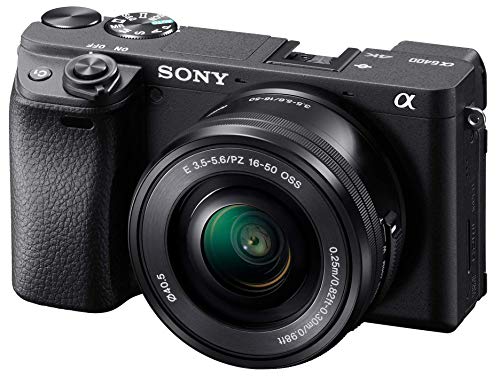
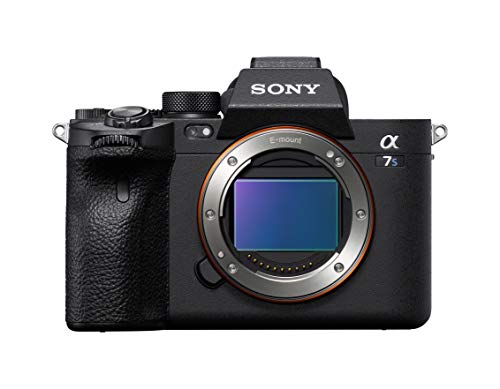
How a Filmmaking Camera Actually Works
A filmmaking camera records moving images and sound together. Light passes through the lens and lands on a sensor, which turns that light into a digital signal. The camera writes video files to a memory card while you watch on a screen. Exposure, focus and color settings decide how bright, sharp and natural each shot looks.
One point of confusion is the word film itself, since some beginners mean video and others mean still photos on analog film. This guide covers digital cameras for video work. If your heart is set on analog stills instead, see our guide to the best starter film cameras for a gentle start, our guide to the best film photography cameras for the broader picture, and our guide to the best cameras with film.
Who Should Buy a Filmmaking Camera?
Your best choice depends on the stories you plan to tell and on who helps you tell them. A camera that suits a dialogue scene in a quiet room can frustrate a solo creator on a windy hill. Match your plans to the groups below first.
Short Film Makers Who Shoot Dialogue Scenes
You film actors talking in rooms, cafes and other indoor spots where light is often dim. Clean sound matters most for you, so a microphone input and a headphone socket should top your list. A larger sensor helps in low light, and an angled screen lets a small crew share the view.
Working Alone in Front of the Lens
You set the camera down, step in front of it and perform alone, so the camera must do part of the crew work for you. A screen that flips to face you, autofocus that tracks your face and light weight matter more than raw power. An action camera can suit you for travel days and bike rides where a bigger body feels clumsy.
Students and Hobbyists Who Film Events and Travel
You shoot school projects, family events and trips, often with little time to set up. Simple auto modes, a modest size and long battery life serve you better than deep menus you never open. Choose a body that fits your everyday bag, since a camera you carry often gathers more footage than one left at home.
Key Features to Compare
When you compare the best cameras for amateur film makers side by side, work through the factors below in order. Each one changes your footage or your shooting day in a way you can picture before you spend.
What Sensor Size Does to Your Footage
The sensor is the chip that gathers light, and its size shapes your image more than any other single part. Small sensors around 1 inch suit compact bodies and bright days. APS C sensors balance size, price and low light skill. Full frame sensors are the largest common option and give the cleanest dim scenes. Megapixels matter less for video, since a 4K frame uses only about 8 megapixels.
Video Resolution, Frame Rates and Low Light Performance
Resolution counts the pixels in each frame, and 4K video carries about four times the detail of 1080p, which gives you room to crop later. Frame rate counts frames per second, and 24 gives the classic film look, 30 suits most online video, and 60 captures motion you may slow down. In low light, a larger sensor and a bright lens let you raise sensitivity with less grain.
Fixed Lenses, Swappable Lenses and Zoom Reach
Some cameras have a fixed lens, while others let you swap lenses for different scenes. Optical zoom moves glass inside the lens to bring distant subjects closer without losing detail, while digital zoom only crops the image and softens it. A wide view suits small rooms, and a longer reach suits stages. The aperture, written as an f number such as f/2.8, tells you how much light the lens admits, and a smaller number admits more.
Image Stabilization and Autofocus
Image stabilization steadies small hand shakes, either inside the body or inside the lens, and it helps most when you walk with the camera or hold long shots without a tripod. Autofocus for video should move smoothly and stay locked on a moving face rather than hunting. Face and eye detection help solo creators, while manual focus gives full control for planned scenes.
Size, Weight and Ergonomics
A camera you hold for hours must fit your hands as well as your bag. A deep grip, buttons you can reach without looking and menus you can learn all reduce mistakes on a busy day. Heavier bodies can feel steadier, but they tire your arms on long takes and add load once you pack a tripod and spare batteries.
Power, Charging and Day to Day Handling
Most cameras record for about 60 to 120 minutes per charge, and screens drain power faster on video than on stills. USB C charging lets you top up from a power bank between scenes, and a spare battery removes most range worry. For ease of use, look for clear auto modes, a touch screen and wireless transfer to your phone. A microphone input and headphone socket complete the kit.
Your First Setup Before the First Shoot
Your first hour with a new camera sets habits that protect every later shoot. Work through these steps before you film anything that matters.
- Charge the battery fully, insert the memory card and format the card inside the camera.
- Set resolution and frame rate, starting with 4K at 24 or 30 frames per second.
- Set white balance to match your light, or use auto and check skin tones on screen.
- Clean the front of the lens with a lens cloth, not your shirt, and keep the cap on between shots.
- Record a test clip, play it back with headphones and check focus and sound.
- Pack a spare battery and a spare card before you leave.
Common Mistakes to Avoid
These errors are common, and each one costs footage you cannot reshoot.
- Choosing a camera on megapixels alone leaves you with weak low light video and poor sound.
- Using digital zoom instead of moving closer softens detail that no edit can bring back.
- Buying a slow memory card can stop a long 4K recording mid scene and lose the take.
- Skipping a headphone check means wind noise and hum reach the final cut unnoticed.
- Carrying no spare battery ends your shoot early on the one day scenes run long.
Care and Maintenance for Filmmaking Cameras
Keep the lens clean with a soft cloth and a small air blower, and never wipe dry grit across the glass, since grit can scratch the surface. Keep caps on when you swap parts, and change lenses in a sheltered spot so dust stays off the sensor. If spots appear in the same place on bright footage, have the sensor cleaned by a service shop.
Store your camera in a padded bag in a cool, dry room, and let a damp camera dry fully before you close the bag. Weather sealing sheds light rain and dust, but it does not make a camera safe under running water. Charge batteries before a shoot rather than storing them full for months.
FAQ
What features matter most in cameras for amateur film makers?
Clean sound, steady footage and a sensor that handles indoor light matter most in cameras for amateur film makers. Add one point many guides skip, which is mounting. A standard tripod socket and a mount on top for a microphone or small light let your camera grow with your skills, so check for both.
What does 4K mean on a camera for amateur film makers?
4K means each frame holds about 3840 by 2160 pixels, four times the detail of 1080p. That extra detail helps in editing, since you can crop a wide shot into a closer one and still deliver sharp 1080p video. The trade off is larger files, so budget for bigger memory cards.
Is a smartphone enough instead of a camera for amateur film makers?
Yes, a smartphone is enough to learn story, framing and editing, and many first projects never need more. Its limits show up in dim rooms, at a distance and in windy sound. If you work alone and searched for the best cameras for amateur film maker options for a one person crew, a camera with a flipping screen and microphone input solves those problems.
Which camera type is better for low light filming?
A camera with a larger sensor and a lens you can swap is better for low light filming, since you can fit a bright lens with a small f number. Before you spend on either, try adding light first. One simple lamp near your subject often improves a dim scene more than any setting, and it costs far less than a new body.
What specs matter most for beginner film makers buying a first camera?
The recording limit matters most for beginner film makers, since some cameras stop each clip at about 30 minutes, which can split a long interview or play. Check that limit alongside battery life and card size. A camera that records your longest scene in one take saves you stitching clips together later and keeps sound in sync.
Our Verdict
Start with the sensor, sound and steadiness, since those three shape every scene you shoot, and let price come last. Use the product table above to check recording time and weight against your shortlist.
When you compare best cameras for amateur film makers with those points in mind, the right choice is usually clear. Buy the simplest camera that covers your scenes well, and spend the rest of your budget on light and sound.


