
Best Cameras for Advanced Photographers in 2026: A Clear Buying Guide
Disclosure: We may earn a commission when you buy through links on this page, at no extra cost to you. As an Amazon Associate I earn from qualifying purchases. Learn more

Compare cameras for advanced photographers by sensor size, autofocus, stabilization and lens choice, plus setup steps, budget advice and care tips.
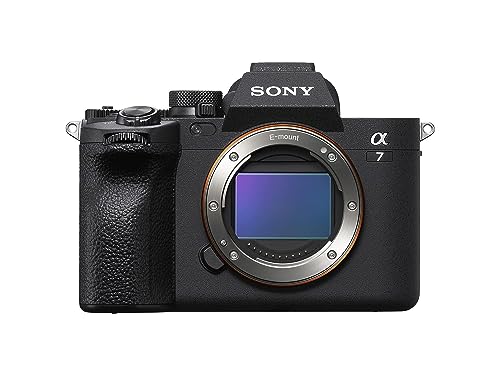
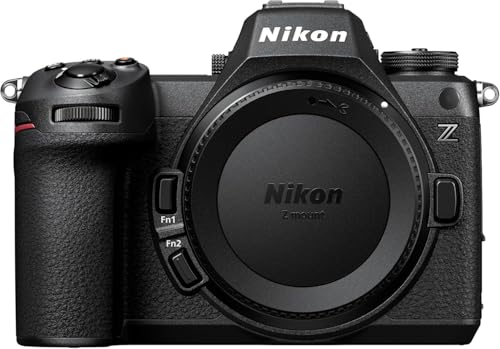
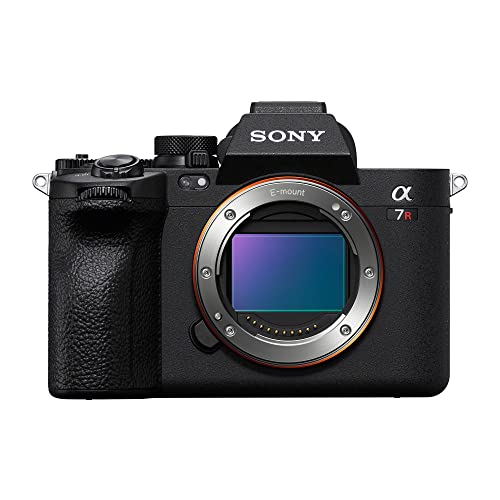
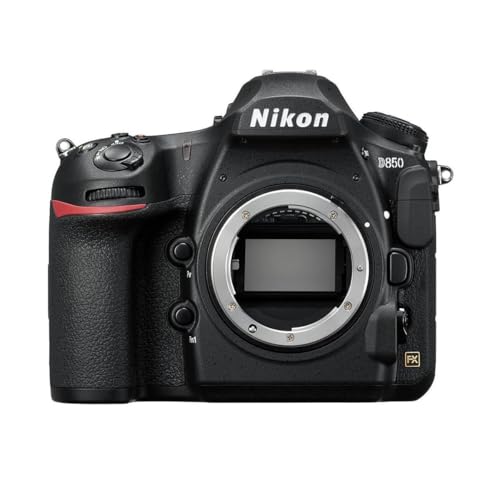
You already know exposure, focus and composition, so your next body has to reward that skill instead of limiting it. The best cameras for advanced photographers give you direct control, fast autofocus, strong low light files and a lens system you can grow for years. Use the comparison table below to match those strengths to the work you shoot most.
This guide keeps the focus on decisions that change your results in the field. You will compare sensor size, controls, stabilization and lens mounts, then set up a new body in a smart order and avoid the buying errors that waste a serious budget.




Who Should Buy Cameras for Advanced Photographers?
Buy at this level when your current body slows you down, misses focus or limits your lens choices. If your skills are still at an earlier stage, see our guide to the best cameras for amateur photographers first, because the step up in price only pays off once you shoot with intent.
Portrait and Wedding Photographers Who Need Reliable Focus
You shoot people who move, blink and turn away, often in mixed light and under time pressure. Prioritize eye detection that holds at wide apertures, dual memory card slots for backup as you work, and clean files at higher ISO settings. A quiet shutter mode also helps you work through a ceremony without distraction.
Landscape and Travel Photographers Who Need Range and Endurance
You hike to a location, wait for light and shoot in wind, dust or drizzle. Prioritize dynamic range for deep shadows and bright skies, a sealed body, and battery life that lasts a full day out. Weight matters on every climb, so balance sensor size against the lenses you will carry for hours.
Sports and Wildlife Photographers Who Need Speed
You track fast subjects at a distance and shoot in short, intense bursts. Prioritize a fast burst rate with a deep buffer, subject tracking that recognizes animals, birds or vehicles, and a lens mount with long telephoto options. A large grip and fast card writing speeds keep you shooting while the action continues.
Key Features to Compare
When you compare the best cameras for advanced photographers, judge the system as a whole rather than a single headline spec. Start with the sensor and focus system, then check the lens mount and handling. Our broader overview of the best digital cameras can help you place each body type in context.
How Sensor Size Shapes Detail and Depth of Field
Sensor size sets the ceiling for detail, depth of field control and low light quality. Full frame sensors gather more light per photo site and give shallower depth of field at the same aperture, which suits portraits and dim interiors. APS C sensors make bodies and lenses smaller and add reach for distant subjects, which suits travel and wildlife. Megapixel count matters less than many buyers expect, since about 24 to 33 megapixels already print large and crop well.
Subject Detection Autofocus and In Body Stabilization
Modern autofocus uses subject detection to find eyes, faces, animals and vehicles, then holds them as they move across the frame. Check how the system behaves at wide apertures and in dim light, since those moments decide many shots. In body image stabilization steadies the sensor for slower shutter speeds with still subjects, often by about five to eight stops in maker ratings. Stabilization cannot freeze subject motion, so pair it with shutter speed choices that match your subject.
Low Light Performance and Dynamic Range
Low light quality comes from sensor size, pixel design and the aperture of the lens you mount, not from the highest ISO number on a spec sheet. A body that holds clean detail and usable color at ISO 3200 to 12800 gives you real freedom at events and at dusk. Dynamic range matters just as much, because it decides how much shadow and highlight detail you can recover in a raw file. Judge files at the settings you actually use.
Lens Mounts and the Lens Ecosystem
The mount you choose decides which lenses you can buy for the next decade, so treat it as the biggest long term decision in this guide. Check that the system offers the focal lengths you need, from wide angles near 14 to 24 mm to telephoto zooms reaching 400 to 600 mm, plus fast prime lenses. Consider lens size, price and used availability, because most advanced photographers spend more on lenses over time than on bodies. Native lenses usually focus faster than adapted older lenses.
Controls, Viewfinder and Handling
Advanced bodies earn their price in daily handling, with dual dials, a focus joystick, custom buttons and menus you can shape around your habits. An electronic viewfinder with about 3.69 to 5.76 million dots shows exposure and focus aids before you shoot, while a tilting rear screen helps at low and high angles. Hold the camera before you buy if you can, since grip depth, button reach and menu logic decide how fast you work under pressure.
Durability and Weather Sealing
Weather sealing uses gaskets at doors, dials and the lens mount to keep dust and light moisture out during outdoor work. Sealing protects against drizzle and spray, not submersion or a downpour without cover. A magnesium alloy shell suits photographers who shoot weekly in rough conditions. Match the body with a sealed lens, because an unsealed lens leaves a clear path for moisture at the mount.
Getting Started: Setup and First Use for Advanced Photographers
Set a new body up in a deliberate order so your first shoot runs smoothly. Charge two batteries fully, format new memory cards in the camera, and update the firmware if the maker lists a newer version. Set the file format to raw, assign your main custom buttons, and save your core settings to a custom mode.
Next, check the kit at home. Check focus accuracy with your most used lens at its widest aperture and practice switching focus areas without lowering the camera. Wipe lenses with a clean lens cloth rather than clothing, and carry a spare battery and a second card on every shoot. If a partner is learning alongside you, see our guide to the best cameras for starting photographers for a simpler body.
Common Mistakes to Avoid
Serious budgets make these errors costly, so read them before you order.
- Buying a body with a lens mount that lacks the lenses you need leaves you stuck with costly workarounds later.
- Spending your whole budget on the body leaves nothing for the lens that decides sharpness and low light results.
- Choosing megapixels over autofocus quality gives you large files that still miss the decisive moment.
- Ignoring grip and button layout makes a powerful camera slow and tiring on long shoots.
- Trusting weather sealing in heavy rain without a cover risks moisture damage that warranties rarely cover.
- Skipping a second memory card slot for paid work risks losing a full session to one card failure.
Care and Maintenance for Advanced Cameras
Clean the sensor only when dust spots appear in plain areas like skies at narrow apertures, and start with a blower before any contact method. Keep the mount covered when you change lenses, point the body down to reduce dust entry, and store the kit in a dry place away from heat. Remove batteries during long storage.
Wipe the body and lens barrels with a soft, slightly damp cloth after shoots near salt water or dust, and dry everything before closing the bag. Check straps, lugs and tripod plates for wear each month, since a failed strap can drop the camera. Have a heavily used body serviced when dials or seals feel rough.
Frequently Asked Questions
What features matter most in cameras for advanced photographers?
Reliable autofocus, direct manual controls and a strong lens system matter most for advanced photographers. Add dual card slots if you shoot events you cannot repeat, and look for custom modes that store your setup for each job type. A responsive shutter with little lag also matters, because timing is a creative tool at this level.
Which sensor size is better for low light work in cameras for advanced photographers?
Full frame is better for low light work because its larger photo sites hold cleaner detail as ISO rises. The lens still decides much of the result, so a fast prime on APS C can beat a slow zoom on full frame in the same room. For regular night or event work, budget for at least one lens at f1.8 or wider alongside the body.
How many megapixels do advanced photographers need in a camera?
Most advanced photographers need about 24 to 33 megapixels for large prints, moderate cropping and fast file handling. Higher counts near 45 to 61 megapixels help with heavy cropping and very large display prints, but they fill cards and drives much faster. Choose the higher count only if your output size or cropping habits truly demand it.
Is a smartphone enough for advanced photographers instead of a dedicated camera?
No, a smartphone is not enough as the main tool for advanced photographers who need lens choice and manual control. Phones handle casual sharing well, but small sensors limit depth of field control, low light detail and telephoto reach. A dedicated camera also gives you raw files with far more editing room, plus flashes and lenses built for specific jobs.
How much should advanced photographers spend on a camera body?
Advanced photographers often spend about $1500 to $3500 on a body, then reserve a similar amount over time for lenses. A sound split puts roughly one third of a system budget into the body and the rest into glass, cards and batteries. One excellent lens usually improves results more than a flagship body with a basic zoom.
Final Thoughts
Choose the body whose sensor, focus system and lens mount fit the work you shoot most, then confirm that its grip and controls feel right in your hands. Speed, sealing and stabilization only help when they match your subjects and locations. Check the shortlist in the product table above against the factors that matter for your style.
With those priorities set, the best cameras for advanced photographers become a clear system choice rather than a spec contest. Buy the body and first lens as a pair, set them up with care, and let the kit grow around the photographs you actually make.


