
Best Cameras for Action Photos: A Buying Guide for 2026
Disclosure: We may earn a commission when you buy through links on this page, at no extra cost to you. As an Amazon Associate I earn from qualifying purchases. Learn more

Learn how to choose cameras for action photos by comparing shutter speed, focus tracking, sensor size, lens reach and card speed before you spend.
An action photo lives or dies in a single instant. A runner leaves the ground, a dog turns at full pace, a ball meets a bat, and the camera either freezes that instant cleanly or hands you a blur. Shoppers for best cameras for action photos often start with burst counts and pixel counts, yet the frame that matters is one still moment, caught sharp and well lit.
This guide works frame first. It puts shutter speed and light ahead of headline numbers, explains card and battery costs that follow fast shooting, and sorts camera types by the sport or subject you actually shoot. Use the comparison table below for the short version, then read the buying guide that follows before you spend. Prices and availability can change, so check the product page before ordering.


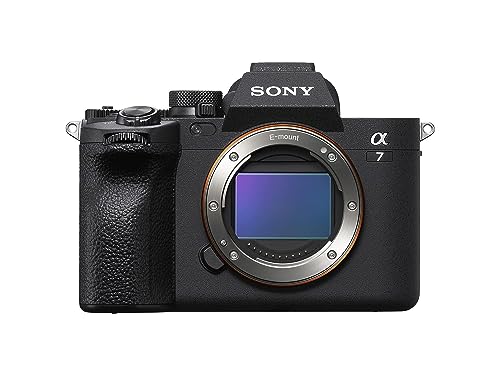

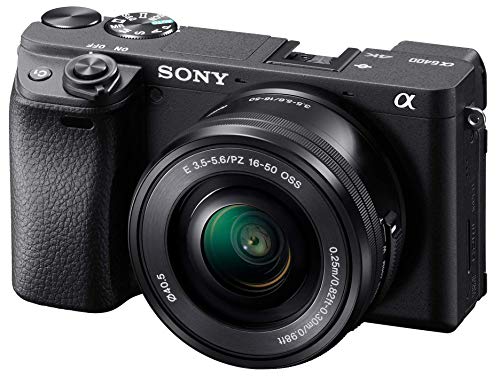

Camera Types and Price Bands at a Glance
Every type below can freeze movement, but each one spends your money in a different place. Some put the budget into the body and its focus system, while others put it into a long lens that is fixed in place. The wider family of stills cameras covered in our guide to best photo cameras includes portrait and landscape tools this guide leaves aside, because action work asks for speed before anything else.
| Type | Best For | Strengths | Limits | Typical Price |
|---|---|---|---|---|
| Fixed lens compacts | Travel and sideline snapshots | Small body, ready at once, simple menus | Small sensor, lens cannot change | about $300 to $700 |
| Mirrorless cameras | School sport and active families | Strong tracking focus, changeable lenses | Lens and cards add to the body cost | about $600 to $1,500 |
| DSLR cameras | Stills shooters with used lenses | Optical viewfinder, deep pool of lenses | Bulk, live view focus can lag | about $500 to $1,200 |
| Bridge cameras | Field sports from the stands | Very long zoom in one body | Small sensor, soft results in dim light | about $400 to $900 |
Entry Bands for Casual Action
Cameras at about $300 to $700 suit daylight games, park play, and travel moments where the subject stays fairly close. Expect a fixed lens or a basic kit lens, a modest burst rate, and focus that handles steady movement better than sudden changes of direction. Buy here when action is one part of your shooting, and keep money aside for a spare battery and a fast card.
Middle Bands for Regular Sport
Cameras at about $700 to $1,500 are where action shooting becomes reliable rather than lucky. Tracking focus follows a subject across the frame, burst depth lasts longer before the camera slows, and larger sensors hold detail as the light falls late in the day. Most school sport, club racing, and wildlife outings are well served in this band.
Upper Bands for Serious Speed
Cameras above about $1,500 buy speed and stamina rather than a different kind of picture. You get faster readout, deeper buffers, tougher sealing, and focus systems that hold a subject through clutter and crossing movement. These bodies make sense for shooters who cover games every week or sell their work.
How to Choose: A Buying Guide That Starts With the Frame
Shutter Speed and Light Come First
Stated plainly, a still action photo is a shutter and light problem. The shutter must open and close fast enough to stop the subject, and that speed is useful only when enough light reaches the sensor to keep the exposure clean. Fast shutter settings such as 1/1000 to 1/4000 of a second are common needs for running, jumping, and ball sports. When light falls, the camera raises sensitivity or the lens must open wider, and both choices carry a cost in image quality.
For a posed sport, where an athlete repeats a known move at a known spot, the burst class matters less than the single frame class. One well timed frame at the right shutter speed beats a long burst taken from the wrong place at a slow speed. Stand where the action repeats, prefocus on that spot, and let timing do the work that buyers often ask a burst mode to do.
Burst Rate and the Honest Buffer
Maker figures for burst shooting are lab figures. They are measured with a fast card, a full battery, and settings chosen to make the number look its best, so everyday shooting usually runs slower and stops sooner. What matters in the field is how many frames the camera can take before it slows, and how long it needs to clear that backlog before the next play. A modest burst rate with a deep buffer serves most sports better than a headline rate that fades after a second.
Burst shooting also changes how you work. Long bursts at every play fill cards, drain batteries, and leave hours of sorting at home. Short, planned bursts at the peak of the action give you the keeper frames without the clutter.
Memory Cards Are a Running Cost
Fast shooting fills cards, and that simple fact shapes the real cost of an action camera. A body that shoots large files at speed can fill a card in a single game, so the card class is a running cost rather than a one time extra. Buy cards rated for the write speed your camera can actually use, and buy more than one. A spare card in the bag protects a whole outing when the first card fills or fails.
Card format matters too, because some bodies take costly card types that raise the price of every spare. Add the cost of two or three good cards to the body price before you compare offers, and budget for the full chain rather than just the camera box.
Autofocus That Tracks a Moving Subject
Action focus has one job, and that is to stay on a subject that will not stay still. Look for focus modes built for moving subjects, wide tracking areas for erratic movement, and a tighter area when you need to pick one player out of a group. Subject and eye detection help with people and animals, but you still need to start the tracking on the right subject.
Focus speed also depends on the lens. A fast focusing body paired with a slow kit lens will miss moments that a plainer body with a quick lens would catch, so favor the pairing whose lens focuses fast and quietly.
Sensor Size and Image Quality
Sensor size sets how a camera handles the dim light that fast shutter speeds create. A 1 inch sensor in a compact gives clean results in daylight and struggles as stadiums darken. APS C sensors balance size, lens cost, and low light results for most action shooters, while full frame sensors gather the most light and support the fastest glass at the highest cost. Pixel count matters less than this light gathering, because a sharp 24 megapixel frame beats a soft frame with twice the pixels.
Cropping is part of action work, since subjects are often farther away than the lens can reach. A larger sensor leaves more room to crop while keeping detail, but position beats cropping every time, so move closer where the rules and safety allow.
Lens Reach and Aperture
The lens decides whether the subject fills the frame and how much light the shutter has to work with. For field sports, reach in the range of 200 to 400 mm in full frame terms is the usual working zone, while court sports and indoor events call for shorter lenses with wider apertures. A wide maximum aperture, written as a low f number, feeds the fast shutter speeds action needs under lights. Zoom range is useful, but a zoom that goes dark at the long end can undo its own reach on a dull evening.
Fixed lens buyers should read the aperture at the long end of the zoom, not just the headline zoom figure. All of these cameras sit inside the wider class covered by our guide to best digital cameras, but an action shortlist should be built around lens reach and light.
Battery Life and Weather Sealing
Fast shooting, tracking focus, and a bright rear screen drain batteries quicker than stills shooting does. Plan on a spare battery for any full game or meet, and carry that spare in a warm pocket in cold weather. Charging through USB C helps at events, since a power bank can top up the camera between sessions.
Sealing matters because action happens outdoors in whatever weather the schedule sets. Weather sealed bodies and lenses shrug off light rain and dust, though sealing is resistance rather than a promise. A simple rain cover costs little, and you should wipe the kit dry before it goes back into the bag.
Cameras and the Classes Around Them
Point and Shoot Compacts
Point and shoot compacts trade control for speed of use, and for casual action that trade can be right. They start fast, fit in a coat pocket, and ask little of a family member handed the camera at a game. Their small sensors and fixed lenses limit them in dim halls and at long distances.
Instant Cameras as a Class Contrast
Instant cameras serve a different pleasure, printing a small keepsake seconds after the shutter fires. As a class contrast, our guide to best instant photo cameras covers cameras whose maker system is built around instant film packs, with fixed lenses and simple exposure made for portraits and parties. Their prints charm, but the class offers no burst, no long reach, and no fast shutter control.
Video First Cameras as a Class Contrast
Some cameras are tuned for moving pictures first and stills second. Our guide to best action video cameras covers that sibling class, where frame rates, heat limits, and stabilization for footage lead the design. Such a camera can grab a still, yet its controls and file handling favor the clip over the single frame.
Wearable Action Cameras in One Sentence
Small rugged units sold as best action cameras form a separate class that is built to ride with the subject and record the scene, rather than to frame a chosen still moment from a distance.
How to Make Your Camera Last Longer
- Clean the front glass with a proper lens cloth rather than a shirt, since fabric drags grit that can mark the coating.
- Carry a spare battery and rotate the pair, so neither battery sits empty in the bag for months at a time.
- Store the camera and lenses in a dry padded bag, away from heating vents, damp floors, and car boots that bake in the sun.
- Update the camera software when the maker offers focus improvements, and check the release notes before a big event rather than on the day.
- Use a strap or wrist loop at every game, because the most common action camera damage comes from a simple drop on concrete.
Cameras: Your Questions Answered
What features matter most in cameras for action photos?
Fast shutter control with clean high sensitivity results matters most, followed by tracking focus that holds a moving subject. Those two decide whether the key frame is sharp at all. Burst depth, lens reach, and card speed support them in that order. One point this guide leaves aside is the viewfinder, so check that it stays clear and lag free while you pan.
How much should I spend on my first action camera?
Plan about $500 to $1,000 for a first action setup, with part of that held back for a lens, cards, and a spare battery. Spending the full amount on a body alone leaves the parts that action shooting consumes unfunded. A used body from the middle band often beats a new entry body for sport, because focus systems age more slowly than screens and menus do.
Which camera class is better for low light action?
A larger sensor class is better for low light action, because it keeps files clean at the high sensitivity settings that fast shutters demand. Full frame bodies lead, APS C bodies follow closely, and small sensor compacts fall behind as halls darken. Lens aperture can close much of that gap, so a fast lens on a smaller body can match a slow lens on a bigger one. Spend on glass before you climb a sensor class.
Is a smartphone enough for action photos instead?
A smartphone is enough for close, well lit action such as playground play or a pet in the garden. Its limits show at distance, in dim light, and when you need a burst you can sort frame by frame, because the lens is fixed and wide. Many shooters start with a phone to learn timing, then buy a camera when reach becomes the problem. That order is sound, since timing skill transfers to every camera you will ever own.
What specs matter most for beginners shooting sport?
Beginners should read the shutter range, the tracking focus modes, and the card type before any other specs. Those three decide whether the camera can attempt the shot, follow it, and store it. Ignore headline zoom figures and pixel counts until those basics are covered. One beginner point worth adding is weight, because a kit you can hold steady through a full match will outshoot a heavier kit left in the bag by the second half.
Final Thoughts
Choose by the frame, not by the headline. Put shutter speed and light first, read burst figures as lab claims, and budget for cards and batteries as the running costs they are. Match lens reach to your sport, use the product table above to sort types and price bands, and remember that position and timing beat burst volume. Chosen that way, the best cameras for action photos for your games is the one whose single frame you can trust.


