
Best Cameras for 500 or Less in 2026: A Buying Guide Without the Guesswork
Disclosure: We may earn a commission when you buy through links on this page, at no extra cost to you. As an Amazon Associate I earn from qualifying purchases. Learn more

Compare the best cameras for 500 or less by sensor, lens, autofocus and video, and learn how to keep cards, batteries and a bag inside your total budget.
A phone handles quick snaps well, but it gives you little control over focus, zoom or dim light. Choosing among the best cameras for 500 or less means sorting real gains from headline numbers. This guide shows which gains matter at this price, so you can read the comparison table below with a clear plan.
Start with how you shoot most often. A family camera needs fast focus and simple controls, while a travel camera needs reach and a small size. A new creator needs clean video and clear sound. The sections below match each need to sensor, lens, controls and total cost.


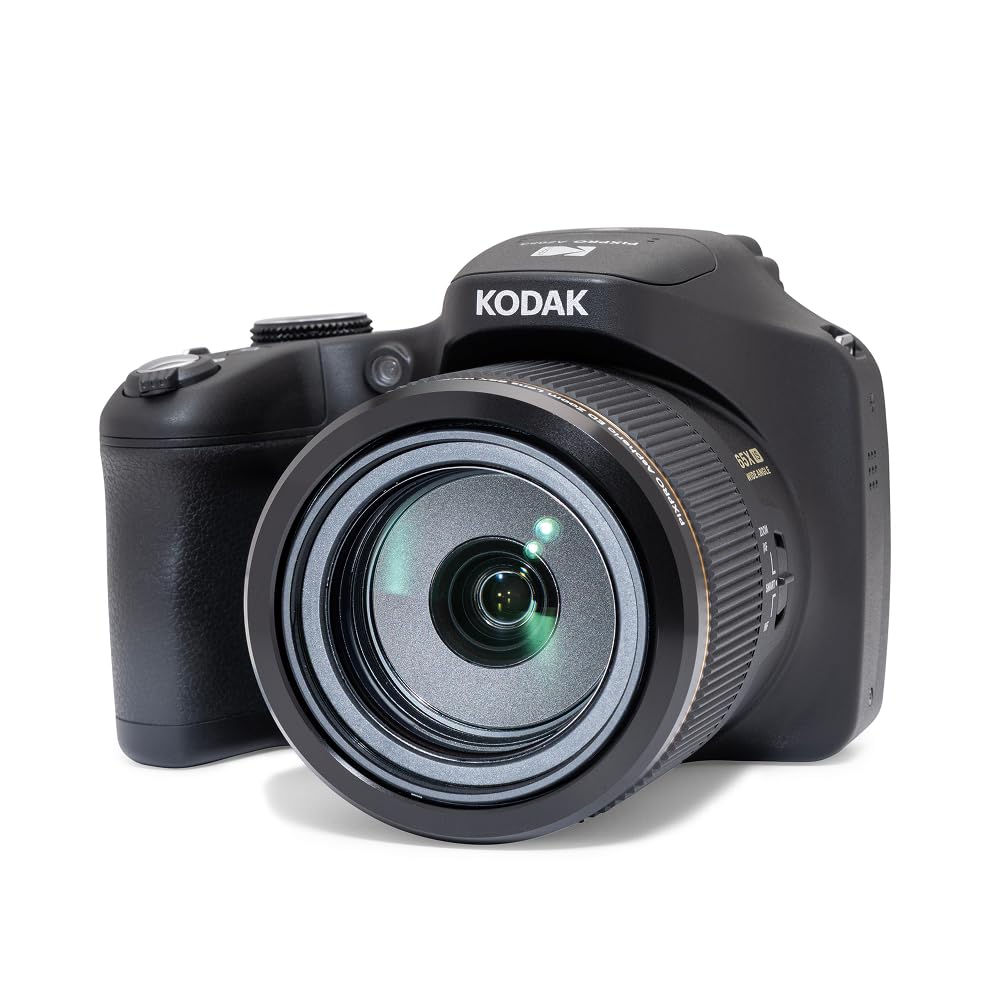
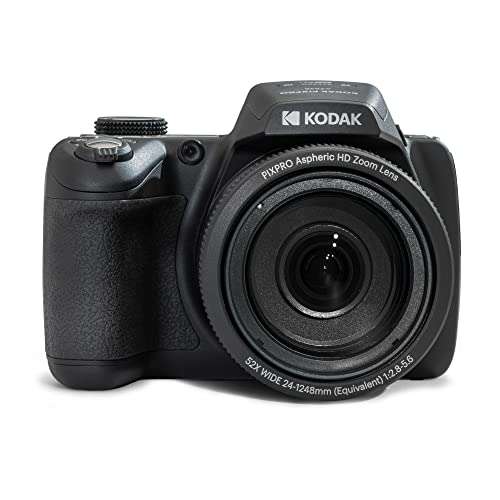


Who Should Buy a Camera for 500 or Less?
At 500 dollars or less, every choice trades one strength for another, so buy for your main subject.
First Time Buyers Stepping Up From a Phone
You want better detail and control without a steep learning curve. Choose a camera with a helpful auto mode, clear menus and a guided screen that explains settings in plain words. A kit lens covering wide scenes and portraits lets you learn framing first. Leave room for a card and a spare battery.
Families and Travelers Who Want Real Zoom
You shoot birthdays, school events and trips, often from a seat where you cannot move closer. Choose optical zoom or a kit lens with useful reach, plus stabilization that keeps handheld shots steady. Fast focus matters for children and pets who rarely hold still. A compact body helps, because a camera left at home takes no pictures.
Students and New Creators on a Tight Budget
You need video for class projects, social posts or a small channel, and the body alone cannot use the whole budget. Choose a flip screen you can see while recording, a microphone input if you film talks, and simple phone transfers. Plan for a card, a small tripod and a basic microphone inside the same 500 dollars.
Key Features to Compare
When you shop for best cameras for 500 or less, the lens and sensor usually matter more than a long list of extra modes.
Sensor Size Choices at This Price Point
The sensor records light, and a larger sensor generally gathers more of it, which helps detail and dim scenes. Most cameras at this price use a 1 inch sensor in compact models or an APS C sensor in larger bodies, and both can beat a phone in poor light. Counts around 20 to 24 megapixels are plenty for prints and crops. Judge sensor size and lens quality together, because a high count on a tiny sensor adds file size without the same real detail.
Lens Choice, Optical Zoom and Aperture
The lens decides what you can frame and how much light reaches the sensor. A kit zoom often covers wide group shots through short portraits, which suits most new owners. Compact models list optical zoom, and that is the figure to trust, because digital zoom only crops the image. Aperture is shown as an f number, and a lower number lets in more light for indoor shots.
Focus Tracking and Steadier Shots
Autofocus speed and tracking decide how many moving subjects stay sharp. Look for face and eye detection for people, plus a tracking mode that follows a subject across the frame. Stabilization may sit in the body, in the lens or in both, and it reduces blur from hand movements at slower shutter speeds. It cannot freeze a running child, so pair it with a fast shutter.
Video Capabilities, Audio and Screens
Many cameras at this price record 4K video, but the details around video matter as much as the headline. Check whether 4K uses the full sensor width or a crop, because a crop narrows your view with the same lens. A screen that flips forward helps you frame yourself, and a microphone input lets you add clear speech that built in microphones rarely capture in wind.
Ease of Use, Transfers and Battery Life
Good controls help you change settings without losing the moment. A mode dial, a few direct buttons and a touch screen suit most learners well. Built in WiFi and Bluetooth let you send photos to a phone, though full size files move slowly. Battery ratings vary by screen use, so treat the stated shot count as a guide, and carry a spare battery on long days.
Build, Weather Sealing and Total Cost of Ownership
A solid grip and a body that feels balanced with its lens will serve you longer than a fragile body with more modes. Some models offer weather sealing that resists dust and light moisture when paired with a sealed lens, but sealing is not waterproofing, so keep it out of heavy rain unless it carries a clear rating. Count the full cost. A card, a spare battery and a bag can add about $50 to $120 inside your cap.
Types of Cameras You Can Buy for 500 or Less
Three types compete at this price. Pick the type first, then compare models inside it.
Mirrorless Cameras With a Kit Lens
Mirrorless models give you the largest sensors at this price and the option to change lenses later. A kit lens keeps the starting cost down and covers everyday subjects well. The trade off is size, because the body and lens take more bag room than a compact. Choose this type if image quality and growth matter most.
Pocket Compacts for Travel Light Kits
Compact models put the lens and body in one package that slips into a jacket pocket. Better ones use a 1 inch sensor and a bright lens, while travel models trade some brightness for a long optical zoom. You cannot change the lens, so check the zoom range and aperture first. Choose this type if you travel light and want a camera that is always with you.
Vlogging and Action Style Cameras
These models favor video, with flip screens, wide lenses and strong stabilization for walking shots. Some handle water and bumps, which suits outdoor trips. Still photos are usually good rather than great, and small sensors limit dim light results. Choose this type if you film yourself often.
Budget shoppers often compare across the wider 500 dollar shelf first. If you can stretch or wait for a sale, see our guide to the best cameras for 500 and our guide to the best cameras around 500. If your cap is firm, see our guide to the best cameras under 500 instead, and keep accessories inside that lower total.
Common Mistakes to Avoid
- Judging a camera by megapixels alone overlooks the sensor size and lens that shape image quality.
- Trusting digital zoom numbers leaves you with cropped, soft photos instead of real reach.
- Spending the whole 500 dollars on the body leaves no money for the card and spare battery you need.
- Ignoring the grip and menu layout makes a capable camera slow and frustrating to use.
- Assuming weather sealing means waterproof leaves a camera exposed to rain damage it was never rated to survive.
- Buying extra lenses before learning the kit lens spreads a small budget thin.
Care and Maintenance for Your Camera
Clean the lens with a soft lens cloth or a blower, never with a shirt that can drag grit across the glass. Keep a cap on the lens and store the camera in a dry, padded bag away from heat. Remove the battery during long storage. Blow loose grit off the body before you wipe it.
Update the camera firmware when the maker releases it, because updates can improve focus behavior and fix faults, and follow the maker instructions exactly. Format memory cards in the camera after you have copied your photos, which keeps the card matched to the camera. Replace a card that shows errors.
FAQ
What features matter most in a camera for 500 or less?
Sensor size, lens quality and autofocus matter most in a camera for 500 or less. Those three shape nearly every photo, while extra scene modes change little. Add one practical check before you buy. Hold the camera if you can, because a grip that fits your hand will decide how often you reach for it.
Which type of camera for 500 or less works best in low light?
A mirrorless camera with an APS C sensor usually works best in low light at this price. Pair it with the brightest aperture your lens offers and hold the camera steady to keep the ISO lower. Move your subject nearer a window or lamp first, because better light beats any setting and costs nothing.
Should you buy a camera for 500 or less with a kit lens or save for a second lens?
Start with the kit lens on a camera for 500 or less. It covers wide scenes, everyday subjects and portraits while you learn what you shoot most. After a few months, your photos will show the gap clearly, whether that is more reach, a brighter aperture or a wider view. Buying the second lens then rests on evidence, not a guess.
What specs matter most for beginners buying a first camera for 500 or less?
For a first camera, clear menus, a helpful auto mode and reliable autofocus matter more than top speeds or deep menus. A beginner also benefits from a screen that tilts for low and high angles. One often missed spec is weight with the lens fitted, because a heavy camera gets left behind on casual outings.
How much of a 500 dollar budget should a first camera buyer save for accessories?
Save about $50 to $120 of the budget for accessories. That covers a fast memory card, a spare battery and a padded bag, which are needs rather than extras. Buy the card first and check its speed class for 4K video, because a slow card can stop a recording even when the camera itself is capable.
Our Verdict
Match the type to your main subject, then judge sensor, lens and focus before extra modes. Keep the full kit inside your cap. Use the product table above to check sensor size, zoom, video and price.
Chosen that way, the best cameras for 500 or less stop being a gamble on headline numbers. You get a camera that fits your hands, your subjects and your budget, and one you will enjoy as your skills grow.


