
Best Cameras for 4K Videography at Every Price in 2026: What Your Money Really Gets You
Disclosure: We may earn a commission when you buy through links on this page, at no extra cost to you. As an Amazon Associate I earn from qualifying purchases. Learn more

Compare the best cameras for 4k videography by price tier, with clear guidance on sensors, stabilization, autofocus, audio inputs and ownership costs.
Camera prices stretch from a few hundred dollars to several thousand, and the gap is not always obvious on a spec sheet. The best cameras for 4k videography are the ones that spend your money on the sensor, the recording options and the audio tools you will actually use. This guide shows what each tier delivers, so you can read the comparison table below with confidence.
Start with the work you shoot most. A solo creator needs a screen that faces forward and autofocus that holds an eye. A wedding shooter needs two card slots and strong low light results. Match those needs to the tiers below before you look at price.


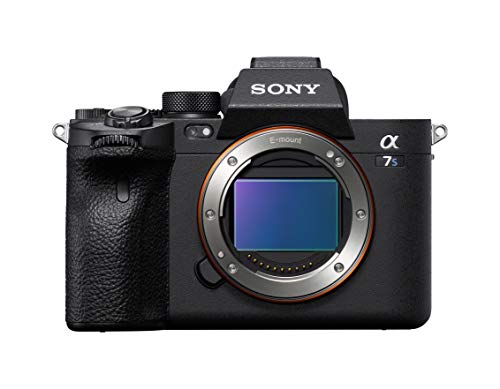

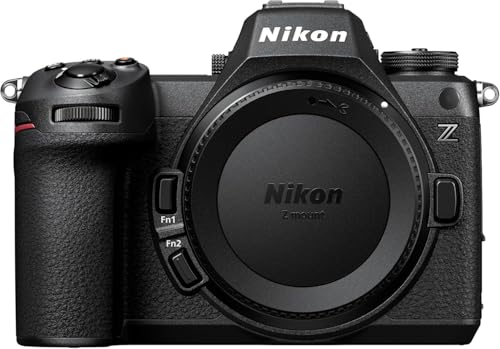

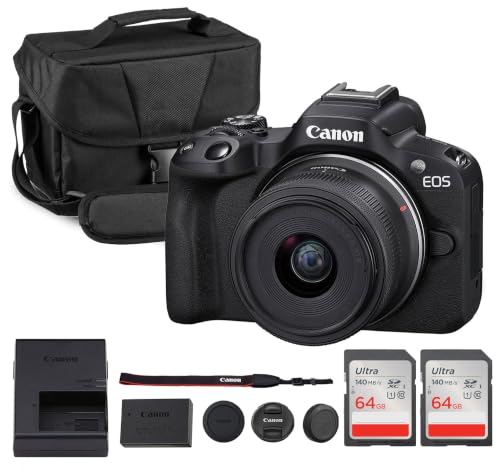
Who Should Buy Which 4K Videography Camera?
Solo Creators and Vloggers Who Film Alone
You set up, press record and perform with nobody behind the camera. Prioritize a screen that flips to face you, reliable eye autofocus and a microphone input for clear speech. Compact vlogging cameras and small mirrorless bodies suit this work well. Trust matters more than weight here, because a take you cannot monitor is a take you lose.
Hybrid Shooters Who Need Stills and Video
You shoot photos and video, so one body must serve both. Look for strong stills resolution alongside clean 4K recording, plus a lens mount with many affordable lenses. If this balance is your main goal, see our guide to the best cameras for photography and videography.
Event and Action Shooters Who Cannot Reshoot the Moment
You film weddings, games or wildlife where the key moment happens once. Prioritize fast autofocus tracking, image stabilization for handheld clips and dual card slots that write a backup at once. Action cameras suit rough and wet conditions. For fast moving subjects, see our guide to the best cameras for sports videography.
How 4K Video Quality Grows With Your Budget
If you mainly need 4K resolution in a stills first body, see our guide to the best cameras 4k as well.
Budget Tier: Clean Daylight 4K Around $400 to $800
At this level you get genuine 4K video, usually at 24 or 30 frames per second, from a smaller sensor such as Micro Four Thirds or a 1 inch sensor in a fixed lens body. Autofocus works well in good light, and most models include basic image stabilization. Expect trade offs in dim rooms and fewer audio ports.
Midrange Tier: Larger Sensors and Full Audio Around $900 to $1,800
This tier brings APS C or entry full frame sensors, 4K at 60 frames per second on many bodies and log profiles that hold more color detail for editing. Most models add a microphone input and a headphone jack, plus better heat handling for longer takes. This is where most serious creators find the best balance of price, lens choice and room to grow.
Premium Tier: Pro Color and Confident Low Light Around $2,000 and Up
Premium bodies add full frame sensors with excellent high ISO results, 10 bit recording and oversampled 4K with very fine detail. You also gain weather sealing, dual slots with fast card support and stronger cooling on video focused models. Pay this much when clients pay you, when you grade color heavily, or when dim venues are routine.
Key Features to Compare for 4K Videography
When you compare the best cameras for 4k videography on spec sheets, read in this order, because the first items shape image quality on every clip. If your needs lean toward general video work rather than 4K detail, see our guide to the best cameras for videography.
How Sensor Size Shapes Dim Light 4K Footage
Sensor size sets how much light the camera gathers for each frame. A 1 inch sensor keeps a body compact and works well outdoors, but grain rises fast indoors. APS C sensors gather more light and blur backgrounds more easily with the right objective lens. Full frame sensors gather the most light, so speeches in dim halls stay cleaner at high ISO settings. Megapixels matter less for video, because 4K needs only about 8 megapixels per frame.
Frame Rates, Crop and Image Stabilization
Standard 4K at 24 or 30 frames per second suits most work, while 60 frames per second lets you slow footage in editing. Check whether that higher rate crops the view, because some bodies use only the center of the sensor and your wide lens suddenly feels narrow. Image stabilization also matters here. Sensor shift systems steady handheld clips, lens based systems help with longer lenses, and electronic systems crop the frame slightly.
Video Autofocus You Can Trust While Recording
Good video autofocus holds focus on a face without pulsing or hunting when the subject turns. Eye detection helps solo creators and interview shooters, while subject tracking helps with children, pets and athletes. Touch focus lets you shift attention between two speakers smoothly. Judge any system with backlight and low contrast scenes in mind, because those conditions expose weak autofocus fastest.
Color Depth, Log Profiles and Resolutions Above 4K
Basic 8 bit recording is fine when you expose carefully and edit lightly. Log profiles record flatter color that holds more detail in bright skies and shadows, and 10 bit color gives smoother gradients when you grade that footage. Some cameras record 6K and scale it down to 4K, which adds sharpness. These tools reward editors who enjoy grading, while casual shooters often prefer pleasing color straight from the camera.
Microphone Inputs, Headphone Jacks and Screens
Built in microphones pick up room echo and handling noise, so a microphone input is one of the most valuable ports for speech. A headphone jack lets you hear problems during the take instead of after it. Check screen design too. A fully flipping screen suits solo filming, while a tilting screen feels sturdier on a tripod.
Battery Life, Heat Limits and Media Cards
4K recording drains batteries and generates heat, so makers list a record limit or a heat warning time for each mode. Long events need spare batteries or power from an external pack over USB. Media choice matters as well. High bit rate modes need fast SD cards with a V60 or V90 rating, or CFexpress cards on premium bodies, and slow cards stop recordings mid take.
Ownership Costs Beyond the Camera Body
The body is only the first payment. Lenses usually cost the most over time, and one versatile zoom plus one fast prime covers many shooters for years. Add fast cards, spare batteries, a microphone, a bag and a basic tripod, and a budget setup can grow by about $300 to $600. Premium systems grow faster, since full frame lenses and CFexpress cards cost more.
Common Mistakes to Avoid
- Buying on megapixel count alone leaves you with a stills strength that 4K video never uses.
- Ignoring crop at high frame rates turns your wide lens into a narrow one on the day you need slow motion.
- Skipping the headphone jack means audio faults reach you only after the event ends.
- Using slow memory cards makes high bit rate recording stop without warning mid take.
- Spending the whole budget on the body leaves nothing for the microphone and light that viewers notice most.
- Choosing a weatherproof claim without checking sealed dials and ports leads to damage in the first hard rain.
Care and Maintenance for 4K Cameras
Clean lens contacts with a blower and a soft cloth, and never touch the sensor surface. Store the camera in a dry bag or cabinet, because humidity grows fungus inside lenses over time. Format cards in the camera, and retire cards that show errors. After rain or dust, wipe the body before opening any port, so grit stays outside the seals.
Frequently Asked Questions
What features matter most in cameras for 4k videography?
Reliable autofocus, a sensor size that suits your light and a microphone input matter most in cameras for 4k videography. One point feature lists underplay is timecode, which helps you sync clips from two cameras in editing.
Which sensor size is better for low light 4K video?
Full frame is better for low light 4K video, because its larger pixels gather more light at the same setting. Lens choice can close much of the gap, since a fast prime on APS C often beats a slow zoom on full frame in a dim hall.
Is a smartphone enough instead of a 4K videography camera?
A smartphone is enough for casual 4K clips, short posts and travel moments you share at once. Its limits show up on longer projects, where fixed lenses and variable frame rate files complicate editing. Phones also need adapters for an external microphone. If you film weekly or sell footage, a dedicated camera earns its bag space quickly.
How much should I spend on a first 4K videography camera?
Spend about $600 to $1,200 on a first camera body if you plan to keep this hobby or side work for years. Reserve roughly a third of your total budget for a lens, a microphone and fast cards, because those pieces shape results as much as the body. A modest body with one good lens usually beats a costly body paired with a slow kit zoom.
What card speed does 4K videography recording need?
Most 4K modes need a card rated V30 at minimum, and high bit rate modes need V60 or V90 cards. Check the rating on the card rather than the read speed on the box, because sustained write speed is what recording depends on. Buy from known sellers, since counterfeit cards often report false capacity and fail during long takes.
What specs matter most for beginner 4K videographers?
Simple menus, guided auto modes and dependable autofocus matter most for beginner 4K videographers. A useful extra is an app that moves clips to your phone, because quick sharing keeps new shooters motivated. Start with one lens and learn exposure with it. Add a tripod before a second lens, because steady footage looks more professional right away.
Our Verdict
Buy by light, length and audio needs first, and by resolution claims last. Most creators belong in the midrange tier, where larger sensors, log color and full audio ports arrive without premium lens costs. Use the product table above to compare the best cameras for 4k videography against those three needs.


