
Best Cameras for 400 Dollars: A First Time Buyer's Guide for 2026
Disclosure: We may earn a commission when you buy through links on this page, at no extra cost to you. As an Amazon Associate I earn from qualifying purchases. Learn more

Shopping for the best cameras for 400 dollars for the first time? Learn the terms, compare options, and avoid rookie mistakes with this easy guide.
Buying your first camera feels confusing because every listing throws numbers at you before you know which ones matter. This guide slows things down, explains the terms in plain English, and shows you how to judge best cameras for 400 dollars by the photos you want to take rather than by the longest spec list. You will learn what a sensor does, why the lens matters, and which extras deserve part of your budget.
Start by scanning the comparison table below to see how models in this price range differ, then read on for the reasoning behind each spec. By the end, you will know which tradeoffs are normal at this price and which ones should send you back to the listings.





Cameras 101: The Basics for New Buyers
Every digital camera does the same basic job. The lens gathers light and focuses it onto a sensor, the sensor records that light as data, and the processor turns the data into a photo or video saved on a memory card. When a photo looks grainy or blurry, one of those parts reached its limit, most often the sensor in dim light or the lens at its longest zoom.
Three settings control how bright a photo turns out. Aperture is how wide the lens opening is, shutter speed is how long the sensor collects light, and ISO is how much the camera amplifies the signal afterward. Automatic mode balances all three for you, which is why beginners can get good results on day one. Manual controls let you override that balance later.
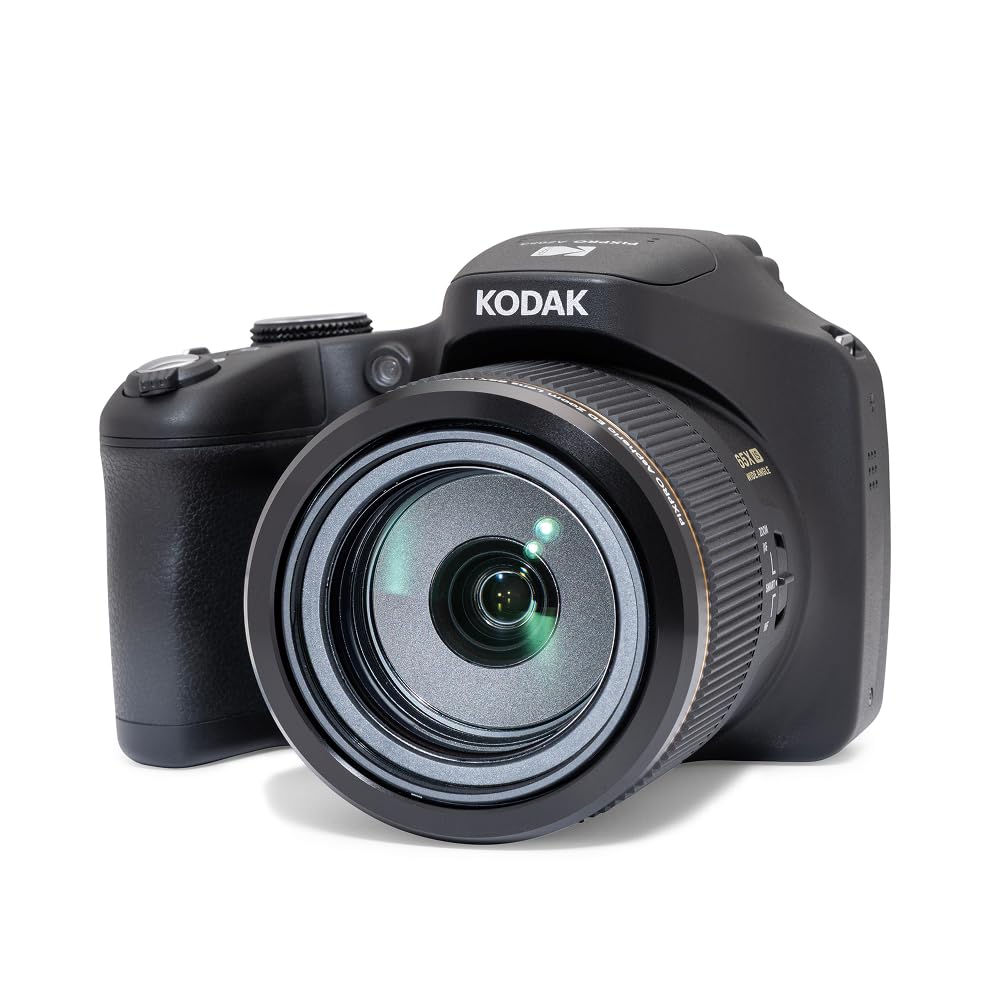
Cameras in this price range fall into three broad families. Point and shoot compacts have a fixed lens and fit in a coat pocket. Bridge cameras also have a fixed lens, but it zooms much farther. Interchangeable lens cameras let you remove the lens and swap in another one, which gives you room to grow but adds cost and bulk. For the wider picture across every budget, see our guide to the best digital cameras.
Key Specs Explained in Plain English
The sections below translate the numbers on a listing into what they mean for your photos. Read them alongside the product table above, and you will spot the difference between a capable camera and one that only looks impressive on paper.
Features That Matter for 400 Dollars
At this budget, expect a solid set of core features rather than flagship extras. Look for reliable autofocus that locks onto faces without hunting, image stabilization that steadies your hands, and raw file saving, which gives you more freedom when you edit later. A tilting screen helps with low and high angles. If your full budget must stay under this figure once a card and case are added, see our guide to the best cameras under 400 dollars for models that leave room for those extras.
Sensor Size and Image Quality
The sensor is the biggest factor in image quality, and its physical size matters more than the megapixel count on the box. Most cameras at this price use either a one inch sensor, common in better compacts, or an APS C sensor, common in interchangeable lens models. Full frame sensors are larger still but rarely appear in kits at this budget. A larger sensor collects more light per photo, so images stay cleaner in dim rooms and at dusk. Around 20 to 26 megapixels is plenty for large prints and cropping, and a higher count on a small sensor can hurt low light results because each pixel ends up smaller.
Lens and Zoom Range
The objective lens, the glass at the front of the camera, decides how wide or how close your view can be. Optical zoom means the glass itself moves to change the magnification, and detail stays sharp across the whole range. Digital zoom simply enlarges the middle of the image and throws detail away, so judge a camera by its optical zoom figure only. Brightness matters too: a lens with a lower f number lets in more light, which helps indoors and gives you softer backgrounds behind portraits. A moderate zoom that stays bright usually serves a beginner better than an extreme zoom that goes dim at the far end. Compact binoculars appear beside cameras in search results, but their numbers follow a different system, so never judge a camera lens by binocular labels.
Durability and Weather Sealing
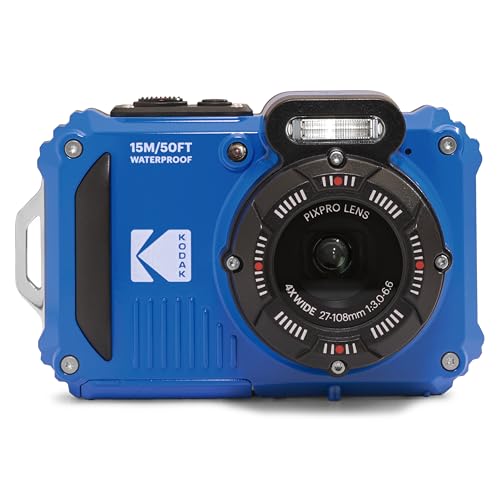
Weather sealing means gaskets around buttons, dials, and doors that slow down dust and splashes. A weatherproof rated camera can handle rain showers and beach spray with reasonable care, but sealing resists splashes rather than promising a swim. Unless a listing states a depth rating for underwater use, keep the camera out of pools and lakes. Also check the battery door and card door, the openings where moisture most often enters. A sealed body only protects you fully when the lens is sealed too, since one unsealed part leaves a gap.
Video Capabilities
Many buyers at this price record video often, and 4K video is now common in this bracket. Frame rate shapes the look: 30 frames per second suits everyday clips, while 60 frames per second looks smoother for sports and can be slowed down in editing. A microphone input matters if you plan to talk on camera, because room echo and wind noise ruin more clips than soft focus does. A screen that flips to face you helps you frame yourself for vlogs and lessons. Stabilization matters for video too, since walking footage shows every small shake.
Matching a Camera to How You Will Shoot
The right choice depends less on specs than on your habits. The three groups below cover most first time buyers weighing the best cameras for 400 dollars, and each group should weight the specs above differently.
Families and Travel Shooters
If your camera will chase kids, birthdays, and trips, speed and simplicity come first. Choose a compact with fast startup, dependable face detection, and strong automatic modes. A camera that fits a jacket pocket goes everywhere, while a bulky kit stays at the hotel. Built in flash is genuinely useful for this group at indoor gatherings.
Students and New Creators
If you are learning photography on purpose or starting a small channel, prioritize controls you can grow into. A camera with manual exposure settings, raw files, a flip screen, and a microphone input will keep teaching you for years. Interchangeable lens models suit this group because a second lens later costs less than a whole new camera. To compare digital models in this same budget, see our guide to the best digital cameras under 400 dollars.
Nature and Sports Watchers
If you photograph birds, wildlife, or your kid's soccer games from the sideline, reach and tracking come first. A bridge camera with a long optical zoom brings distant subjects close without extra lenses, and continuous autofocus that follows a moving subject matters more than megapixels for this group. Burst shooting, which fires several frames per second, raises your odds of one sharp frame from a fast sequence. Expect to trade some low light strength for that reach, since long zoom lenses gather less light.
Rookie Mistakes to Avoid
Most beginner regret comes from a handful of repeat errors. Watch for these before you order.
- Chasing the highest megapixel count, which can leave you with noisy dim light photos despite the impressive number on the box.
- Spending the entire budget on the camera alone, which leaves nothing for the card, spare battery, and case you need first.
- Choosing the longest zoom without image stabilization, which makes distant subjects blur from normal hand movement.
- Ignoring size and weight, which leads to a capable camera sitting at home while your phone takes every photo.
- Skipping the return policy details, which can strand you with a grip or menu layout that never feels comfortable.
Getting Started: Setup and First Use
When the box arrives, charge the battery fully before you explore menus. Insert the memory card and format it inside the camera rather than on a computer, since the camera sets up its own folder system, and this habit prevents card errors later. Set the clock and date right away, because correct dates make your photo library searchable for years. Then attach the strap before the first outing, not after the first scare.
For your first session, stay in automatic mode and shoot twenty or thirty frames around your home and yard, indoors and out. Review them on a computer screen at full size, not just on the camera display, and note which ones went blurry or dark. Those failures teach you your camera's limits faster than any manual chapter. If this whole budget feels like a stretch, see our guide to the best cameras for 300 dollars to learn which features you give up by spending less.
Care habits start on day one. Clean the front glass with a soft lens cloth, never your shirt, because shirt fabric can drag grit across the coating. Keep the lens cap on during transport, store the camera in a dry place away from steamy bathrooms, and carry a spare battery so a dead battery never ends a day early. Keep your photos in two places, such as a computer and a separate drive, because cards do fail.
Frequently Asked Questions
What features matter most in cameras for 400 dollars?
Autofocus speed, sensor size, and image stabilization matter most because they decide how many of your photos come out sharp and clean. Beyond those three, look at how the camera handles in your hands and whether its menus make sense to you during a short trial. A slightly weaker model that you understand fully will beat a stronger model whose settings confuse you.
How much of a 400 dollar camera budget should go to extras?
Plan on about 10 to 15 percent of your budget for the extras that make the camera usable every day. That share covers a fast memory card, a spare battery, a padded case, and a simple strap upgrade. Buying them with the camera means it is ready for a full day out the moment it arrives.
Which camera sensor size handles low light photos best?
The largest sensor you can afford handles low light best, so an APS C model generally beats a one inch compact after dark. Technique helps almost as much as hardware: hold the camera against a wall or rest it on a table to steady it, and let the shutter stay open longer. Raising ISO works too, but very high settings add grain, and a slightly grainy photo beats a blurry one.
What camera specs matter most for beginners?
Beginners should weight autofocus reliability, a clear and bright screen, and simple menus above exotic specs like extreme burst rates. A helpful extra worth checking is the quality of the automatic scene modes, because good scene modes teach you what settings suit portraits, landscapes, and sports while you still shoot on automatic. Real differences at this price show up in handling and lens quality far sooner than in headline numbers.
Is a smartphone enough instead of a dedicated camera for 400 dollars?
A smartphone is enough if you only share photos on social apps and rarely print or shoot in dim light. A dedicated camera earns its cost when you want real optical zoom, larger prints, better indoor photos, or physical controls that work with gloves and wet hands. A camera also shoots all day without draining the phone you need for maps and messages.
Should a beginner choose a fixed lens compact camera or an interchangeable lens camera?
Choose a fixed lens compact if you value small size and zero extra spending later, and choose an interchangeable lens model if you expect your interest to grow into portraits, sports, or close subjects that each favor a different lens. Also weigh lens cost over time: a modest body with money reserved for a second lens often ends up more capable than a costly body paired forever with its kit lens.
The Bottom Line
For a first camera, let sensor size, lens quality, and handling guide your decision, and let the spec sheet contests go. Match the camera family to how you will actually shoot, reserve part of the budget for a card, a spare battery, and a case, and use the product table above to compare the models that fit your group. Chosen that way, the best cameras for 400 dollars give you years of sharp, satisfying photos and skills that carry to every camera you own next.


