
Best Cameras for 200 Dollars in 2026: Types Compared and How to Choose
Disclosure: We may earn a commission when you buy through links on this page, at no extra cost to you. As an Amazon Associate I earn from qualifying purchases. Learn more

Compare compact, bridge, action, vlogging and used interchangeable cameras to find the best cameras for 200 dollars for the way you shoot most often.
Two hundred dollars buys five genuinely different kinds of camera, and picking the wrong kind hurts more than picking the wrong model. This guide to the best cameras for 200 dollars compares each type side by side, with the trade offs stated plainly. The comparison table below sums up the types, and the sections after it explain which type fits the way you shoot.
The honest starting point is that type classes split this purchase completely. A compact, a bridge camera, and a used interchangeable lens camera at the same price answer different needs, share almost no strengths, and fail in different ways. Decide the type first, using the table and the notes below, and the model choice inside that type becomes a short and simple list.

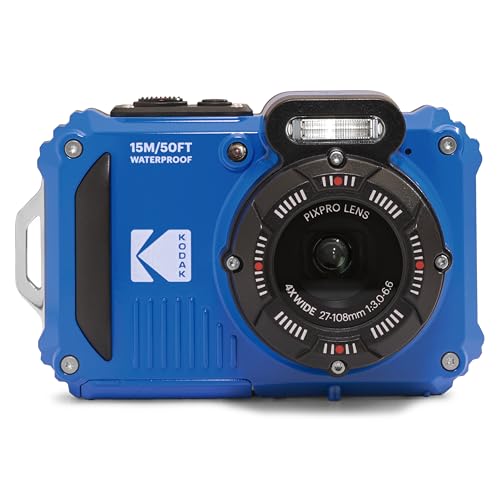

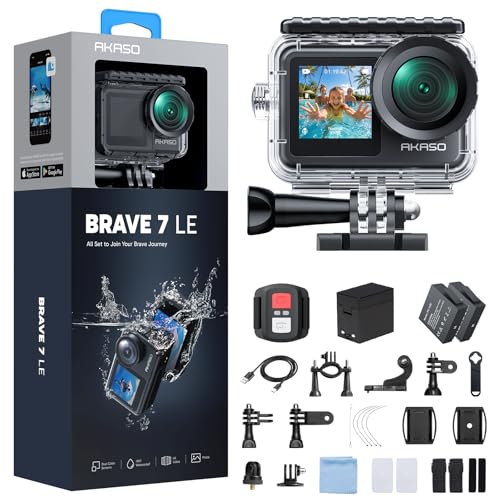

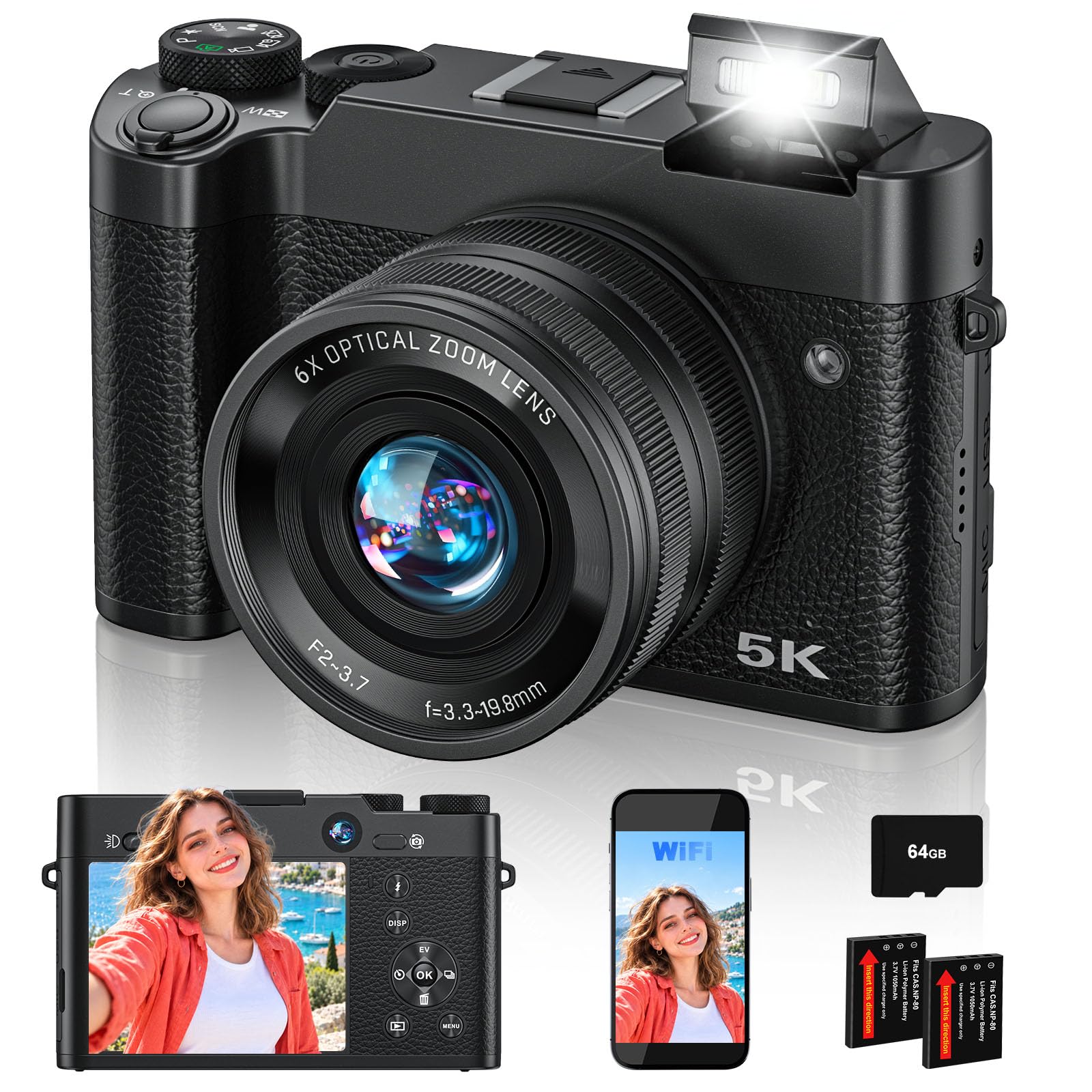
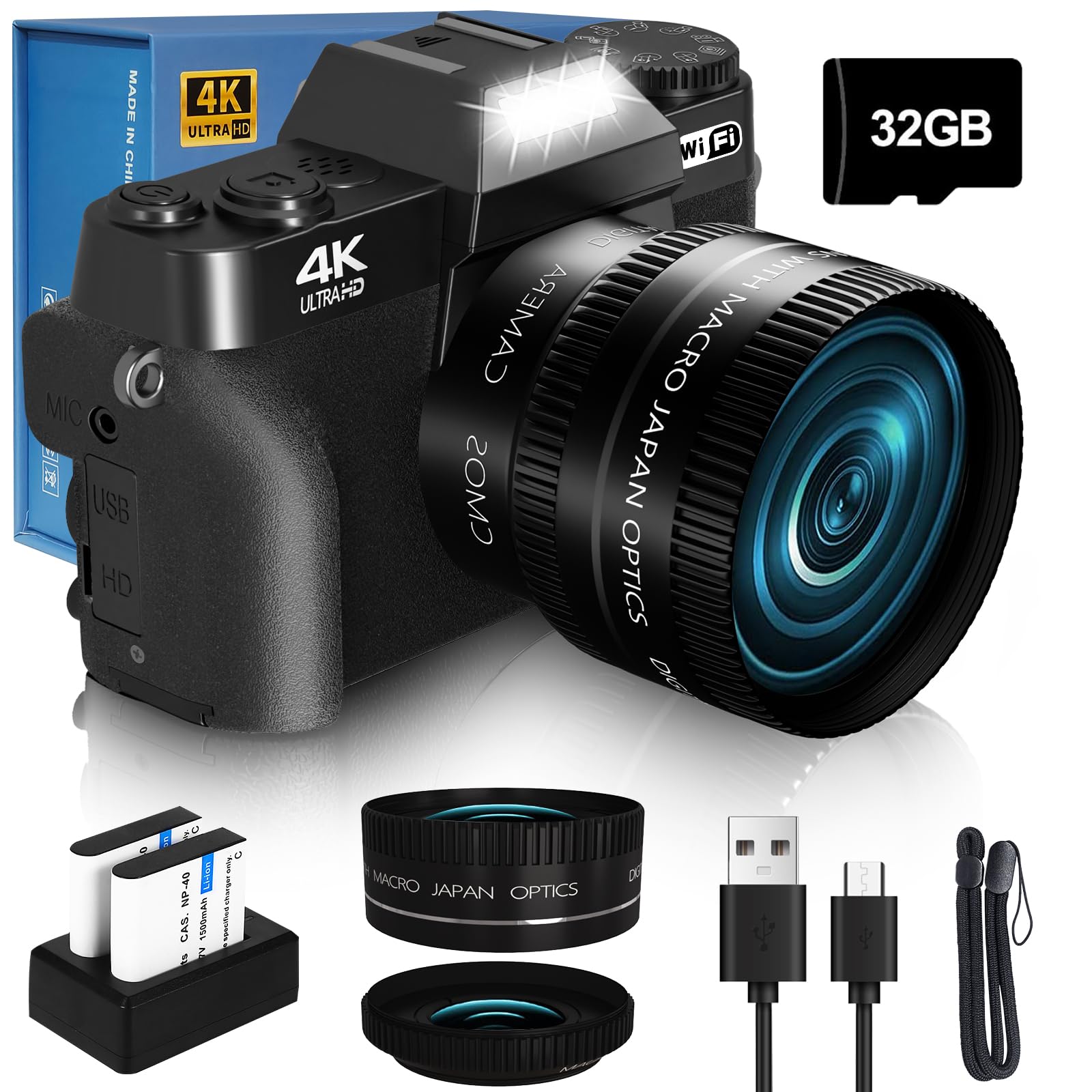


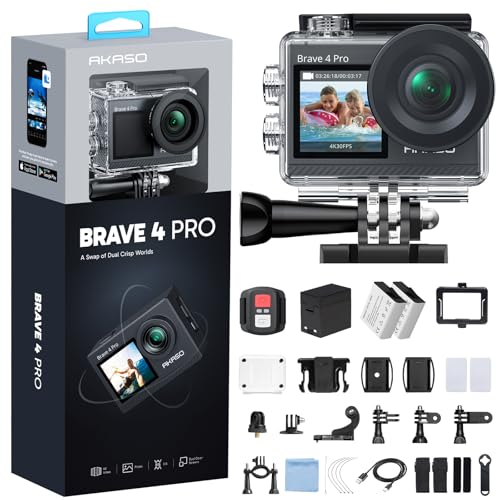
Types of Cameras Compared
All five types below are current classes sold new or, in one case, widely available used. Our overview of best digital cameras covers the wider market, and readers with a smaller ceiling can compare best cameras for under 200 dollars before settling here.
| Type | Best For | Pros | Cons | Typical Price |
|---|---|---|---|---|
| Compact | Travel and family photos | Pocket size, simple controls | Small sensor, fixed lens | about $120 to $200 |
| Bridge | Zoos, sports days, wildlife | Very long zoom | Bulky body, small sensor | about $150 to $200 |
| Action | Water and rough handling | Tough and waterproof | Fixed wide lens, no zoom | about $130 to $200 |
| Vlogging | Video diaries and clips | Flip screen, face tracking | Still photos are secondary | about $160 to $200 |
| Used interchangeable | Learning photography | Large sensor, lens choice | No warranty, wear varies | about $150 to $200 |
Compact Cameras: The Pocket Class
A compact camera trades lens power for size, giving you a true optical zoom in a body that rides in a jacket pocket. This is the class our shortlist of best digital cameras under 200 dollars mostly covers. Sensors are small, so indoor shots need flash more often, but daylight results are clean and the controls are simple enough for anyone in the family. Choose a compact when the camera must always be with you and photography is a habit, not a project.
Bridge Cameras: Zoom Without Lens Swaps
A bridge camera pairs a small sensor with a very long zoom, often 40x or more, behind a body shaped like a small interchangeable lens camera. That reach suits zoos, school sports, and birds in the garden, where compacts run out of zoom. The cost is bulk and the same low light limits as a compact, since the sensor stays small. Choose a bridge when distance is your main subject and you accept carrying a real camera bag.
Action Cameras: Built for Rough Days
An action camera is a tiny sealed box with a very wide fixed lens, made to be mounted, dropped, and dunked. Waterproofing is built in rather than added by a case, and electronic stabilization smooths walking, riding, and skiing footage. Still photos are wide and distorted at the edges, and there is no optical zoom at all. Choose this class when the camera goes where a normal camera cannot, and treat it as a video tool first.
Vlogging Cameras: Video Comes First
A vlogging camera is a compact body rearranged around video: a screen that flips to face you, a microphone input on better examples, and autofocus that tracks faces and products. Stills are competent but secondary, and the lens usually starts wide for arm length filming. Heat limits matter here, since some models stop recording after long takes. Choose this class when most of your shooting is video of yourself talking, walking, or showing objects to the camera.
Used Interchangeable Lens Cameras: The Stretch Class
Two hundred dollars also reaches older interchangeable lens cameras on the used market, and their larger sensors are a clear step up in low light and background blur. This is where build quality matters most, and our guide to best quality cameras under 200 lists the shutter, mount, and screen checks to run before buying used. You give up a warranty and accept some wear, and a basic kit lens is usually part of the deal. Choose this class when learning photography itself is the goal.
Compact Cameras vs Vlogging Cameras: Which Should You Choose?
These two classes share a body size and a price, so the choice rests on four points. A compact aims its lens away from you and keeps stills first, while a vlogging camera turns its screen and microphone toward you. A compact usually zooms further, which helps travel and family events.
A vlogging camera focuses faster on faces and records cleaner speech. If most of your clips feature you talking, choose the vlogging class; if most of your frames are other people and places, choose the compact.
How to Choose the Right Camera
Sensor Size and Image Quality
Maker sensor and zoom figures are class figures, printed to compare inside a range rather than across types. A compact and a used interchangeable camera can share a megapixel count while their sensors differ four times in area, and area is what gathers light. Judge low light ability by sensor size and lens brightness, written as an f number, before megapixels. Readers comparing plain price first can also see our notes on best cameras for 200 for the shorter form of this same budget.
Features That Matter for 200 Dollars
At exactly this budget, three features separate good value from filler: a lens that stays bright at full zoom, a screen you can read outdoors, and controls that let you lock focus and exposure. Wireless sharing, touch focus, and scene modes are common and harmless, but they should never outrank those three. Also confirm the camera records to a standard memory card, since odd card formats raise your running costs.
Battery Life and Charging
Shot counts per charge range widely by type: compacts and bridge cameras often manage about 250 to 400 shots, while action cameras are rated in video minutes instead. USB charging matters on trips because one cable can serve the camera and your phone. A camera that charges only in a dock adds a part to lose. Whatever the type, a spare battery around $15 to $25 is the cheapest insurance against a dead camera at the wrong moment.
Low Light Performance
Low light is where this budget feels its limits, and sensor size decides most of it. Small sensor types lean on flash and higher ISO settings, which add grain, while the used interchangeable class with a bright lens holds detail far longer into the evening. Lens brightness is printed as the lowest f number, and a lower figure means more light. If you shoot indoors or after dark often, let this factor push you toward the larger sensor class.
Best Cameras for Specific Needs
Best Video Cameras for 200 Dollars
Video at this price is a compromise class, so buy it with open eyes. Look for steady stabilization, a microphone input, and 1080p recording that runs without short time limits before chasing a 4K label, because cropped and shaky 4K looks worse than smooth 1080p. The vlogging type leads this class, action cameras follow for movement, and compacts trail for speech. Whichever type you pick from the product table above, check the audio first, since built in microphones are the weakest link in every class here.
Setup and Care Tips
Start every camera the same way: charge the battery fully, format the memory card inside the camera, and set the clock so your files sort correctly. Clean the lens with a lens cloth, never your shirt, because shirt fabric drags grit across the coating. Carry a spare battery on long days and store the camera in a dry padded bag at home. Wipe action cameras with fresh water after salt water use and let the seals dry before closing the door.
Cameras: Your Questions Answered
What features matter most in cameras for 200 dollars?
Type and sensor size matter most, ahead of any single feature. First decide whether you need the reach of a bridge, the toughness of an action camera, or the larger sensor of a used interchangeable model. Then compare lens brightness and stabilization inside that type. One extra check the main sections skip: confirm the camera has a standard tripod socket, because some ultra small bodies omit it and limit your mounting options.
Which type of camera is better for low light at this price?
The used interchangeable lens type is better for low light, because its larger sensor gathers more light at the same settings. A bright prime lens widens that lead further. Compacts and bridge cameras rely on flash, which flattens faces and shortens range. If evenings and indoor events are your main subjects, spend your budget on the larger sensor and accept a used body with some cosmetic wear.
What specs matter most for beginners choosing a first camera?
Beginners should weight simple menus, reliable autofocus, and a size they will actually carry. A camera that feels confusing stays in a drawer, whatever its specs promise. Start with the type that matches your subjects, keep the kit lens or fixed lens for the first months, and learn exposure basics before adding accessories. Growth room matters more than raw numbers at this stage of learning.
Is a smartphone enough instead of a camera at this price?
For sharing daylight photos online, a current smartphone is enough for many people. A dedicated camera pulls ahead with real optical zoom, longer battery life, and a sensor and lens built only for pictures. It also survives being handed to children or taken to the beach without risking your phone. If zoom and battery are not pain points for you, the honest answer is to keep the phone and save the money.
How much of my budget should go to accessories?
Reserve about 15 to 25 percent of the total for the parts that make the camera usable: a memory card, a spare battery, and a small bag. That leaves about $150 to $170 for the camera itself inside a $200 plan. Skipping the spare battery is the most common false saving at this level, since a single battery rarely covers a full day of travel shooting. Buy accessories with the camera, not weeks later.
Final Thoughts
Pick the type first, then the sensor, then the lens, and the model list shrinks to two or three honest options. The product table above holds the comparison in one place while you decide. For most buyers the best cameras for 200 dollars are the compact for everyday travel and the used interchangeable class for anyone who wants to grow, and both reward the same habit: carry the camera daily and learn its limits.


