
Best Camera Sensors for Smartphones in 2026: Matching the Right Model to Your Routine
Disclosure: We may earn a commission when you buy through links on this page, at no extra cost to you. As an Amazon Associate I earn from qualifying purchases. Learn more
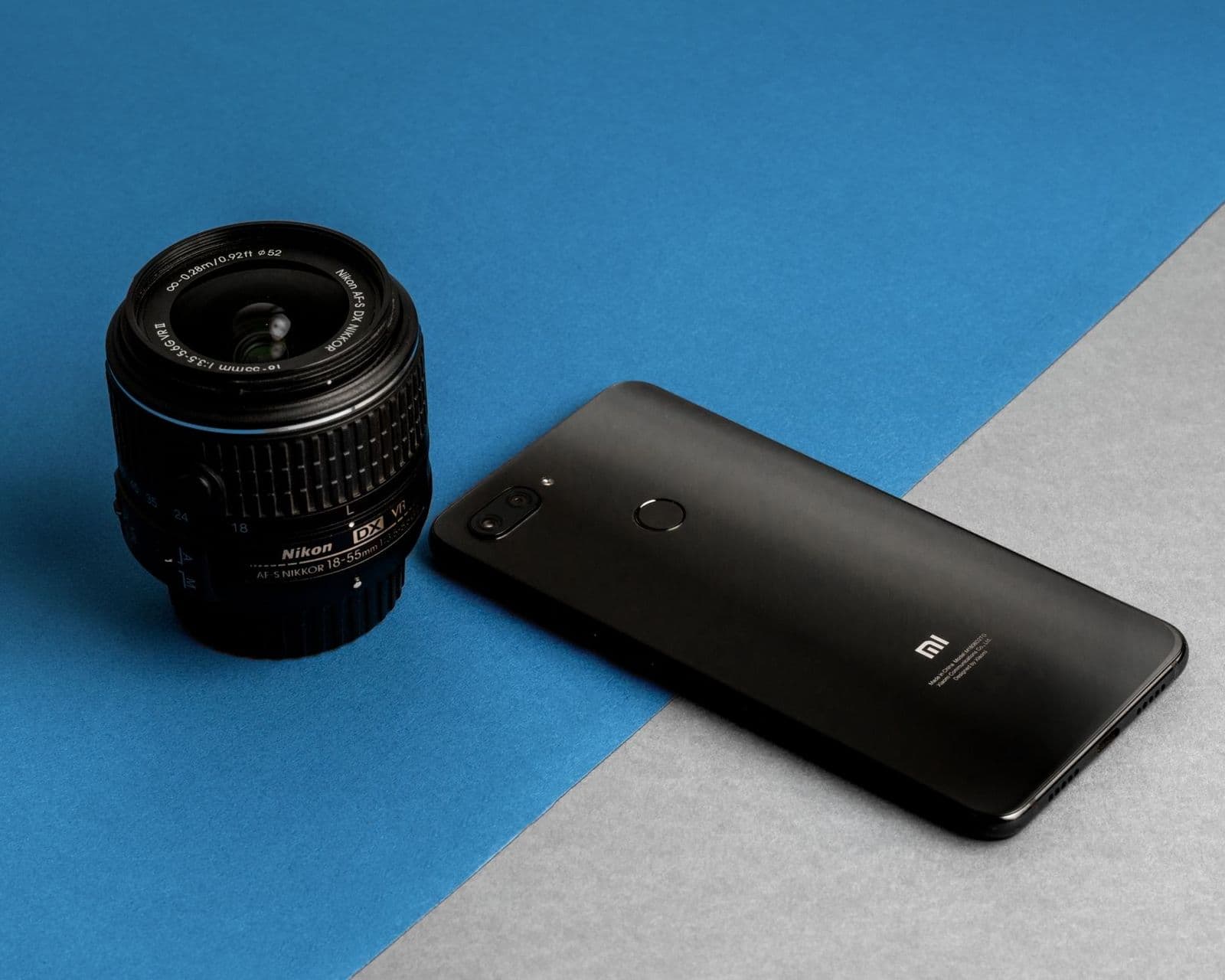
Compare camera sensors for smartphones by size, pixel size, low light readout and video speed, with a use case checklist to match a phone to your routine.
No single sensor suits every routine, because a sensor that flatters a dim family room works differently from one built for bright travel scenes. The best camera sensors for smartphones are the ones matched to the light, subjects and distances you shoot most. Check sensor size and pixel claims against your habits first.
Start by naming your hardest common shot, such as a moving child indoors, a night street, or a distant stage. That scene tells you whether to value light capture, fast readout, or reach.
Who Should Buy Which Camera Sensors?
Choose by the photos you take every week, not by the rare perfect shot. Your usual light points to a different sensor strength each time.
Families Who Shoot Indoors and After Dark
Your hardest shots happen in living rooms, school halls and restaurants, where light is low and children rarely stay still. Prioritize a large main sensor with large pixels, because it gathers more light before noise builds up. Fast autofocus on the sensor matters too. Modest resolution is fine here, because clean files beat huge files full of grain.
Travelers Who Want Detail in Bright Scenes
You shoot buildings, markets and landscapes in good daylight, then crop later to fix framing. Prioritize higher resolution on the main sensor, supported by a capable ultrawide sensor for tight streets. Bright light lets small pixels perform well, so detail survives cropping. Look for strong color depth too, because skies and stone walls show banding quickly in weak files.
Night and Concert Photographers
You work with stage lights, neon signs and deep shadow in the same frame. Prioritize sensor size and dynamic range above resolution, because highlights and shadows must hold together in one exposure. A high gain readout mode helps keep faces clean while signs stay readable. Reach matters at venues too, so check telephoto sensor size rather than trusting zoom numbers alone.
Creators Who Record Video and Movement
You film walking tours, sports clips and pets that never pose. Prioritize fast sensor readout, because slow readout bends straight lines when you pan. Steady autofocus across the frame matters for keeping a subject locked while you move. Resolution only needs to cover your delivery format, since clean motion impresses viewers more than extra pixels.
Key Features to Compare
When you compare the best camera sensors for smartphones, read the sensor sheet in this order, from size to video speed. One strong figure cannot rescue a weak one elsewhere.
Sensor Size and Light Capture
Sensor size is the physical area that collects light, quoted in fractions such as about 1/1.3 inch or close to 1 inch on the largest phone sensors. A larger area gathers more light for the same exposure, which means cleaner shadows and less noise indoors. It also gives shallower natural background blur. If you shoot indoors often, treat size as your first filter.
Pixel Size and Pixel Binning
Pixel size, measured in microns, shows how much light each pixel can hold on its own. Many phone sensors group four neighboring pixels into one larger effective pixel, a process called pixel binning. Binning trades resolution for cleaner, brighter files in dim light. In bright light the sensor can output full resolution instead. Ask what the binned pixel size is, because that figure describes your everyday photos.
Resolution and Real Detail
Resolution runs from about 12 megapixels to about 200 megapixels on current phone sensors, but more pixels on the same area means each pixel gets smaller. Fine detail improves only when light is strong and the lens is sharp enough to feed those pixels. In weak light, high counts often add file size without adding visible detail. Choose high resolution for daylight cropping, and moderate counts for daily use.
Dynamic Range and Color Depth
Dynamic range is the span between the darkest and brightest tones a sensor can record in one shot. Sensors that read the scene at two gain levels, or stagger exposures on the sensor itself, keep window light and room shadow in one file. Color depth near 10 bit recording gives smoother gradients in skies and skin. Choose this strength if you shoot toward windows, stages, or sunsets.
Autofocus Built Into the Sensor
Modern phone sensors detect focus using pixels spread across the frame, and the best layouts keep focus points near the edges as well as the center. Wide coverage helps when your subject stands off center or moves across the scene. Some sensors use every pixel for focus data, which speeds locking in dim light. If you film children or sports, rank focus coverage as highly as size.
Readout Speed for Video and Action
Readout speed is how fast the sensor scans a full frame, line by line, and it decides how honest motion looks. Fast readout reduces the leaning effect on poles during pans, and it supports higher frame rates for slow motion clips. Slow readout can also fight with flickering indoor lights and leave bands across video. Creators should weigh readout claims alongside resolution.
Sensor Roles Across Main, Ultrawide and Telephoto Cameras
Most phones carry several sensors, and they are rarely equal. The main camera almost always gets the largest sensor and the best focus system, so judge a phone by that sensor first. If you are comparing whole phones rather than parts, see our guide to the best smartphones with good camera for how sensors sit within a complete device.
Ultrawide sensors are usually smaller, so they shine outdoors and struggle sooner indoors. Telephoto sensors decide whether distant detail looks crisp or smeared, since digital zoom only crops what the sensor captured. Sensor size also explains why phone results differ from larger cameras, and our guide to the best digital cameras shows what bigger formats offer.
Nearly all phone sensors use CMOS designs that read each row in sequence, unlike the older approach covered in our guide to the best ccd sensor cameras. Format names can mislead too, because a 1 inch type label describes a format family, not a literal diagonal. Our guide to the best crop sensor cameras explains how named formats compare in dedicated cameras.
Common Mistakes to Avoid
These errors come from reading the loudest number on the box.
- Choosing the highest megapixel count for night photos gives you smaller pixels, more noise and larger files without cleaner results.
- Ignoring the telephoto sensor size leaves distant shots soft, because the zoom lens feeds a much smaller sensor.
- Assuming every camera on the phone matches the main sensor leads to grainy ultrawide photos indoors.
- Trusting zoom numbers alone hides cropping, so distant detail thins out even when the preview looks close.
- Judging a sensor by bright showroom photos misses how it handles the dim rooms where you actually shoot.
How to Make Your Camera Sensor Last Longer
You cannot reach the sensor inside a sealed phone, so its working life depends on the cover glass above the lens and on heat. Wipe that glass with a clean microfiber cloth before important shots, using light pressure only. Grit dragged across the surface leaves fine marks that scatter light. A case with a raised rim helps the glass avoid table surfaces.
Keep the phone out of prolonged heat, such as a parked car in sun, because heat raises image noise during shooting and ages parts around the sensor. Never point the camera at concert lasers or at the sun for long periods, since intense focused light can damage pixels permanently. Store the phone dry, and let a cold phone warm slowly indoors.
Camera Sensors: Your Questions Answered
Are more megapixels always better on a smartphone camera sensor?
No, more megapixels help only when light and lens sharpness can feed them. One practical test is print and crop intent: if you rarely crop or print large, a moderate count already covers your needs. Very high counts also slow burst shooting on some phones, because each frame takes longer to save. Pick resolution after size and pixel quality.
What does pixel binning do on a smartphone camera sensor at a party?
Pixel binning merges neighboring pixels so the sensor outputs a brighter, cleaner photo at lower resolution. At a party it also shortens the exposure the phone needs, which reduces blur from people swaying or laughing. One limit to know is that binned files hold less fine detail in hair and fabric. Use the full resolution mode the next day outdoors, where light is plentiful.
Does optical image stabilization change what a smartphone camera sensor can capture?
Yes, stabilization moves the lens or sensor to offset hand shake, so the sensor can use a slower shutter without blur. That helps still subjects at night, where the extra exposure time gathers more light. It cannot freeze a moving subject, though, because the subject still crosses pixels during the exposure. For dancers or athletes, you still need fast readout and enough light.
How can a dirty lens make a good smartphone camera sensor look bad?
A dirty lens scatters light before it reaches the sensor, so contrast drops and bright lamps grow halos. The quick check is to shoot a plain bright wall after wiping the glass, then compare corners with an earlier shot. Skin oil is the usual cause, and it builds up fastest on phones carried without a case. Clean glass restores the sensor performance you already own.
Should a smartphone camera sensor buyer care about the front camera sensor?
Yes, if you join video calls or record yourself often, because the front sensor is usually the smallest on the phone. It struggles first in dim rooms, where calls can look soft and noisy. A simple fix is facing a window or lamp during calls, which gives the small sensor the light it lacks. Check front sensor size when self facing video is a daily habit.
Final Thoughts
Match the sensor to your hardest routine shot first. Size and binned pixel size decide low light quality, dynamic range protects bright scenes, and readout speed keeps video honest. Resolution earns its place for daylight detail and cropping.
Check those four points for each phone you are weighing. When the best camera sensors for smartphones are judged by your own scenes rather than headline numbers, the right choice becomes much easier to defend.


