
Best Camera Quality for Phones: Every Type Explained Side by Side for 2026
Disclosure: We may earn a commission when you buy through links on this page, at no extra cost to you. As an Amazon Associate I earn from qualifying purchases. Learn more

The best camera quality for phones compared by type, with strengths, limits, ideal users and price range.
Two phones can both advertise huge megapixel counts and produce completely different photos, which is why camera shopping feels confusing. Quality comes from sensor size, lens choice, processing and consistency across lighting, not from one headline number. This guide to the best camera quality for phones compares the main phone types side by side, explains which features actually change results, and points you to the comparison table below for current models.
Rather than crown a single winner, we match each type to the people it serves best. That approach saves money, because many buyers pay flagship prices for quality gains they would only notice in rare low light scenes.

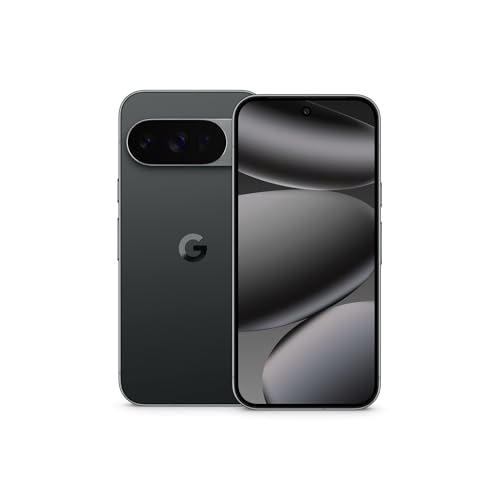
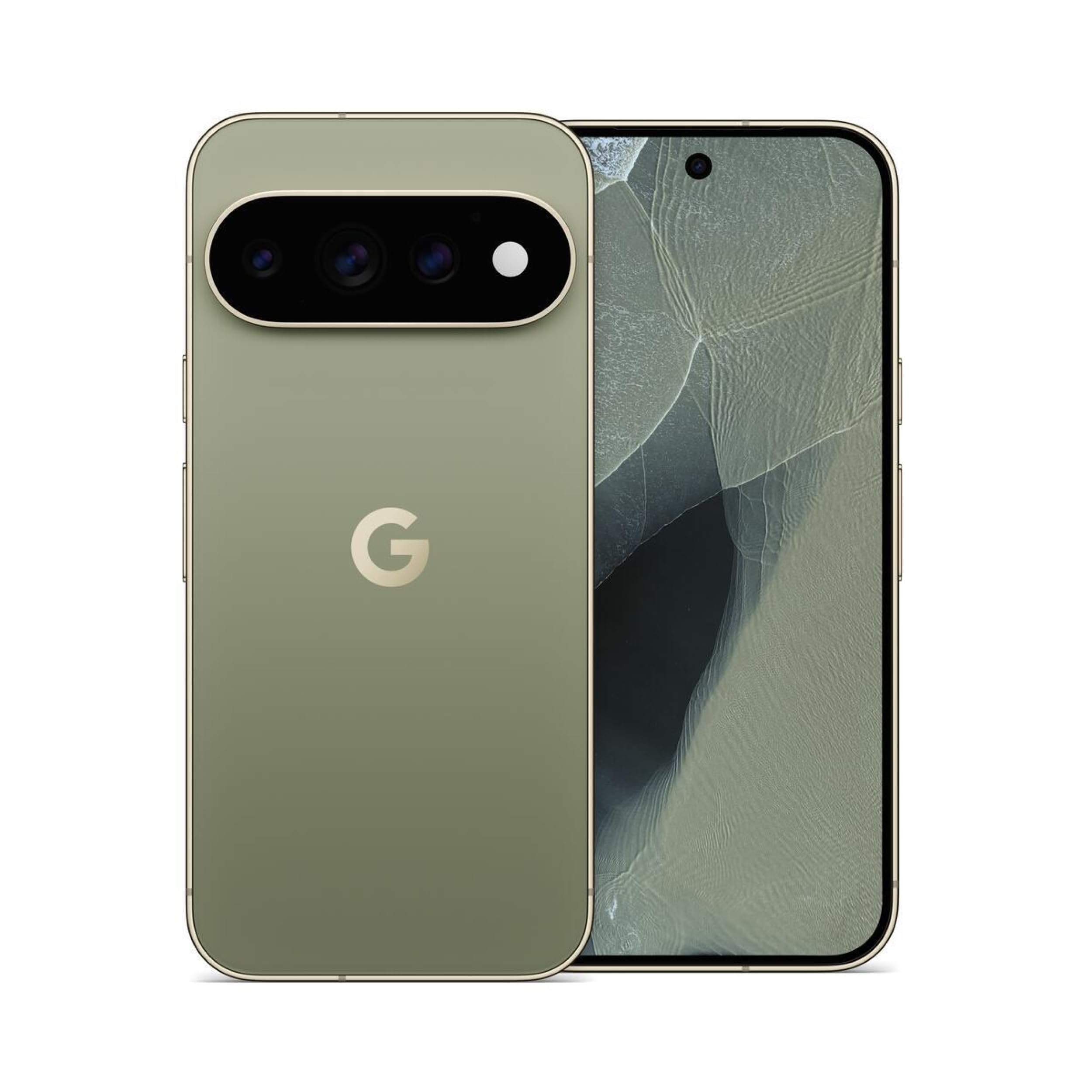

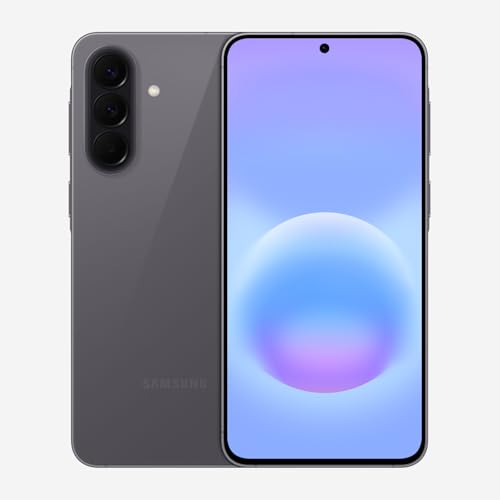

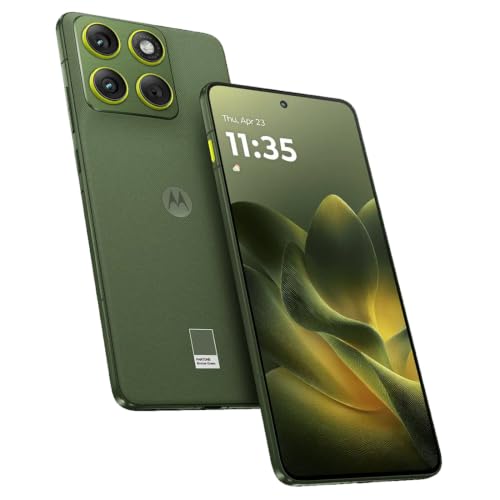
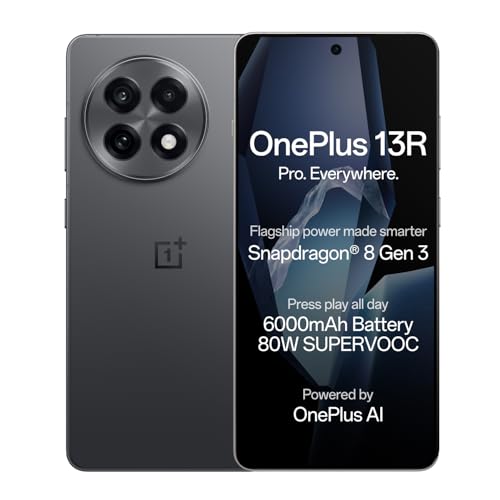

Types of Cameras Compared
Three broad types cover almost every phone worth considering. Each type below explains how it achieves its image quality, where it falls short, and who should choose it.
Mid Range Phones
Mid range phones, roughly about $300 to $600, deliver the strongest quality per dollar right now. Their main cameras often use sensors close to older flagships, with optical stabilization and mature night mode processing. Daylight photos look sharp and colorful, and portraits are convincing in good light. The limits show in zoom, where most rely on digital cropping, and in video, where stabilization and microphones are a step behind. If you photograph family life, travel and social content, this type covers nearly everything. It is also the easiest type to replace if a screen breaks, because prices stay moderate.
Compact Phones
Compact phones trade camera hardware for size. A smaller body leaves less room for a large sensor and a true telephoto lens, so makers lean on processing to close the gap. The best compacts still produce lovely daylight images and fit comfortably in a pocket or small bag, which means you carry them more and miss fewer moments. Battery capacity is smaller too, so heavy shooting days may need a top up. Choose a compact if comfort and one hand use matter as much as image quality, and accept that night and zoom shots will trail larger rivals. Readers comparing across lineups often start with our guide to the best phones by camera to see how size affects ranking.
Camera Focused Phones
Camera focused phones are built around imaging first. They carry the largest sensors, complete lens sets with real optical zoom, and manual controls for raw capture and exposure. Their processing aims for natural color rather than heavy sharpening, which editors prefer. The trade offs are price, size and sometimes slower everyday software support. These phones suit enthusiasts who print photos, shoot events or publish video, and who would otherwise carry a separate camera. If you mostly view photos on the phone itself, much of this extra quality stays invisible, so be honest about your output before paying the premium.
Mid Range Phones vs Compact Phones: Which Should You Choose?
Compare these two on five points. For sensor and zoom, mid range phones win, because their larger bodies fit bigger sensors and sometimes a modest telephoto lens. For comfort, compacts win clearly, riding in any pocket and feeling easy during long calls. For battery, mid range models usually last longer, which matters on travel days full of photos. For price, the two overlap, so quality per dollar favors mid range unless size is your top priority. For longevity, check update promises on both, since neither type guarantees long support. In short, choose mid range for image quality, compact for carry comfort, and let your daily routine break the tie.
How to Choose the Right Camera
Build, Durability, and Water Resistance
A great camera is useless after one drop or downpour. Look for IP68 water resistance if you shoot near pools, beaches or rain, and for toughened glass over both the screen and the camera lenses. A metal frame resists flex better than plastic, and a good case with a raised lip protects the lens cluster, which sticks out on most modern phones. Check repair costs too, because camera glass replacement on premium models can be expensive. Durability is part of camera quality over a three year life, not a separate concern.
Camera System
Read the lens list like a toolkit. The main lens handles most shots, so prioritize its sensor size and aperture over megapixels. An ultrawide lens earns its place for interiors, architecture and group photos, while optical telephoto zoom is the only honest way to frame distant subjects without losing detail. Night mode should preserve sky color and skin tones instead of turning night into day. For video, stabilization and clean audio matter more than resolution bragging. If you want a broader view of the field, see our guide to the best mobile phone cameras for how brands differ in processing style.
Features That Matter for Phones
Phone cameras succeed or fail on consistency. You need autofocus that locks onto faces and pets quickly, exposure that does not blow out bright skies, and a shutter with no noticeable lag when a child moves. Useful extras include a dedicated night sight for handheld low light shots, portrait mode that handles glasses and hair edges cleanly, and quick launch gestures that open the camera before a moment passes. Storage speed matters too, because slow memory makes burst shooting and 4K recording stutter. Judge sample galleries for these everyday traits rather than studio test scenes.
Display Size and Quality
You judge focus, exposure and editing on the screen, so display quality shapes your results. OLED panels show the deep shadows of night photos accurately, and high brightness keeps the viewfinder usable in sunlight. A 120Hz refresh rate makes panning while recording smoother to monitor. Color accuracy matters for editors: a screen that oversaturates will mislead you about how photos will look elsewhere. Size between about 6.1 and 6.8 inches is mostly comfort, but larger screens do make split second focus checks easier. If you edit on the phone for social posts, weight this section heavily.
Storage Options
High quality capture eats storage. Raw files, 4K video and burst sequences can fill 128GB within a year for active shooters, so 256GB is the safer default. Few phones still offer microSD expansion, so treat internal capacity as final. Cloud backup protects your library but does not free you from local space pressure if you shoot offline on trips. Check your current usage, note what share is photos and video, and buy for the phone you will own in year three, not the one you unbox today.
Choosing Cameras for Your Situation
Best Camera Quality on Phones
When people search for the best camera quality on phones, they usually mean finished photos that look good straight from the camera, on the phone itself. That favors brands with reliable processing, accurate color and strong night mode over brands with exotic hardware but uneven software. Prioritize a large main sensor, proven autofocus and a screen you trust for editing. This is the lens through which most casual buyers should judge every candidate.
Best Voted Camera Quality on Phones: Which Type Works Best
The phrase best voted camera quality on phones reflects crowd opinion, and crowds reward consistency in common scenes. In popular vote style comparisons, phones that expose faces well and keep colors pleasing across daylight, indoor and night shots tend to win, even against sharper rivals. Use that lesson when you shop: weigh balanced performance in ordinary light more than extreme zoom or spec sheet peaks. Camera focused types win specialist praise, but balanced mid range and flagship types win everyday votes.
How to Make Your Camera Last Longer
- Use a case and a screen protector. Lens scratches are permanent and show up as haze in backlit photos, so protect the camera cluster from day one.
- Keep software updated. Updates refine autofocus, night mode and security together, and delaying them leaves known camera bugs in place.
- Avoid charging in extreme heat. Heat ages batteries, and a weak battery shortens long shooting days long before the camera itself wears out.
- Wipe lenses with a proper cloth. Shirt fabric can carry grit that scratches coatings, while a clean microfiber cloth costs almost nothing.
Shoppers who lean toward one ecosystem can compare brand strengths in our guide to the best samsung phones camera lineup before deciding.
Frequently Asked Questions
What features matter most in cameras for phones?
Sensor size, lens aperture and processing matter most, in that order. Together they decide low light clarity, background blur and color accuracy in everyday scenes. Optical stabilization is close behind, because it sharpens handheld shots and smooths video. Megapixel count matters least once you pass typical modern levels. Also check shutter speed in practice, since a fast, responsive camera captures moments that a sharper but slower one misses.
How much storage do I need for phone photography?
Most active photographers should choose 256GB. That capacity holds tens of thousands of photos plus hours of 4K video with room to spare across several years. Light users who stream everything and back up weekly can live with 128GB. If you shoot raw files or long video clips at events, consider 512GB, because deleting media mid trip to free space is a miserable trade for a small saving at checkout.
Do I need 5G for a good camera phone?
No, 5G does not affect image quality at all. It helps you upload large galleries, back up video and share albums quickly when WiFi is unavailable. Treat it as a convenience feature that most new phones include anyway. Your money improves photos far more when it goes to the camera system, storage or a larger sensor. Check coverage in your area before paying extra for a 5G specific model variant.
Should I buy an unlocked phone for camera quality?
Unlocked status does not change the camera, but it gives you freedom to switch carriers and use local plans while traveling for photography trips. It also tends to improve resale value. Just verify band support for your carrier, including 5G bands, before ordering an unlocked model from another region. Carrier financed phones can be fine if the total cost is lower and you plan to stay.
Is a mid range phone good enough for camera quality?
For most people, yes. Mid range phones now deliver excellent daylight photos, solid portraits and usable night mode at half the flagship price. You give up strong zoom, the cleanest low light video and some premium materials. If your photos live on social feeds and family albums, the difference rarely justifies doubling your budget. Spend the savings on storage, which you will appreciate every single week.
How many years of updates should a phone get?
Look for five or more years of security updates and at least four system upgrades. Camera software improves through updates, so a longer window can mean better photos in year three than at launch. It also keeps banking and messaging apps secure on the device that holds your photo library. Brands state these promises in product pages, so compare them directly. A cheap phone with two years of support can cost more over time.
Final Thoughts
Decide by sensor, processing consistency and storage, and the right type becomes clear: mid range for value, compact for comfort, camera focused for maximum quality. Use the product table above to compare current models against those priorities, and revisit sample galleries for the scenes you shoot most. Chosen with that discipline, the best camera quality for phones is the quality you will actually see in your own library every day. For one more angle on output quality, see our guide to the best phones with high quality camera options.


