
Best Camera Phones Ranked: Budget, Midrange, and Premium Tiers for 2026
Disclosure: We may earn a commission when you buy through links on this page, at no extra cost to you. As an Amazon Associate I earn from qualifying purchases. Learn more

Learn how the best camera phones ranked by budget tier differ in lenses, screens, and support, plus a checklist to spend wisely at every price level.
Camera phones range from under $200 to well over $1,200, and the price gaps can feel impossible to judge. This guide to the best camera phones ranked by budget explains what each tier actually delivers, which upgrades change your photos, and which ones mostly change the price tag. No named models, just clear tier guidance you can apply to any brand.
Think of ranking by tier as a spending map. Once you know what about $300 buys, what about $500 adds, and what about $900 truly changes, the comparison table below becomes easy to read and the right choice usually stands out.
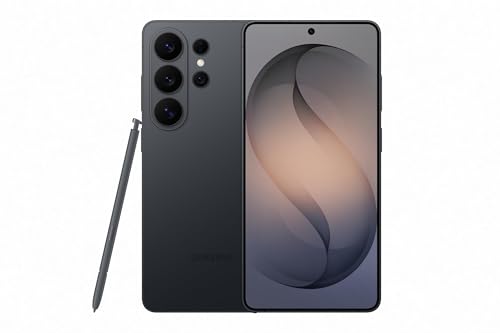
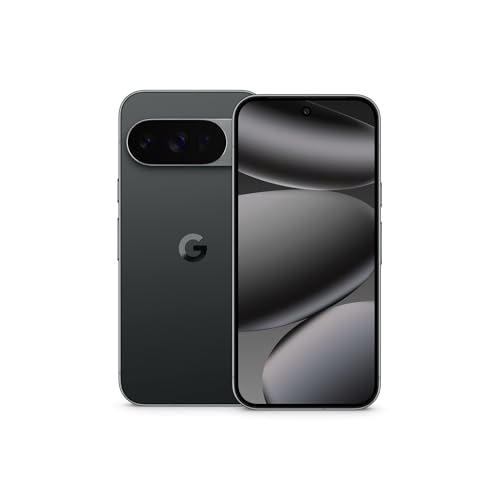
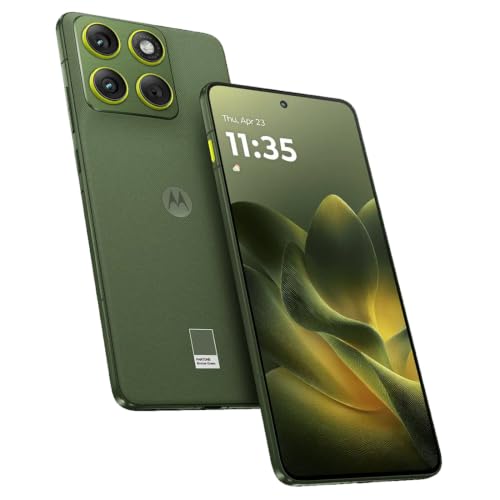

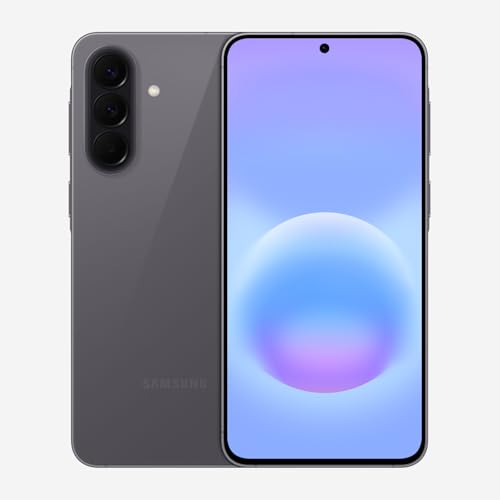



Three Price Tiers at a Glance
Start by deciding your tier, because the tier determines the camera ceiling more than the brand does. Within each tier, look for the checklist traits below rather than chasing a single headline number like megapixels. Our overview of the best phones by camera shows how these tiers compare across the whole market.
Budget Tier Priorities
In the budget tier, under about $300, your priority list should be a competent main camera with night mode, a battery around 5,000 mAh, and at least 128GB of storage. A good budget phone takes pleasing daylight photos and survives a full day easily. What it cannot do is zoom far or shoot clean video in dark rooms.
Judge budget phones against each other, not against flagships, and the value looks strong. Check the update promise carefully, because this tier has the shortest support windows. If a budget model offers an extra year of updates over a rival, that often matters more than a small camera difference.
Midrange Tier Priorities
The midrange tier, about $300 to $600, is the sweet spot where the main camera becomes genuinely excellent and screens turn bright and smooth. Prioritize strong processing, optical image stabilization, and an ultrawide lens here. Many models in this tier borrow sensors from recent flagships, so daylight and portrait quality jump noticeably over budget phones.
You still give up a true telephoto lens on most models, and build materials stay simpler. For families, travelers, and social creators, though, this tier covers nearly every real need. It is where most buyers should start, then move up only for a specific reason like zoom or video work.
Premium Tier Priorities
Premium phones, about $700 and up, should be judged on zoom range, video quality, and support length, because their main cameras are all excellent. Look for a real telephoto lens, top tier stabilization, IP68 water resistance, and five or more years of updates. Shoppers drawn to long support often compare this tier with guides to the best iphone camera phones, where longevity is a headline strength.
Pay the premium only if you shoot in dim venues, film seriously, or keep phones for many years. Otherwise the gains shrink to polish you may never notice. Premium pricing also raises repair and insurance costs, which belong in the honest total.
What Your Money Gets You at Each Price Tier
Here is the same ladder viewed by features rather than shopping priorities. Notice how the big photographic jumps happen between budget and midrange, while premium money buys refinement, reach, and time. That pattern is the core of smart camera phone spending.
Budget Tier: What to Expect
Expect one good main camera, a helpful but limited night mode, and video that looks fine outdoors and shaky indoors. Screens are usually LCD or basic OLED, processors handle everyday apps well, and charging is slow to moderate. Plastic bodies are normal and perfectly durable with a case. This tier serves messaging, school, and casual snapshots without fuss, and its long battery life is a genuine strength.
Midrange Tier: The Sweet Spot for Most Buyers
Midrange money buys a much better main sensor, stabilization that steadies handheld shots, and processing that rescues indoor photos. Displays become bright OLED panels with a 120Hz refresh rate, and fast charging is common. Update promises stretch to four or five years on better models. The remaining gaps are telephoto zoom, wireless charging on some models, and the most advanced video modes.
Premium Tier: When Spending More Pays Off
Premium spending pays off in three visible ways: distant subjects stay sharp through real zoom lenses, night video holds together, and the phone stays fast and supported for many years. You also get the best screens for editing and the strongest water resistance. If none of those match your habits, the premium is hard to justify. If two or more do, this tier stops feeling like a luxury and starts feeling like the correct tool.
Features Worth Paying For (and Ones to Skip)
Not every feature deserves your money at every tier. Use the checks below to decide where an upgrade is worth paying for and where you can safely save. Buyers comparing sensor claims across tiers may find our guide to the best phones with high quality camera features a useful companion.
Battery Life and Charging Speed
Pay for battery capacity at every tier, because camera use drains power fast and a dead phone takes no photos. Around 5,000 mAh is the comfortable target. Fast charging is worth a modest premium in the midrange and premium tiers, where it is widely offered, but exotic charging speeds beyond that add little. Wireless charging is a convenience worth paying for only if your car, desk, or nightstand already supports it.
Storage Options
Pay for 256GB if you shoot video, because 4K footage consumes space at a startling rate and most phones cannot expand later. At the budget tier, a microSD slot can substitute for pricey built in storage, so a slotted budget phone is a smart buy. Skipping storage to fund a fancier lens is a classic mistake, since full storage stops the camera entirely. Cloud plans help, but they bill you every month for years.
Display Size and Quality
A bright OLED display is worth paying for from the midrange tier up, because you judge focus and exposure on that screen in sunlight. A 120Hz refresh rate feels nice but does not improve a single photo, so treat it as polish rather than a priority. Extreme screen sizes add cost and hand strain without photographic benefit. Our survey of the best mobile phone cameras shows how consistently strong displays cluster in the upper tiers.
Camera System
Pay for the main camera and stabilization first, then an ultrawide lens, then a telephoto if your tier allows it. Extra low resolution macro and depth lenses are the features to skip, since they pad spec sheets without improving real photos. Night mode quality depends on processing more than lens count, so judge by features like sensor size and stabilization rather than the number of circles on the back. Video stabilization deserves priority if you film kids, sports, or travel.
Build, Durability, and Water Resistance
IP68 water resistance is worth paying for in the premium tier and a pleasant bonus in the midrange, because one soaked phone erases every saving. At the budget tier, skip paying for exotic materials and buy a sturdy case instead, which protects better than any glass upgrade. Check that lens covers sit protected by a raised edge. Durability spending should follow your lifestyle, not the brochure.
Long Term Costs to Factor In
The sticker price is only part of ownership. Add a case and screen protector at about $20 to $50, extra storage or a cloud plan if you chose a smaller capacity, and possible battery replacement after two or three years of heavy use. Premium phones also cost more to repair, and insurance premiums rise with device value.
Update length quietly controls total cost too, since a phone supported for six years spreads its price far thinner than one replaced after three. When you rank options, divide the full expected cost by the years you will realistically keep the phone. That single habit prevents most overspending in every tier.
FAQs
How many years of updates should a phone get?
Aim for at least four years of security updates, and expect five to seven years from premium models of major brands. Updates protect your accounts and often improve camera processing, so the support window is part of the camera value. Budget phones with two year windows can still make sense if the price is low and your replacement cycle is short. Always confirm the promise for the exact model before buying.
Do I need 5G on a camera phone?
No, 5G does not change photo quality at all, because the camera works fully without any network. It helps when uploading large videos to cloud storage while traveling, and it extends the useful network life of the phone. Most midrange and premium phones include 5G by default now, so the question mainly affects budget shoppers. If your area has weak 5G coverage, do not pay extra for it today.
Is a mid range phone good enough for photography?
Yes, the midrange tier is good enough for most photography, including family events, travel, and content for social platforms. Its main camera is strong, stabilization is real, and night mode handles ordinary indoor light. The limits appear at long zoom distances and in very dark video. If those situations are rare for you, midrange quality will satisfy you while leaving money for storage and accessories.
How much storage do I need on a camera phone?
Choose 256GB if you record video regularly or keep phones for three or more years, and 128GB only if you back up to the cloud faithfully and shoot mostly stills. A single school concert filmed in 4K can consume several gigabytes. Phones without card slots never gain room later, so undersizing storage is the hardest mistake to undo. When torn between storage and a small camera upgrade, take the storage.
Should I buy an unlocked camera phone?
Yes, unlocked phones give you carrier choice, easier travel with eSIM options, and stronger resale value in every tier. Carrier promotions can lower the monthly cost but often require long commitments and specific plans. Before buying unlocked, confirm the model supports your carrier bands, especially at the budget tier where band lists shrink. The flexibility usually repays the upfront cost the first time you switch plans or travel.
Wrapping Up
Rank your needs before you rank phones: tier first, then storage, support length, and the one camera upgrade you will truly use. Most buyers belong in the midrange, casual shooters save happily in the budget tier, and premium money should buy zoom, video strength, or years of support. Apply this best camera phones ranked approach to the product table above and spend with confidence.


