
Best Camera Gimbal for Mirrorless Cameras: Every Type Explained Side by Side for 2026
Disclosure: We may earn a commission when you buy through links on this page, at no extra cost to you. As an Amazon Associate I earn from qualifying purchases. Learn more

Learn how to choose the best camera gimbal for mirrorless cameras by payload, balance, battery life, controls, and the weight you will carry all day.
A mirrorless camera can pair with a compact travel gimbal, a full size three axis model, or a simple handheld grip, and each option feels completely different after an hour of filming. Choosing by headline specs alone often leads to a gimbal that is too weak, too heavy, or too slow to balance.
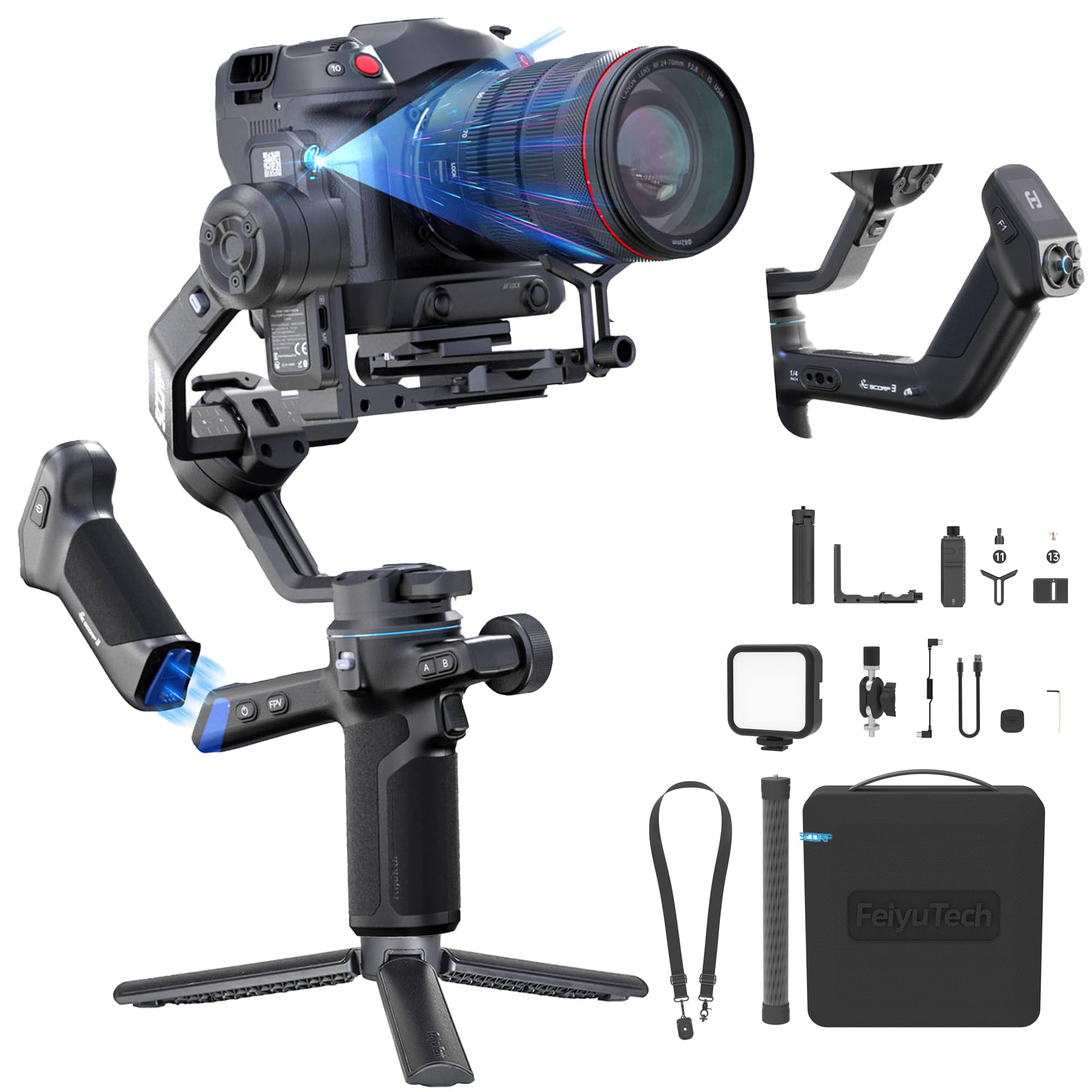
This guide compares the main approaches so you can find the best camera gimbal for mirrorless cameras for your body and lens pairings. The comparison table below summarises the types, and the sections after it explain payload, balance, and daily handling in plain terms.




How Camera Gimbals Compare to Other Options
Camera Gimbals vs Vlogging Cameras
A gimbal stabilises the mirrorless camera and lenses you already own, keeping your image quality, lens choices, and low light strength. A vlogging camera with a built in gimbal is smaller and faster to start, but it fixes you to one lens view and a smaller sensor. Choose a separate gimbal when you film with several lenses or need strong results after dark. Choose the all in one route when pocket size and instant readiness matter more than flexibility, and compare the camera side in our guide to the best gimbal cameras.
Camera Gimbals vs Point and Shoot Compacts
Point and shoot compacts are light enough for the smallest gimbals, and some built in stabilisation systems handle walking shots acceptably on their own. A mirrorless camera on a proper gimbal still wins on depth of field control, lens choice, and larger sensor quality, especially indoors. The cost is setup time and total weight. If your filming is casual and mostly outdoors in good light, a compact alone may serve you. If clients or low light are involved, the gimbal and mirrorless pairing earns its bulk.
Camera Gimbals vs Tripods and Handheld Shooting
A tripod gives perfect stillness for static shots, interviews, and product scenes, and it costs far less than a gimbal. Handheld shooting with in body stabilization handles short, mostly steady clips. A gimbal fills the moving middle ground: walking tours, following subjects, and smooth pans that neither option can match. Most serious creators end up using all three across a week. Buy the gimbal when movement is a regular part of your work, not for a single trip where renting or borrowing would do.
Who Should Choose Camera Gimbals?
Gimbals suit creators who film movement every week: real estate walkthroughs, travel sequences, event coverage, wedding films, and product stories that glide around a subject. They also suit solo creators, because a balanced gimbal and a flip screen let one person produce moving shots that once needed a second operator. They suit you less if your work is mostly static interviews, if you film in tight spaces where a swinging rig causes problems, or if your total filming load already strains your arms. In those cases, a tripod, a monopod, or a smaller camera may serve better. Readers choosing the camera itself can start with our guide to the best mirrorless cameras.
How to Choose the Right Camera Gimbal
Durability and Weather Sealing
Most gimbals resist light splashes rather than true weatherproofing, so read the rating carefully before filming in rain. Sealed motors and covered ports handle drizzle and dust better, while open designs need a cover or a break in filming. Salt air and sand are harder on moving joints than rain, so wipe the arms down after beach shoots. If you film outdoors year round, budget for a protective case as well, because a gimbal stored loose in a bag collects grit in exactly the places that move.
Low Light Performance and Your Camera Pairing
A gimbal does not change your camera exposure, but it changes which settings you can use. Smooth stabilisation lets you keep shutter speeds cinematic while walking, so your mirrorless camera can hold lower ISO values and cleaner files in dim light. Balance matters here, because a front heavy lens at dusk tempts you to rush setup. Practise balancing your longest low light lens at home until the routine takes under two minutes, and mark the plate positions with tape for repeat setups.
Ease of Use for Your Skill Level
Beginners should value clear balancing scales, a quick release plate that matches their tripod system, and simple controls over advanced modes. App features such as subject tracking and remote control help, but only if the basic handling feels calm. Auto tuning for motor strength is worth having, because it removes guesswork when you change lenses. If a gimbal needs a phone app for core settings, test that app with your phone model before a paid shoot, and keep the firmware current.
Features That Matter for Mirrorless Cameras
Payload is the headline feature, and it must cover your heaviest body and lens pairing with room to spare, not just equal it. Aim for a rated payload at least a third above your heaviest setup so motors work without strain. Check camera control support for your exact body, because record start, focus, and zoom control over cable or wireless links vary by model. Smaller bodies from ranges such as those in our guide to the best small mirrorless cameras pair happily with compact gimbals, while gripped bodies need full size arms with more clearance.
Sensor Size and Image Quality Balance Effects
Sensor format shapes body size and lens weight, which decide your gimbal class. Compact APS C kits balance easily on travel gimbals, while full frame bodies with fast zooms push you toward stronger motors and larger arms. Megapixels do not affect balance, but lens choice does, since one heavy prime can outweigh a modest zoom. List your two most used pairings and size the gimbal for the heavier one. Brand specific shooters can cross check body weights in our guide to the best nikon mirrorless cameras.
Tips to Get the Most From Your Camera Gimbal
- Balance with the exact shooting setup. Fit the lens, hood, microphone, and cables you will film with, because small additions shift the centre of gravity.
- Use a lens cloth, not your shirt. Clean front elements before balancing sessions so test footage shows true sharpness, not smears.
- Carry a spare battery and a power bank. Gimbal batteries often outlast camera batteries, so plan charging around the camera, not the rig.
- Store the gimbal locked and padded. Transport locks protect motors, and a shaped case prevents arm joints from taking knocks in a crowded bag.
- Walk with soft steps. Bend your knees slightly and keep the rig close to your body, because no motor fully removes vertical bounce from heavy footsteps.
If you are still deciding between camera systems for video work, our broader guide to the best digital cameras sets out the body types that pair well with gimbals.
Frequently Asked Questions
What features matter most in a camera gimbal for mirrorless cameras?
Payload headroom, balance range, and camera control support matter most. Your heaviest body and lens pairing should sit comfortably below the rated payload so motors stay quiet and batteries last. Check arm clearance for your tallest body and the plate system you already use on tripods. A gimbal that balances in under two minutes and locks for transport will get used far more than a stronger model that feels fussy to set up.
How much payload do I need for a mirrorless camera gimbal?
Add the weight of your body, your heaviest lens, a microphone, and any cage or monitor, then choose a gimbal rated at least a third higher. Running motors near their limit causes vibration, shorter battery life, and occasional shake on turns. If you plan to buy a larger zoom later, size for that lens now. Payload figures assume a balanced load, so a compact but front heavy pairing can strain a gimbal that looks fine on paper.
What specs matter most for beginners choosing a camera gimbal?
Simple balancing scales, auto motor tuning, and a clear quick start routine matter more than advanced shooting modes. Beginners also benefit from a modest gimbal weight, because fatigue ruins footage faster than missing features do. Look for transport locks, a standard quick release plate, and controls you can reach without moving your grip hand. Learn one walking pace and one pan speed well before adding tracking modes and app effects to your routine.
Is a smartphone gimbal enough instead of a camera gimbal?
A smartphone gimbal is enough for casual social clips in good light, and it is far lighter to carry. It cannot match a mirrorless camera for lens choice, shallow depth of field, or clean footage in dim rooms. If you already own a mirrorless camera and film regularly, a camera gimbal builds on that investment. If your phone is your only camera and your needs are simple, start there and upgrade when you feel its limits.
How much should I spend on my first camera gimbal?
Most first time buyers do well between about $200 and $450, where payload, build quality, and battery life become dependable for mirrorless kits. Cheaper models can suit very light bodies but often strain with fast zooms. Premium models above that range add stronger motors, better weather resistance, and refined controls that matter for daily professional use. Match the spend to your heaviest lens rather than your lightest, and include a case in the budget.
Final Thoughts
Size the gimbal for your heaviest pairing, value fast and repeatable balancing, and be honest about the total weight you will hold at arm length. Those three checks decide most of your filming comfort. When you pick the best camera gimbal for mirrorless cameras for your own kit, compare payload and folded size in the product table above before you order.


