
Best Camera Binoculars: Types, Zoom and Features Explained 2026
Disclosure: We may earn a commission when you buy through links on this page, at no extra cost to you. As an Amazon Associate I earn from qualifying purchases. Learn more

Compare the best camera binoculars by optics, zoom, camera resolution, battery and price to find a pair that views and records well.
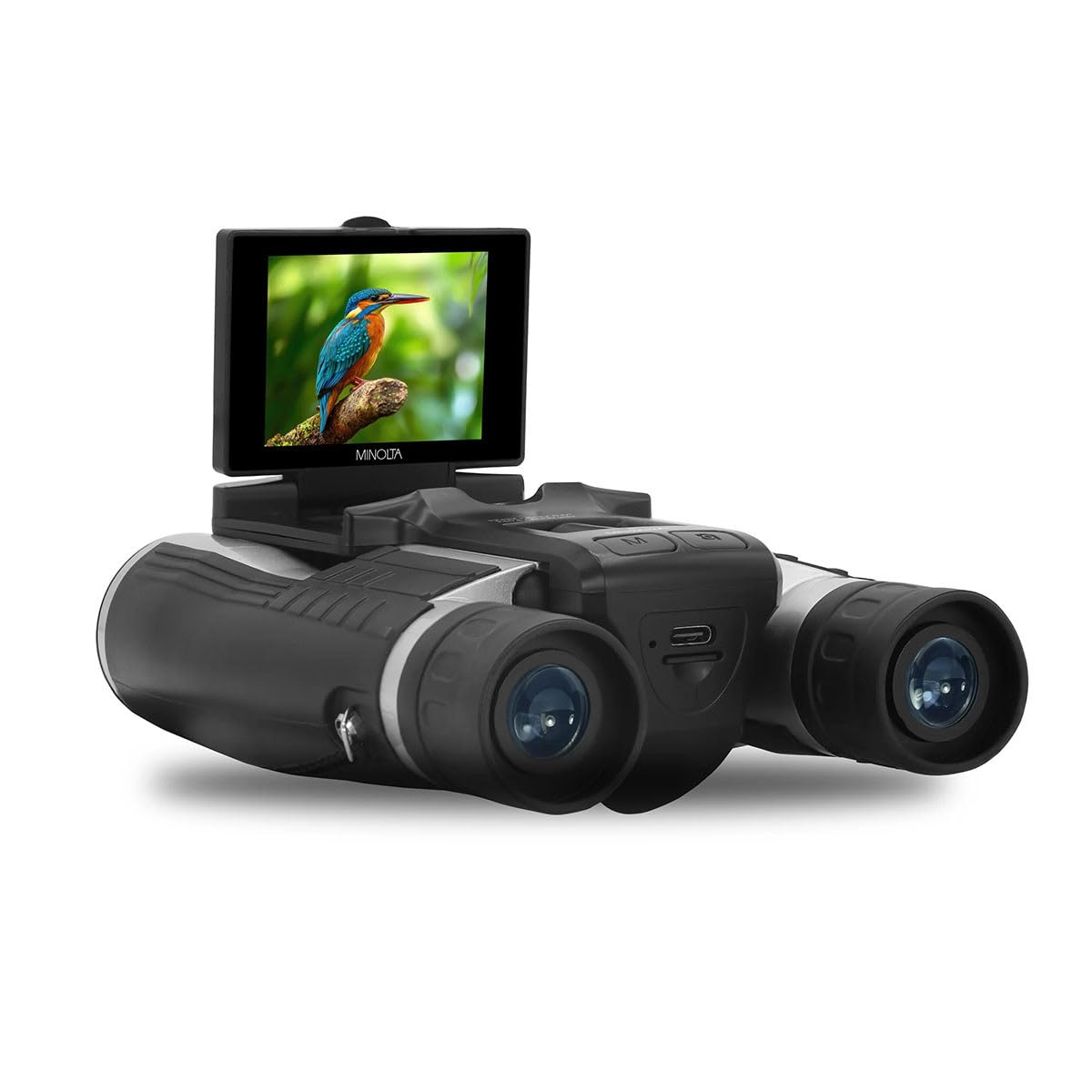
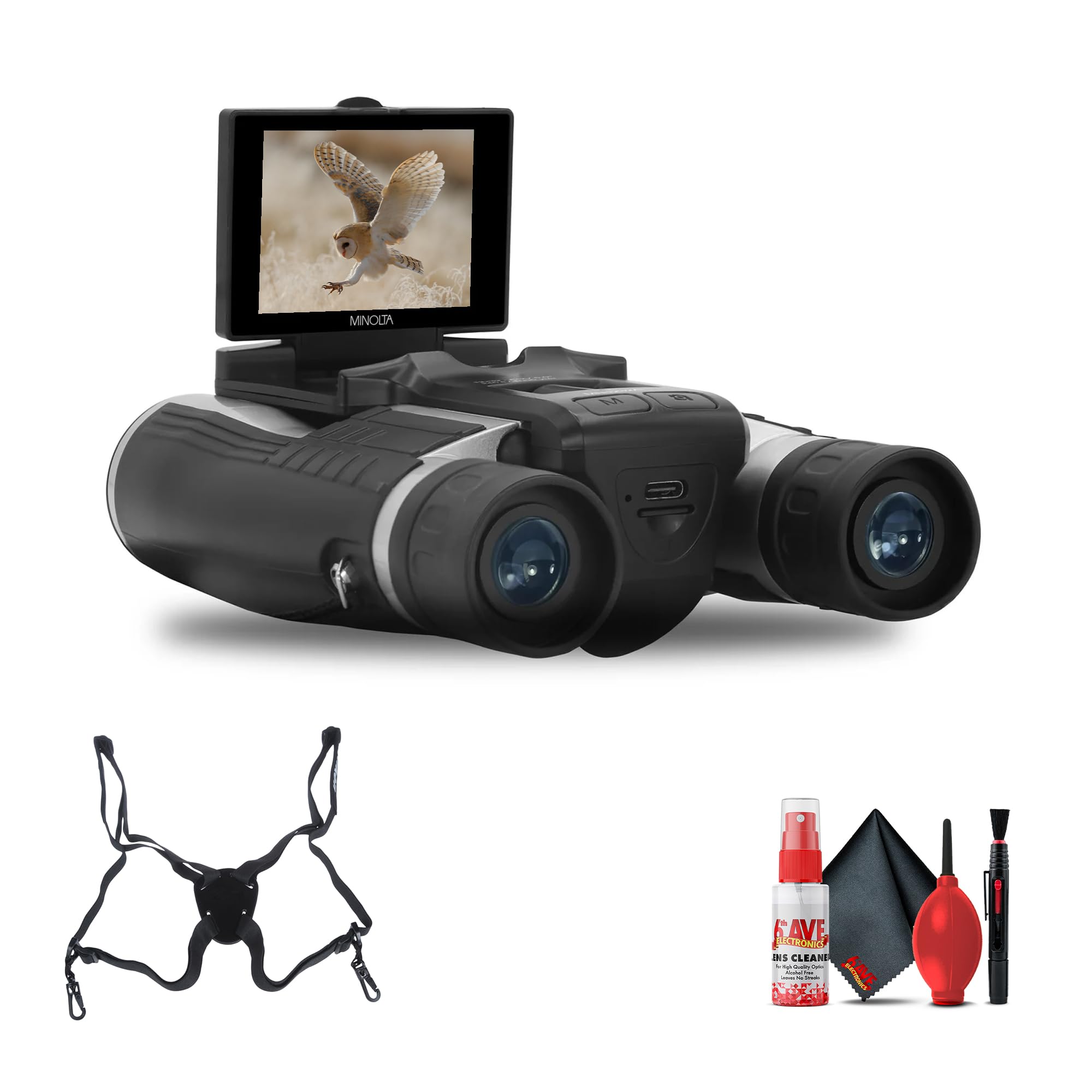
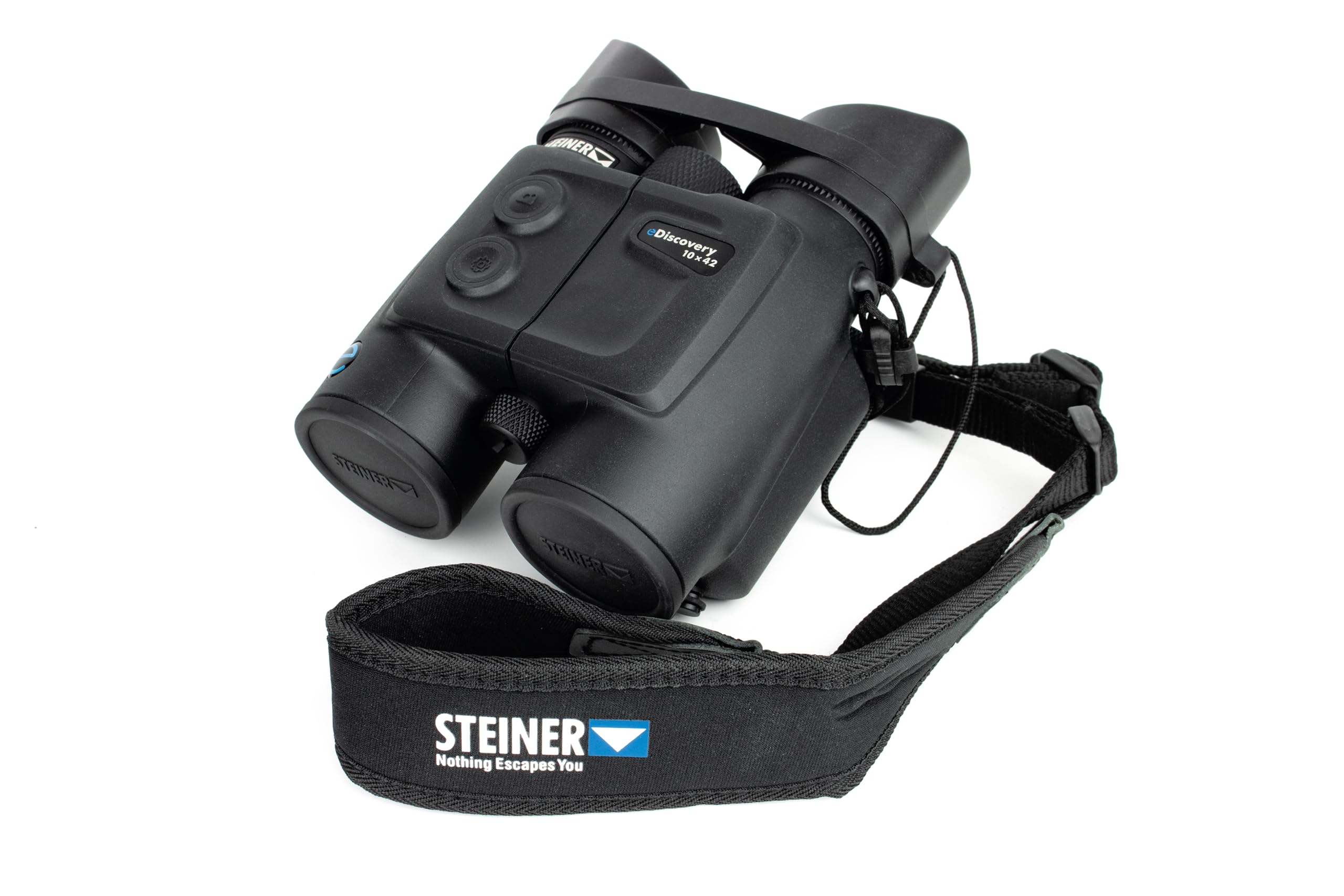
Camera binoculars combine a pair of viewing lenses with a built-in camera, so you can watch a distant bird or ballgame and press a button to save a photo or video clip. The idea is simple, but quality varies widely, and the best camera binoculars balance a bright view with a camera that records something worth keeping. The comparison table below shows current models with their magnification, screen and price.
This guide explains the main designs, which specs matter, and what to expect at each price level, so you can decide whether a combined tool suits you or whether a separate pair of binoculars and a phone would serve you better.
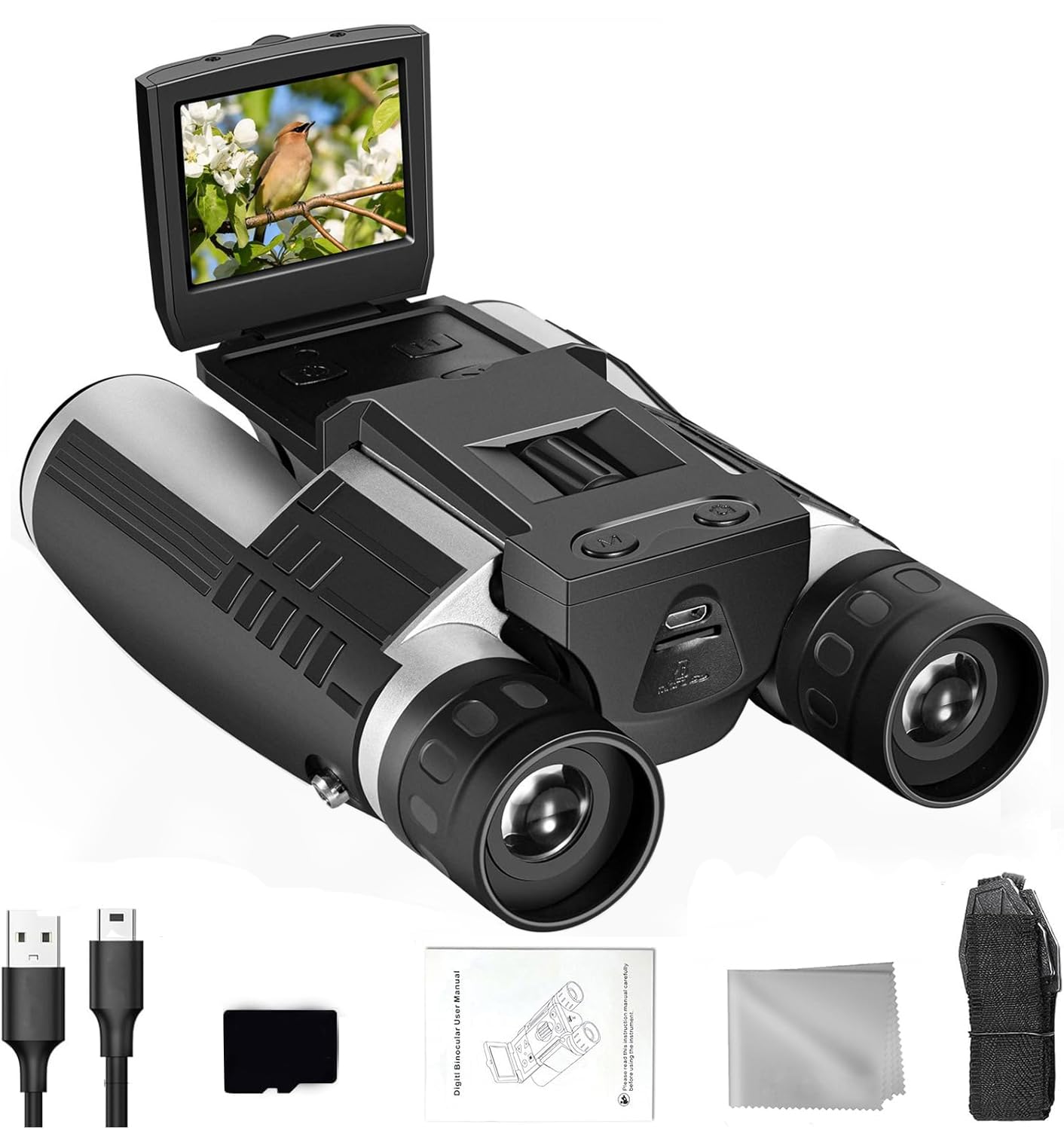
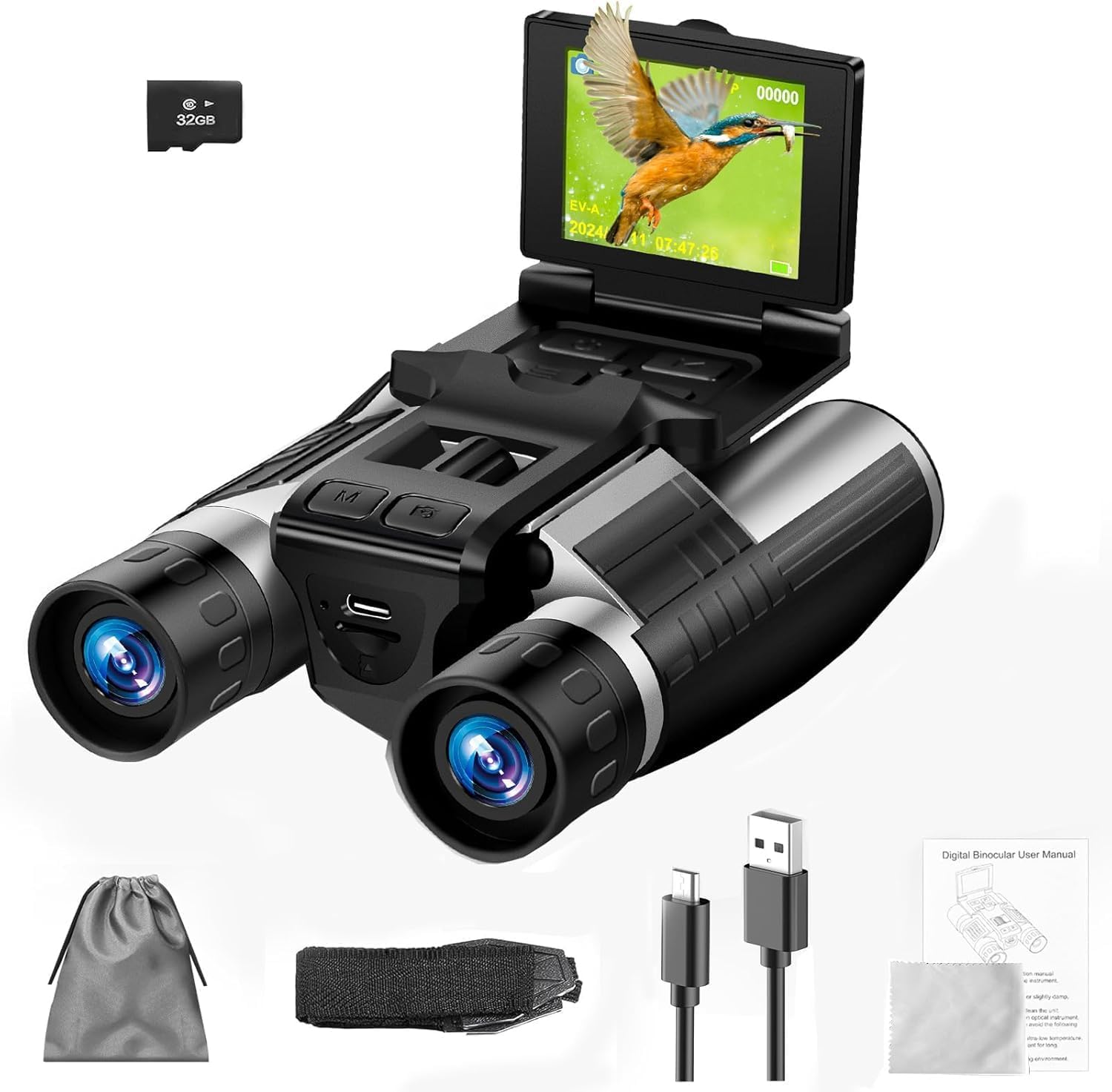
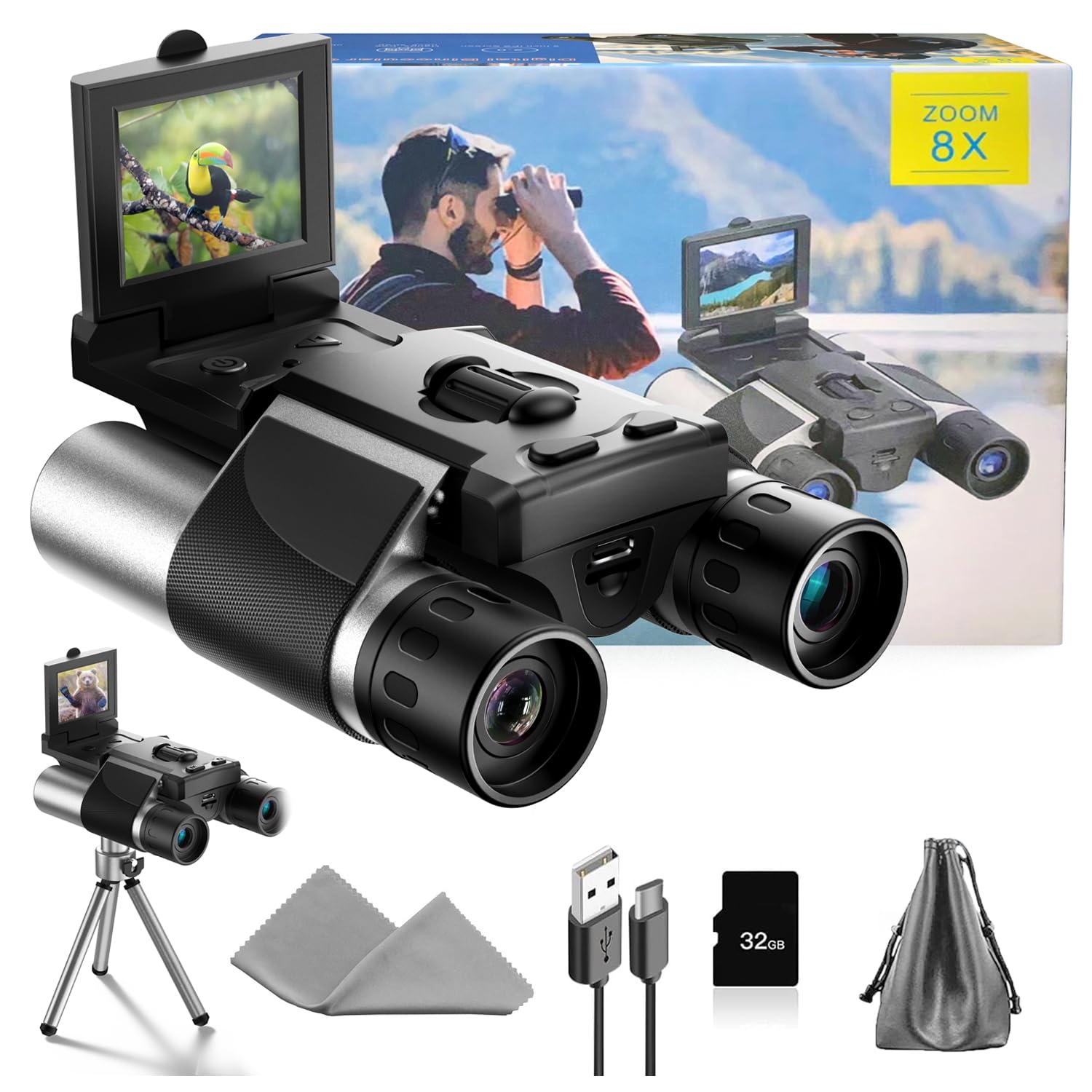
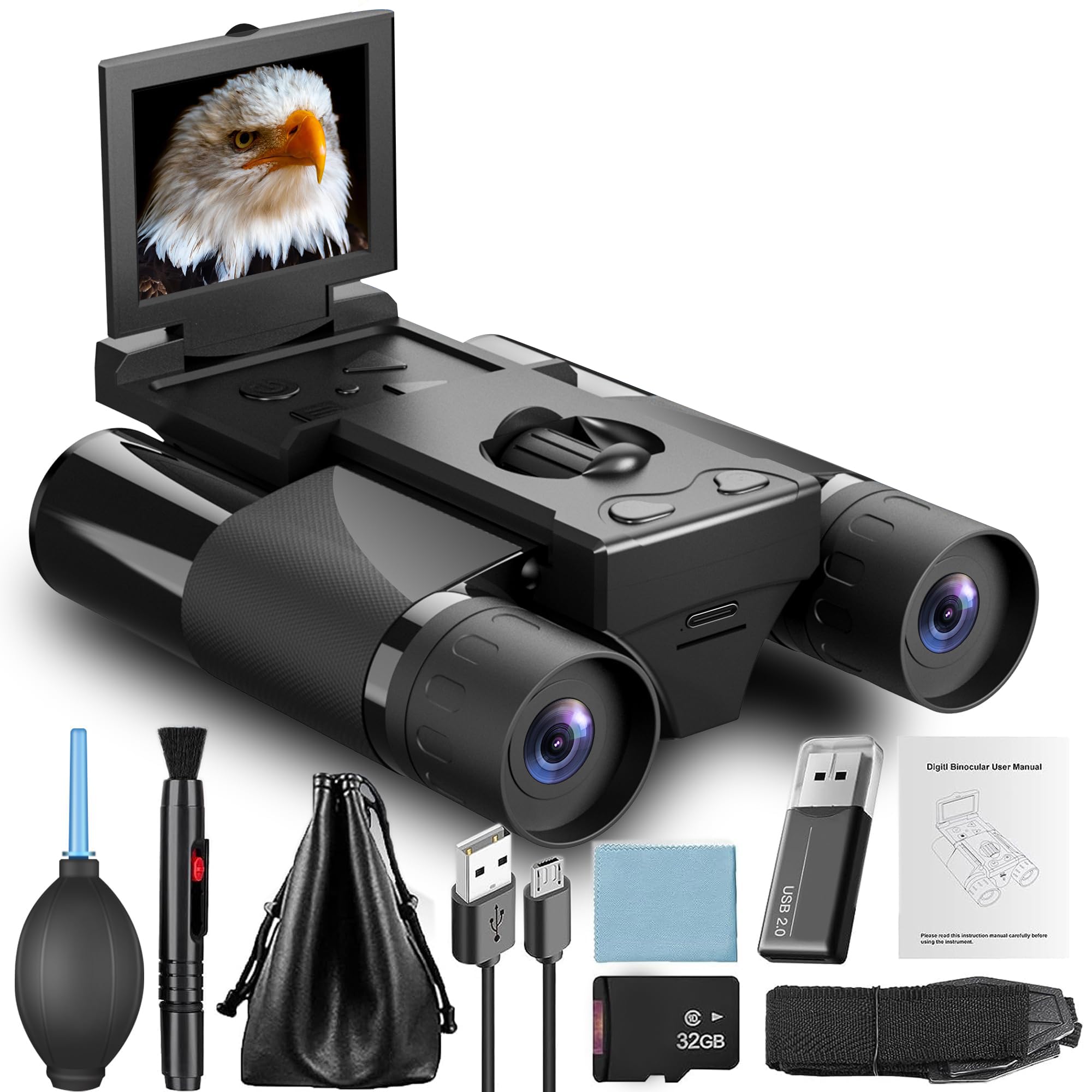
Types of Camera Binoculars
| Type | How it works | Best for |
|---|---|---|
| Compact digital binoculars | Screen based viewing with digital zoom and a small sensor | Casual outings, kids, quick snapshots |
| Optical binoculars with a camera | Real glass optics and an added camera module that records what you see | Birding, sports, travel, steadier long viewing |
| Night vision binoculars with camera | Infrared illumination and recording in the dark | Wildlife and property watching after sunset |
Screen based models are the cheapest and easiest to use, but their digital zoom softens distant detail. Optical models cost more, yet they keep the view bright and the picture sharper at range.
Who Should Buy Camera Binoculars
These tools suit nature watchers who want a record of what they see without carrying a binocular and a camera. They also suit families on trips, hikers, and fans at ball games who want clips of distant action. Younger users enjoy simple models with large buttons and a colour screen.
They suit serious photographers less. A dedicated camera with a telephoto lens produces cleaner photos, and a quality optical binocular gives a better view than most hybrid designs. If image quality is your top priority, buy each tool separately.
Choosing the Best Camera Binoculars
Magnification and Lens Size
The two numbers in a spec such as 8x42 tell you how much closer a subject looks and how wide the front lens is in millimetres. A larger front lens gathers more light, which helps at dawn and dusk. Higher magnification narrows the view and magnifies hand shake, so most people find 8x or 10x easier to hold steady.
Optical Zoom Versus Digital Zoom
Optical zoom uses glass to enlarge the view and keeps detail. Digital zoom crops and enlarges the picture, so it looks coarse at high settings. Treat large digital zoom numbers in a listing as marketing and judge a model by its optics and sensor first.
Camera Resolution and Video
Photo resolution figures such as 40 or 48 megapixels are often interpolated, which means the sensor is upscaled. A moderate resolution with a decent sensor usually beats a bigger number. For video, look for at least 1080p, and treat 4K claims with care on small sensors.
Screen, Storage and Battery
A bright screen helps you frame shots in sun, and a memory card slot lets you store clips. Check the card size the maker supports, since a few models cap at modest capacity. Battery life is usually a few hours of continuous use, so carry a spare or a power bank if the model charges over USB.
Weight and Grip
Models that weigh more than a pound can tire your arms during long viewing sessions. A neck strap and rubber grip make a big difference. If you plan to hold the binoculars steady for video, consider a small tripod adapter.
Camera Binoculars Versus a Phone and a Separate Pair
A phone held to the eyepiece of ordinary binoculars can capture decent clips, and an adapter makes that setup steadier. The price is a few extra seconds of fiddling and a phone that is tied up while you shoot. A combined tool is quicker, keeps the phone free for calls and maps, and keeps everything in one case.
On the other hand, separate gear is usually better. A good pair of optical binoculars and a phone with a strong camera give a sharper view and a sharper picture than most hybrids at the same total price. Choose the combined route for convenience, and the separate route when image quality matters most.
Low Light Performance
Most small sensors struggle once the sun drops. Expect grainy video at dusk and rely on a model with infrared lighting if you want to record at night. A brighter front lens and a larger sensor help, but even so, plan to shoot in daylight for the best clips.
Budget Ranges
Simple screen based models start around $40 to $100. Mid priced digital binoculars with larger lenses and better storage run about $100 to $200. Premium smart binoculars with integrated 4K cameras can cost well over $1,000. Spending more mainly buys optics and sensor quality rather than extra features.
Using Them Outdoors
Brace your elbows against your chest or rest the binoculars on a fence post to cut shake before you press record. Focus on a fixed point first, then pan slowly with the subject. Short clips of a few seconds are easier to share than long shaky ones, and they use less storage and battery.
Setup and Care
Charge the battery fully, format the memory card in the device and check the focus with a distant sign before you leave home. Use a lens cloth rather than your shirt to clean the front glass, and cap the lenses after use. Store the binoculars in a dry padded case, away from heat and direct sun.
Common Mistakes to Avoid
- Trusting the digital zoom number in the headline instead of the optics.
- Buying 12x or higher magnification without a way to steady it.
- Ignoring storage and battery limits before a long trip.
- Expecting night results from a daylight model.
- Skipping the return terms, which matter because fit and view quality are hard to judge from a listing.
Related Guides
If viewing matters more than recording, our guide to the best rated binoculars covers dedicated optics. For general photo needs, see the best digital cameras.
Frequently Asked Questions
What does 8x42 mean on camera binoculars?
The first number is magnification and the second is the front lens diameter in millimetres. An 8x42 pair makes a subject look eight times closer and gathers a good amount of light with its 42 mm lenses.
Are camera binoculars worth it for birdwatching?
They can be handy for quick records, but serious birders usually prefer separate optics and a camera. A hybrid works well for casual watching and sharing sightings.
Do they record sound?
Many models include a small microphone, but wind and handling noise are common. Check the listing if audio matters to you.
How much storage do I need?
A 32 GB card holds a few hours of video at 1080p. Pick a larger card if you plan to shoot a lot of clips.
Can I use them in the rain?
Only if the maker lists a water resistance rating. Otherwise keep the binoculars dry and use a cover or a plastic bag in light rain.
Final Thoughts
Start with how you plan to use the tool, then match magnification, battery life and storage to that use. Compare the options in the product table above and keep expectations realistic about image quality. With those checks done, the best camera binoculars become a handy way to see and save distant moments.


