
Best Calving Barn Cameras Made Simple: A Clear Buying Guide for 2026
Disclosure: We may earn a commission when you buy through links on this page, at no extra cost to you. As an Amazon Associate I earn from qualifying purchases. Learn more

Learn how to choose calving barn cameras for your first season, with plain guidance on night vision, zoom, WiFi range, power, mounting and alerts.
Checking a cow at two in the morning is much easier when you can look at your phone first. The best calving barn cameras stream a live view of the calving pen to that phone, so you can watch for signs of labor from the house and walk out only when a cow truly needs help. The basics are simple once you know what each term means inside a barn.
This guide starts with how these cameras work, then covers the features that matter in a pen, from night vision to connectivity. It also walks through setup, common rookie mistakes, and basic care, and it ends with answers to the questions buyers ask most. Use the comparison table below to match camera types to your pens, your herd size, and the distance from barn to house.
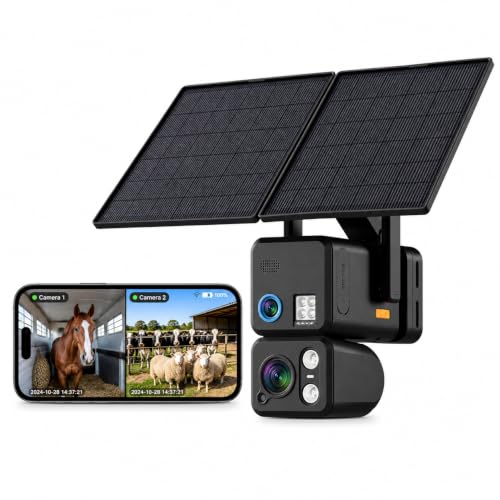


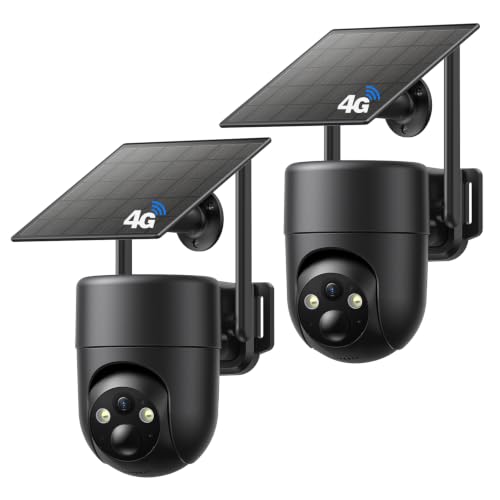
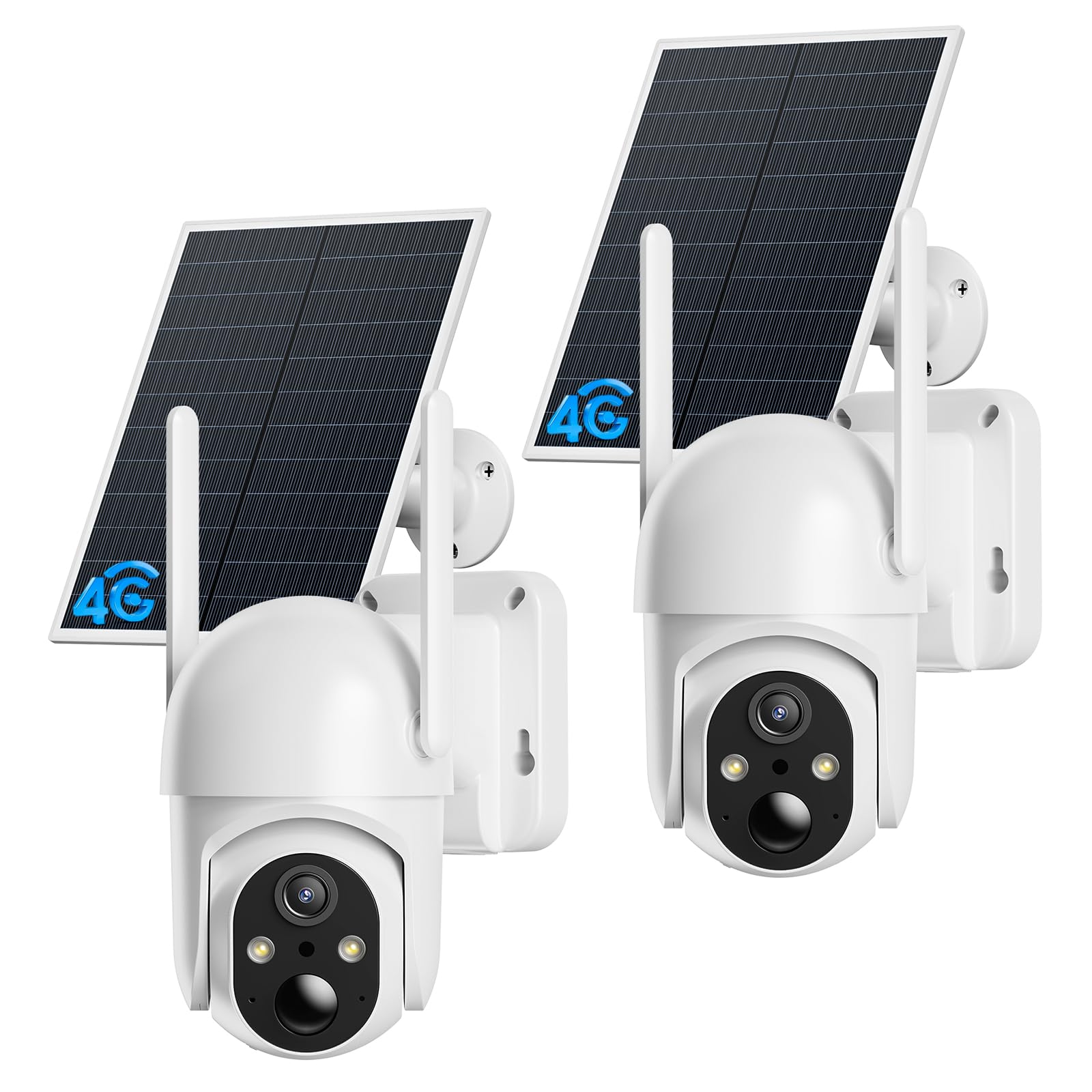
Calving Barn Cameras 101: The Basics for New Buyers
A calving barn camera is a fixed camera mounted above or beside a pen. It sends live video through your barn network or a cellular signal to an app on your phone or tablet. Most models record to a memory card or a cloud account, so you can review what happened while you were away. Unlike a trail camera, it is built for constant watching, not occasional photos.
That constant, clear view at night is what separates the best calving barn cameras from a general yard camera. A yard camera guards doors and fuel tanks, while a calving camera has one narrower task: show a cow clearly enough to judge pacing, tail raising, and contractions, and to see if a calf is coming normally. Shoppers who begin with the shorter term can also see our guide to the best calving cameras, which covers the same pen watching job.
Who Should Buy Which Calving Barn Camera Setup?
Owners Watching One or Two Pens Near the House
If your calving pen sits close to the house and your WiFi already reaches the barn, one fixed wide angle camera is usually enough. Mount it high in a corner so the whole pen fits in one still frame, and choose corded power so the camera never sleeps during a long labor. This simple setup suits small herds where only one or two cows are due at once.
Herds Watching Several Pens in a Busy Season
When several cows are due in the same week, a motorized camera that pans and tilts between pens saves you from buying a camera for every pen. Look for saved preset positions, so one tap in the app swings the view from pen to pen. You still need a clear line of sight down the row, since a camera cannot see through a solid divider.
Farms Where the Barn Sits Far From the House
A barn hundreds of feet from the house, or one with metal walls, often defeats a household WiFi signal. In that case choose a wired camera fed by a buried or overhead cable, or a cellular camera that sends video over a mobile signal for a monthly fee. A camera that drops its connection at midnight is worse than none, since it can leave you trusting a frozen frame.
Key Features to Compare
Night Vision That Reaches the Back of the Pen
Most calving happens in the dark, so night vision is the feature to judge first. Infrared lights let the camera record a black and white picture in total darkness, and makers state a range in feet for that light. Choose a rated range longer than the depth of your pen, since the far corners always look darker than the center of the frame. Treat the night picture, not the day picture, as the real test of any model.
Pan, Tilt, and Zoom Coverage for Calving Pens
A fixed camera shows one wide view and never moves, which is fine for a single small pen. A pan and tilt model turns side to side and up and down from the app, so you can follow a restless cow around the pen. Optical zoom matters here because it magnifies with the lens and keeps detail, while digital zoom only enlarges pixels and quickly turns soft. When you zoom in on a presenting calf, favor true optical zoom over a large digital zoom number.
Resolution and Detail at a Distance
Resolution decides how much fine detail survives when the cow is far from the lens. A 1080p picture is usually enough for one pen viewed from a corner mount about 10 to 15 feet away. Stepping up to 2K or 4K video helps when the camera sits farther back or when you want to read an ear tag from the house. Higher resolution also fills memory cards faster, so pair it with a larger card.
Connectivity That Survives Barn Walls and Distance
Stand at the planned mounting spot and check the signal on your phone first, since metal siding and concrete can cut WiFi strength sharply. A wired connection is the most stable choice where you can run cable, and it never competes with other devices for bandwidth. Where cable is not practical, see our guide to the best wireless barn cameras for models built around longer range links. Cellular cameras are the fallback for remote barns, and they need a data plan sized for hours of nightly viewing.
Power Options and Weather Resistance in the Barn
Corded power is the safest choice for a camera that must record all night for weeks, because there is no battery to fade during a long labor. Battery models suit pens with no outlet nearby, but they need regular charging or a solar panel in good sun. The housing should be weatherproof against driven rain, dust, and damp air, with sealed cable entries, since barn air carries moisture and ammonia that corrode cheap fittings. A camera that survives a porch may still fail early inside a working barn.
Installing Your Barn Camera Before Calving Season
Install at least a week before your first due date, so you can fix problems while nothing is calving.
- Pick a corner mounting point about 8 to 12 feet high, looking down the length of the pen.
- Hold the camera in place and check the live phone view and the signal strength before you drill anything.
- Mount the camera firmly, run cable where cattle and gates cannot rub it, and seal entry holes.
- Aim the view so bedding, water, and the gate all fit in the frame.
- After dark, check the night picture from the house and adjust the angle until no corner sits in shadow.
Rookie Mistakes to Avoid
- Mounting the camera directly over the pen center, so you see only backs and cannot judge how a calf is presenting.
- Judging a camera by its daytime picture alone, so the first dark night reveals a corner the infrared light never reaches.
- Trusting barn WiFi without testing the signal at the mounting spot, so the feed freezes during the one check that matters.
- Setting motion alerts so loose that bedding movement triggers them all night, so you mute the app and miss a real alert.
- Waiting until the first cow is due to install the camera, so aiming problems surface during a calving instead of before it.
Care and Maintenance for Calving Barn Cameras
Barn dust and cobwebs dim a lens faster than most owners expect. Wipe the lens with a soft lens cloth, not your shirt, since gritty fabric can scratch the coating, and clear webs from the infrared lights at the same time. Check the mount and cable run before each season, look for rodent damage, and confirm the seals around cable entries still sit tight.
Once calving ends, many owners leave the camera running for general barn watching, and our guide to the best barn cameras covers that wider job. For yard and equipment views, see our guide to the best barn security cameras as well. Before the next season, format or replace the memory card and run one full night test.
Calving Barn Cameras: Your Questions Answered
How much should a first time buyer spend on calving barn cameras?
A simple WiFi camera for one nearby pen usually costs about $80 to $150, while pan and tilt models with stronger night vision run about $150 to $300. Cellular models cost more and add a monthly data fee. Keep part of your budget aside for the mount, extra cable, and a memory card, since those extras are easy to forget.
Can calving barn cameras work in a barn without internet service?
Yes, many cameras record to a memory card with no internet at all, for later viewing at the barn. What you lose is the live phone view and the alerts, which are the main reason most owners buy one. A mobile hotspot in the barn is a middle path, but watch its data limit, since live video uses far more data than still photos.
Is a smartphone enough for watching calving barn cameras, or do you need a monitor?
A smartphone is enough for most owners, since the app shows the live view, past recordings, and alerts in one place. One handy upgrade is an old tablet kept by the bed during calving season, with the pen view open all night. That spares your phone battery, and a partner can check the cow without waking you for the password.
Can one calving barn camera cover more than one pen?
Yes, one pan and tilt camera can cover two or three pens if they sit in a row with open fronts. Solid dividers change the answer, since the camera cannot see through them no matter how wide it turns. In barns with divided pens, two fixed cameras often cost less than one large motorized model and give you both views at once.
The Bottom Line
For a first season, focus on three things: night vision that reaches the whole pen, a connection that holds through barn walls, and coverage that fits your pen layout. For most first time buyers, the best calving barn cameras are the ones that stay connected every night and show a presenting calf clearly at three in the morning. Match the camera type to your barn using the product table above, and install before the first due date.


