
Best Calorie Counter Watches 2026: Buying Guide
Disclosure: We may earn a commission when you buy through links on this page, at no extra cost to you. As an Amazon Associate I earn from qualifying purchases. Learn more

Learn how to choose a calorie counter watch by sensor accuracy, battery life, app reporting, comfort, and honest limits for daily activity tracking.
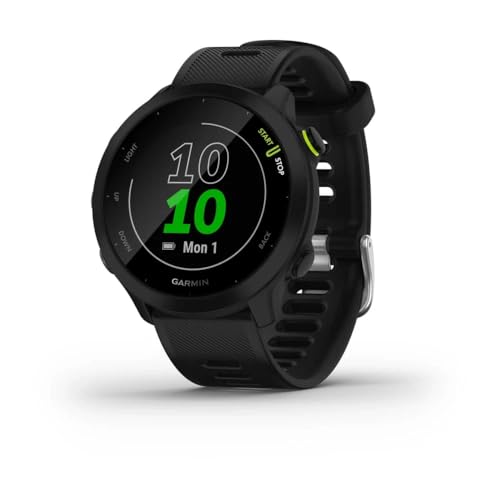
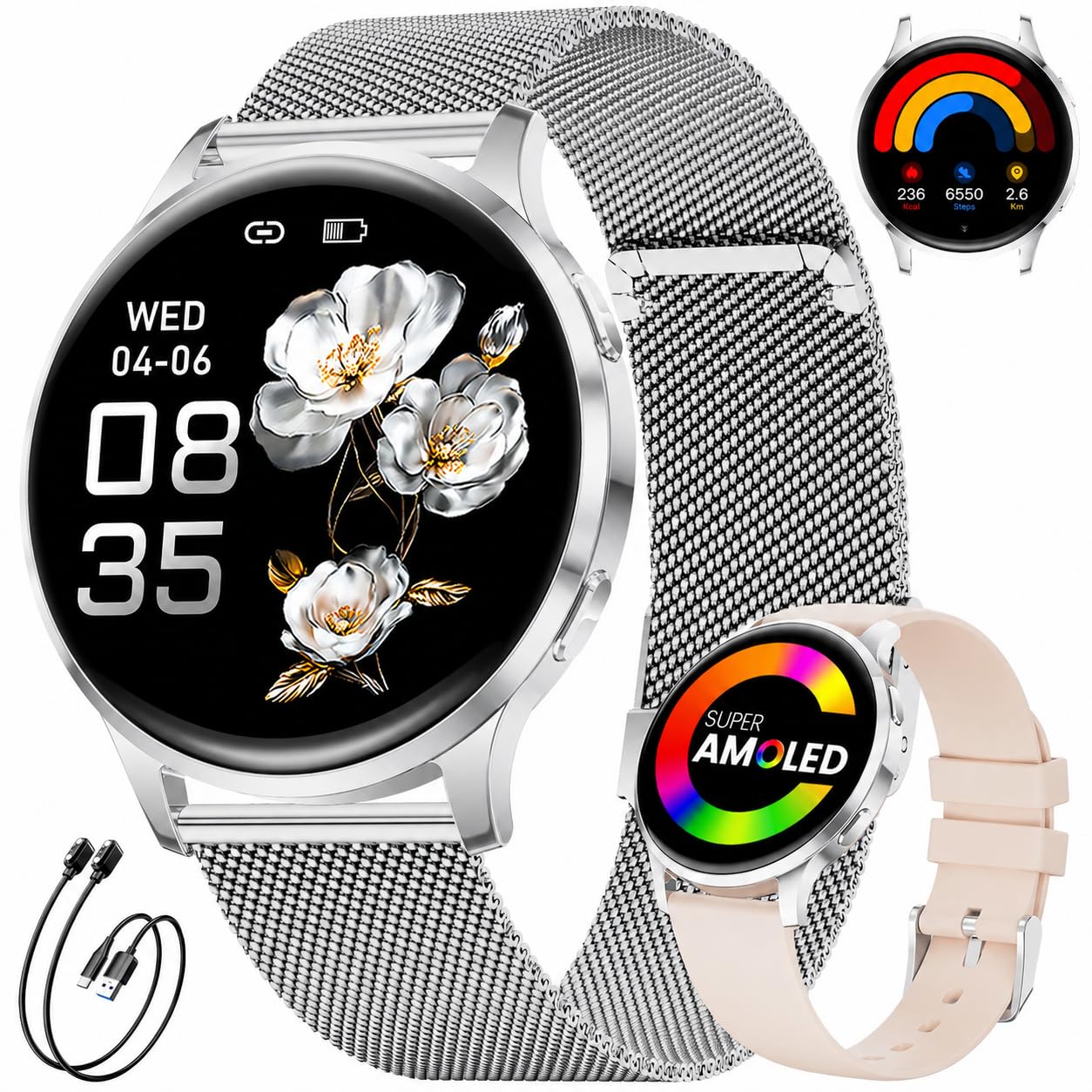
Choosing among best calorie counter watches starts with honest expectations, because wrist estimates guide habits rather than measuring exact energy use. The comparison table below helps you compare sensors, battery life, and reporting, so you pick a watch that motivates steady activity without misleading you.
Think about how you move: walking, running, gym sessions, swimming, or mixed days all stress different sensors. A watch that tracks your main activity well and feels comfortable all day will serve you better than a feature packed model you leave in a drawer.




How Calorie Estimates Actually Work
Calorie estimates combine heart rate, movement, age, weight, and activity type into a model, which is why two watches can differ on the same workout. Wrist heart rate sensors work best during steady exercise and less well during intervals, strength training, or activities with heavy wrist movement. Treat daily totals as trends over weeks, not as precise numbers for a single meal or workout.
Accuracy improves when you enter honest height, weight, and age, wear the watch snugly above the wrist bone, and choose the correct activity mode. Even then, estimates carry error, so avoid using them to justify large extra meals or to chase exact daily targets. The value lies in comparing your own weeks, not in comparing your watch to someone else device.
Sensors, Heart Rate, and Activity Modes
Heart rate sensing is central to calorie estimates, so look for a sensor that stays stable during your main workouts and recovers quickly after intervals. GPS helps for outdoor runs and rides by adding distance and pace, while indoor modes rely more on movement and heart rate alone. If swimming matters, check water resistance and swim modes, since not every watch tracks pool lengths reliably.
Activity modes should include your regular workouts without burying them in menus, and automatic detection helps when you forget to start a session. Sleep tracking adds context, since rest affects appetite and energy, but sleep stages on wrist devices are estimates too. Choose sensors for your real routine, not for sports you rarely do.
Battery Life and All Day Comfort
Battery life decides whether tracking stays continuous or breaks with frequent charging, so a watch that lasts several days suits habit tracking better than one needing daily charging. GPS and bright displays drain battery fastest, so check battery figures for your typical mix of GPS workouts and everyday use. Charging habits matter too, since a watch that charges quickly during a shower is easier to live with than one needing hours on a dock.
Comfort decides wear time, and wear time decides data quality, so strap material, weight, and case size all matter. A watch that irritates skin, catches on sleeves, or feels heavy at night will spend nights off your wrist, leaving gaps in sleep and recovery data. Try strap options and check skin sensitivity, especially if you sweat heavily during workouts.
Apps, Reports, and Goal Setting
App reporting should show daily totals, activity breakdowns, trends over weeks, and resting heart rate in a way you understand at a glance. Complicated charts that you never open add little value, while simple weekly trends help you spot patterns such as active weekdays and quiet weekends. Check whether data exports or syncs to other health apps you use, since locked data frustrates long term tracking.
Goal setting works best when targets are realistic and adjustable, such as a daily active minutes goal rather than an exact calorie burn that the watch cannot measure precisely. Avoid goals that encourage overtraining or under eating, and treat calorie figures as guidance for activity, not as a diet prescription. If you have eating or health concerns, discuss targets with your clinician rather than following app defaults blindly.
Limits, Health Warnings, and Safe Use
Wrist calorie estimates should never replace medical advice, and watches are not medical devices for diagnosing conditions, even when they show heart rate or oxygen estimates. Seek prompt care for chest pain, severe breathlessness, dizziness, fainting, or a racing heartbeat that does not settle, regardless of what a watch displays. If a watch shows persistently unusual readings, confirm with a proper medical device and talk with your clinician.
Also be cautious with calorie goals if you have a history of disordered eating, diabetes, heart disease, or pregnancy, since app targets are generic and may not suit your needs. Share watch trends with your clinician when relevant, but let professional guidance set health targets. A watch is a motivator, not a doctor, and using it that way keeps tracking healthy.
Avoiding Common Tracking Mistakes
A common mistake is chasing a daily calorie number so closely that you overtrain or undereat, when weekly trends and how you feel matter far more. Another mistake is wearing the watch loosely during workouts, which degrades heart rate data and makes estimates jumpy. Finally, do not compare your totals directly with friends, since age, weight, and sensor differences make direct comparison misleading.
Also avoid ignoring rest, since recovery days, sleep, and stress affect activity and appetite in ways a watch only partly captures. Review trends weekly, adjust goals gradually, and keep the watch updated for sensor improvements. Steady, honest tracking beats intense short bursts that end in burnout.
Related Guides for Your Shortlist
If steps matter more than calories, the guide to best step counter watches covers pedometer accuracy and goals.
For counting focused use, the guide to best watches for calorie counting covers daily total reporting.
A Final Check Before You Order
Before trusting a new watch, wear it for two weeks across varied activities and compare its trends with how you actually feel, rather than reacting to single day numbers. This baseline period reveals sensor quirks during your specific workouts and helps you set realistic goals based on your own patterns. Note which activities track well and which do not, so you interpret future data with appropriate caution.
Also decide how you will review data, such as a weekly glance at active minutes, resting heart rate, and sleep patterns, rather than constant checking that fuels anxiety. Weekly review supports steady habits, while hourly checking encourages overcorrection and frustration. Set a regular review time and treat the watch as a weekly coach, not a minute by minute judge.
Finally, keep the watch updated and the strap clean, since software updates improve sensors and a clean strap prevents skin irritation that interrupts tracking. Replace straps when they wear, charge during a routine moment such as showering, and keep goals flexible during illness, travel, or recovery. Sustainable tracking respects real life rather than demanding perfection.
Frequently Asked Questions
How accurate are calorie counter watches?
Calorie counter watches give useful trends rather than exact figures, because they estimate energy use from heart rate, movement, and personal data. Accuracy is best during steady exercise and weaker during intervals, strength work, or wrist heavy activities. Use weekly trends to judge progress, not single day totals, and do not base meals on exact watch numbers.
Do I need GPS for calorie tracking?
GPS helps for outdoor runs, rides, and hikes by adding accurate distance and pace, which improves estimates for those activities. For indoor workouts, walking, and gym sessions, heart rate and movement matter more than GPS. Choose GPS if you train outdoors often, and prioritise heart rate stability if most workouts happen indoors.
How long should battery last for daily tracking?
For daily tracking, a battery lasting several days works best, because it keeps sleep and activity data continuous without daily charging gaps. GPS workouts drain battery fastest, so check figures for your workout mix. A watch that charges quickly during a shower or morning routine is easier to keep in continuous use.
Can a calorie watch help with weight loss?
A calorie watch can help by showing activity patterns and encouraging regular movement, which supports a broader healthy routine. It cannot measure food intake or exact energy balance, so weight management still depends on diet, sleep, activity, and professional guidance where needed. Use the watch as a motivator, not as a precise calorie ledger.
When should I ignore watch readings and seek care?
Seek prompt care for chest pain, severe breathlessness, dizziness, fainting, or a racing heartbeat that does not settle, regardless of watch readings. If readings look persistently unusual, confirm with a medical device and talk with your clinician. Watches are not diagnostic tools, so symptoms always outweigh screen numbers. Keep a note of symptoms and readings together, since that record helps your clinician judge whether further testing is needed promptly.
Final Thoughts
When sensors, battery, comfort, and honest limits are weighed together, best calorie counter watches become a helpful habit tool, and the product table above helps you compare the realistic options. Choose the watch you will wear daily and whose trends you understand.
Talk with your clinician about activity and nutrition goals if you have health conditions or specific targets, rather than following app defaults alone. A watch that encourages steady movement without misleading precision is the right companion for the long term.


