
Best Calcium with Vitamin D3 Tablets: What Actually Matters Before You Buy for 2026
Disclosure: We may earn a commission when you buy through links on this page, at no extra cost to you. As an Amazon Associate I earn from qualifying purchases. Learn more

Run through a clear checklist for the best calcium with vitamin d3 tablets, covering dosage, testing, price per serving, and the label red flags to avoid.
Two bottles can promise the same headline dose and still differ sharply in form, testing, and how many tablets you must swallow each day. A short checklist cuts through that noise, which is why this guide is built around one. The best calcium with vitamin d3 tablets for you are the ones that pass every point on it, not the ones with the longest label.
Work through the criteria below in order, then test any candidate against the quick buyer checklist near the end. Use the comparison table below to compare amounts per serving while you do so.
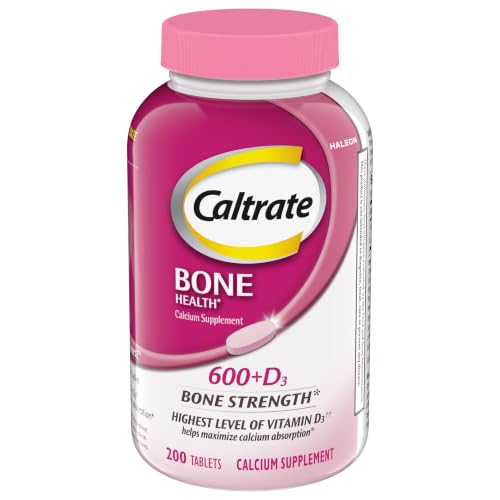


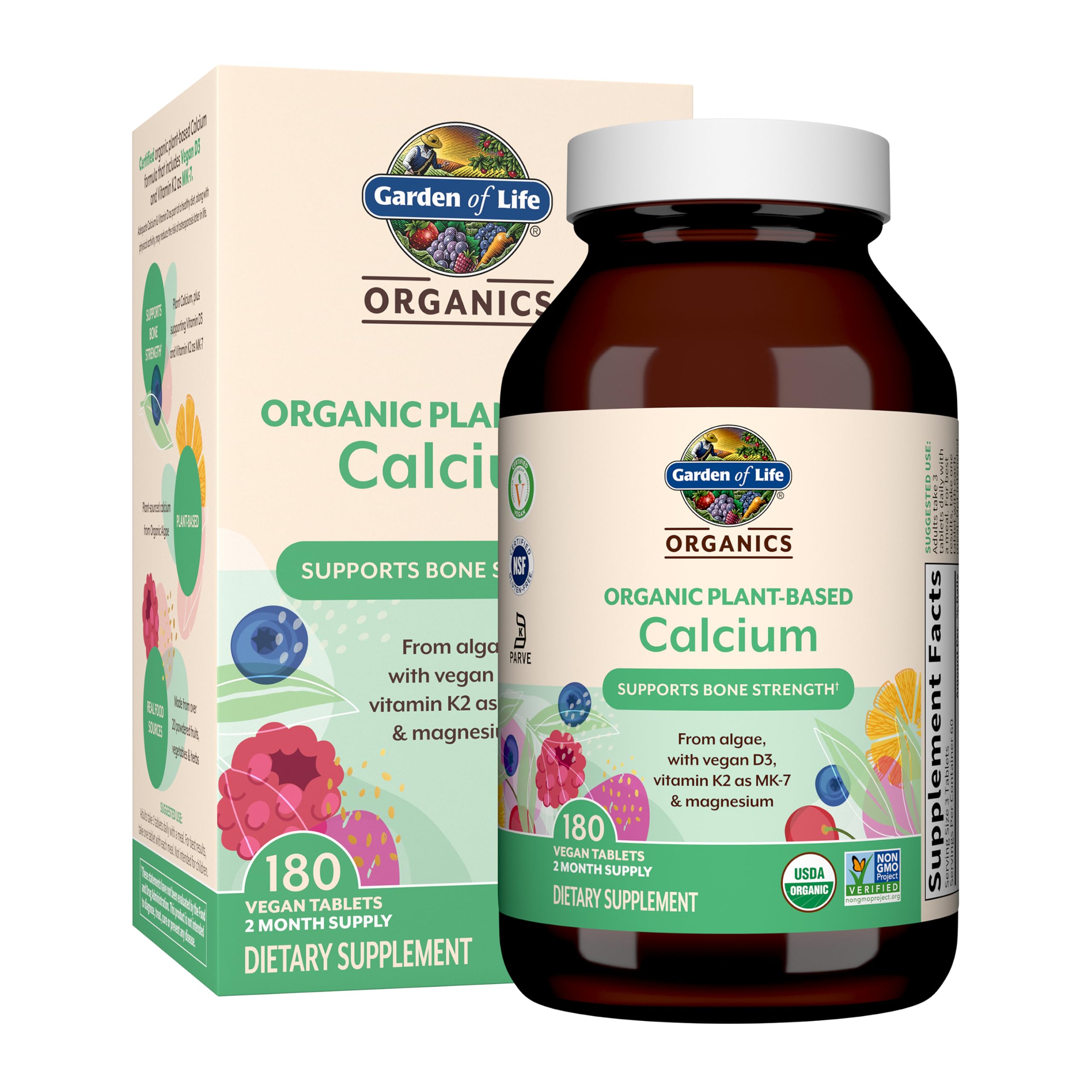


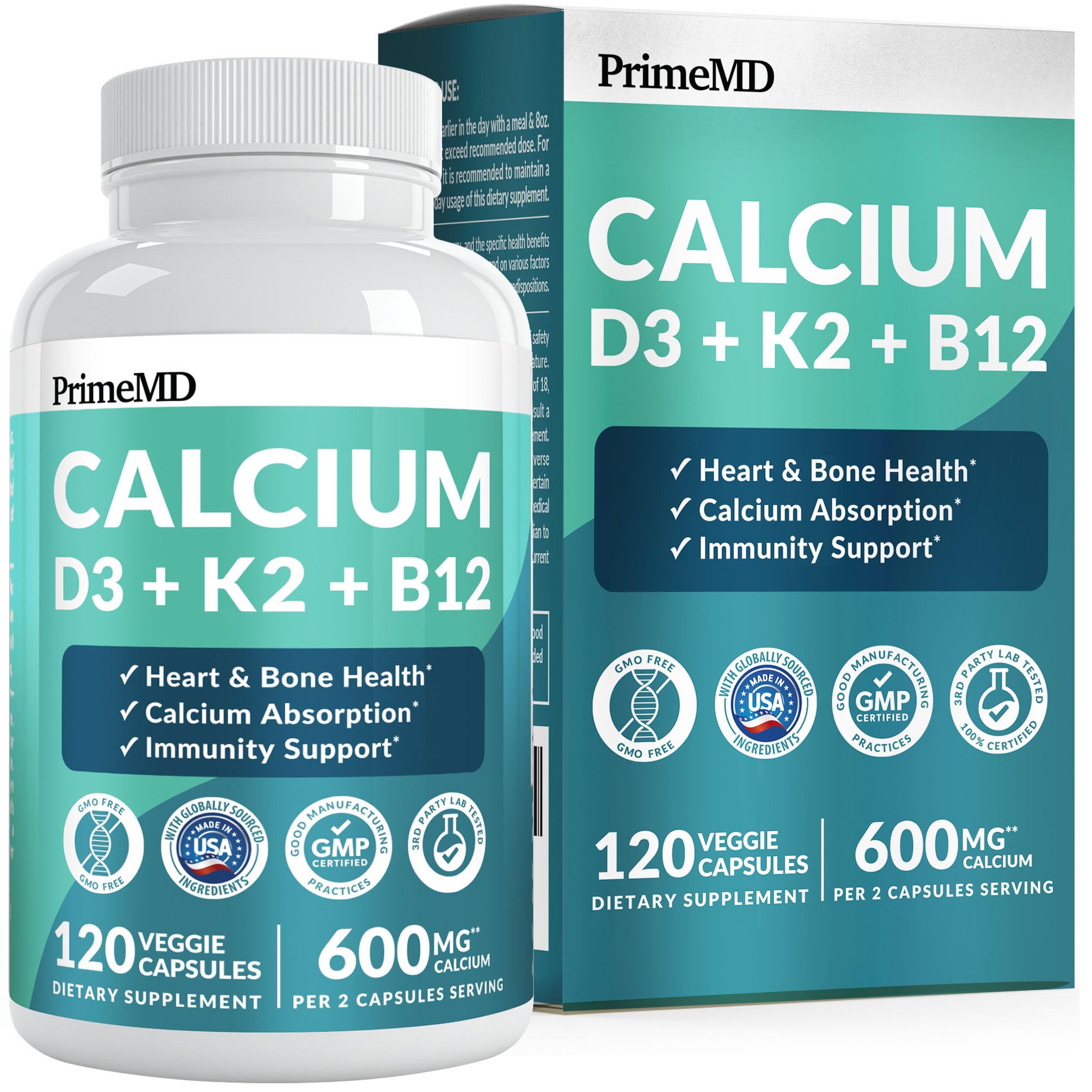
How We Evaluate the Best Calcium with Vitamin D3 Tablets
Each criterion below has a simple pass test you can apply in the store or online. A product does not need to be perfect on every point, but it should never fail on dose clarity or testing.
Why Choose a Calcium With Vitamin D3 Tablet
Vitamin D3, also called cholecalciferol, is the form your skin makes in sunlight and the form used in most supplement research, and it raises blood vitamin D levels effectively. Pairing it with calcium in one tablet removes a second bottle and a second habit. The drawback is fixed ratios, so your calcium and D3 doses always rise together. If your clinician wants you to adjust one without the other, separate products give you that control, and our guide to the best vitamin d3 tablets covers the standalone option.
Active Ingredients and Dosage per Serving
A clear label states elemental calcium per serving and D3 in international units, without hiding either inside a proprietary blend. General guidance from the National Institutes of Health puts adult calcium needs at about 1,000 to 1,200 mg daily from all sources and vitamin D at about 600 to 800 IU, with upper limits that supplements should not push you past. Count servings honestly, because a dose listed per two tablets doubles your daily tablet count. This is population guidance, not personal dosing advice.
Brand Transparency
Look for the calcium form named in plain language, the source of the D3, a full allergen statement, and a way to contact the maker with lot questions. Brands that publish a certificate of analysis or explain their sourcing earn more trust than brands that rely on vague purity language. Transparency also means admitting that supplements are not approved by the Food and Drug Administration before sale as medicines are. If a label promises to treat or cure a condition, that overreach alone is a reason to choose another brand.
Added Sugars, Fillers, and Allergens
Standard tablets usually carry no sugar, while chewable and gummy styles often add one to three grams per serving. Fillers, coatings, and flow agents are normal and safe at typical levels, but they can include soy, dairy, or gluten related ingredients that matter to some buyers. Check whether the D3 source fits a plant based diet, since many brands use lanolin from wool while others use lichen. Fewer unnecessary colorings and sweeteners usually means a cleaner fit for daily use.
Price per Serving
Ignore bottle price and divide by the number of days the bottle lasts at the full label dose. A bottle at around $18 that lasts one month costs more than a bottle at around $24 that lasts two. Then add shipping, and consider whether a subscription discount tempts you into stockpiling more than you will use before expiry. Price per serving also exposes serving tricks, where a low headline price depends on taking half the dose most buyers actually need.
Third Party Testing: USP, NSF, and ConsumerLab
Independent testing matters because no regulator approves these supplements before they reach shelves. A USP Verified mark, NSF certification, or a ConsumerLab pass means samples were checked for identity, strength, breakdown in the body, and common contaminants such as lead. Testing does not prove a product will improve your health, but it does prove the bottle contains what the label claims. Given a choice between two similar formulas, the tested one is the safer buy at almost any small price gap.
How Checklist Results Differ by Buyer
The same checklist produces different winners for different people. These three profiles show how to weight the criteria once a product passes the basics.
Best Overall Fit for Most Adults
Most adults should weight dose clarity, testing, and tablet size most heavily. A midrange citrate or carbonate formula with clear elemental calcium, a sensible D3 amount, and a verified seal will serve you well. Take carbonate with meals, or choose citrate if your schedule is irregular. Reading about the best time to take calcium and vitamin d3 tablets will help you place the dose where it does the most good and conflicts with nothing else you take.
Best Value Profile
Value focused buyers can accept carbonate form, larger tablets, and plain packaging in exchange for a low cost per day. What you should not give up is a clear supplement facts panel and basic quality testing, since an unverified bargain can cost more if the dose is unreliable. Buy the bottle size that matches about two to three months of use. Larger tubs look cheaper per tablet but lose value if they expire or if your clinician changes your plan.
Best Profile for Heavy Daily Use
If you will rely on tablets as your main calcium source for a long period, comfort and verification move to the top of the list. Smaller coated tablets or a split dose format protect your routine, and published testing protects you over years of repeat purchases. Track your total intake from food and other supplements at least once a year, since diets drift. Heavy use also raises the stakes on kidney health, so periodic clinician review is part of the purchase decision, not an optional extra.
Quick Buyer Checklist
- Does the label state elemental calcium per serving in plain numbers?
- Is the calcium form named, carbonate or citrate, with no proprietary blend hiding it?
- Does the vitamin D3 amount fit what you already get from food and other supplements?
- Is there a USP, NSF, or ConsumerLab testing mark you can verify?
- Can you swallow the tablet size shown, at the full number of tablets per serving?
- Does the allergen statement fit your diet and restrictions?
- Does the cost per day, not per bottle, fit your monthly budget?
- Have you checked the timing against your other medicines with a pharmacist?
Red Flags to Watch For
- Disease claims on the label, such as treating osteoporosis, which supplements may not legally promise.
- Proprietary blends that hide the amount of calcium or D3 per serving.
- No testing information, no lot number, and no way to contact the maker.
- Doses so high that one serving nearly reaches the daily upper limit before food is counted.
- Pressure tactics, such as auto renewal terms that are hard to cancel or huge bottles for first time buyers.
Related timing questions come up often with these products, and our page on the best time to take vitamin d3 tablets answers the D3 side of the schedule in detail.
Care and Maintenance Tips
Talk to your doctor before starting any supplement, especially if you have kidney disease, a history of kidney stones, or high blood calcium. Store tablets in a cool, dry place away from bathroom humidity and direct sun, and keep the container sealed. Do not exceed the label dose to catch up after missed days, since steady intake works better than spikes. Set a phone reminder until the habit is automatic, and bring the bottle to appointments so your care team sees the exact formula.
FAQs
Who should avoid calcium with vitamin D3 tablets?
People with high blood calcium, certain kidney conditions, a history of calcium based kidney stones, or parathyroid disorders should avoid starting without direct medical advice. So should anyone whose clinician is already managing their vitamin D level for a specific condition. Children need child appropriate products and doses. When your medical history is complicated, the safe move is to ask first and buy second, even if the product looks gentle and widely used.
Are calcium with vitamin D3 tablets safe to take every day?
For many adults, daily use within published intake limits is generally considered safe, and consistency is how supplements are meant to be used. Risk grows when several products stack calcium and D3 without your noticing, or when doses stay high for years without review. Warning signs such as kidney stones, ongoing nausea, constipation, or unusual thirst deserve prompt medical attention. A yearly review of your supplement list with your clinician keeps daily use sensible.
Do calcium with vitamin D3 supplements actually work?
They do the job they are meant to do, which is supplying nutrients your diet may lack, and vitamin D supports the absorption of calcium for normal bone maintenance. They are not medicines and do not treat osteoporosis, fractures, or deficiency on their own. Anyone diagnosed with a deficiency needs a clinician led plan, which may include higher prescription doses and follow up blood tests. Judge supplements as nutritional support, not as therapy.
When is the best time to take calcium with vitamin D3 tablets?
Take them with a meal that contains some fat if the form is carbonate, since food improves absorption of both nutrients. Citrate gives you more freedom and can be taken between meals. Split daily amounts above about 500 mg of calcium into two sittings for better uptake. Keep the dose a few hours away from iron and certain prescription medicines, and check your own list with a pharmacist.
Can you get enough calcium and vitamin D from food instead?
Often yes, and food should be your first source. Dairy foods, fortified drinks and cereals, leafy greens, almonds, and canned fish with soft bones can cover calcium, while oily fish, fortified foods, and sunlight support vitamin D. Shortfalls are common in winter and in restricted diets, which is where tablets earn their place. If you want a broader comparison, see how these differ from the best calcium tablets with vitamin d in general.
Wrapping Up
Run every candidate through the checklist, weigh dose clarity and testing above all else, and match the profile to your routine using the product table above. Do that and the best calcium with vitamin d3 tablets for your household become easy to spot. Talk with your clinician about your personal needs, your other medicines, and how long you should keep taking them.


