
Best Calcium Tablets Name: A First Time Buyer's Guide for 2026
Disclosure: We may earn a commission when you buy through links on this page, at no extra cost to you. As an Amazon Associate I earn from qualifying purchases. Learn more

Learn how to read the best calcium tablets name on any label with this first time buyer guide to forms, elemental doses, combined products, and checks.
Shelf labels throw names at you in every direction, carbonate, citrate, combined formulas, and house brands, and it is hard to know which name actually matters. This guide teaches you how to read a best calcium tablets name the way a pharmacist does, by looking past the front of the bottle to the form, the elemental dose, and the serving size. Once you can decode a name, comparing any two bottles takes about a minute.
Glance at the comparison table below, then work through the naming basics. You will finish with a simple method you can reuse in any store or online listing, whatever brands come and go.
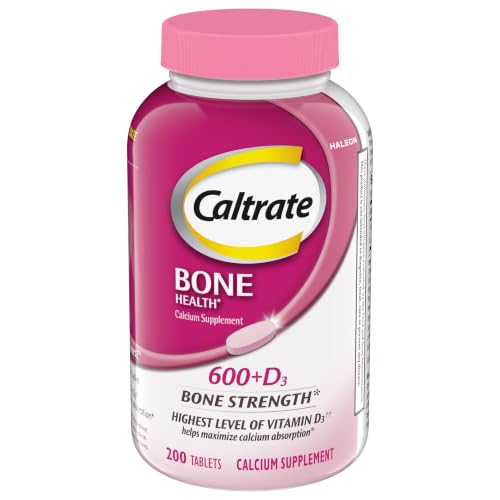


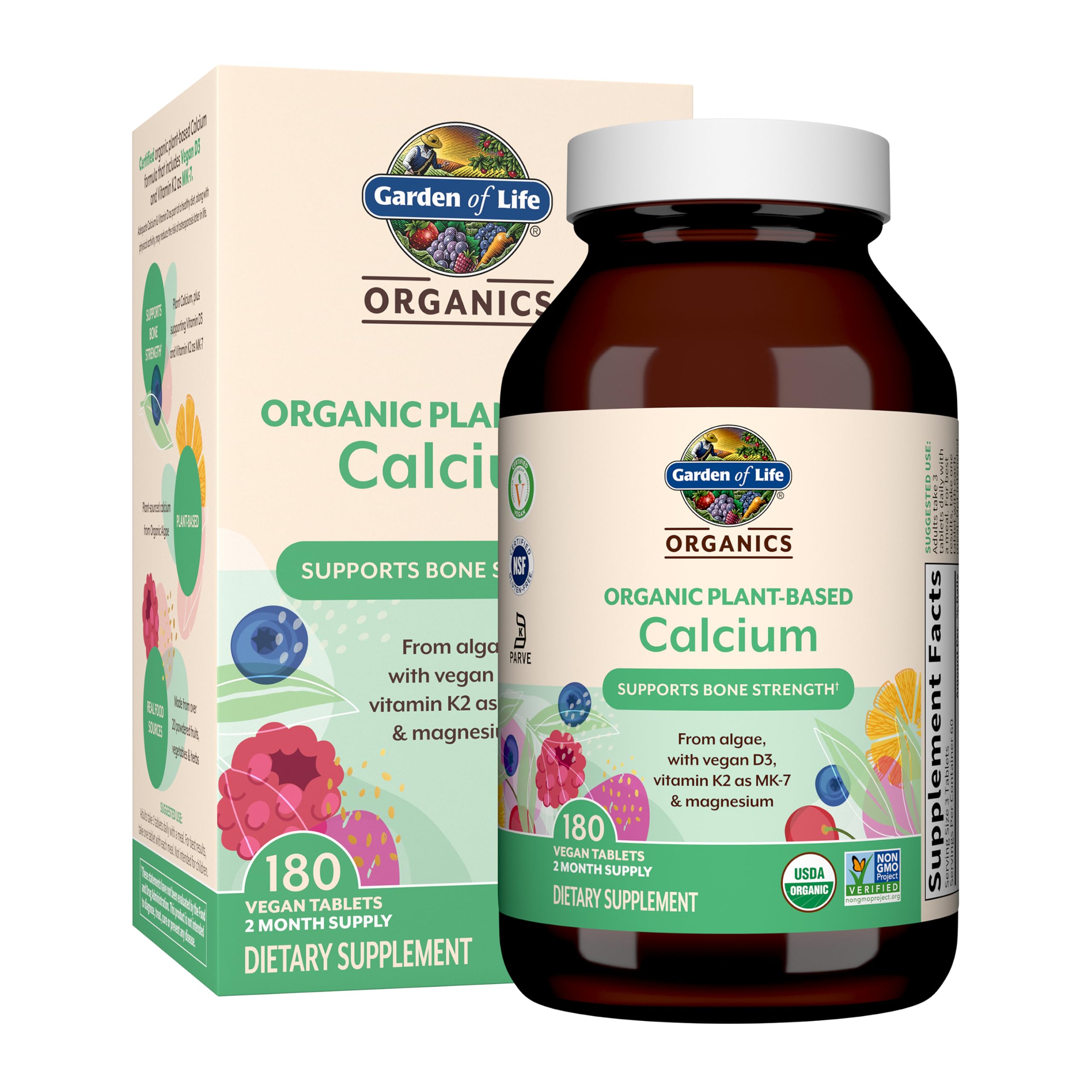


Calcium Tablets Names 101: The Basics
A calcium tablet name has three layers. The brand name is marketing and tells you nothing about quality. The form name, such as calcium carbonate or calcium citrate, tells you which compound delivers the calcium and how it behaves in your stomach. The strength statement tells you how much elemental calcium each serving gives, and that figure decides how well the product fills your daily gap.
Elemental calcium is the usable amount, and it is always a fraction of the compound weight, about 40 percent for carbonate and about 21 percent for citrate. Serving size is the quiet trap, because a label may print a strong dose that needs two or three tablets to reach. When you compare names, compare elemental calcium per serving and per tablet, and ignore the largest number on the front panel.
Key Specs Explained in Plain English
Calcium Carbonate Names
Names built on carbonate signal the most calcium per tablet and usually the lowest price per bottle. These products suit people who take supplements with meals and want few tablets a day. The limits are stomach related, since carbonate needs acid to dissolve and can cause gas or constipation for some users. If a carbonate product also lists vitamin D, that pairing helps absorption. Expect serving sizes of one or two tablets giving about 500 to 600 mg of elemental calcium in total.
Calcium Citrate Names
Citrate names signal gentler handling and flexible timing, because this form absorbs well with or without food and needs little stomach acid. Each tablet holds less elemental calcium, so daily routines often involve more pieces. Citrate suits older adults, people using acid reducing medicine, and anyone who found carbonate hard on the stomach. The price per milligram runs higher, so weigh comfort against cost. When a name lists citrate plus vitamin D, you get the flexible form with absorption support in one bottle.
Other Form Names You May See
Pharmacy shelves also carry names such as calcium phosphate, lactate, and gluconate, plus blends that mix two forms. Lactate and gluconate are mild but carry little elemental calcium, so they rarely anchor a daily routine. Blends can balance cost and comfort, yet they make dose math harder, so read the elemental figure carefully. Hydroxyapatite names point to a bone derived source some buyers prefer and others avoid. When in doubt, the elemental dose and serving size still decide the value.
Elemental Dose and Serving Size
Most adults need about 1,000 to 1,200 mg of calcium a day from food and supplements together, and single servings of about 500 mg or less absorb best. A good label states the elemental amount clearly and shows how many tablets make a serving. Divide the bottle price by the number of servings, not the number of tablets, to find the real cost per day. Our wider guide to the best calcium tablets applies this same math across many label styles.
Added Nutrients in the Name
Many names add plus D, plus magnesium, or a bone formula tag. Vitamin D is genuinely useful because it supports absorption, and modest magnesium is common and harmless for most people. Long extra lists, though, often mean tiny doses of each ingredient and a higher price. Check whether an added nutrient duplicates something in your multivitamin. If you also take the best fiber tablets, keep the doses a few hours apart so minerals absorb without competition from a large fiber serving.
Quality Seals and Label Claims
Supplements are not approved by the Food and Drug Administration before sale the way medicines are, so the testing story behind a name matters. Seals from independent programs such as USP or NSF mean samples were checked for content and purity. Claims like natural, pure, or advanced formula are unregulated wording and prove nothing. A trustworthy label prints a lot number, an expiry date, full contact details, and a complete ingredient list without hiding doses inside blends.
Best Calcium Tablets Names for Specific Needs
Best Iron and Calcium Tablets Name: Tips for First Time Buyers
If you are hunting for the best iron and calcium tablets name on a combined product, apply three extra checks. First, confirm the elemental amounts of both minerals per serving, because combined formulas often give modest doses of each. Second, remember that iron and calcium compete for absorption, so many clinicians prefer them at different times of day even when a combined tablet exists. Third, ask your doctor whether you need iron at all, since iron is only helpful when a deficiency or a clear risk is present.
Rookie Mistakes to Avoid
- Trusting the front label dose. The big number may describe several tablets or the compound weight, not elemental calcium.
- Choosing by brand fame. A famous name can still hide a weak dose or an awkward serving size.
- Ignoring the form. Carbonate taken on an empty stomach by someone with low acid may deliver far less than expected.
- Paying for long extra lists. Tiny amounts of many added nutrients rarely justify a premium price.
- Skipping the expiry date. Old stock loses strength, and deep discounts sometimes hide short dating.
Getting Started: Setup and First Use
When your bottle arrives, read the full label once before the first dose, note the serving size, and write your daily target on a card kept with the bottle. Take the first doses with a meal and a full glass of water, and start with one serving a day for a week to watch for constipation or nausea. Set a phone reminder or pair the dose with an existing habit, such as breakfast, so the routine survives busy days.
Recheck your food intake after a month, because better meals may shrink the gap the tablet needs to fill. Store the bottle in a cool, dry place, keep sweet chewable forms away from children, and bring the bottle itself to medical appointments so your clinician sees the exact name, form, and dose you use.
Calcium Tablets Names: Your Questions Answered
What does the name of a calcium tablet actually tell you?
The useful parts of a name are the compound, such as carbonate or citrate, and the strength per serving. Those two facts predict cost, tablet count, stomach comfort, and timing rules. Brand words and claims like advanced or natural add no reliable information, so judge the label panel instead of the front of the bottle.
How long should a bottle of calcium tablets last?
A bottle lasts its tablet count divided by your daily serving, so a 120 tablet bottle at two tablets a day runs about two months. Check that this span ends before the expiry date, because a huge bottle that expires mid use wastes money. Buying a size you finish within three to six months keeps potency and value in balance.
How much calcium per tablet is a good amount?
About 200 to 300 mg of elemental calcium per tablet is a practical range, because servings of 500 mg or less absorb best and splitting doses stays easy. Very high dose tablets often cause more stomach trouble and leave less flexibility. Match the per tablet figure to your measured diet gap rather than chasing the largest number.
Is a famous brand name worth paying more for?
Not by itself, because fame does not guarantee dose accuracy or purity. Pay more only for verifiable extras, such as independent testing seals, a form your stomach needs, or a serving size that fits your routine. Shoppers comparing women focused labels can cross check with the best calcium tablets for ladies guide, which uses the same label checks.
Can one tablet supply calcium and iron well together?
A combined tablet can supply both, but the minerals compete for absorption, so separate timing often works better in practice. Combined products suit people whose clinician wants convenience over maximum absorption. If low iron is a real concern, ask about blood tests and a spacing plan, and read about the best collagen tablets only as a separate topic, since collagen supplies neither mineral.
Wrapping Up
Read every name in three parts: the form for comfort and timing, the elemental dose for real value, and the serving size for daily effort. Add a testing seal and a sane price per serving, and most labels sort themselves quickly. Compare your finalists with the product table above, and confirm your reading of the best calcium tablets name with a pharmacist or your clinician before you commit to a long routine.


