
Best Calcium Tablets for Teeth: A First Time Buyer Guide for 2026
Disclosure: We may earn a commission when you buy through links on this page, at no extra cost to you. As an Amazon Associate I earn from qualifying purchases. Learn more

Shopping for the best calcium tablets for teeth for the first time? Learn forms, doses, and label checks in this simple guide before you buy anything.
If you have never bought a calcium supplement before, the shelf can feel confusing: carbonate versus citrate, big numbers on the front, and small numbers that actually matter on the back. Teeth add another layer, because calcium supports the mineral structure of teeth and the jawbone that holds them, yet a tablet cannot repair a cavity or regrow enamel that is already lost. This guide explains the best calcium tablets for teeth in plain language, from basic terms to label checks, so you can compare the comparison table below calmly.
One caution belongs up front. Supplements fill gaps in your diet; they do not replace dental care. If you have tooth pain, swelling, bleeding gums, or a broken tooth, see a dentist promptly rather than shopping for tablets.
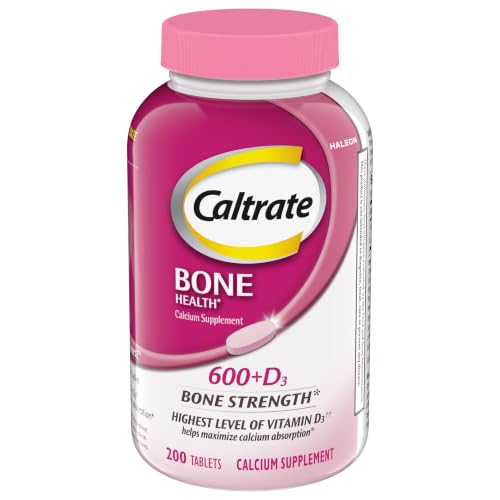


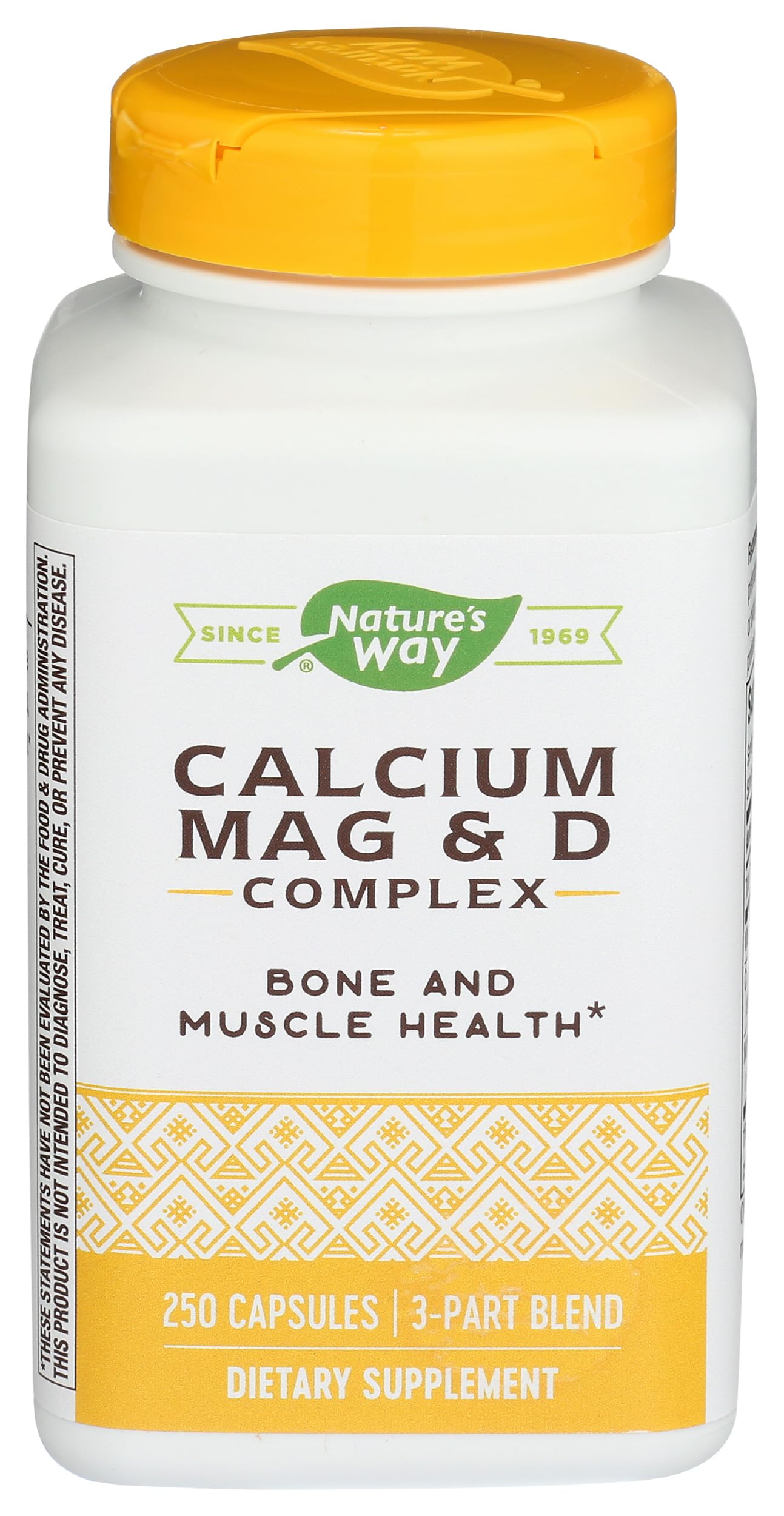





Calcium Tablets 101: The Basics
Calcium is a mineral your body uses to build and maintain bones and teeth, and to support nerves and muscles. Almost all of it is stored in bones and teeth. Adults generally need about 1,000 to 1,200 mg per day from food and supplements combined, depending on age and sex, and food sources such as dairy, fortified drinks, leafy greens, and canned fish with bones count toward that total first.
A calcium tablet is simply a concentrated source of the mineral in a measured dose. The label term that matters most is elemental calcium, which is the actual amount of calcium in each tablet, not the total weight of the compound. Two tablets with the same size can deliver very different elemental amounts, which is why first time buyers should always read the supplement facts panel instead of the front of the bottle. Our broader guide to the best calcium tablets covers general bone support needs if teeth are only part of your goal.
Key Specs Explained in Plain English
Features That Matter for Teeth
For teeth, look beyond calcium alone. Vitamin D helps your body absorb calcium, so many sensible formulas pair the two. Phosphorus and magnesium also play roles in tooth and bone mineral balance, though more ingredients is not automatically better. What tablets cannot do matters just as much: they do not reverse decay, whiten teeth, or fix sensitivity caused by gum recession or erosion. Choose a formula that supports your overall intake, keep up fluoride toothpaste and dental visits, and treat any claim of repairing damaged enamel with skepticism.
Calcium Form: Carbonate Versus Citrate
Calcium carbonate is the most common and usually the cheapest form. It carries a high share of elemental calcium, about 40 percent, but it absorbs best when taken with food and can be harder for people with low stomach acid. Calcium citrate carries less elemental calcium per tablet, about 21 percent, so you may need more tablets, but it absorbs well with or without food and is often gentler. If you take acid reducing medicine, citrate is commonly the form clinicians suggest discussing first.
Dose and Elemental Calcium per Tablet
Your body absorbs calcium best in amounts of about 500 mg of elemental calcium or less at one time, so a large daily dose is usually split across the day. Check how many tablets make one serving: a bottle that looks like a three month supply may require two or three tablets daily. Add up your typical food intake before choosing a dose, because the goal is to close a gap, not to exceed the daily upper limit of about 2,000 to 2,500 mg for most adults, which can cause problems over time.
Vitamin D and Partner Nutrients
Vitamin D is the partner nutrient that matters most, because low vitamin D limits how much calcium you absorb no matter how many tablets you take. Many adults aim for vitamin D intake in line with general guidance of about 600 to 800 IU per day, though personal needs vary and a blood test is the only way to know your level. Some formulas add vitamin K2 or magnesium; these can be reasonable, but check that added ingredients do not duplicate a multivitamin you already take.
Tablet Size, Coating, and Format
Calcium tablets are famously large, and swallowing difficulty is the top reason people quit them. If big tablets are a problem, look for smaller tablets taken more often, chewables, or gummies, and check their labels closely because chewable and gummy formats often carry less elemental calcium and added sugar, which is a poor trade for teeth. A smooth coating helps tablets go down, and taking them with a full glass of water and food, when the form allows, makes the routine easier to keep.
Quality Marks and Label Clarity
Supplements are not approved the way prescription drugs are, so third party testing marks from groups such as USP, NSF, or ConsumerLab add real value. A trustworthy label states the form of calcium, the elemental amount per serving, the serving size, and full contact details for the maker. Be wary of proprietary blends that hide amounts. Women comparing formulas tailored to their life stage may also find our guide to the best calcium tablets for ladies useful, since iron timing and dose needs can differ.
Rookie Mistakes to Avoid
- Reading the front label claim instead of the elemental calcium line in the supplement facts panel.
- Taking the full daily dose in one sitting, when smaller split doses absorb better.
- Ignoring interactions: calcium can block absorption of certain medicines, including some thyroid medicines and antibiotics, and of iron, so spacing matters.
- Buying sugary gummies for a teeth goal, which works against the very purpose of the purchase.
- Assuming more is better and pushing total intake from food plus tablets above the safe upper limit.
- Skipping the dentist: tooth pain, loose teeth, or jaw problems need an exam, not a supplement change.
Getting Started: Setup and First Use
Start by estimating your food calcium for a few typical days, using package labels and standard serving values, so your dose fills a real gap. Begin with one dose per day with a meal, both to improve absorption for carbonate forms and to reduce stomach upset. Keep the bottle in a visible, dry spot away from bathroom humidity, and note the routine on your calendar for the first two weeks until it becomes habit.
Separate calcium from iron supplements and sensitive medicines by at least two hours unless your pharmacist advises otherwise. People building a small supplement shelf often compare neighboring categories too, such as the best fiber tablets for digestion or the best collagen tablets for skin and joints, and the same label reading habits apply to all of them. Tell your dentist and doctor what you take at your next visit, and ask whether a vitamin D test makes sense for you.
FAQs
What features matter most in calcium tablets for teeth?
The form of calcium, the elemental amount per serving, and vitamin D content matter most. Citrate suits people with low stomach acid or acid reducing medicine, while carbonate taken with food is a budget friendly default. Third party testing marks add confidence. Remember that tablets support mineral intake only; fluoride, brushing, flossing, and dental checkups protect teeth day to day in ways no tablet can match.
Can calcium tablets repair weak or damaged teeth?
No. Once enamel is lost or a cavity has formed, a tablet cannot rebuild it. Calcium supports the normal mineral balance of healthy teeth and the jawbone, and it helps most when a real dietary gap exists. Sensitivity, visible holes, dark spots, or pain are signs to book a dental exam soon, because early treatment is simpler and cheaper than waiting.
When is the best time to take a calcium tablet?
Take carbonate with food, because stomach acid during a meal helps it dissolve. Citrate can be taken any time. Split larger amounts into two doses, such as morning and evening, for better absorption. Keep calcium at least two hours away from iron and from medicines your pharmacist flags, and take it with a full glass of water.
How much calcium do I need each day?
Most adults need about 1,000 mg per day in total, rising to about 1,200 mg for women over 50 and men over 70, from food and supplements combined. Count food first: a cup of milk or fortified alternative provides roughly 300 mg. Your tablet dose should cover only the shortfall. Stay below about 2,000 to 2,500 mg total per day unless a clinician directs otherwise.
Are there side effects I should watch for?
Yes. Constipation, gas, and bloating are the most common complaints, and citrate or split doses often ease them. Very high intake over time can raise the risk of kidney stones in susceptible people and can interfere with absorption of other minerals. Stop and seek medical advice for severe stomach pain, unusual thirst, or confusion, and always tell your clinician about supplements before surgery or new prescriptions.
Our Verdict
For a first purchase, choose a clearly labeled formula with an elemental dose that fills your dietary gap, a form your stomach handles well, and vitamin D if your intake is low. Split doses, mind the timing with other medicines, and keep expectations honest: tablets support, they do not repair. Revisit the product table above with those checks in mind, and please talk with your dentist or doctor about whether the best calcium tablets for teeth fit your personal health needs before you commit to a daily routine.


