
Best Calcium Tablets for Teenager: Which One Fits the Way You Use It? for 2026
Disclosure: We may earn a commission when you buy through links on this page, at no extra cost to you. As an Amazon Associate I earn from qualifying purchases. Learn more

Match the best calcium tablets for teenager use to real needs with this buying guide on growth years, doses, forms teens accept, sugar, and label checks.
No single supplement fits every teen, because a picky eater, a young athlete, and a teen who avoids dairy all face different gaps. This guide matches the best calcium tablets for teenager households to real situations, so parents and teens can weigh dose, form, and cost without buying the biggest bottle on the shelf. The teenage years build a large share of lifetime bone mass, which makes steady daily intake worth getting right.
Look at the comparison table below, then find the profile closest to your teen. A tablet should support a varied diet and regular activity, and any lasting concern about growth or eating belongs in a conversation with a pediatrician.

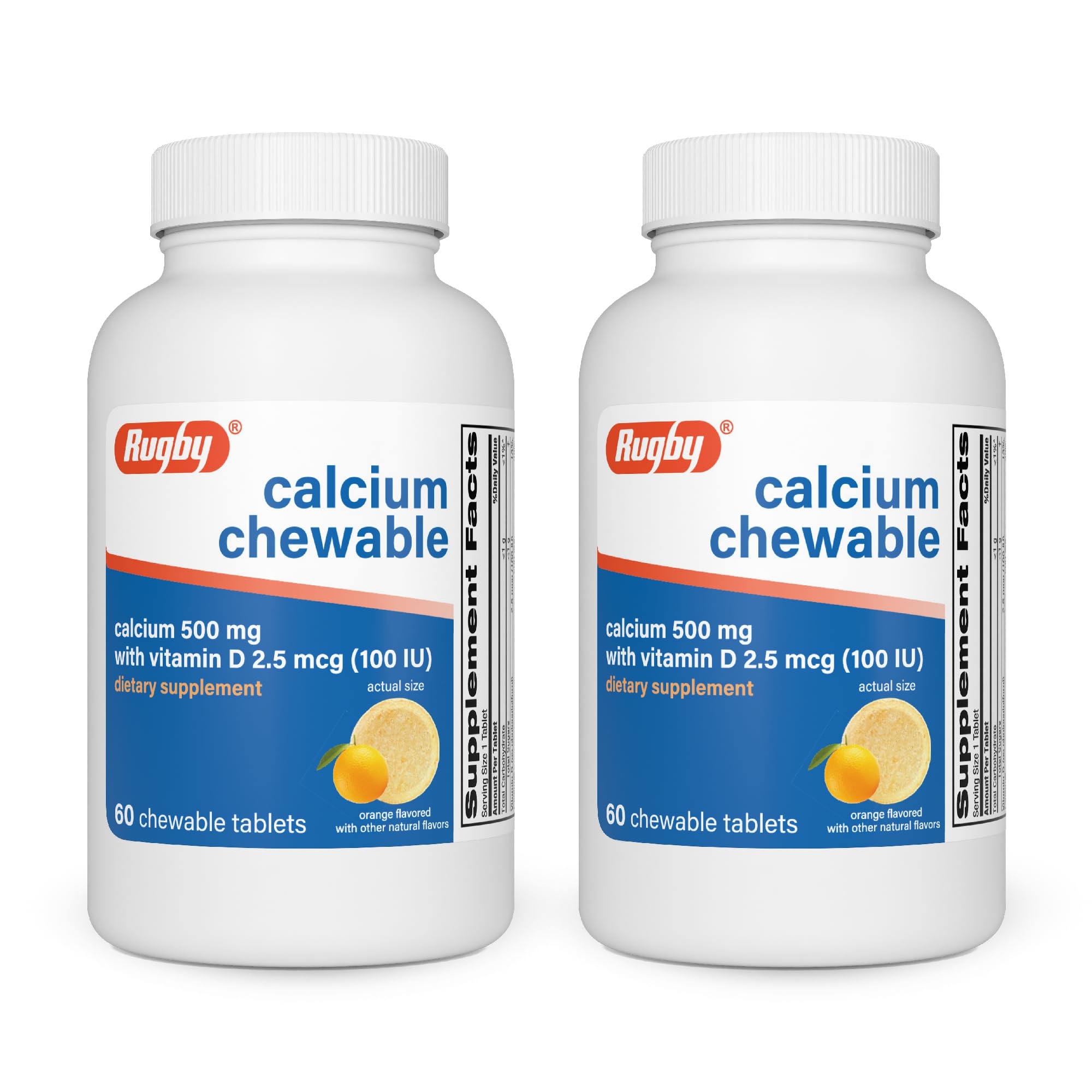
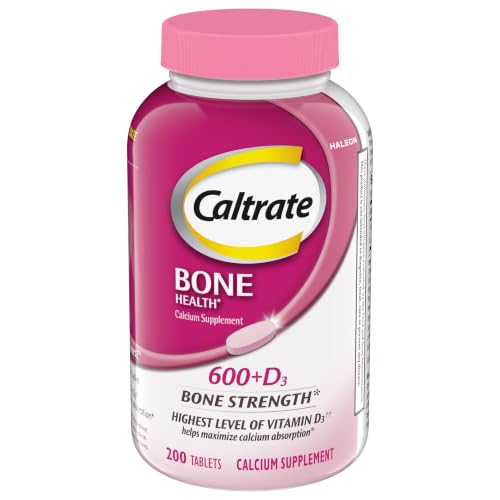


Who Should Buy Which Calcium Tablets?
For Teens Who Avoid Dairy
Teens who skip milk, yogurt, and cheese lose the easiest calcium source and often land well below the daily target. A standard tablet or a fortified chewable can close much of that gap, especially when paired with calcium rich plant foods such as fortified drinks, tofu set with calcium, and leafy greens. Check that the product also lists vitamin D, since teens who avoid dairy often run low there too. Start with one modest dose at a regular meal and build the habit slowly.
For Young Athletes in Training
Teens in running, soccer, gymnastics, or dance put repeated load on growing bones, and heavy training schedules often squeeze out proper meals. For this group, a split dose taken with breakfast and dinner keeps intake steady without one large tablet. Bone stress pain, repeated injuries, or missed periods are warning signs that need a doctor, not a stronger supplement. Food, sleep, and sensible training loads protect young bones far more than any single product.
For Picky Eaters and Light Appetites
When meals are small and selective, the winning form is the one a teen will actually take every day. Chewables and gummies usually win on acceptance, though they carry added sugar and lower doses per serving. A flavored powder stirred into a smoothie can hide calcium inside a food the teen already likes. Keep expectations realistic, improve one meal at a time, and let the supplement cover the remaining gap rather than fighting over every plate.
For Teens Who Can Swallow Tablets
Teens comfortable with pills unlock the cheapest and most concentrated option, plain tablets at about 200 to 300 mg of elemental calcium each. This suits older teens who already take a daily vitamin and want a simple routine. Teach them to take tablets with food and a full glass of water, and to speak up about constipation or stomach ache instead of quietly quitting. A pill organizer for the week helps everyone see whether doses are really happening.
Key Features to Compare
Daily Target for the Teenage Years
Health authorities advise about 1,300 mg of calcium a day for ages 9 to 18, the highest target of any age group, because bones are growing fast. That figure counts food, drinks, and supplements together. Two dairy or fortified servings give roughly 600 mg, so many teens need only a modest supplement of about 300 to 500 mg. Stay under the upper limit of about 3,000 mg a day, and remember that fortified snacks and drinks add up quietly.
Form a Teen Will Take Consistently
Consistency beats potency, because a strong tablet left in the bottle does nothing. Tablets cost least, chewables remove the swallowing barrier, gummies feel like a treat, and powders disappear into drinks. Ask the teen to choose between two acceptable forms, since people protect habits they helped pick. If taste is the deciding factor, buy the smallest bottle first and confirm it passes at home before stocking up.
Features That Matter for Teenager Buyers
Look for a clear elemental calcium figure per serving, vitamin D on the same label, and a serving size a teen can manage without taking four or five pieces. Sugar content matters because gummies and chewables are eaten daily, sometimes for years. A short ingredient list helps families avoiding milk, soy, gluten, or gelatin. For the general label reading method, our guide to the best calcium tablets walks through serving sizes step by step.
Sugar, Allergens, and Extra Ingredients
Daily gummies can add several grams of sugar, which affects teeth and overall diet quality, so check the sugar line as carefully as the calcium line. Sugar alcohols in chewables may cause gas or loose stools in sensitive teens. Scan for allergens your household avoids and for caffeine or herbal extras that have no place in a basic calcium product. A plain formula from a transparent brand beats a long list of trendy additions.
Cost Per Month and Bottle Size
Plain tablets usually cost the least per month, often only a few dollars, while gummies and chewables can run about $10 to $25 a month because flavor and convenience carry a premium. Judge value by cost per serving at the dose your teen will actually take, not by bottle price alone. Buy a small bottle first when testing a new flavor or form, because a rejected taste turns a bulk bargain into waste. Once a form passes at home for a full month, larger bottles make sense and lower the cost per day.
Common Mistakes to Avoid When Buying Calcium Tablets
- Guessing the gap. A few days of honest food tracking often show a smaller gap than parents fear.
- Buying a form the teen hates. An untouched bottle is the most expensive option of all.
- Stacking products. A multivitamin, fortified drinks, and a calcium tablet together can overshoot the target.
- Pairing calcium with iron. Teens taking iron should space the two by a few hours so both absorb properly.
- Skipping the pediatrician. Poor growth, fractures, or eating concerns deserve medical review before supplements.
Tips to Get the Most From Your Calcium Tablet
Anchor the dose to a meal that already happens every day, such as breakfast before school or dinner at home. Store the bottle in a cool, dry place, keep gummies sealed and out of younger children reach, and never treat sweet forms as candy. Review the routine each school term, because appetites, sports, and schedules change fast at this age. If your teen also uses the best fiber tablets, keep the doses apart so fiber does not blunt mineral absorption.
Calcium Tablets: Your Questions Answered
What features matter most in calcium tablets for teenager use?
A clear elemental dose, vitamin D, low added sugar, and a form the teen will take daily matter most. The teenage target of about 1,300 mg a day sounds high, but food should supply most of it. Choose a supplement that fills the remaining gap in one or two easy servings.
How much calcium does a teenager need each day?
Teens ages 9 to 18 are advised to get about 1,300 mg a day from food, drinks, and supplements combined. Younger children need less, and adults settle near 1,000 mg. Because appetites vary, count two or three typical days of eating before deciding how large a supplement dose your household actually needs.
Are gummies as good as tablets for teenagers?
Gummies can work, but most give less calcium per serving and add sugar, so a teen may need several pieces to match one tablet. They shine when swallowing or taste would otherwise end the habit. Compare elemental calcium and sugar per serving, and brush teeth after sweet forms taken at night.
Can a teenager take too much calcium?
Yes, excess calcium can cause constipation, stomach pain, and nausea, and very high intakes over time may harm the kidneys. The advised upper limit for teens is about 3,000 mg a day from all sources. Warning signs such as vomiting, unusual thirst, or confusion need prompt medical advice, so keep doses near the real gap.
How long should a teenager take a calcium tablet?
There is no fixed course, because the need lasts only while diet falls short during the growth years. Many families review the habit at each annual checkup and stop or reduce the dose when eating improves. Girls comparing women focused labels may also read the best calcium tablets for ladies guide as they get older.
Do calcium tablets help teenagers grow taller?
Calcium supports normal bone growth, but no tablet can add height beyond what genetics, overall nutrition, sleep, and health allow. A teen who gets enough calcium from food gains nothing extra from a supplement. Concerns about slow growth, late puberty, or frequent fractures should go to a pediatrician, who can check for causes a supplement cannot fix.
Our Verdict
Start with the real diet gap, then choose the form your teen accepts and a label with clear dosing, vitamin D, and modest sugar. Families also comparing joint support products can read about the best collagen tablets, while remembering collagen adds no calcium. Check the shortlist against the product table above and settle your choice of best calcium tablets for teenager with your pediatrician, who knows your teen growth and health history.


