
Best Calcium Tablets for Runners: Which One Fits the Way You Use It? for 2026
Disclosure: We may earn a commission when you buy through links on this page, at no extra cost to you. As an Amazon Associate I earn from qualifying purchases. Learn more

A practical guide to the best calcium tablets for runners: form, dose, vitamin D, timing, and label checks that fit a training week.
There is no single calcium tablet that suits every runner, because a casual jogger, a marathon trainee, and a masters athlete stress their bones and stomachs in different ways. This guide matches the best calcium tablets for runners to real training lives, so you can weigh dose, form, and timing against your mileage instead of paying for extras you will never use. Start with how you actually train, and the right label details become much easier to spot.
Scan the comparison table below first, then read the runner profile closest to yours. A supplement supports a training plan built on food, rest, and sensible mileage, and it never replaces any of those.
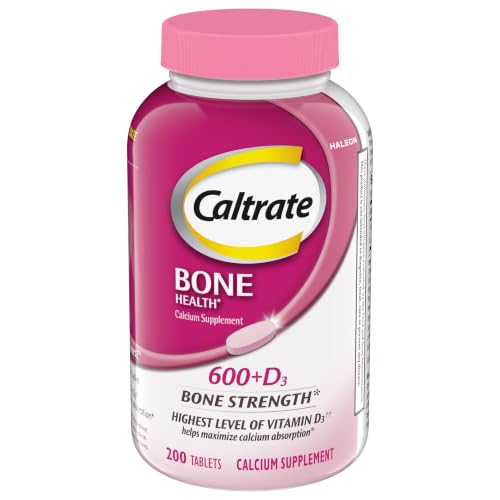


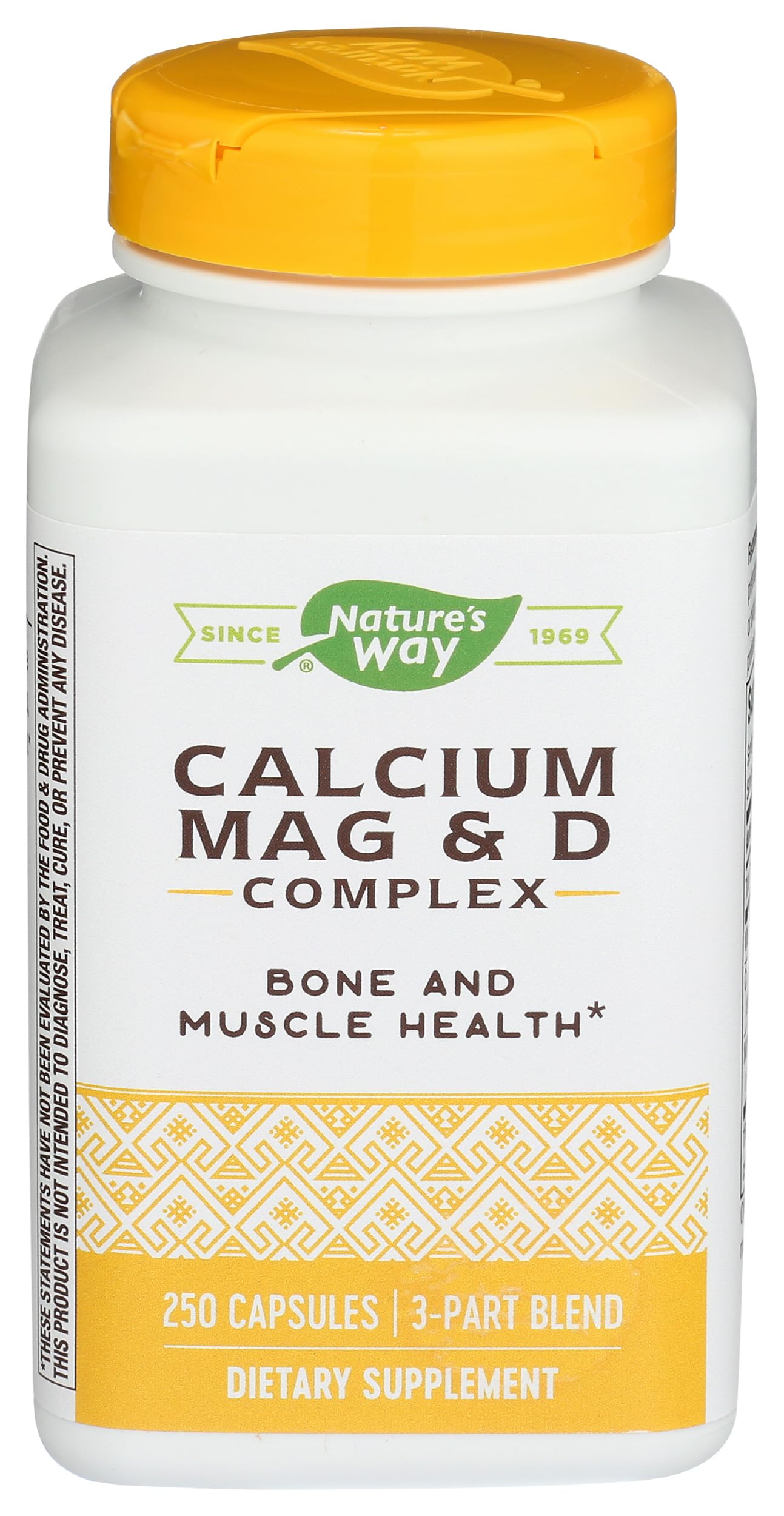

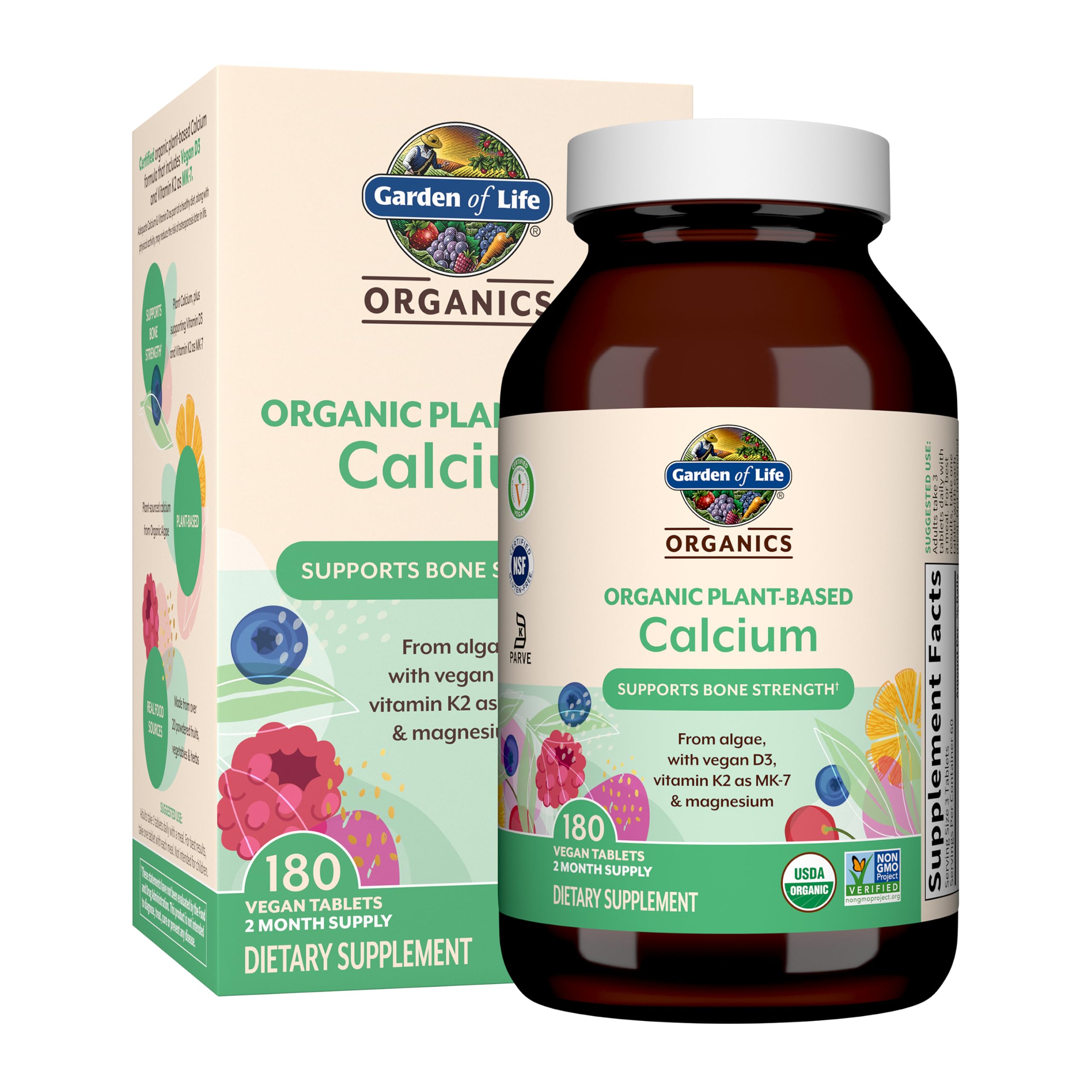


Who Should Buy Which Calcium Tablets?
For New and Casual Runners
If you run two or three times a week for general fitness, your calcium needs are close to those of any active adult, about 1,000 mg a day from all sources. A simple carbonate tablet taken with dinner often fills a small diet gap at the lowest cost. Skip high dose products, because more calcium than you need adds constipation risk without helping your running. Focus your budget on shoes and food first, and treat a basic tablet as quiet background support for bone health.
For Marathon and High Mileage Runners
Long training blocks repeat the same impact thousands of times, and low energy intake during heavy weeks can leave calcium short. Runners in this group benefit from split doses of about 200 to 300 mg, taken with meals across the day, plus vitamin D on the label. If you have had a stress fracture or your periods have become irregular, treat that as a warning sign and see a doctor or sports medicine clinician before relying on any supplement.
For Masters Runners Over 50
After 50, bone loss speeds up and stomach acid often falls, so absorption becomes the central question. Calcium citrate deserves a close look because it absorbs well without food or strong stomach acid. Targets rise to about 1,200 mg a day for many older adults, but medicine conflicts also grow more common at this age. Bring your full medicine list to a pharmacist, and pair the supplement decision with a bone density conversation at your next checkup.
For Runners Who Travel to Races
Race travel breaks routines, so portability shapes the right choice. Chewables or a small bottle of low dose tablets pack easily and need no measuring, unlike powders and liquids. Keep your supplement in hand luggage with your race day food plan, and avoid trying a new form on race weekend, because an upset stomach is the last thing you need at mile twenty. A form you have used calmly for a month at home is the form to trust away from home.
Key Features to Compare
Calcium Form and Stomach Comfort
Carbonate gives the most elemental calcium per tablet and costs the least, but it needs food and stomach acid and can cause gas or constipation in some runners. Citrate is gentler for many people and works at any time of day, though you may take more tablets to reach the same dose. Test any new form during easy training weeks, not during a taper. Gastrointestinal comfort on long runs is a real buying criterion, not a minor detail.
Dose Per Serving and Daily Total
Add up your food first. Dairy, fortified drinks, leafy greens, and canned fish with bones can cover most of the roughly 1,000 to 1,200 mg daily target for adults. A supplement should fill the measured gap, often about 300 to 600 mg, in servings of 500 mg or less for better absorption. Stay below about 2,000 mg a day in total unless a clinician advises otherwise. Our general guide to the best calcium tablets shows how to compare elemental amounts across labels.
Features That Matter for Runners
Runners should weigh vitamin D content, because vitamin D supports calcium absorption and muscle function, and many runners train early or late with little sun. Magnesium and vitamin K appear on some labels, but they matter less than hitting your calcium and vitamin D basics. Portability, a serving you can split around training, and a form that never troubles your stomach on long runs round out the list. Runners comparing joint support products may also read about the best collagen tablets, but collagen does not supply calcium and cannot replace it.
Timing Around Training and Meals
Anchor calcium to meals you already eat, such as breakfast before a rest day or dinner after training, so the habit survives busy weeks. Carbonate belongs with food, while citrate fits any slot. Keep calcium a few hours apart from iron supplements and certain medicines, because they compete for absorption. If you also use the best fiber tablets, space those apart from calcium as well, since a large fiber dose can reduce mineral absorption slightly.
Testing Seals and Label Honesty
Competitive runners have one extra reason to check labels carefully: supplements are not approved before sale the way medicines are, and contamination is a known risk in the wider industry. Choose products with independent testing seals such as USP, NSF, or a sport focused certification if you race in tested events. Check that the elemental calcium per serving is printed clearly, and avoid labels that hide doses inside blends. Honest labeling protects both your health and your eligibility.
Common Mistakes to Avoid When Buying Calcium Tablets
- Buying the highest dose on the shelf. Your real gap is probably a few hundred milligrams, and oversized doses raise side effect risk.
- Ignoring your diet. Three calcium rich meals may already meet the target, making a tablet pointless on many days.
- Taking calcium and iron together. The two minerals compete, so both work less well in the same swallow.
- Starting a new form before a race. Any new supplement belongs in training weeks, when a stomach problem costs little.
- Expecting a tablet to prevent injury. Bone stress injuries involve training load, energy intake, and rest, not calcium alone.
Setup and Care Tips
Build the habit into an existing routine, such as placing the bottle beside your coffee or your evening meal dishes. Store it in a cool, dry spot rather than a steamy bathroom, and keep the lid sealed so tablets stay fresh. Note your start date on the cap, review your response after a month, and stop and seek advice if constipation, nausea, or unusual thirst persists. Tell your coach and clinician what you take, especially before any bone density scan or blood test.
Calcium Tablets: Your Questions Answered
What features matter most in calcium tablets for runners?
A moderate elemental dose, vitamin D on the label, and a form your stomach tolerates on long runs matter most. Split doses of about 500 mg or less absorb best. If you race in tested events, an independent testing seal also matters, because supplement contamination can threaten eligibility as well as health.
How much calcium do runners need each day?
Runners need roughly the same total as other adults, about 1,000 mg a day and about 1,200 mg after age 50, counting food and supplements together. Heavy training does not multiply the target, but low overall food intake can widen the gap. A three day food diary gives a realistic base before you choose a dose.
Should runners take calcium before or after a run?
Timing around a run matters less than timing around food and other supplements. Take carbonate with a meal, keep calcium away from iron by a few hours, and avoid a large dose right before a long run if tablets ever unsettle your stomach. A steady daily routine beats a precise pre run schedule.
Can calcium tablets prevent stress fractures?
No tablet can prevent stress fractures on its own, because they grow out of training load, low energy intake, poor sleep, and bone health together. Adequate calcium is one part of bone support, and a stress fracture or repeated bone pain is a reason to see a doctor promptly. Rest and a graded return matter more than any supplement.
How long should a runner take a calcium tablet?
Take it as long as your diet leaves a real gap and your clinician agrees it helps. Many runners use calcium through a heavy training block and reassess in the off season. If your eating improves or your mileage drops, the right dose may fall too, so review the habit at least once a year.
Is calcium carbonate or citrate better for runners?
Carbonate suits runners who want the fewest tablets at the lowest cost and can take them with meals. Citrate suits runners with sensitive stomachs, low stomach acid, or acid reducing medicine, and it can be taken any time. The better choice is the one that fits your routine without side effects during training.
Final Thoughts
Decide by your training life: a modest dose that fills a real diet gap, a form your stomach accepts, and a label you can trust. Women comparing runner specific labels may also find the best calcium tablets for ladies guide helpful. Check your shortlist against the product table above, and confirm your pick of best calcium tablets for runners with your clinician, especially if bone injuries are part of your history.


