
Best Calcium Tablets for Adults: Every Type Explained Side by Side for 2026
Disclosure: We may earn a commission when you buy through links on this page, at no extra cost to you. As an Amazon Associate I earn from qualifying purchases. Learn more

The best calcium tablets for adults depend on your stomach, schedule, and medicines. Compare carbonate, citrate, and blends first, then ask your clinician.
Standing in the supplement aisle, the choices blur together: carbonate, citrate, chelated, with vitamin D, without, huge tablets, small tablets, and prices that vary threefold. The confusion is understandable, because the differences that matter are real but rarely explained on the front of the bottle. The best calcium tablets for adults depend on your stomach, your schedule, and your other medicines, and this guide compares each type side by side so the choice becomes simple.
One ground rule before we start: this guide is educational only, supplements are not approved by the FDA before sale like medicines, and a clinician who knows your history should confirm any regular supplement. Keep that in mind, then use the comparison table below and the type breakdown that follows.
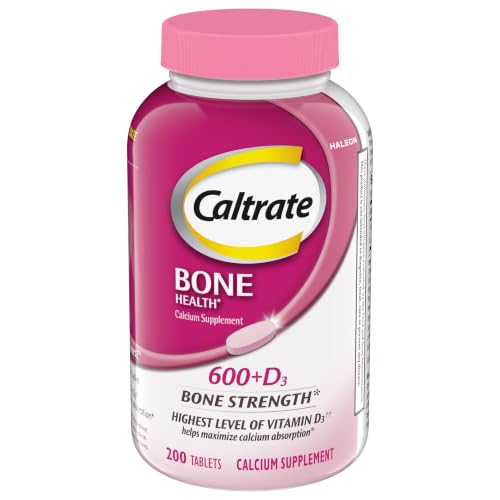


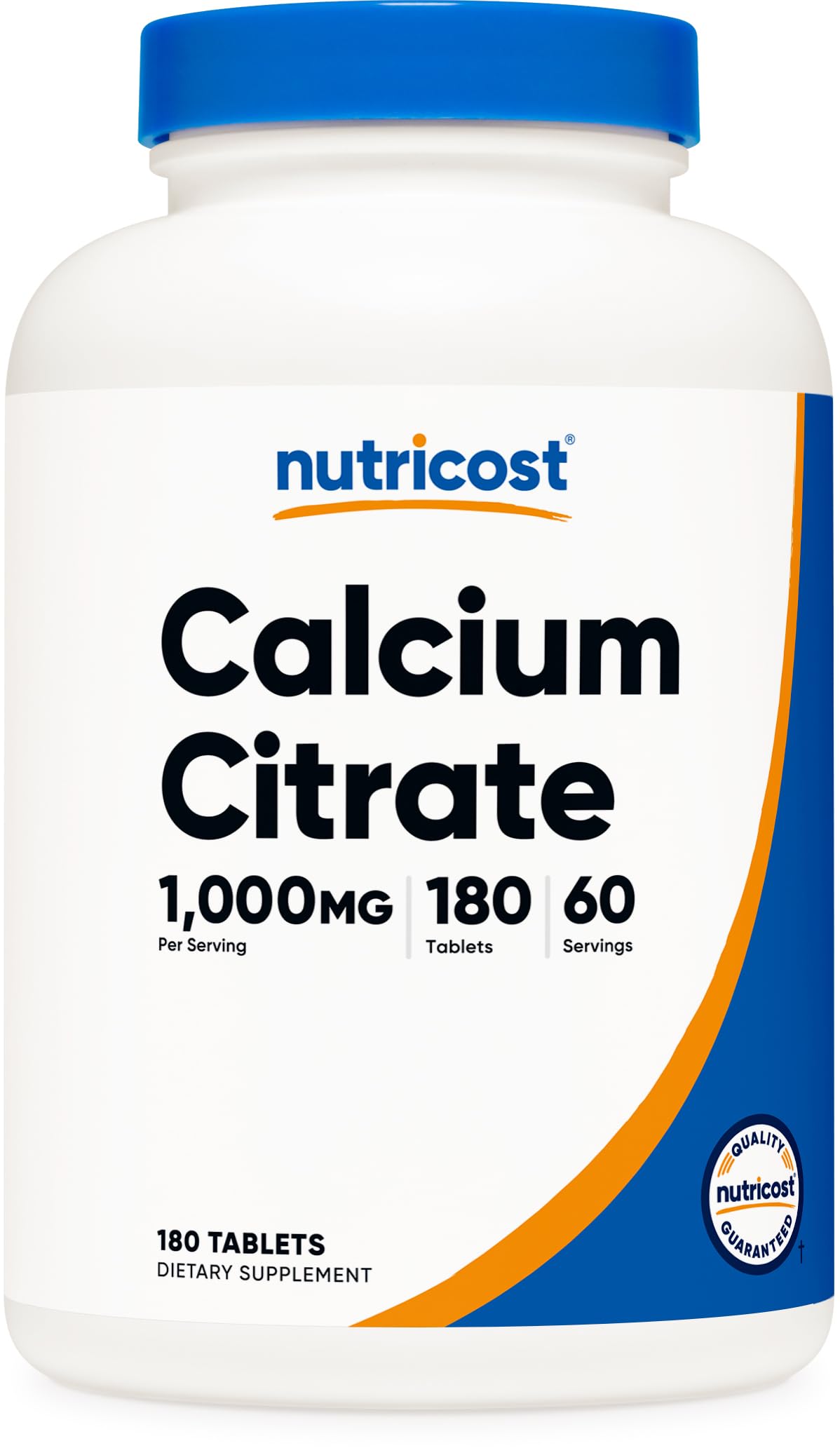


How Calcium Tablets Compare to Other Options
Think of the market in four broad styles. Calcium carbonate is the budget workhorse, with the most elemental calcium per tablet and a typical price around the low end of the range. Calcium citrate is the gentle option, costing more but absorbing without food. Blended formulas add vitamin D, vitamin K, or magnesium at a mid range price. Chewables and liquids sit at the higher end per dose and serve people who cannot swallow tablets. The three comparisons below unpack the trade offs.
Calcium Carbonate: The High Dose Budget Type
Carbonate carries about 40 percent elemental calcium, the highest share of any common form, so one tablet delivers more mineral and bottles cost less per dose, often in the region of a few cents to about $0.20 per day. The catch is absorption: carbonate needs stomach acid, so you should take it with food, and it causes constipation or gas in some adults. It suits budget minded shoppers with normal digestion who eat regular meals. Adults who take acid reducing medicine often absorb it poorly, which makes it a weak choice for them despite the price.
Calcium Citrate: The Gentle, Flexible Type
Citrate carries about 21 percent elemental calcium, so you need more or larger tablets to reach the same total, and the daily cost usually lands higher than carbonate. In exchange, it absorbs well with or without food and does not depend much on stomach acid, which makes it a common recommendation for older adults and anyone on acid reducing medication. It also tends to be gentler for people prone to constipation. Choose citrate when comfort and flexible timing matter more than squeezing the lowest price per milligram.
Blended and Alternative Forms: Added Nutrients and Special Cases
Blends pair calcium with vitamin D, which helps the body absorb calcium, and sometimes vitamin K or magnesium. They simplify a routine into one bottle, though doses of each nutrient may be lower than in single products, and your total intake needs adding up across everything you take. Other forms, such as calcium phosphate or chelated calcium, appear in smaller niches and rarely offer a clear advantage for most adults. Our wider guide to the best calcium tablets covers single nutrient options in more depth if a blend does not fit.
Who Should Choose Calcium Tablets?
Tablets suit adults who want a measured dose, a low daily cost, and a product that stores easily for months. Adults with a clinician confirmed gap in dietary calcium, postmenopausal women following medical advice, and people who dislike sweetened gummies are typical good candidates. Adults who struggle to swallow large pills should look at chewables, liquids, or smaller citrate tablets instead, and anyone with kidney disease, a history of kidney stones, or high blood calcium should only supplement under medical supervision. Readers shopping for female specific needs can also compare the options in the best calcium tablets for ladies guide.
How to Choose the Right Calcium Tablet
Form and Absorption Come First
Decide carbonate versus citrate before anything else, because that choice sets your price, your schedule, and your comfort. If you eat regular meals and have no stomach issues, carbonate gives the most calcium per dollar. If you take acid reducers, have a sensitive stomach, or want to dose between meals, citrate earns its higher price. Write your answer down, because every later choice, from bottle size to added nutrients, builds on this one decision.
Elemental Dose per Serving
Compare the elemental calcium per serving, not the tablet weight, and check how many tablets make a serving. The body absorbs calcium best in amounts of about 500 mg or less at a time, so products designed as two smaller doses across the day use the mineral better than one giant tablet. Compare your planned total with the general daily recommendations published by the NIH for your age group, count your food intake as part of the total, and treat published upper limits as a hard ceiling rather than a target.
Features That Matter for Adults
Adult life adds factors younger shoppers ignore. Many adults take prescriptions, and calcium can block the absorption of thyroid medicine and some antibiotics, so a formula that fits a spaced schedule matters. Job routines matter too: shift workers may need citrate for dosing away from meals. Tablet size grows more important with age, since swallowing becomes harder for many people. Judge every feature against your actual routine, because a slightly costlier product that fits your day will be taken, and a bargain that fights your schedule will sit in the cupboard.
Added Vitamin D and Other Nutrients
Vitamin D helps the body absorb calcium, so many adult formulas include it, and that pairing is sensible for people whose clinician has flagged low vitamin D. Check the amount, because a token sprinkle adds cost without much effect, while a large dose stacked on a separate vitamin D product can overshoot. Magnesium and vitamin K appear in some blends and can be useful, but each addition deserves the same label check. If you also take fiber products, space them away from calcium, since fiber can reduce mineral absorption; our guide to the best fiber tablets explains typical timing.
Testing, Price, and Value Over Time
Because supplements reach shelves without FDA approval, look for independent verification such as USP or NSF marks, which confirm identity, strength, and limits on contaminants. Then calculate price per day at your real dose, not the bottle price. Basic carbonate products commonly land under about $0.25 a day, citrate and blends run higher, and chewables cost the most per dose. A fair price for a tested product beats a cheap bottle whose contents you cannot verify.
Care and Maintenance Tips
Talk to your doctor before starting any supplement, and mention every product you take at each appointment. Store tablets in a cool, dry place with the cap closed, away from bathroom steam and out of reach of children. Do not exceed the label dose, and stop and seek advice if you notice warning signs such as severe constipation, confusion, unusual thirst, or an irregular heartbeat. Review the habit once a year, because your diet, medicines, and needs change, and a supplement that once filled a gap may later add only cost and risk.
Frequently Asked Questions
What features matter most in calcium tablets for adults?
The form, the elemental dose per serving, and independent testing matter most. Form decides absorption and comfort, dose decides whether the product can fill your dietary gap in reasonable tablet counts, and a USP or NSF style check confirms the label is honest. Added nutrients and price come after those three. If a product fails on form or testing, a low price does not rescue it.
How much calcium should an adult aim for each day?
General NIH guidance suggests roughly 1,000 mg a day for most adults, rising to about 1,200 mg for women over 50 and men over 70, with food counting toward the total. Upper limits sit around 2,000 mg to 2,500 mg depending on age. These are population guidelines, not personal prescriptions. Your clinician can adjust the target for your bone health, diet, and medicines, so use the figures to frame a conversation, not to set your own dose.
How long should a bottle of calcium tablets remain usable?
An unopened bottle stored in a cool, dry place generally stays within its printed expiry date, often one to two years from purchase. Once opened, aim to finish it within a few months and discard tablets that smell odd, crumble, or have absorbed moisture. Buying a huge bottle for a dose you take once a day can push the last tablets past their best, so match bottle size to your real schedule.
Should adults take calcium with food or on an empty stomach?
Calcium carbonate should be taken with food, because stomach acid released during a meal helps it dissolve and absorb. Calcium citrate can be taken either way, which is one reason it costs more. Splitting your total into two smaller doses, one with breakfast and one with an evening meal, is a common and practical pattern. Keep calcium a few hours away from medicines it can block, and ask a pharmacist to check your personal list.
Can calcium tablets cause kidney stones?
Calcium from food is generally linked with lower stone risk, because it binds oxalate in the gut, while high dose supplements taken away from meals have been linked with a modest increase in risk in some studies. Adults with a history of kidney stones should not self prescribe calcium. A doctor can review your stone type, your diet, and your total intake and decide whether a supplement, and which form and timing, is sensible for you.
Is it better to get calcium from food than from tablets?
Yes, food is the better first source for most adults, because it delivers calcium with protein, vitamin K, and other nutrients, and it is harder to overshoot sensible totals. Dairy products, canned fish with soft bones, leafy greens, and fortified foods cover many people fully. Tablets earn their place when appetite, intolerance, or medical needs leave a gap that food alone does not close. Treat the tablet as a backup plan, not the main plan.
Wrapping Up
Pick the form your stomach handles, confirm the elemental dose against your diet, and insist on independent testing before price enters the decision. Look back at the product table above, compare the types side by side, and choose the best calcium tablets for adults that fit your routine. Before you start, talk with your clinician about your personal needs, especially if you take regular medication.


