
Best Calcium and Magnesium Tablets: Matching the Right Model to Your Routine (2026)
Disclosure: We may earn a commission when you buy through links on this page, at no extra cost to you. As an Amazon Associate I earn from qualifying purchases. Learn more

Compare the best calcium and magnesium tablets by form, dosage, testing, and price per serving, with clear safety notes to discuss with your doctor first.
There is no single combined tablet that fits everyone. Your age, your diet, your other medications, and the reason a clinician suggested supplementing all change which form and dose make sense. The best calcium and magnesium tablets for you are the ones whose form you absorb well, whose dose matches the gap in your diet, and whose quality has been checked by an independent lab.
This guide is educational, not medical advice. Dietary supplements are not approved by the FDA before sale the way medicines are, so label claims deserve a careful read. Work through the features below, compare the options in the comparison table below, and take your shortlist to a doctor or pharmacist before you start.

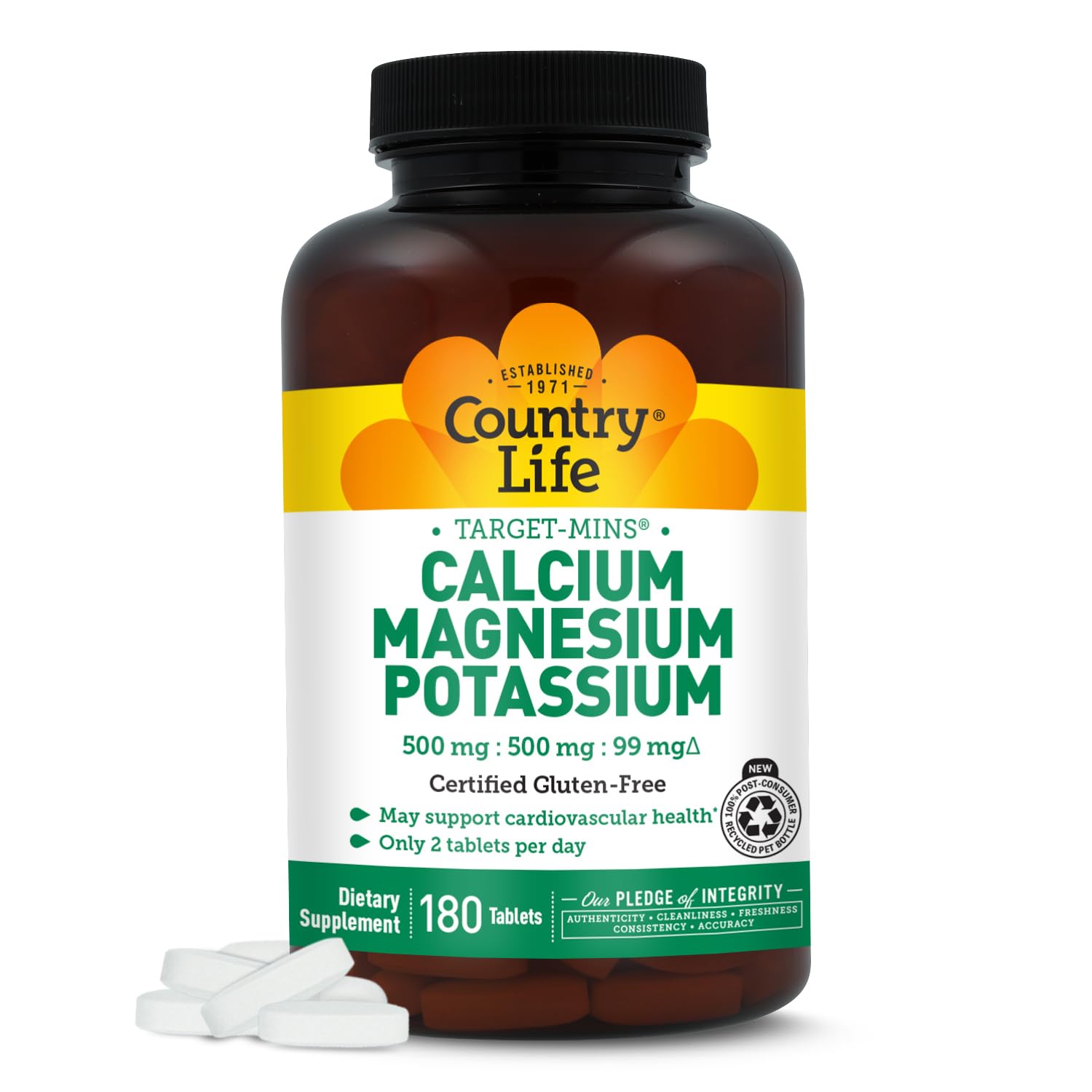


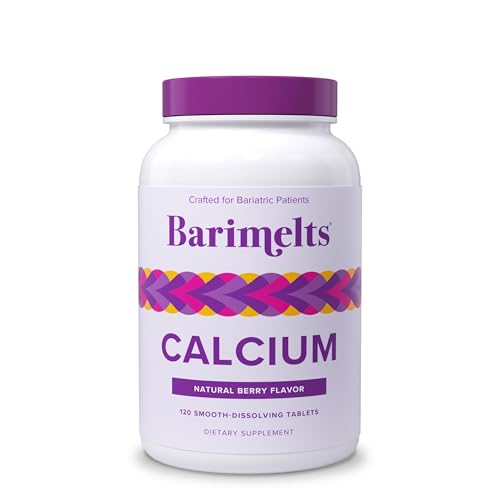
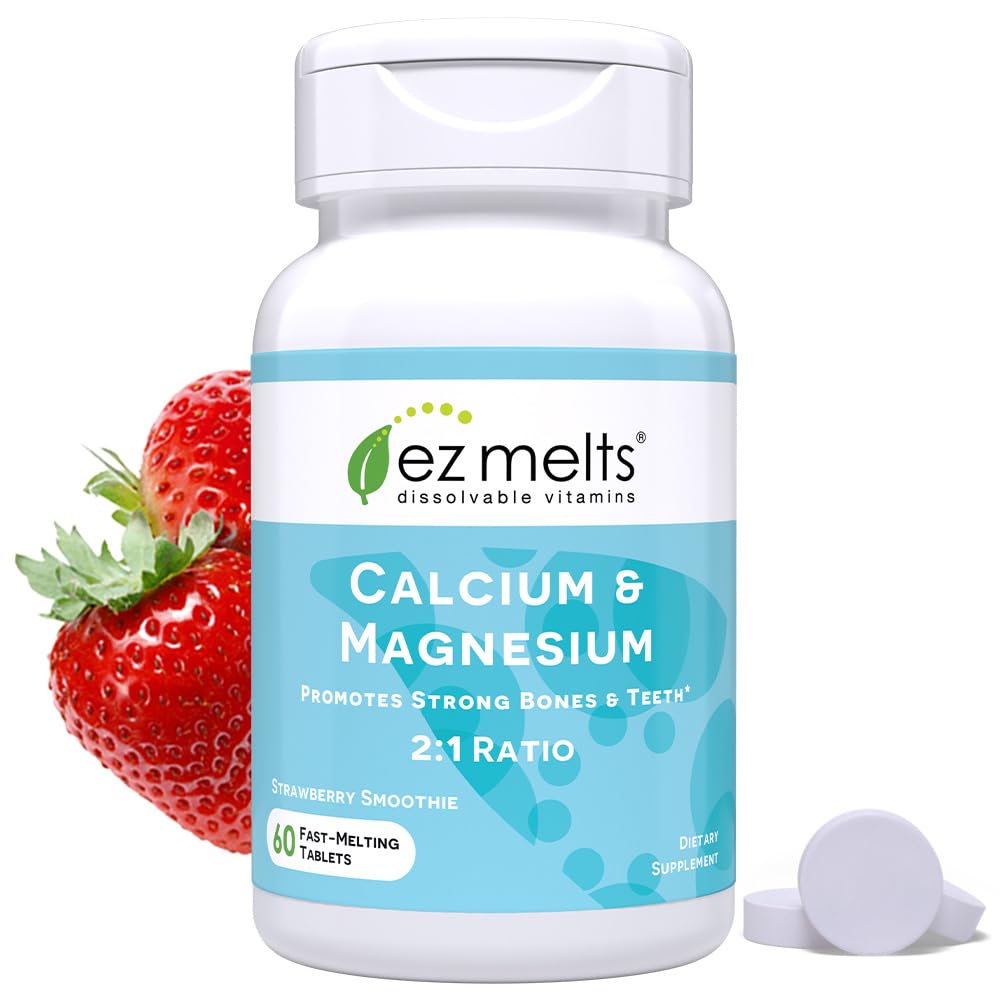



Who Should Buy Which Calcium and Magnesium Tablets?
For Value Seekers
If cost leads your decision, look at price per serving rather than the sticker price, and favor simple formulas with clear elemental amounts on the label. Calcium carbonate based products usually cost less per milligram and suit people who take tablets with meals. A large bottle from a maker with independent testing often beats a small premium bottle once you do the daily math. Durability here means consistency: a basic product you take correctly every day serves you better than an elaborate one you skip.
For People Who Want the Best Performance
Performance in a supplement means absorption and tolerability, not strength. Calcium citrate and chelated magnesium forms, such as magnesium glycinate, are often chosen because they tend to be gentler and less dependent on stomach acid or food. That can be worth paying for if carbonate upsets your stomach or if you take acid reducing medication. The premium is justified by comfort and a verified label, never by promises of fast results, which no honest mineral supplement can make.
For Gift Shoppers
Buying a supplement for a parent or partner calls for extra care, because their medications and health history decide what is safe. Choose a widely available product with large, easy to read labels, a simple once or twice daily schedule, and independent testing marks. Tablets that are huge or chalky are a poor gift for anyone who struggles to swallow pills, so consider size honestly. When in doubt, give the idea, not the bottle, and let their clinician confirm the choice first.
Key Features to Compare
Third Party Testing (USP, NSF, ConsumerLab)
Because supplements are not approved by the FDA before they reach shelves, independent verification is your main quality signal. Marks from USP, NSF, or testing by ConsumerLab indicate that a product was checked for identity, strength, purity, and contaminants such as heavy metals. The seal does not prove a supplement works, and no seal turns a supplement into a medicine. It does raise confidence that what is on the label is what is in the tablet, which is the least a buyer should ask.
Potential Side Effects and Interactions
Calcium can interfere with the absorption of some antibiotics and thyroid medication, and magnesium can interact with certain antibiotics and blood pressure medicines, so spacing and supervision matter. Common side effects include constipation from calcium carbonate and loose stools from larger magnesium doses. Warning signs such as confusion, an irregular heartbeat, severe stomach pain, or unusual weakness need prompt medical care. Always tell your doctor and pharmacist about every supplement you take, and get personal advice if you are pregnant, nursing, or have kidney disease, because kidneys handle both minerals.
Active Ingredients and Dosage per Serving
Read the elemental amount, which is the mineral you actually absorb, not the total weight of the compound. Labels express calcium and magnesium per serving, and a serving may be two or three tablets. Compare those figures with the general recommended daily amounts published by the NIH Office of Dietary Supplements, which vary by age and sex, and remember that food counts toward the total. More is not better: exceeding the upper limit for either mineral raises the risk of side effects, so treat the label dose as a ceiling.
Tablet Size, Count, and Daily Routine
Calcium tablets are famously large, and a product that needs three big tablets a day asks a lot of anyone who dislikes swallowing pills. Check the tablet count per serving and the physical size before you commit to a big bottle. Some formulas trade a slightly higher price for a twice daily schedule and a smoother coating. Your routine matters too: a breakfast dose pairs naturally with carbonate forms, while an evening dose suits people who take other medicines in the morning. The formula you will actually take every day is the one that works.
Price per Serving
Divide the bottle price by the number of servings to get a fair daily cost, then divide again if a serving is several tablets. A bottle around $15 to $30 that lasts a month is typical for basic formulas, while tested premium formulas cost more. Balance that cost against the features above rather than chasing the lowest number. For more detail on single mineral options, see our guides to the best magnesium tablets and the best calcium tablets, and readers shopping for women specific formulas can check the best calcium tablets for ladies guide.
Common Mistakes to Avoid When Buying Calcium and Magnesium Tablets
- Judging by the front label: Marketing words hide weak doses, so turn the bottle around and read the supplement facts panel every time.
- Ignoring third party testing: Without a USP, NSF, or similar check, you are trusting the seller alone for purity and strength.
- Taking a giant single dose: Calcium absorbs better in smaller amounts spread across the day, so serving size and schedule shape real value.
- Forgetting your diet: Dairy, leafy greens, nuts, and fortified foods already supply part of your needs, and pills should only fill a genuine gap.
- Mixing products without adding them up: A multivitamin plus a combined tablet can quietly double a mineral past sensible levels.
How to Make Your Calcium and Magnesium Tablet Last Longer
Talk to your doctor before starting any supplement, and again if your medications or health change, because a product that suited you last year may not suit you now. Store the bottle in a cool, dry place rather than a steamy bathroom cabinet, and keep the cap closed so moisture does not soften the tablets. Do not exceed the label dose to use a bottle up faster or to chase a stronger effect. Check the expiry date when you buy, choose a bottle size you will finish in a few months, and keep supplements out of reach of children.
FAQs
Can you get enough calcium and magnesium from food instead of tablets?
Yes, many people can, and food should be the first source. Dairy products, canned fish with bones, leafy greens, and fortified foods supply calcium, while nuts, beans, whole grains, and leafy greens supply magnesium. Tablets make sense when diet, appetite, or a medical condition leaves a real gap. A dietitian can estimate your intake from a few days of honest food records far better than guessing can.
When is the best time to take calcium and magnesium tablets?
It depends on the form. Calcium carbonate absorbs best with food, while calcium citrate works with or without a meal. Many people split calcium into two smaller doses across the day and take magnesium in the evening, which some find relaxing. Keep a gap of several hours between calcium and medicines it can block, such as thyroid tablets, and ask your pharmacist to map a schedule around your prescriptions.
Do calcium and magnesium supplements actually work?
They work in the narrow sense of supplying minerals your body uses for bones, muscles, and nerves, and they can correct a genuine shortfall. They are not treatments for disease, and they will not reverse bone loss on their own without the exercise, vitamin D, and medical care a clinician may recommend. Be skeptical of any product promising to cure, heal, or guarantee results. That language is a reason to walk away, not to buy.
Are calcium and magnesium tablets safe to take every day?
For many healthy adults, daily use at label doses is common, but safe depends on your total intake, your kidneys, and your medications. Staying under the NIH upper limits for both minerals lowers the risk of side effects. Kidney disease, a history of kidney stones, heart rhythm problems, or pregnancy all change the answer. Treat safety as a personal question for your clinician, not a property printed on a bottle.
Who should avoid calcium and magnesium tablets?
People with kidney disease, high blood calcium, or certain heart conditions should not start these supplements without medical supervision. Anyone taking antibiotics, thyroid medication, or diuretics needs advice on timing and suitability. Children should only receive supplements a pediatrician has approved. If you develop confusion, severe constipation, an irregular heartbeat, or marked weakness after starting, stop and seek medical care promptly rather than waiting for the symptoms to pass.
Final Thoughts
Choose a form you tolerate, confirm the elemental dose against your diet, and insist on independent testing. Those three checks protect both your health and your wallet better than any marketing claim. Review the product table above, shortlist the best calcium and magnesium tablets for your routine, and talk with your clinician about your personal needs before you begin.


