Best Cake Decorating Tools for 2026: Budget, Midrange, and Premium Guide
Disclosure: We may earn a commission when you buy through links on this page, at no extra cost to you. As an Amazon Associate I earn from qualifying purchases. Learn more
Learn how to choose cake decorating tools by price tier, from budget starter sets to premium kits, with features, care tips and common questions answered.
Choosing the best cake decorating tools can feel confusing because prices range from a few dollars for a single tip to a large sum for a full kit. The comparison table below shows the main types side by side, so you can see what each style is for before you spend anything. This guide compares types, features, and price levels, so you can match your tools to the cakes you actually make.
A good starting point is your baking habit, not the size of the kit. A person who decorates one birthday cake a year needs a different set than someone who bakes every weekend. The sections below explain what each price level usually includes, which features are worth paying for, and which ones you can safely skip for now. Keep this guide beside you while you shop, and tick off each feature as you compare options.




Who Should Buy Which Tools
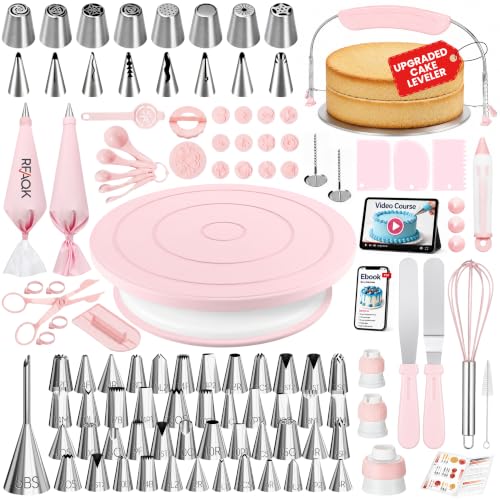
New bakers benefit most from a small, simple set that covers the basics. A turntable, a straight spatula, a few piping tips, and a set of bags will handle smooth frosting, simple borders, and basic writing. Buying a huge kit at this stage often means paying for tools you will not use for months, if ever.
New Bakers and Occasional Decorators
If you decorate a few times a year, focus on tools that are easy to clean and easy to store. A sturdy turntable helps you frost evenly, and a bench scraper gives you smooth sides without much practice. Choose bags that feel comfortable in your hand, and start with round, star, and petal tips, since those three shapes cover most simple designs.
Regular Home Bakers
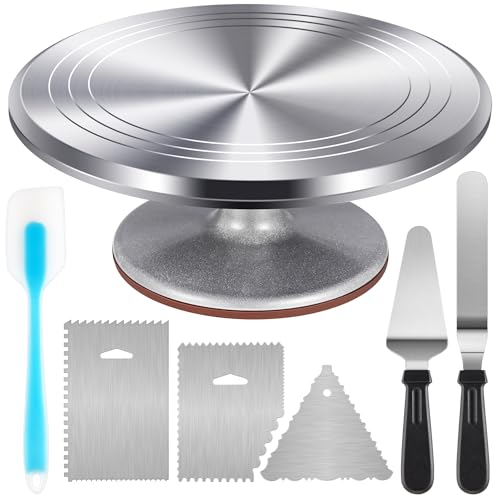
If you bake every week or two, you will notice the limits of very cheap tools more quickly. Seams on thin bags can split, and a wobbly turntable can make smooth frosting frustrating. At this stage, a heavier turntable, a second spatula in a different size, and a wider tip range make sense. You may also want a cake leveler or a serrated knife for even layers.
Serious Decorators and Small Sellers
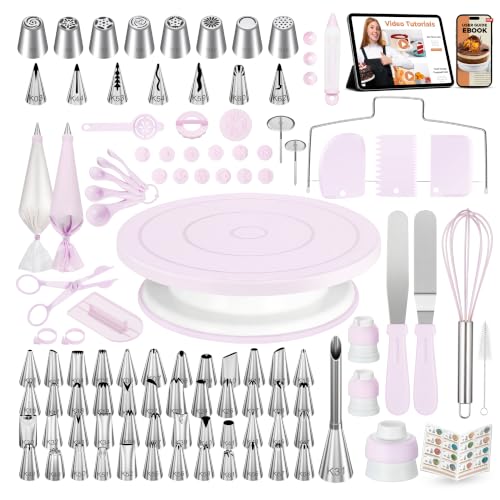
If you decorate for events or sell cakes, durability and repeatability matter more than novelty. Tools that hold up to frequent washing, keep a sharp edge, and feel balanced during long sessions are worth the extra cost. A good set of flower nails, a range of petal and leaf tips, and reliable storage will save time on every order. If you want a ready made starting point, see our guide to the best cake decorating sets and compare what a set includes with the individual tools you already own.
What Your Money Gets You at Each Price Tier
Price tiers in cake decorating are less about brand names and more about materials, weight, and finish. Budget tools are often lighter and made from thinner metal or plastic, while premium tools tend to be heavier, smoother, and easier to clean. The right tier depends on how often you bake and how much frustration a flimsy tool causes you.
Budget Tier: What to Expect
Budget tools usually cost about $5 to $25 for a single item or a small set. You can expect basic tips, simple bags, and a light turntable that does the job for occasional use. The trade off is durability, since thin tips can bend and cheap turntables can wobble. Budget tools suit new bakers who are still learning what they like.
Midrange Tier: A Sensible Middle Ground
Midrange tools usually cost about $25 to $80 for a set or a key item such as a turntable. You can expect thicker metal tips, smoother spatulas, and a steadier base. This tier suits regular home bakers who want tools that last through many cakes without feeling heavy or awkward. Most home bakers will be happy here for years.
Premium Tier: When Spending More Pays Off
Premium tools usually cost about $80 to $200 for a set, or more for a single professional grade item. You can expect precise tip openings, balanced handles, and finishes that resist rust and staining. This tier pays off when you decorate often, need consistent results, or want tools that survive daily washing. For occasional bakers, premium tools are a luxury rather than a need.
Features Worth Paying For (and Ones to Skip)
Not every feature deserves extra money. Some features change your results every time you bake, while others look useful in a listing but add little in practice. Use the list below to decide where your budget should go first.
Ease of Use and Setup
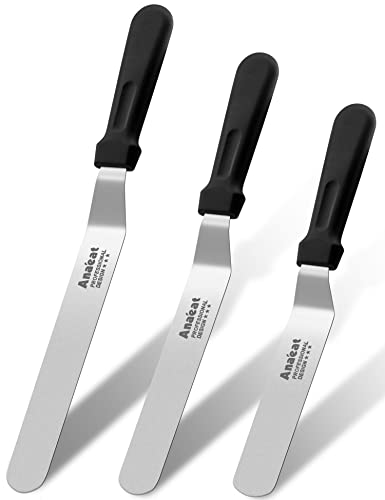
A turntable that spins smoothly and a spatula with a comfortable grip will improve your results more than a drawer full of specialty tips. Look for bags that are easy to fill and seal, and tips that fit your couplers without leaking. Skip novelty shapes until you have mastered the basics, since a tip you never reach for is money sitting in a drawer.
Maintenance and Long Term Costs
Tips and spatulas need regular washing, and bags need either careful cleaning or replacement. Stainless tips last longer than very thin alternatives, and reusable bags save money over time if you wash and dry them fully. Skip tools with hard to clean joints or seams, since trapped frosting can stain and affect flavor on the next cake.
Intended Use and Who It Is For
Match the tool to the cake, not to a trend. A small round tip suits writing and dots, a star tip suits borders and rosettes, and a petal tip suits flowers. If you mostly frost sheet cakes, a large offset spatula matters more than a flower nail. If you mostly make cupcakes, smaller tips and bags will feel more natural in your hand.
Safety and Certifications
Food contact tools should be made from materials meant for kitchen use, and you should follow the maker guidance for washing and storage. Sharp tools such as serrated knives and palette knives need safe storage, especially in a home with children. Keep small parts such as couplers and tiny tips away from children, and store them in a closed container between uses.
Size, Weight, and Fit for Your Space
A large turntable is helpful for big cakes but awkward in a small kitchen, while a compact turntable suits cupcakes and small layers. Heavy spatulas can tire your wrist during long sessions, while very light ones can feel hard to control. Measure your storage space before buying a large set, and choose a case or roll that keeps tips sorted and easy to find.
Long Term Costs to Factor In
The purchase price is only part of the cost. Disposable bags, replacement tips, and cleaning supplies add up over time, especially if you bake often. Reusable bags and sturdy tips cost more up front but usually cost less per cake.
Also consider storage, since a good case protects tips from bending and keeps small parts together. A warranty can help if a turntable bearing fails early, so check what the maker covers before you buy. Keep receipts and maker guidance together, so a warranty claim is easy if a part fails early.
Cake Decorating Tools: Your Questions Answered
What features matter most when buying cake decorating tools?
The most useful features are a smooth spinning turntable, a comfortable spatula, and tips with clean, even openings. These three items affect every cake you make, from a simple frosted layer to a piped border. Weight and balance matter too, since a tool that feels good in your hand is easier to control for a long session. Less important features include fancy storage cases and rare tip shapes, which you can add later once you know your style.
Are expensive cake decorating tools worth it?
Expensive tools are worth it when you decorate often and need consistent, durable results. Thicker tips hold their shape, heavier turntables spin more steadily, and better finishes resist rust and staining through many washes. For occasional bakers, budget tools are usually enough, since the skill of the decorator matters more than the price of the tip. A sensible path is to start at a midrange level for the tools you use most and upgrade only when a cheap tool clearly limits you.
How much should I spend on a cake decorating tool?
For a first set, about $25 to $60 covers a turntable, spatulas, bags, and a useful tip range. Single specialty tools usually cost about $5 to $20, while a professional grade turntable or large set can cost about $80 to $200. Spend more on the tools you touch on every cake, and less on specialty shapes you may use once. If you are unsure, buy a small set first and add individual tips as your designs demand them.
How long does a cake decorating tool last?
Stainless tips and sturdy spatulas can last for many years with normal care, while thin bags and cheap turntables may need replacement sooner. Washing and drying tools fully after each use prevents rust, staining, and odor. Store tips in a case so they do not bend, and keep turntables dry to protect the bearing. A tool should be replaced when it wobbles, leaks, or no longer holds its shape, since a damaged tool can spoil a smooth finish.
How do I maintain a cake decorating tool?
Wash tips, spatulas, and reusable bags in warm soapy water soon after use, and dry them fully before storage. Soak dried frosting rather than scraping it, since scraping can bend thin tips and scratch surfaces.
Check bags for splits and couplers for cracks, and replace any part that leaks during piping. Store small parts in a closed container away from children, and keep sharp tools in a safe place. Following the maker care guidance will keep your tools in good shape for much longer.
Wrapping Up
The best cake decorating tools are the ones that match how often you bake, how much space you have, and which designs you enjoy most. Start with a solid turntable, good spatulas, and a small tip range, then add specialty tools as your skills grow. Spend more on the items you use every time, and save on novelty shapes until you know you need them. Use the product table above to compare types and price levels before you order, and you will end up with a kit that earns its place in your kitchen.