Best Cake Carriers for 2026: Budget, Midrange, and Premium Levels
Disclosure: We may earn a commission when you buy through links on this page, at no extra cost to you. As an Amazon Associate I earn from qualifying purchases. Learn more

Compare cake carriers by size, height, locking lid, handle, and price. Learn what each spending level offers and how to pick a carrier for your cake.
Carrying a cake should feel calm, not risky. The best cake carriers protect the frosting, keep the cake level, and close securely enough that a short car ride does not turn into a rescue mission. Use the comparison table below to compare sizes and features before you choose.
Prices vary widely, but a higher price does not always mean a better fit for your cake. A simple carrier may suit a flat sheet cake, while a tall layer cake needs height, a firm base, and a lid that locks in place. This guide explains what each spending level offers, which features are worth paying for, and which ones you can skip.

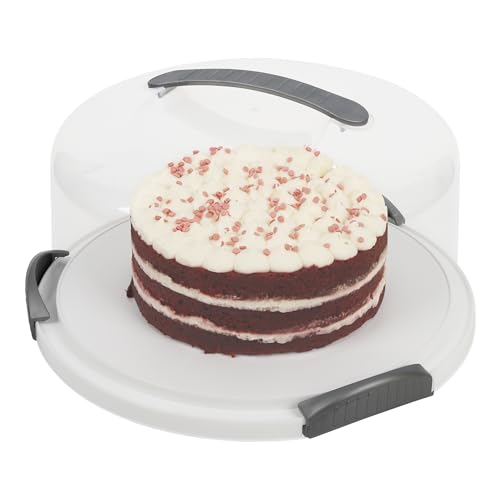

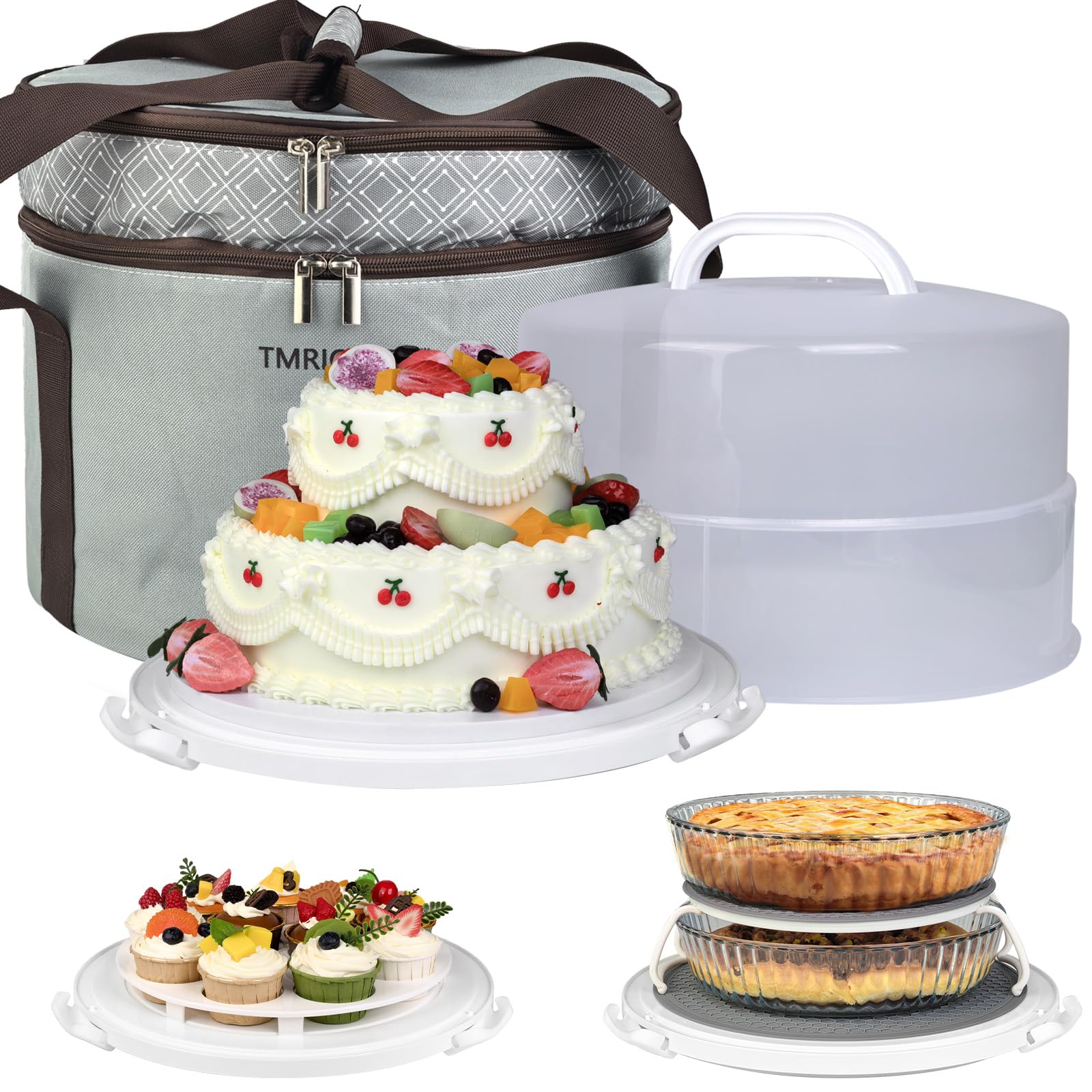

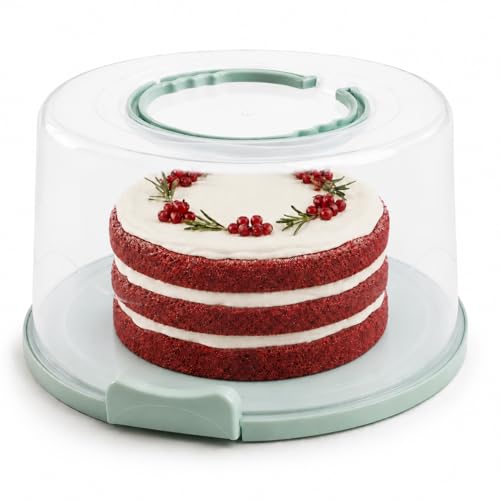
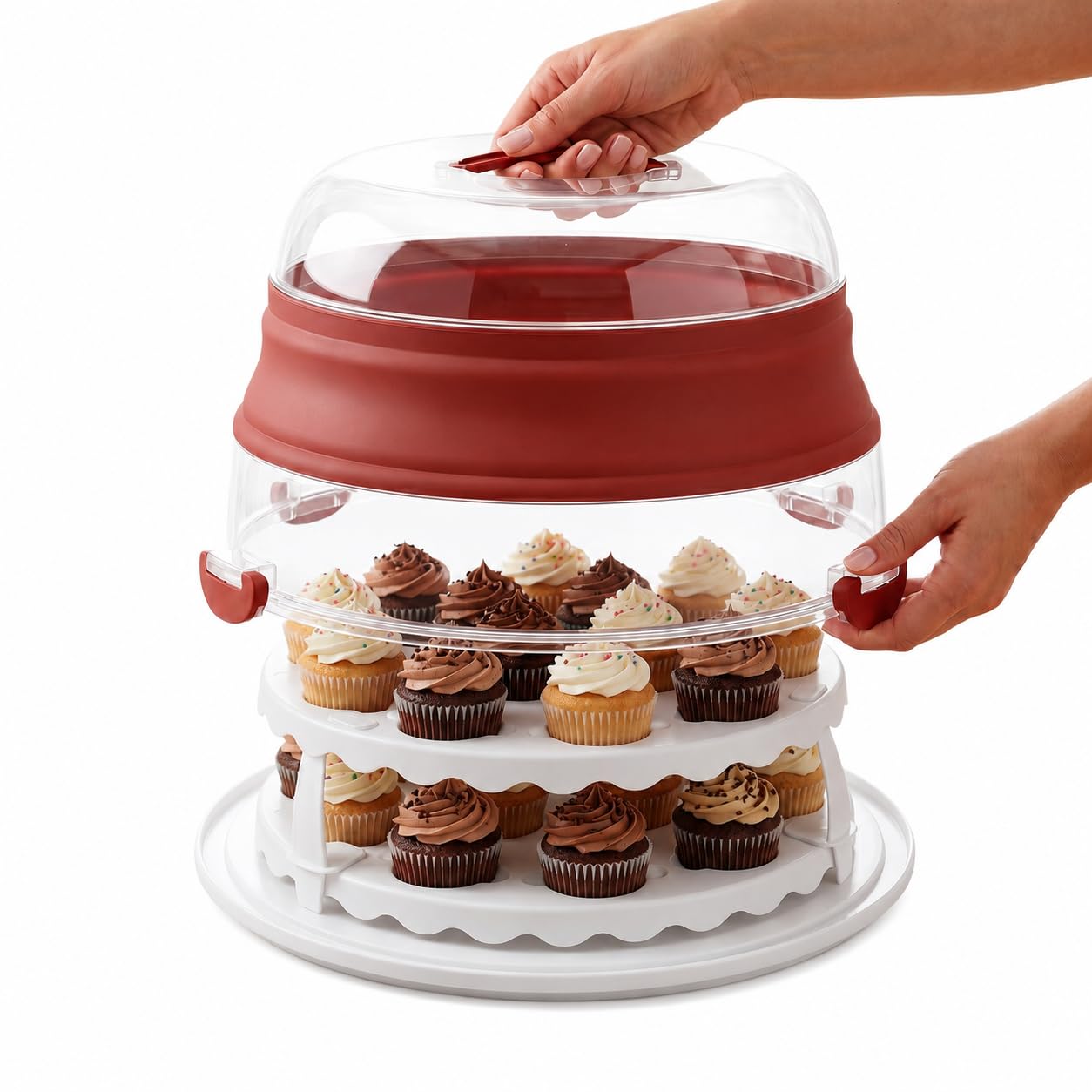
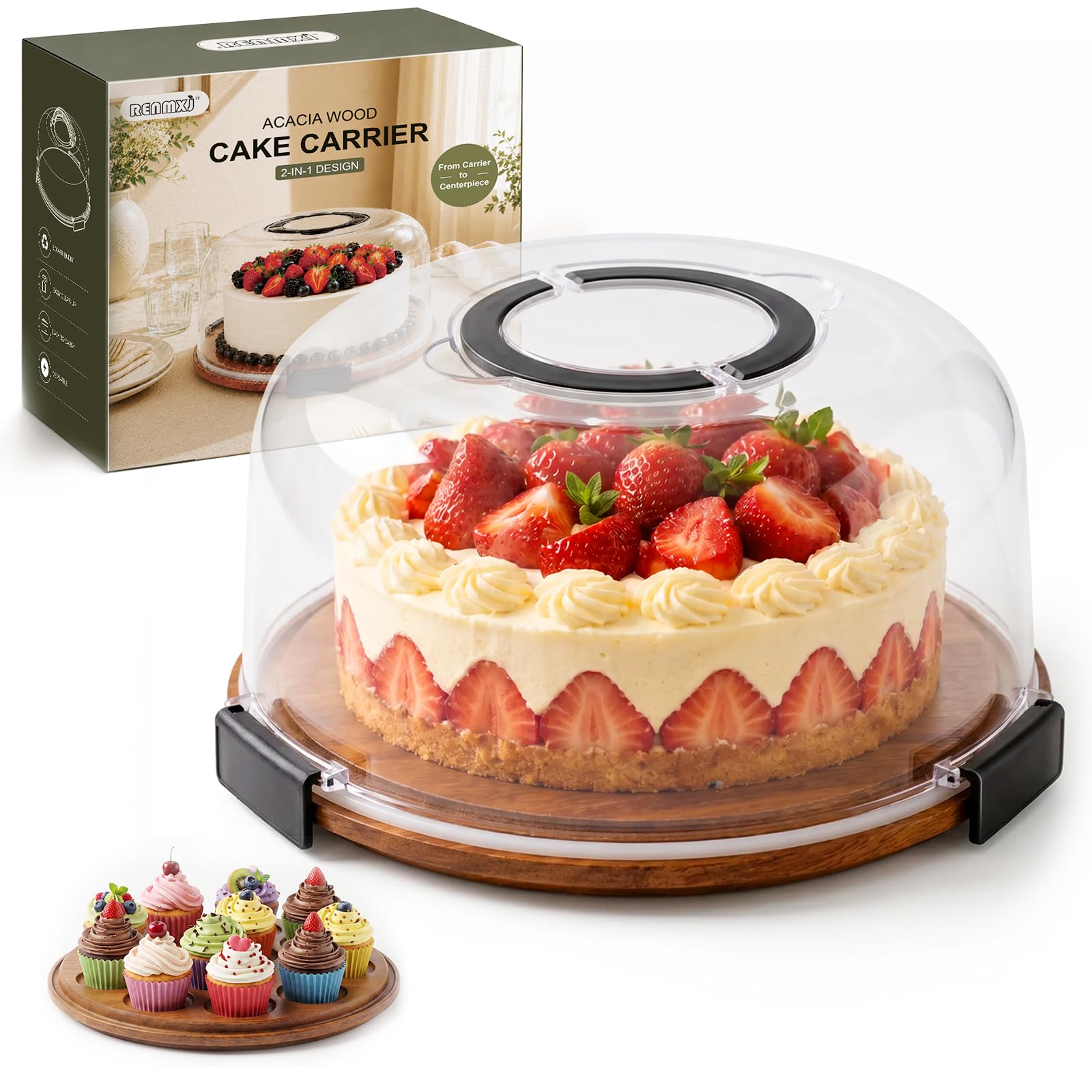
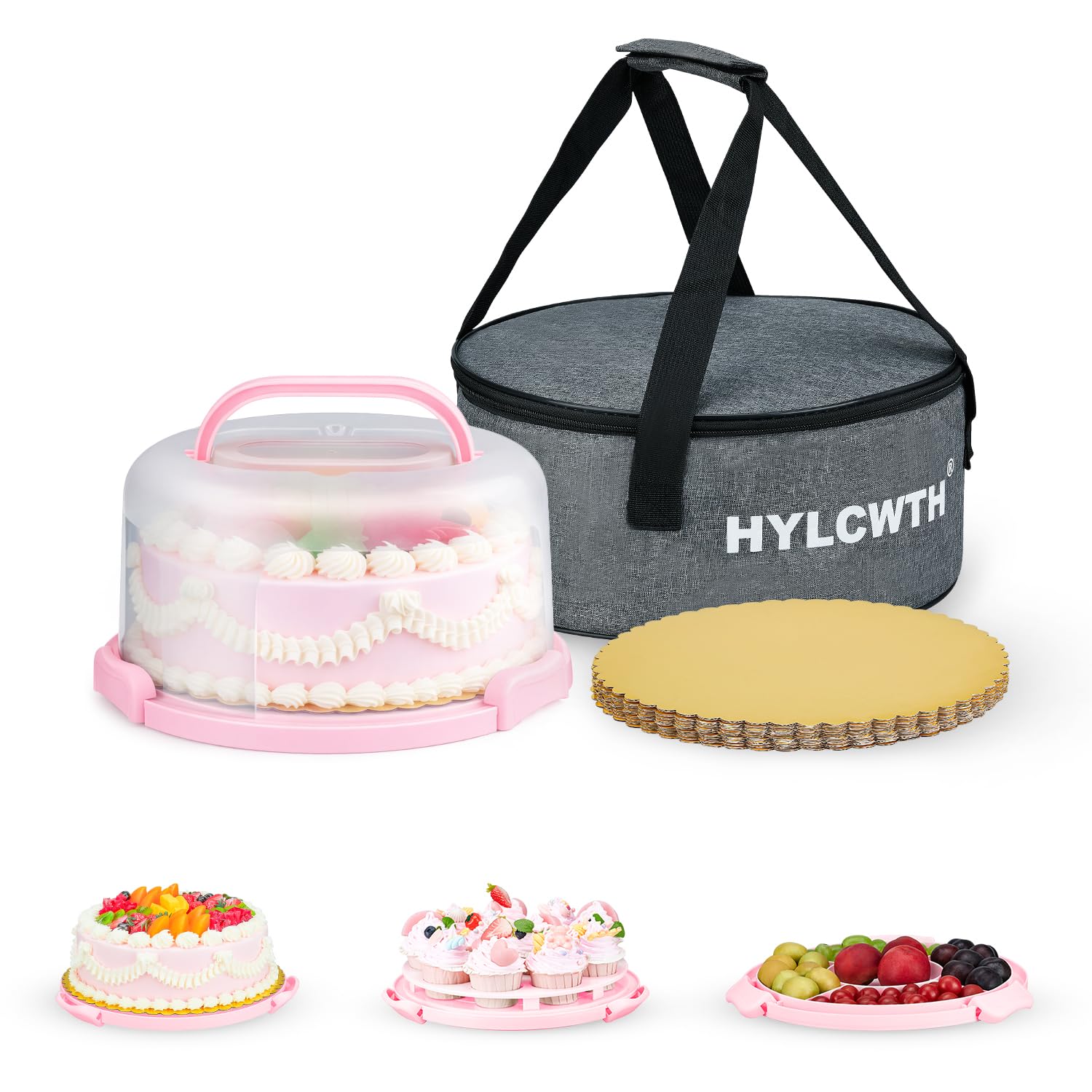
Spending Levels Compared
The sections below describe carrier types by spending level, not individual products. Each level suits a different baking habit, so start with how often you transport cakes and how tall they tend to be. A carrier that is too short is the most common mistake, so measure your tallest cake before you buy.
Budget Level Carriers
Budget carriers usually offer a simple round or rectangular base with a clear dome or snap on lid. They suit occasional bakers who carry a basic cake to a family gathering and want a low cost way to protect it. At this level, expect a lighter base and a lid that snaps rather than locks.
The main trade off is height and grip. Many budget carriers fit a single layer cake well but struggle with tall frosting or piped borders. Check the inside height carefully, and carry the carrier with both hands on the base rather than by a thin handle alone.
Midrange Level Carriers
Midrange carriers often add a locking lid, a sturdier base, and a handle that feels more secure in the hand. They suit regular bakers who carry cakes to parties, school events, and potlucks several times a year. Many also offer a base that doubles as a serving plate, which saves you from moving the cake twice.
At this level, look for a lid that stays put when you tilt the carrier slightly and a base that does not flex under a heavier cake. A carrier that feels firm when empty will usually feel safer when it is loaded, which matters on stairs and uneven paths.
Premium Level Carriers
Premium carriers often offer taller lids, stronger locking clips, and bases made for heavier or multi tier cakes. They suit bakers who transport decorated cakes often, sell cakes from home, or carry cakes over longer distances. Some also include inserts or dividers for cupcakes, which can be useful if you bake a mix of treats.
The extra cost buys confidence more than speed. A premium carrier will not fix a cake that was not chilled enough before travel, but it will hold its shape better and reduce the chance of a lid popping open. For a related kitchen tool, see our guide to best cake knife when you also need a clean way to slice the cake at the event.
What Your Money Gets You at Each Price Tier
Budget Level: What You Can Expect
At the budget level, expect about $10 to $20 for a basic carrier with a simple lid and a light base. You get protection from dust, light bumps, and smudged frosting, but you may not get a strong lock or a tall dome. This level works best for flat cakes, single layer cakes, and short trips.
Midrange Level: A Strong Balance for Regular Bakers
At the midrange level, expect about $20 to $40 for a carrier with locking clips, a firmer base, and better height options. You get a more secure close, a handle that is easier to grip, and a base that can hold a heavier cake without bending. This level suits most home bakers who transport cakes often.
Premium Level: Extra Room and Stronger Build
At the premium level, expect about $40 to $80 for a taller, stronger carrier with robust locks and a thick base. You get more room for tall layers, better stability on the road, and a build that can handle frequent use. This level suits decorated cakes, multi tier cakes, and bakers who carry cakes every week.
Features Worth Paying For (and Ones to Skip)
Ease of Use and Setup
A carrier should open, load, and close without forcing the lid over the frosting. Locking clips are worth paying for if you carry cakes in a car, because they reduce the chance of a lid lifting on a bump. A handle that stays upright is also useful, since it lets you carry the cake with one hand while you open a door with the other.
Size, Weight, and Fit for Your Space
Measure your cake plate, your tallest frosting, and your fridge shelf before you buy. A carrier that is too wide will slide in the car, while one that is too tall may not fit in the fridge. For taller cakes, see our guide to best cake rings if you need help keeping layers steady during assembly, since a steady cake travels better.
Weight matters too. A heavy base can feel safer, but it also adds to the load you carry up stairs. Choose a base that feels firm without being so heavy that you dread lifting it when it is full.
Warranty and Customer Support
A clear warranty is worth more than a fancy box. Check whether the maker covers cracked lids, broken clips, or warped bases, and how long that cover lasts. A maker that answers questions about size and care is a good sign, even if you never need to use the warranty.
Intended Use and Who It Is For
Match the carrier to your baking life. An occasional baker needs a simple, low cost carrier that stores easily. A frequent baker needs locking clips and a firm base.
A baker who sells cakes needs taller lids and a build that survives weekly travel. For mixing tools that match this habit, see our guide to best cake mixers when you are also upgrading your baking setup.
Long Term Costs to Factor In
Most cake carriers have low running costs, but a few extras add up. Replacement lids, extra bases, and inserts for cupcakes can cost more than the first carrier if you buy them separately. A carrier with a strong lid and clips may cost more at first but save you from buying a second carrier after a crack.
Cleaning costs are small but real. A carrier that comes apart easily is faster to wash and dry, which helps prevent stale smells. Avoid harsh scrubbing on clear domes, because scratches make it harder to see the cake and can weaken the lid over time.
Cake Carriers: Your Questions Answered
Are expensive cake carriers worth it?
They are worth it when you carry tall, heavy, or decorated cakes often, because stronger locks and taller lids reduce the risk of damage. For a flat cake carried once a year, a basic carrier does the job just as well. Weigh how often you travel with cake against the price, and spend more only when the extra height and strength solve a real problem.
How do I maintain a cake carrier?
Wash the base and lid with warm soapy water after each use, dry them fully, and store the lid separately if it tends to trap smells. Check clips and hinges for cracks before each trip, because a small crack can fail on the road. Keep the carrier away from high heat, which can warp a plastic base and make the lid fit poorly.
How much should I spend on a cake carrier?
Most home bakers do well with about $20 to $40 for a carrier with locking clips and enough height for a two layer cake. Occasional bakers can spend less on a simple carrier, while frequent bakers may benefit from about $40 to $80 for a taller, stronger model. Measure your tallest cake first, because height matters more than brand or color.
How long does a cake carrier last?
A well made carrier can last several years with regular use, while a thin budget carrier may crack sooner if it is dropped or stored under heavy items. Lifespan depends on how often you travel, how heavy your cakes are, and how you store the carrier. Replacing a cracked lid promptly helps, since a damaged lid puts the whole cake at risk.
What features matter most when buying cake carriers?
Inside height, locking clips, base firmness, and handle comfort matter most, followed by fridge fit and ease of cleaning. A carrier that is too short will damage frosting no matter how nice it looks. Check those four features first, then consider extras such as cupcake inserts or a base that doubles as a serving plate.
Wrapping Up
Start with height, then check the lock, the base, and the handle. A budget carrier suits flat cakes and short trips, a midrange carrier suits most regular bakers, and a premium carrier suits tall or decorated cakes that travel often. For food safety on the trip, keep the cake cool when the weather is warm, follow maker guidance on storage, and avoid leaving a cream filled cake in a hot car.
The best cake carriers are the ones that fit your tallest cake, close securely, and feel steady in your hands. Check the product table above once more, measure before you order, and pick the level that matches how often you actually carry a cake.