
Best Butcher Knife Sets 2026: A Guide to Breaking Down Meat With Confidence
Disclosure: We may earn a commission when you buy through links on this page, at no extra cost to you. As an Amazon Associate I earn from qualifying purchases. Learn more
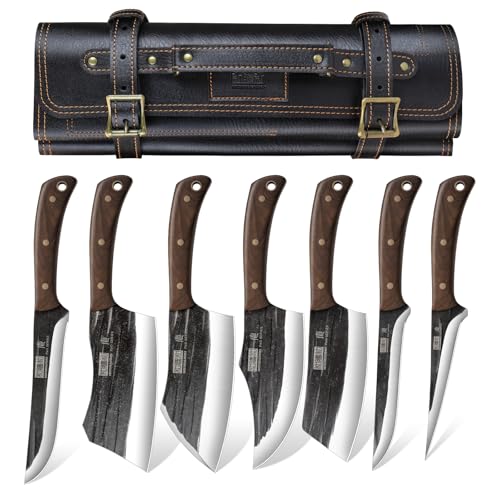
Compare butcher knife sets by blade types, steel quality, and storage, and learn how to choose a set that handles breaking down meat safely.
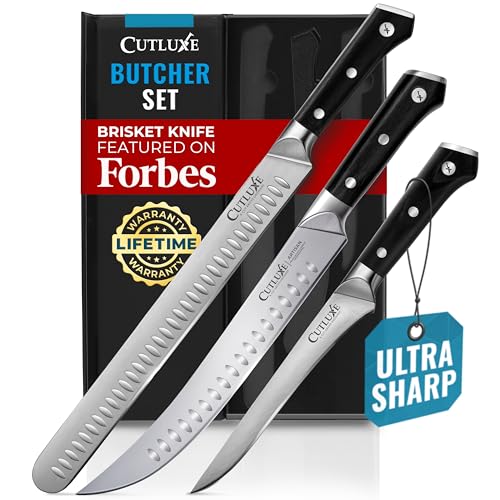
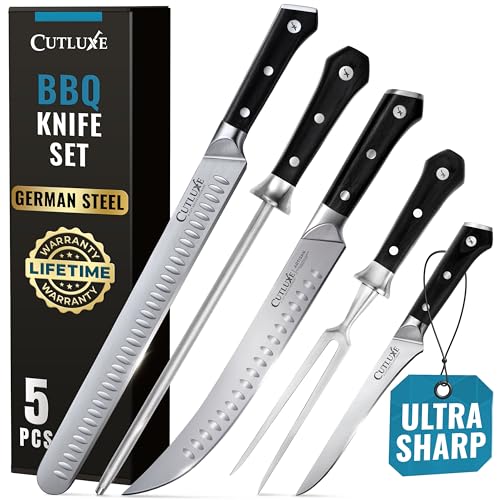
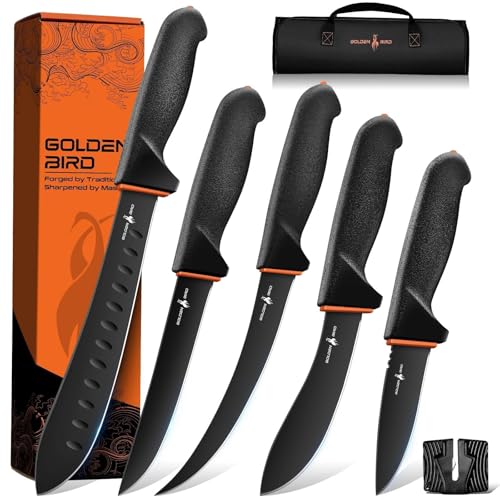
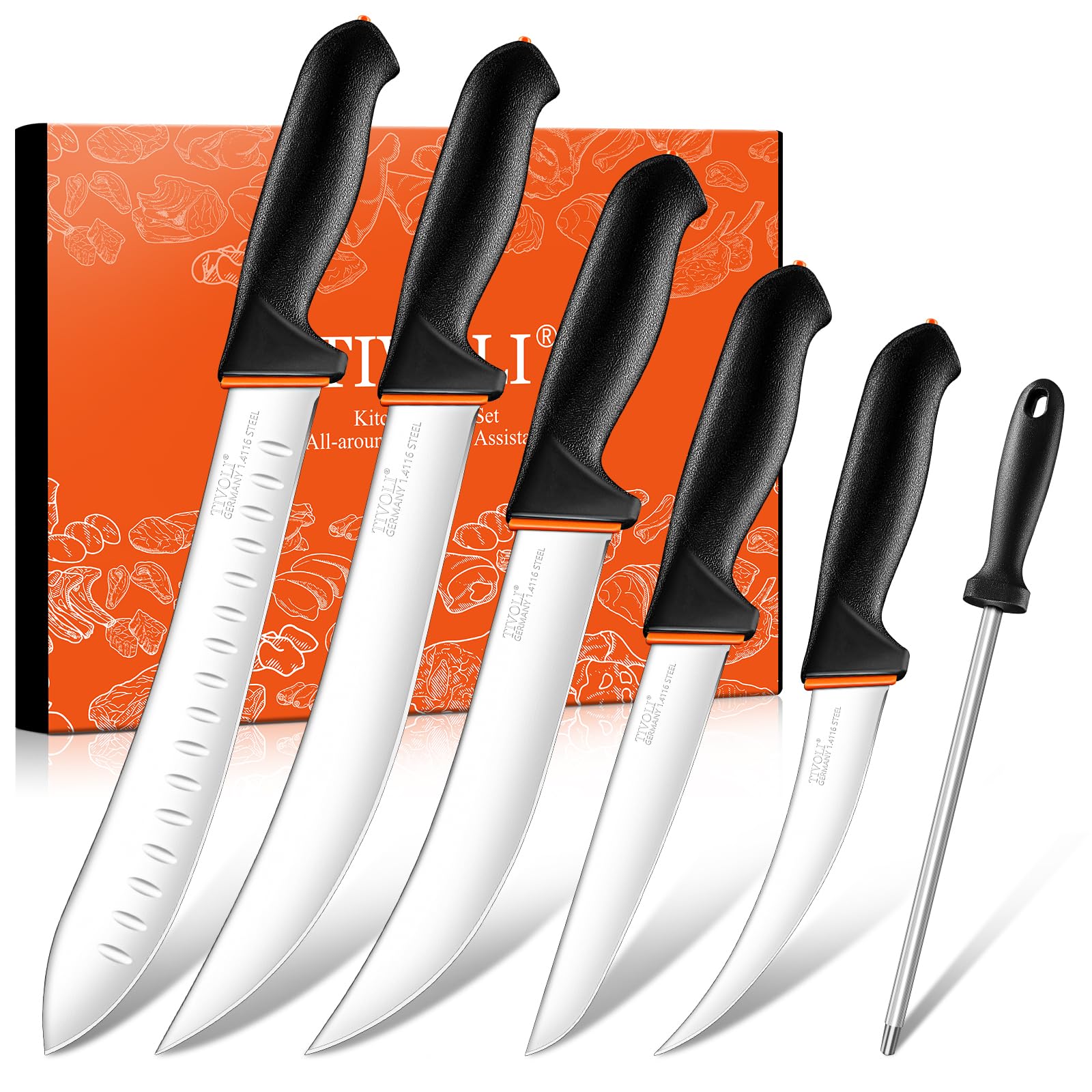
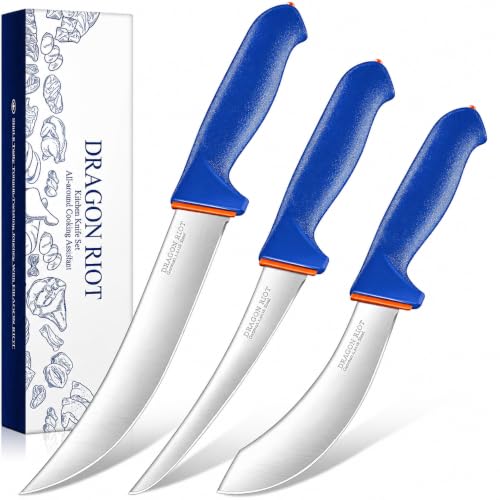
Breaking down meat needs heavier, sharper tools than everyday kitchen knives, and the best butcher knife sets are built for that work. A good set includes blades for different cuts, from trimming to slicing, plus a way to store them safely. The comparison table below brings the main options together in one place, so you can scan the differences before reading the detail.
Butcher work involves cutting through muscle, fat, and sometimes bone, so blade weight, edge retention, and handle grip all matter. A knife that is too light will struggle with larger cuts, while one that is too heavy tires your hand quickly. Balance matters as much as sharpness, since a well balanced blade feels controlled even during longer sessions.



Who Should Buy This
This guide suits home cooks who buy larger cuts, hunters, smallholders, and anyone who processes meat at home. It is especially useful if you have been using a chef knife for butcher tasks and found it lacking in weight or length. Professional butchers may need commercial grade sets, while home users can do well with a smaller, well chosen set. Anyone new to butchery should also learn safe handling alongside choosing tools.
Key Features to Compare
The features below matter more than the number of pieces alone. A set with the right blades in good steel will serve you better than a large set full of knives you never use.
- Blade variety, since different tasks need different blade shapes, from boning to breaking and slicing
- Steel quality, because good steel holds an edge longer and resists chipping under heavy use
- Handle grip, including comfort, security when wet, and protection for the fingers
- Weight and balance, meaning the blade should feel controlled rather than tiring over time
- Storage, such as a roll, block, or case that protects edges and keeps knives accessible
For quality knife sets, best quality knife sets covers that angle.
Types of Butcher Knife Sets to Consider
Basic butcher sets include a breaking knife, a boning knife, and a slicing knife, covering most home tasks. Larger sets add a cleaver for bone work, a trimming knife for fat and silver skin, and a steel for honing. Compact sets suit small kitchens and occasional use, with two or three versatile blades. Professional sets offer more specialised blades and heavier construction for daily commercial use. Start with a basic set, and add specialised blades only when you find a task your current knives handle poorly.
For cutting knife sets, best cutting knife sets is a useful companion guide.
Blade Lengths and Steel Types Explained
A breaking knife usually runs 8 to 10 inches and handles large primal cuts, while a boning knife of 5 to 6 inches works around joints and bones. A slicing or brisket knife of 10 to 12 inches gives long, clean strokes through cooked meat. When you compare the best butcher knife sets, check that the lengths match the cuts you handle rather than choosing the longest blades by default.
High carbon steel takes a very sharp edge and is easy to touch up, but it can rust if left wet. Stainless steel resists rust and needs less care, though it may need more frequent honing. Many good sets use a blend, with enough carbon for hardness and enough chromium to resist stains. Hardness is a trade off: harder steel holds an edge longer but can chip if used on bone, while softer steel rolls and needs honing more often.
Handle material also deserves a look. Textured polymer grips stay secure with wet or greasy hands and clean easily, while wood looks traditional but needs drying and occasional oiling. A bolster or finger guard adds protection when the blade meets resistance.
How to Choose the Right Option
Think about the meat you handle most, whether beef, pork, lamb, poultry, or game, since each favours slightly different blade lengths. Hold the knife if possible, checking that the handle feels secure and the blade balances near the bolster. Look for full tang construction, where the steel runs through the handle, which adds strength and durability. Check how the set stores, since loose knives in a drawer dull quickly and are unsafe. A good set should feel like an extension of your hand, not a tool you fight.
For culinary knife sets, best culinary knife sets covers kitchen focused sets.
Common Mistakes to Avoid
A common mistake is to buy a set based on piece count alone, ending up with duplicate or useless blades. Another is to use a butcher knife for tasks it is not meant for, such as prying or cutting frozen meat, which can chip the edge. Neglecting sharpening is also frequent, since even good steel dulls with use and a dull knife is more dangerous than a sharp one. Storing knives loose in a drawer damages edges and risks cuts. Finally, using a wet or slippery handle without drying your hands increases the risk of slips.
Planning for Everyday Use
Hone the edge regularly with a steel, and sharpen properly when honing no longer restores cutting performance. Wash knives by hand and dry them immediately, since dishwashers can damage edges and handles. Store them in a roll, block, or on a magnetic strip where edges do not touch other metal. Oil carbon steel blades lightly if you use them rarely, to prevent rust. With basic care, a good butcher set will last for many years of regular use.
For cooking knife sets, best cooking knife sets is a useful companion guide.
Frequently Asked Questions
What knives do I need for basic butchery at home?
A breaking knife, a boning knife, and a slicing knife cover most home tasks. A cleaver helps if you work with bone, and a trimming knife helps with fat and silver skin. Start with the basics and add blades as your skills and needs grow.
How do I keep butcher knives sharp?
Hone with a steel before or after each session to realign the edge, and sharpen with a stone or professional service when honing stops helping. A sharp knife cuts with less force and is safer than a dull one. Learn the correct angle for your blades or have them sharpened professionally.
Can I put butcher knives in the dishwasher?
Hand washing is best, since dishwasher heat and jostling can dull edges and damage handles. Wash with warm soapy water, dry immediately, and store safely. This habit alone greatly extends the life of a good set.
What is the difference between a boning knife and a breaking knife?
A boning knife is narrower and more flexible for working around bones and joints, while a breaking knife is larger and stiffer for cutting through muscle. Each suits a different stage of breaking down meat. Using the right blade makes the work faster and safer.
How should I store butcher knives safely?
Use a knife roll, block, or magnetic strip that keeps edges protected and separate from other tools. Never store loose knives in a drawer where edges bang against other items. Safe storage protects both the blades and your hands.
For chef knife sets, best chef knife sets covers that angle.
Final Thoughts
The best butcher knife sets make breaking down meat faster, safer, and more enjoyable, provided you choose blades that match your work. Start with the basics in good steel, learn to hone and sharpen, and store them properly. With the right tools and habits, home butchery becomes a skill you can rely on.
Use the product table as a starting point, then let the meat you handle, your storage space, and your budget guide the final choice.


