Best Cake Mixers: Buying Guide for 2026
Disclosure: We may earn a commission when you buy through links on this page, at no extra cost to you. As an Amazon Associate I earn from qualifying purchases. Learn more

The best cake mixers match your batch size, speed control, and counter space. Compare hand and stand types before you buy.
A mixer that stalls in thick batter or flings flour across the counter makes baking feel harder than it should. The right choice depends on how often you bake, the size of your batches, and how much counter and storage space you can give up. This guide walks you through the best cake mixers by type and budget, so you can shortlist from the comparison table below without paying for power or size you will never use.
You will see how hand, stand, and hybrid styles compare, which specs actually matter for cake batter and frosting, and what ownership looks like over several years of regular baking.





Our Top 3 Profiles at a Glance
The profiles below describe the three shapes most buyers choose between. Match your baking habits to a profile first, then compare specific options in the product table above against that profile.
Best Overall Profile
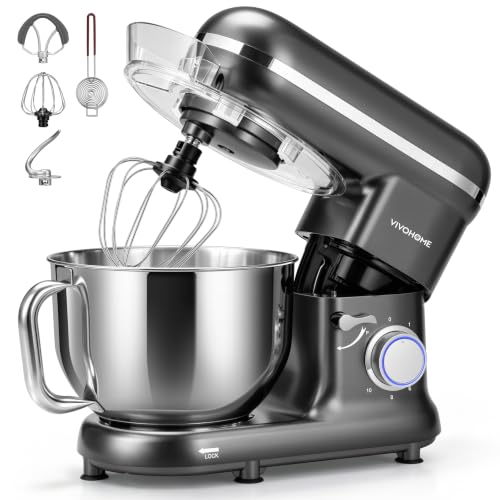
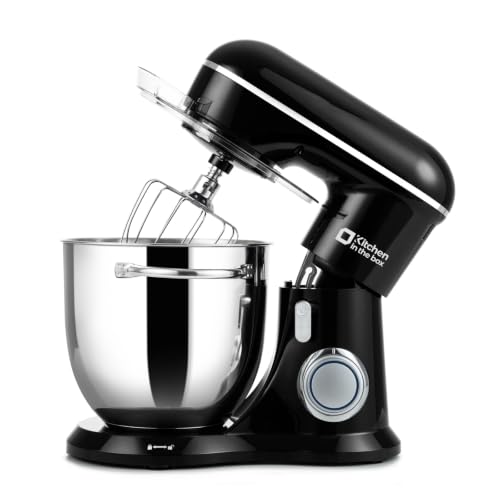
For most regular bakers, a mid sized stand mixer around $200 to $350 hits the balance point. A bowl around 4.5 to 5 quarts handles a standard two layer cake or a double batch of cupcakes, and a motor in the 300 to 400 watt range creams butter and sugar without strain. Planetary mixing action, where the beater moves around the bowl, reduces scraping. The compromise is weight and footprint: these machines live on the counter or need a strong shelf and two hands to move.
Best Value Profile
A good hand mixer around $30 to $80 is the value winner for occasional bakers. Modern hand mixers cream, whip, and blend cake batter well, store in a drawer, and clean in minutes. Look for slow start speeds to keep flour in the bowl and a storage case that keeps beaters together. The limit is batch size and endurance: thick frosting and double batches mean longer mixing with your arm doing the holding, and very stiff dough is beyond most hand models.
Best Upgrade Profile
An upgrade stand mixer around $400 to $600 buys a larger bowl around 6 to 7 quarts, an all metal drive, and stronger performance on dense batters and big celebration cakes. Bowl lift designs suit bakers who make several batches in a row, because the bowl stays stable under load. You also tend to get more attachment options for other kitchen tasks. The trade off is real counter space, serious weight, and a price that only makes sense if you bake often.
How to Choose the Best Cake Mixers: Buying Guide
Intended Use and Who It Is For
Be honest about frequency. Baking a cake once a month points to a hand mixer or a compact stand model. Weekly baking, bake sales, or family birthdays in rotation justify a full size stand mixer that frees your hands for measuring and scraping. Consider who else uses the kitchen: a heavy stand mixer is a poor fit if you must move it for every use, and a hand mixer is frustrating for anyone who finds holding a vibrating tool tiring.
Warranty and Customer Support
Stand mixers are long life appliances, so warranty length and parts availability matter. One year coverage is the minimum; better brands offer longer motor coverage and sell replacement beaters, bowls, and gears for years. Hand mixers are cheaper to replace, but check that beaters are sold separately, because a lost beater can retire an otherwise fine machine. Register the product after purchase and keep the receipt with the manual.
Price vs Value
Budget hand mixers sit around $25 to $60 and cover basic cake work well. Mid range money, about $150 to $350, buys capable stand mixers and premium hand models with better speed control. Premium stand mixers above about $400 add capacity, metal construction, and attachment systems. Value is not the lowest price: it is cost spread over years of cakes without frustration, so a mixer you enjoy using weekly is cheaper in practice than a bargain model that stays in its box.
Key Performance Specs
For cakes, speed range matters more than raw top power. You need a genuinely slow first speed for folding in flour, several middle speeds for creaming and blending, and a fast top speed for whipping cream and egg whites. Stand mixer watt figures around 250 to 575 cover home needs; what matters is whether the motor holds speed under load without a burning smell. Hand mixer power is often listed in peak watts, so judge by speed control and user reports of stalling instead.
Build Quality and Materials
Metal gears and a metal or sturdy housing hold up better than all plastic drives, especially in stand mixers used weekly. Stainless steel bowls resist staining and can chill for whipped cream, while glass bowls let you see unmixed pockets but add weight and breakage risk. Beaters should be stainless steel without a center post where batter hides. A splash guard with a pour spout is a small feature that saves real cleanup on flour heavy recipes.
Size, Weight, and Fit for Your Space
Measure before you buy. A stand mixer needs clearance under upper cabinets both for storage and for lifting the head or bowl to add ingredients. Typical footprints run about 14 to 17 inches tall, which is too tall for some cabinet gaps. Hand mixers solve the space problem entirely. If you are comparing styles, our guide to the best hand mixers for cakes details when the smaller tool is honestly the better one.
Types of Cake Mixers
Compact Options
Compact options include hand mixers and small stand mixers with bowls around 3 to 3.5 quarts. They suit small kitchens, single cakes, and bakers who value easy storage over batch size. Cleanup is fast and the learning curve is short. The downside appears with double batches and thick batters, where you may need to mix in two rounds. For many households exploring the wider category, the overview of the best food mixers for cakes helps place compact models in context.
Premium Options
Premium options are large stand mixers built for volume and longevity. They handle back to back batches, big wedding style tiers, and heavy frostings without slowing, and they anchor attachment systems that extend into pasta and grinding tasks. They demand counter space, cost the most, and are heavy to move for cleaning. Choose this type when baking is a weekly habit or a small side business, not for twice a year use.
Mid Range Options
Mid range stand mixers are the default recommendation for committed home bakers. Capacity covers most family recipes, motors are strong enough for any normal cake batter, and prices stay reasonable during sales. If your focus is specifically batter work at scale, compare notes with our guide to the best mixers for baking cakes, which looks at batch workflow in more depth. The broader stand category is covered in our roundup of the best stand mixers for readers weighing several kitchen jobs.
Setup and Care Tips
- Read the manual before first use, especially the speed guide, because speed numbers mean different things on different models.
- Wash the bowl and beaters before the first cake to remove factory oils, and dry steel parts fully to prevent water spots.
- Start every mix on the slowest speed and raise it gradually, which keeps dry ingredients in the bowl and reduces motor strain.
- Clean and inspect regularly: wipe flour dust from vents, check the cord for damage, and look for batter dried under the head.
- Store in a dry place with beaters inside the bowl or in their case, so parts stay paired and edges stay unbent.
- Register the product for warranty and note the model number somewhere handy for ordering spare beaters later.
Cake Mixers: Your Questions Answered
Are expensive cake mixers worth it?
They are worth it if you bake often enough to use the capacity and durability you are paying for. Frequent bakers gain steadier speeds, bigger bowls, and machines that last a decade or more. Occasional bakers rarely use those strengths, and the search for the best cakes mixers for a few cakes a year usually ends happily with a good hand mixer at a fraction of the price.
How long does a cake mixer last?
A quality stand mixer commonly lasts 10 years or more with home use, and many serve far longer when gears and beaters can be replaced. Hand mixers typically last about 3 to 6 years depending on load and storage. Overloading is the main life shortener: forcing thick dough or oversized batches through a light machine wears the motor and drive quickly.
How do I maintain a cake mixer?
Wipe the body after each use, wash the bowl and attachments promptly, and keep vents free of flour dust so the motor cools properly. Check that beaters click in firmly and spin true. Once a year, inspect the cord and plug. For stand models, a light check of head tightness prevents wobble. Simple habits like these keep speeds steady and prevent small issues from becoming repairs.
What features matter most when buying cake mixers?
Slow speed control, bowl size matched to your batches, and mixing action that reaches the bowl sides matter most for cakes. After that come sturdy beaters, a splash guard, and a weight you can manage. Attachment systems and designer colors are pleasant extras, but they do not improve a sponge. Judge features by the cakes you bake monthly, not by the biggest cake you can imagine.
How much should I spend on a cake mixer?
Occasional bakers can spend around $30 to $80 on a hand mixer and be fully equipped. Regular bakers should plan around $200 to $350 for a stand mixer that will last. Budgets above about $400 make sense for large batches or very frequent use. Spending in line with your real baking frequency is the surest way to feel the purchase was fair.
Final Thoughts
Match the mixer type to your baking frequency, the bowl size to your usual batch, and the price to how many years you expect to use it. Slow, controlled speeds and solid build beat headline power for cake work every time. Review the product table above through that lens, and the best cake mixers for your counter will be clear without overspending.