
Best Caffeine Tablets for Running: Which One Fits the Way You Use It (2026)
Disclosure: We may earn a commission when you buy through links on this page, at no extra cost to you. As an Amazon Associate I earn from qualifying purchases. Learn more

Discover the best caffeine tablets for running for your needs. We match features to real use cases so you avoid overpaying and get the right fit the first time.
There is no single caffeine tablet that suits every runner. A tablet that feels perfect before a short morning run can be far too strong before an evening session, and a dose that helps on race day can wreck your sleep during a normal training week. The best caffeine tablets for running are the ones matched to your distance, your start time, and how sensitive you are to caffeine in the first place.
This guide works by use case. It sorts runners into a few common patterns, explains the features that matter for each, and gives you a safe way to test any new tablet in training long before race day. Use the comparison table below to check doses per tablet side by side as you read.
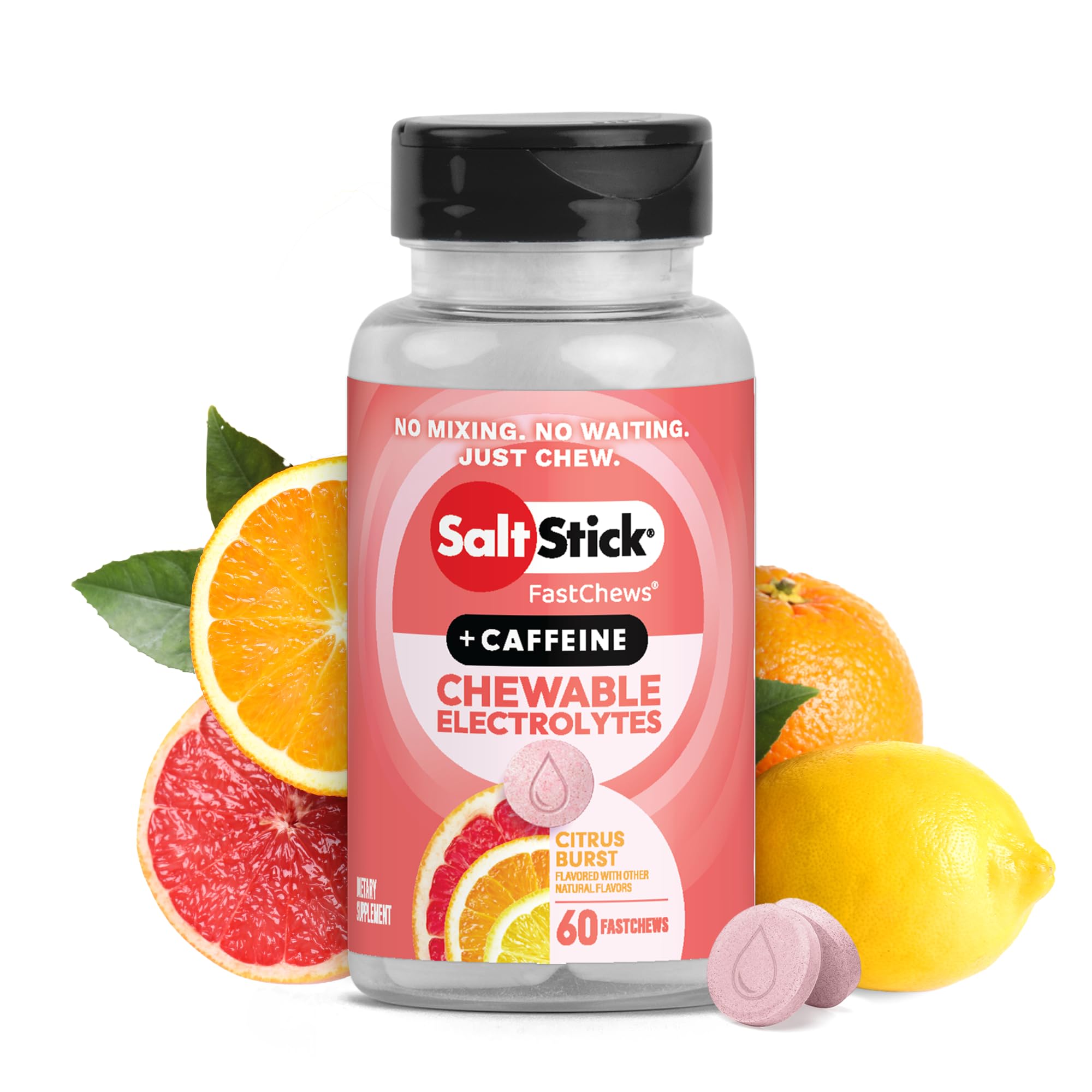

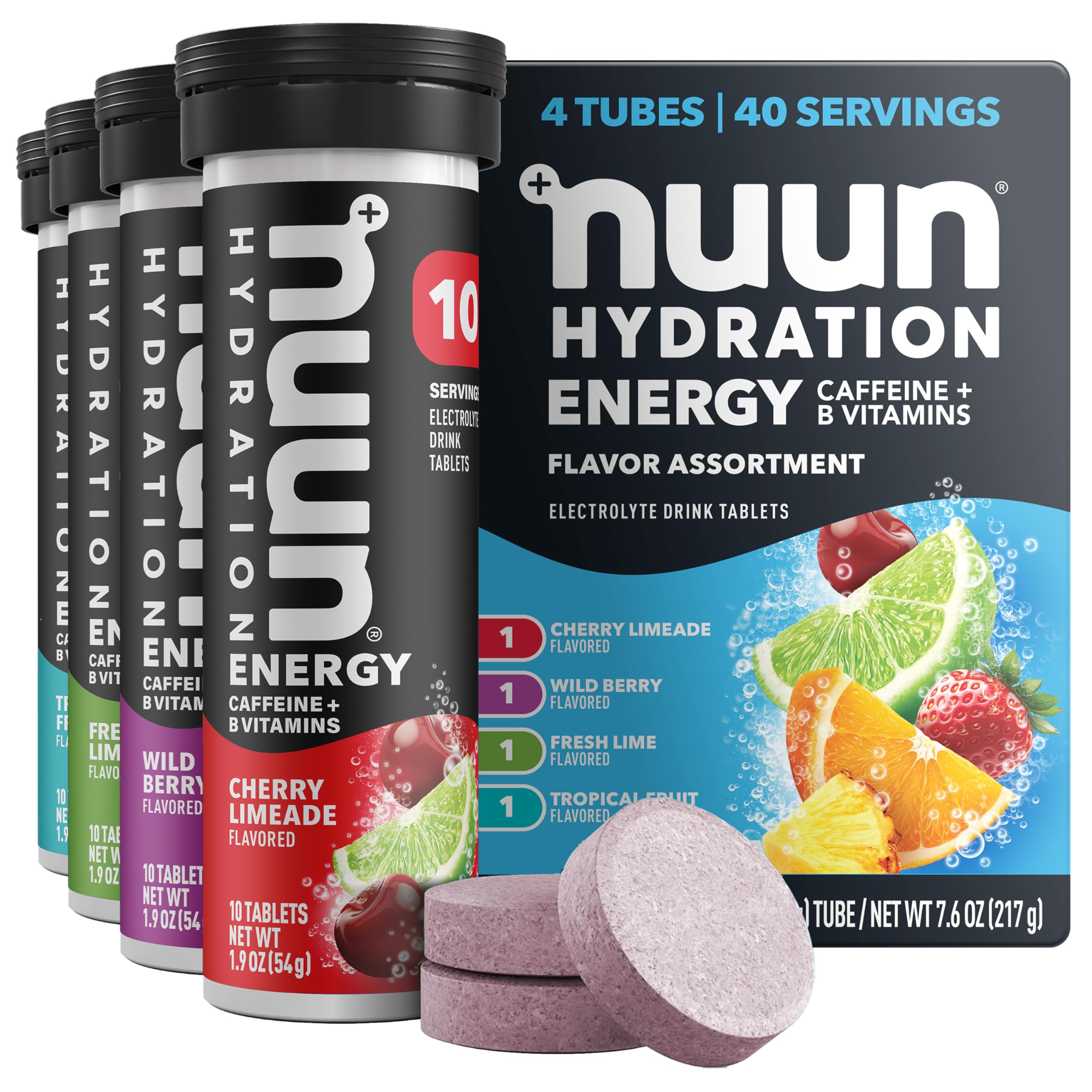
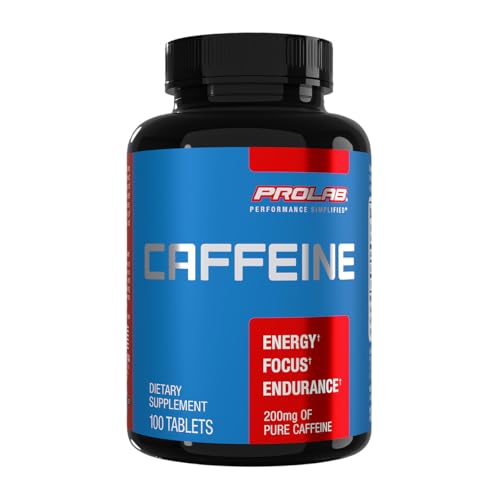
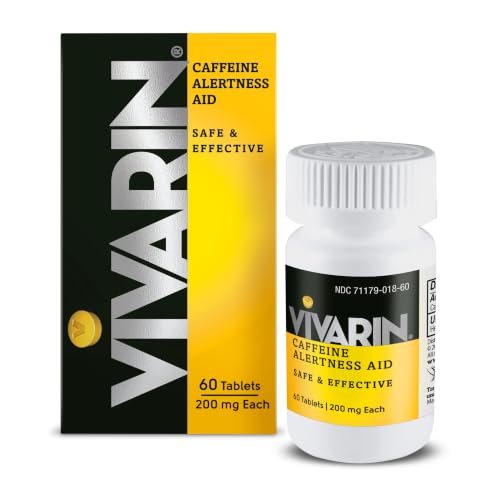
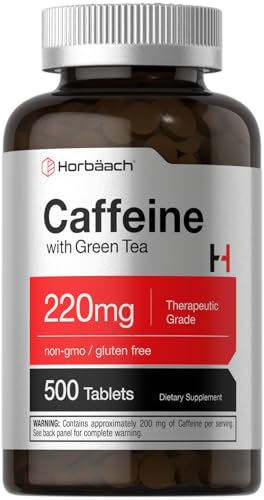

Who Should Buy Which Caffeine Tablets?
For Early Morning Runners
If you train before work, your problem is grogginess, not distance. A moderate dose tablet, around 100 mg of caffeine, taken about 30 to 45 minutes before you head out, is usually the pattern to look for. Tablets that split cleanly in half give you flexibility on days when you slept well and need less. Avoid stacking the tablet with a large coffee before the run, because total caffeine, not the tablet alone, decides how you feel.
For Long Distance and Race Day Runners
Long runs and races reward planning. Many distance runners save caffeine for the later miles, when fatigue rises, using a tablet with a clearly stated dose so the amount is easy to track across a two or three hour effort. Look for tablets that are easy to swallow with water at an aid station and small enough to carry without crumbling in a pocket or belt. Practice the exact timing in your longest training runs, never on race day itself.
For Caffeine Sensitive Runners and New Users
If coffee makes you jittery, start at the low end. Tablets in the 50 mg to 100 mg range, or tablets scored so you can take half, let you learn your response with a small and reversible step. Pay attention to added ingredients, because some formulas include other stimulants that can push the effect higher than the caffeine number suggests. If low doses still bring a racing heart, palpitations, or anxiety, caffeine products are not for you, and you should talk with a doctor before trying again.
Key Features to Compare
Dose per Tablet and How Easy It Is to Adjust
The dose is the single most important line on the label. Common tablets range from about 50 mg to 200 mg of caffeine, and a 200 mg tablet is roughly a strong cup of coffee. Most runners do best with the smallest dose that lifts their alertness, because side effects grow faster than benefits as the dose climbs. Scored tablets and lower dose options make adjustment easier, which matters more than a long list of bonus ingredients.
Timing, Form, and Ease of Swallowing
Standard tablets usually take about 30 to 60 minutes to reach their full effect, so timing them is part of the skill. Chewable and smaller tablets are easier to take during a run with a sip of water, while large coated tablets suit pre run use at home. Consider stomach comfort too, because caffeine on an empty stomach bothers some runners. Taking the tablet with a small snack or your pre run meal is a simple fix worth testing in training.
Added Ingredients Worth Checking
Some tablets add L theanine, an amino acid often paired with caffeine to smooth the feeling, or electrolytes, which matter on hot long runs. Others add herbal stimulants, and those deserve extra caution, because the combined effect is harder to predict and some are banned in competitive sport. Keep the ingredient list short and recognizable. If you compete in sanctioned events, choose products that carry independent testing for banned substances, and check the current rules of your event organizer.
Tablets Compared With Coffee, Gels, and Gum
Tablets win on precision and price: you know the exact dose, they cost little per use, and they travel well. Coffee varies in strength from cup to cup, though many runners enjoy the ritual. Energy gels combine caffeine with carbohydrates, which suits long runs where you need fuel anyway, while caffeine gum absorbs faster and suits a late race boost. None of these is automatically better. Pick the form you can dose accurately, carry comfortably, and tolerate at race pace, and keep one backup form in case your stomach rejects the first plan.
Daily Totals, Sleep, and Safety Limits
United States regulators have cited up to 400 mg of caffeine a day as an amount not generally linked with dangerous effects for most healthy adults, but that figure covers your whole day, including coffee, tea, and soft drinks. Runners who train in the evening should set a cutoff, often six to eight hours before bed, because poor sleep erodes the very training the caffeine was meant to support. Tablets should never be used to mask illness, injury, or deep exhaustion.
Common Mistakes to Avoid When Buying Caffeine Tablets
- Trying a new dose on race day: Every new tablet and every new timing plan belongs in training first, where a bad reaction costs you a session, not a medal.
- Judging by price alone: A cheap bottle with an unsuitable dose or a stimulant blend is worse value than a plain tablet you can measure precisely.
- Ignoring your other caffeine: Coffee, gels, and drinks add up, so count the full day before deciding a tablet dose.
- Using caffeine to replace sleep or food: Tablets sharpen alertness for a while, but they cannot replace rest, carbohydrates, or hydration on a long run.
- Skipping the label: Check the dose per tablet, not per serving, because some labels quietly define a serving as two tablets.
Tips to Get the Most From Your Caffeine Tablet
Keep a short training log for your first few uses, noting the dose, the timing, how your stomach felt, and how you slept that night. Patterns show up within three or four runs and tell you more than any general advice. Store tablets in a cool, dry place away from children, because caffeine tablets look like ordinary medicine and are dangerous for kids in adult doses. Carry race day tablets in a small waterproof pouch so sweat and rain do not soften them before you need them.
Build the rest of your kit with the same care. Shoes matter far more to your running than any supplement, so if yours are worn out, start with our guide to the best running shoes. If you want a broader look at plain caffeine options beyond running, our guide to the best caffeine tablets covers everyday use. And if you stack several supplements, read how best collagen tablets are usually used, then check the combined labels for overlapping ingredients before adding anything new.
Caffeine Tablets: Your Questions Answered
How long before a run should you take a caffeine tablet?
About 30 to 60 minutes before you start works for most standard tablets, since caffeine needs time to absorb. Chewable forms can act a little sooner. For long races, some runners take a dose partway through instead, timing it for the final hour. Test both patterns in training and note which one your stomach prefers, because comfort late in a run is worth more than a small timing gain.
How much caffeine is reasonable before a training run?
For most runners, a modest dose in the 50 mg to 100 mg range is a sensible place to start, rising only if training shows a clear benefit without side effects. Bigger is not automatically better, and the total from all sources across your day should stay within widely cited general limits for healthy adults. Anyone who is pregnant, has a heart condition, or takes regular medication should ask a doctor what, if anything, is appropriate.
Can caffeine tablets upset your stomach while running?
Yes, they can, especially on an empty stomach or at high doses, because caffeine can increase stomach acid and speed gut movement. Taking the tablet with food, lowering the dose, or switching to a smaller tablet taken more than once usually helps. Persistent pain, reflux, or blood in the stool is not a training problem to push through. Stop and see a doctor about those warning signs.
Do caffeine tablets help every runner perform better?
No, responses vary a lot between individuals, and some runners feel only side effects such as jitters, a pounding heart, or poor sleep. Habitual heavy coffee drinkers may also notice less of a lift. The only reliable test is careful trial in training with a log. If several honest trials show no benefit, save your money, because sleep, pacing, and fueling deliver far more for most runners.
Are caffeine tablets allowed in races?
Caffeine itself is permitted in most running events and is not on the World Anti Doping Agency prohibited list, but combination products can contain other stimulants that are banned. Rules also differ between school, collegiate, and professional competition. Check your event and governing body rules before race day, choose plainly labeled and independently tested products if you compete, and when in doubt ask the organizer rather than risking disqualification.
Final Thoughts
Match the dose to your distance and start time, test everything in training, and count your total daily caffeine including drinks. Those three habits matter more than any brand claim. Check the product table above, choose the best caffeine tablets for running for your own routine, and talk with your clinician about personal needs if you have any health condition or take regular medication.


