
Best Caffeine Tablets: Strength, Form, and Safety Guide for 2026
Disclosure: We may earn a commission when you buy through links on this page, at no extra cost to you. As an Amazon Associate I earn from qualifying purchases. Learn more
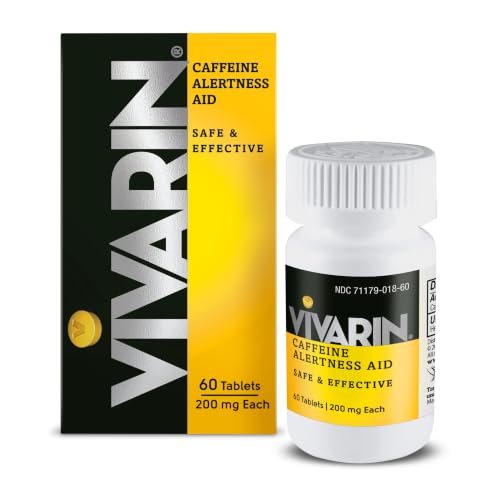
The best caffeine tablets state the amount per tablet, keep ingredients short, and fit your routine. Read the safety points first.
A caffeine tablet is a simple way to get a measured amount of caffeine without brewing coffee or opening a can. The best caffeine tablets state the caffeine amount clearly, keep the ingredient list short, and fit the way you plan to use them. This guide explains the label details that matter, the main tablet types, and the safety points to read before your first bottle.
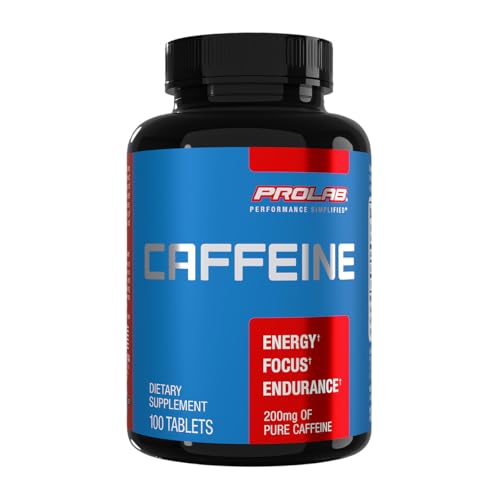
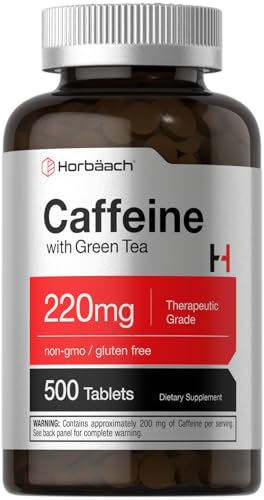
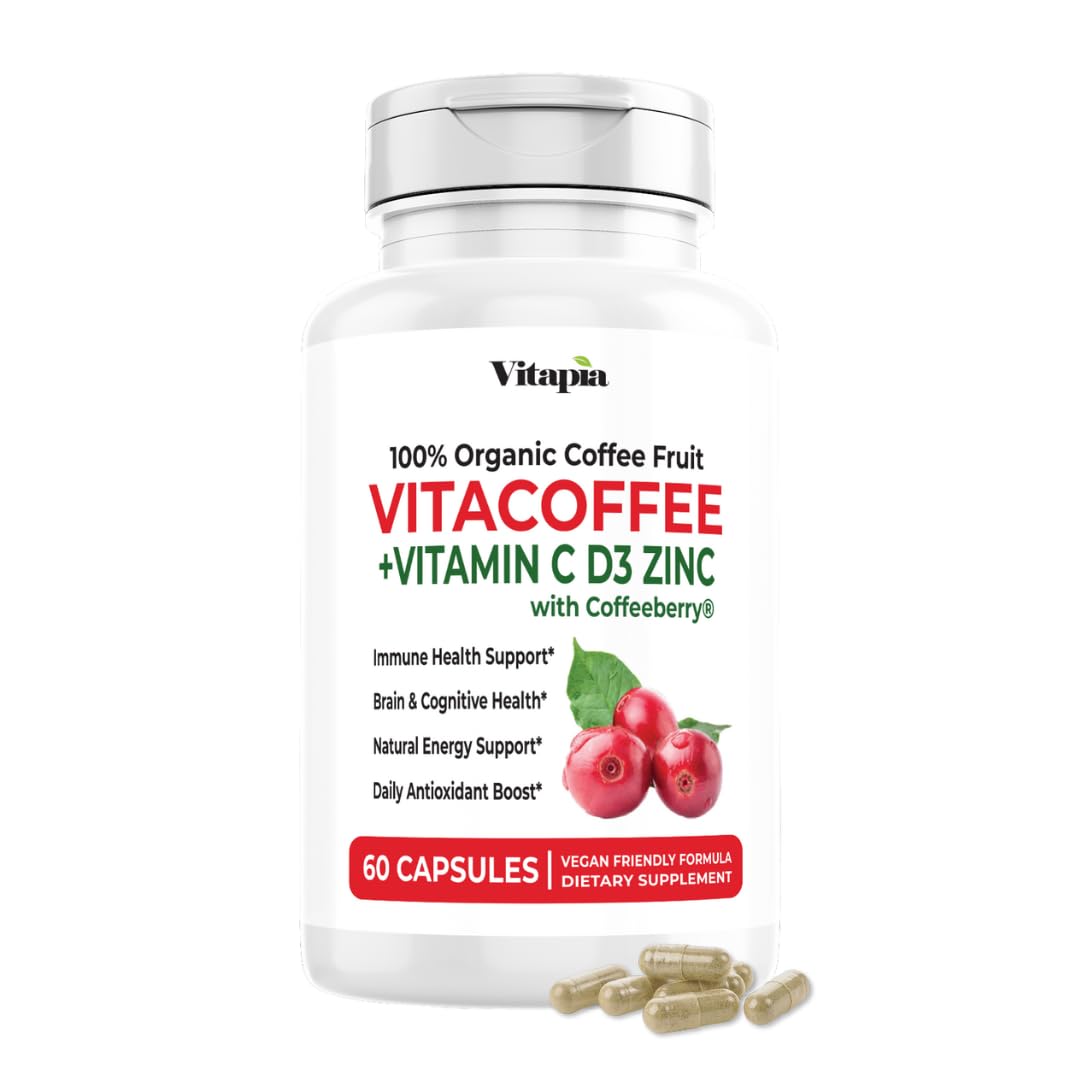
The product table above lists tablets, chewables, and electrolyte tablets with caffeine so you can compare strength, count, and price. Caffeine affects people differently, so treat this guide as general information and ask your doctor or pharmacist if you have any health condition or take regular medicine.


Who Should Consider Caffeine Tablets
Shift Workers and Early Risers
People who work early or late shifts sometimes want a predictable boost without a large drink. Tablets store easily in a bag or locker and do not need hot water. Plan the timing so the effect does not run into your sleep, since poor sleep makes the next day harder.
Students and Desk Workers
Tablets give a consistent amount every time, which helps if you want to avoid the guesswork of different coffee strengths. They also avoid the sugar found in many energy drinks. Keep track of caffeine from every source, including tea, soda, and chocolate.
Active People
Gym visitors, cyclists, and runners often prefer small tablets or chews they can carry. Some products pair caffeine with electrolytes, which suits long sessions in warm weather. Try any new product on an ordinary training day rather than before an event.
Key Features to Compare
Caffeine Amount per Tablet
The label should state the caffeine in each tablet, not just in a serving of several. Common tablets are sold in strengths from a small amount to the equivalent of a strong cup of coffee. Smaller tablets, or tablets that can be split, give you more control. Check the serving size line, because some labels define a serving as more than one tablet.
Source of Caffeine
Most tablets use caffeine anhydrous, a pure powder. Others use natural sources such as coffee fruit or green tea. The source changes the label and sometimes the feel, but your total caffeine is what counts, so compare the milligram number rather than the marketing.
Added Ingredients
Plain tablets list caffeine and a few binders. Others add vitamins, herbal extracts, amino acids, or electrolytes. A short list is easier to check against your other supplements and any allergies. Be cautious with blends that combine several stimulants, because the combined effect is harder to predict.
Form and Swallowing
Standard tablets suit most adults. Chewables and fast dissolving forms suit people who dislike swallowing pills. Effervescent tablets that dissolve in water add hydration and can feel gentler on an empty stomach.
Count, Price per Dose, and Testing
Divide the bottle price by the number of tablets to get a price per dose. Large bottles are cheap per tablet but only make sense if you will finish them before the expiry date. Look for brands that publish third party testing, since supplements are not approved by the FDA before they are sold.
Types of Caffeine Tablets
Standard Caffeine Tablets
These are the simplest option: one ingredient, a clear amount, and a low price. They suit people who want predictable dosing and do not need extras.
Natural Source Tablets
Tablets based on coffee fruit or tea extracts appeal to buyers who prefer plant sources. Check the label for the total caffeine, since the natural source does not make a tablet stronger or weaker.
Chews and Electrolyte Tablets With Caffeine
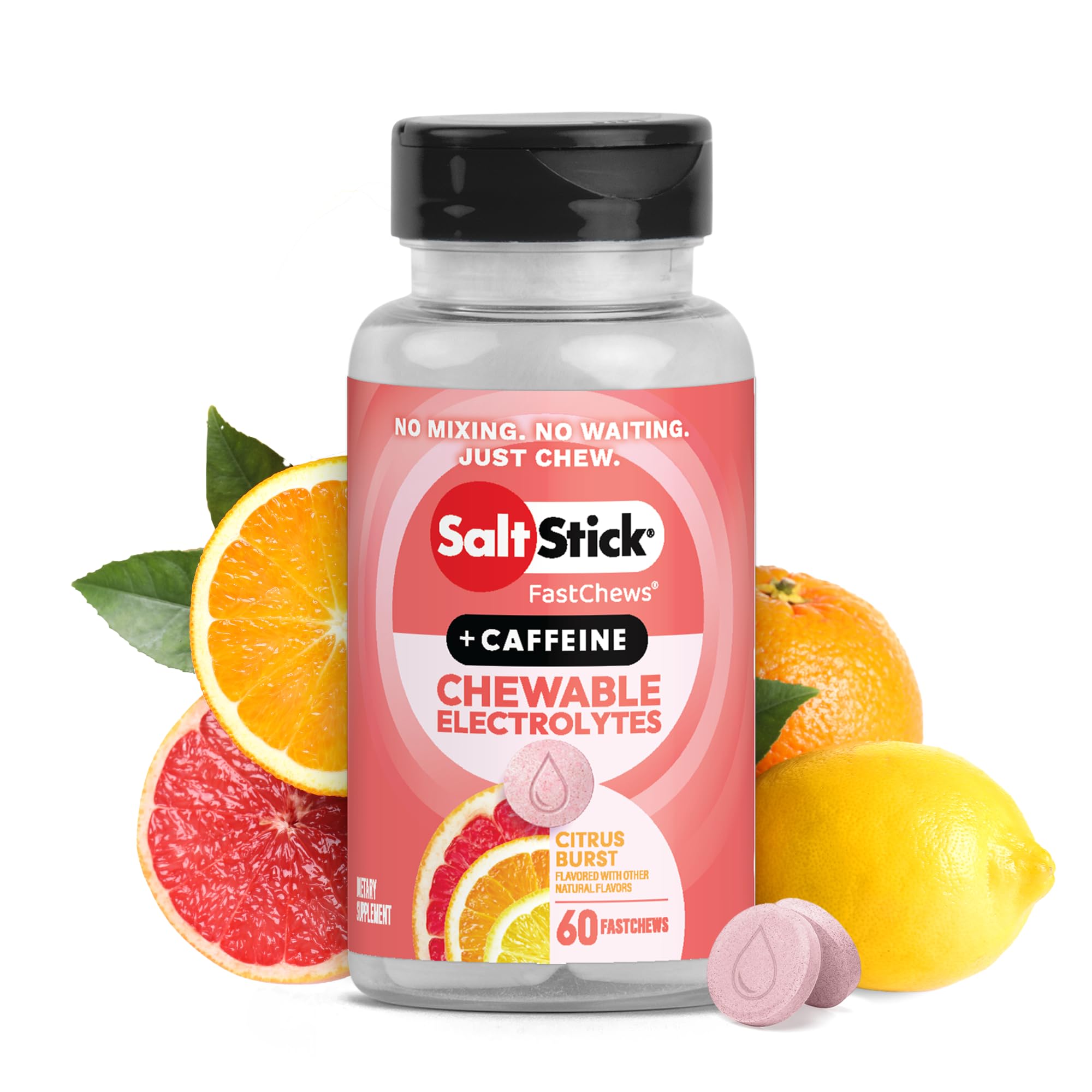
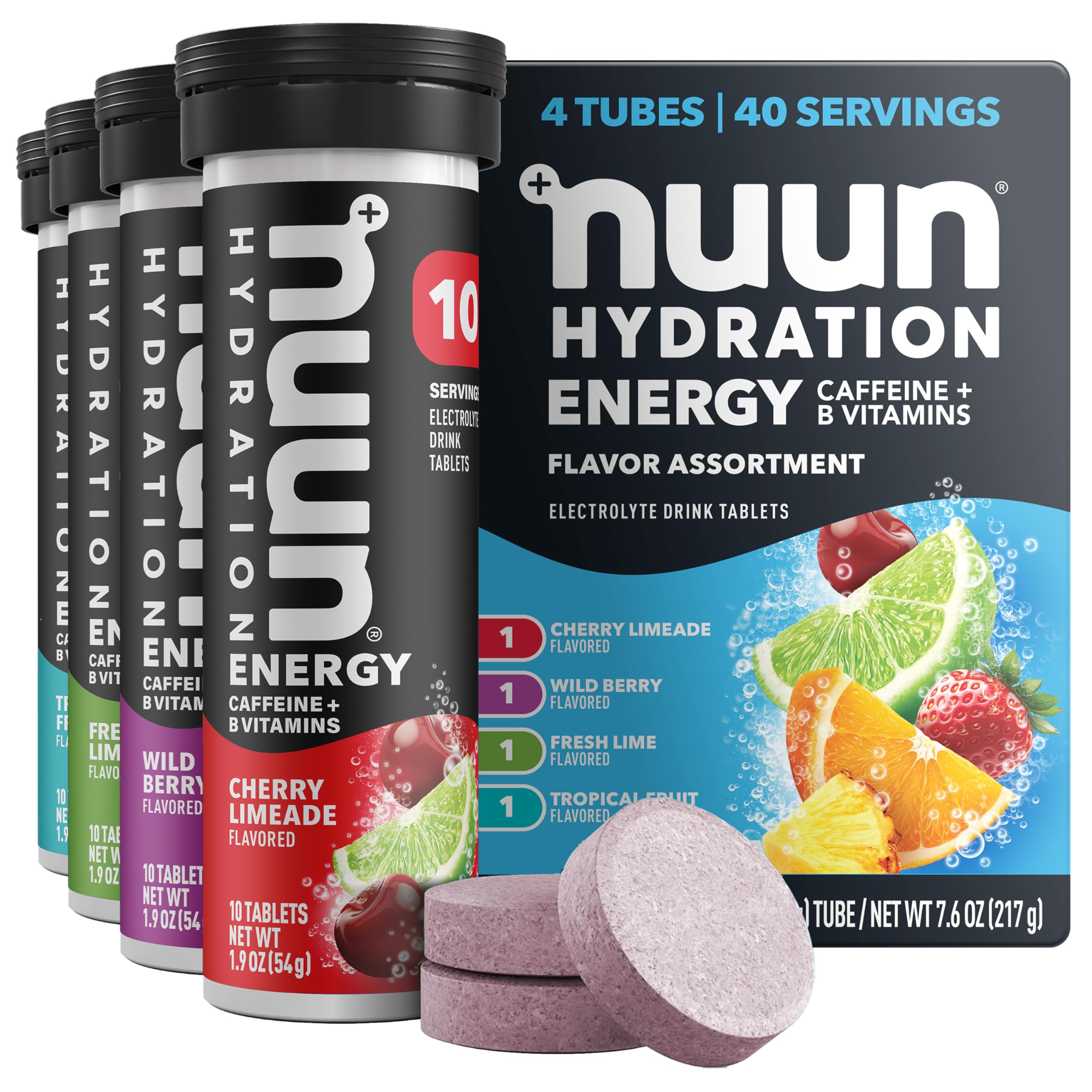
These suit active people who also want sodium or other electrolytes. They are easier to take on the move, though they usually cost more per dose.
Safety Points to Read First
Caffeine is not suitable for everyone. People who are pregnant or nursing, who have a heart condition, high blood pressure, anxiety, sleep problems, or who take regular medicine should talk with a doctor or pharmacist before use. Children and teens should not use caffeine tablets unless a doctor advises it.
Count caffeine from all sources across the day, including coffee, tea, soda, energy drinks, and pre workout powders. Signs that you have had too much include a racing heart, shakiness, nausea, and trouble sleeping. If these happen, stop and seek medical advice, and get urgent care for chest pain or a severe reaction.
Store tablets in a closed bottle, away from heat and out of reach of children. Caffeine tablets look like ordinary medicine, and adult strengths can be dangerous for kids.
Common Mistakes to Avoid
- Choosing by bottle size and price alone without checking the caffeine in each tablet.
- Adding a tablet on top of a large coffee or an energy drink without counting the total.
- Taking a tablet late in the day and then losing sleep.
- Buying a blend of several stimulants when a plain tablet would do.
- Skipping the expiry date on large bottles.
- Using tablets to cover up tiredness that sleep or a meal would fix.
Budget and Value
Plain caffeine tablets are among the cheapest ways to get caffeine, often a few cents per tablet in a large bottle. Natural source tablets and chews cost more per dose. Electrolyte tablets with caffeine cost the most, but they also provide hydration support. Pick the type that matches how you will use it, and avoid paying for extras you do not need.
Related Guides
If you train for distance events, see best caffeine tablets for running for notes on timing and carrying tablets during a run. For other supplements that are taken as tablets, you can compare best fiber tablets and best collagen tablets.
Frequently Asked Questions
How should I choose the right caffeine tablet?
Start with the caffeine amount per tablet and a short ingredient list. Pick a strength you can adjust, and think about when in the day you will take it so it does not affect your sleep.
Are caffeine tablets better than coffee?
Tablets give a consistent amount and are easy to carry, while coffee varies in strength and offers other nutrients and a routine many people enjoy. Neither is better for everyone, so choose what fits your day and your tolerance.
Who should avoid caffeine tablets?
People who are pregnant or nursing, have heart or blood pressure concerns, anxiety, or sleep problems, or take regular medicine should speak with a doctor first. Children and teens should avoid them unless a doctor advises otherwise.
Can I take caffeine tablets with coffee?
You can, but the amounts add up. Count every source across the day and stop if you feel jittery or notice a fast heartbeat. When in doubt, use less.
How long do caffeine tablets last?
Unopened bottles keep until the printed expiry date if stored in a cool, dry place. Once opened, keep the lid closed and use them within the time the label suggests.
Final Thoughts
The best caffeine tablets are the ones with a clear amount per tablet, a short ingredient list, and a form you will actually take. Check the product table above, count your caffeine from all sources, and read the safety points before you start. If you have any health concern, ask your doctor or pharmacist first.


