Best Cable Row Machine by Budget: A Smart Guide for 2026
Disclosure: We may earn a commission when you buy through links on this page, at no extra cost to you. As an Amazon Associate I earn from qualifying purchases. Learn more

Compare the best cable row machine at every price point. Learn what you get at budget, midrange, and premium levels and where spending more pays off.
Prices for home cable row equipment stretch from under $200 add on units to dedicated machines costing several thousand dollars, and the listings rarely explain what the extra money buys. This guide fixes that. You will see what each budget tier really delivers, so the best cable row machine for your back training is the one that fits your space, your strength, and your wallet.
Start with the comparison table below for a quick view of the tiers, then read the sections that match your budget. Smooth cable travel and a frame that does not flex matter more than any screen or app.
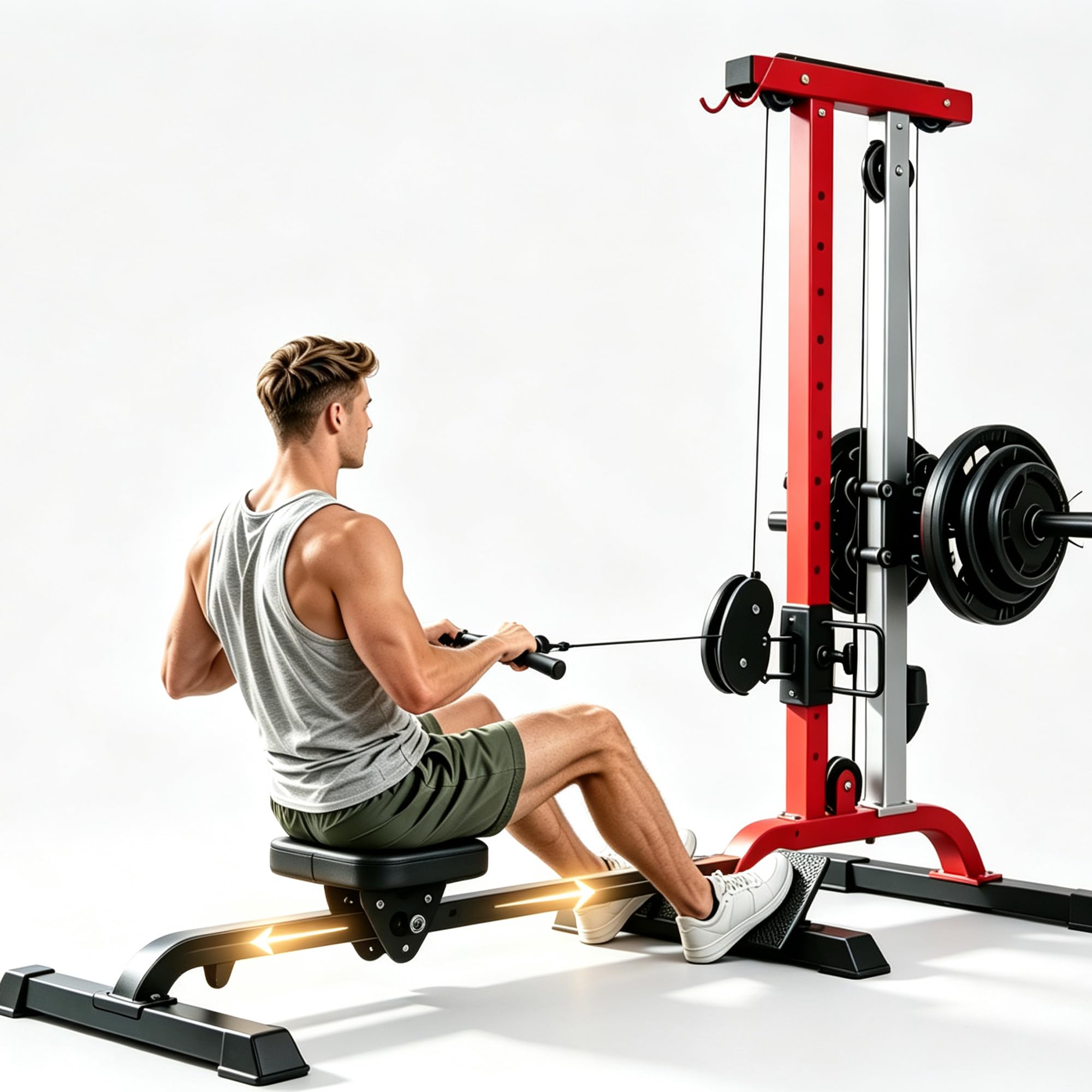
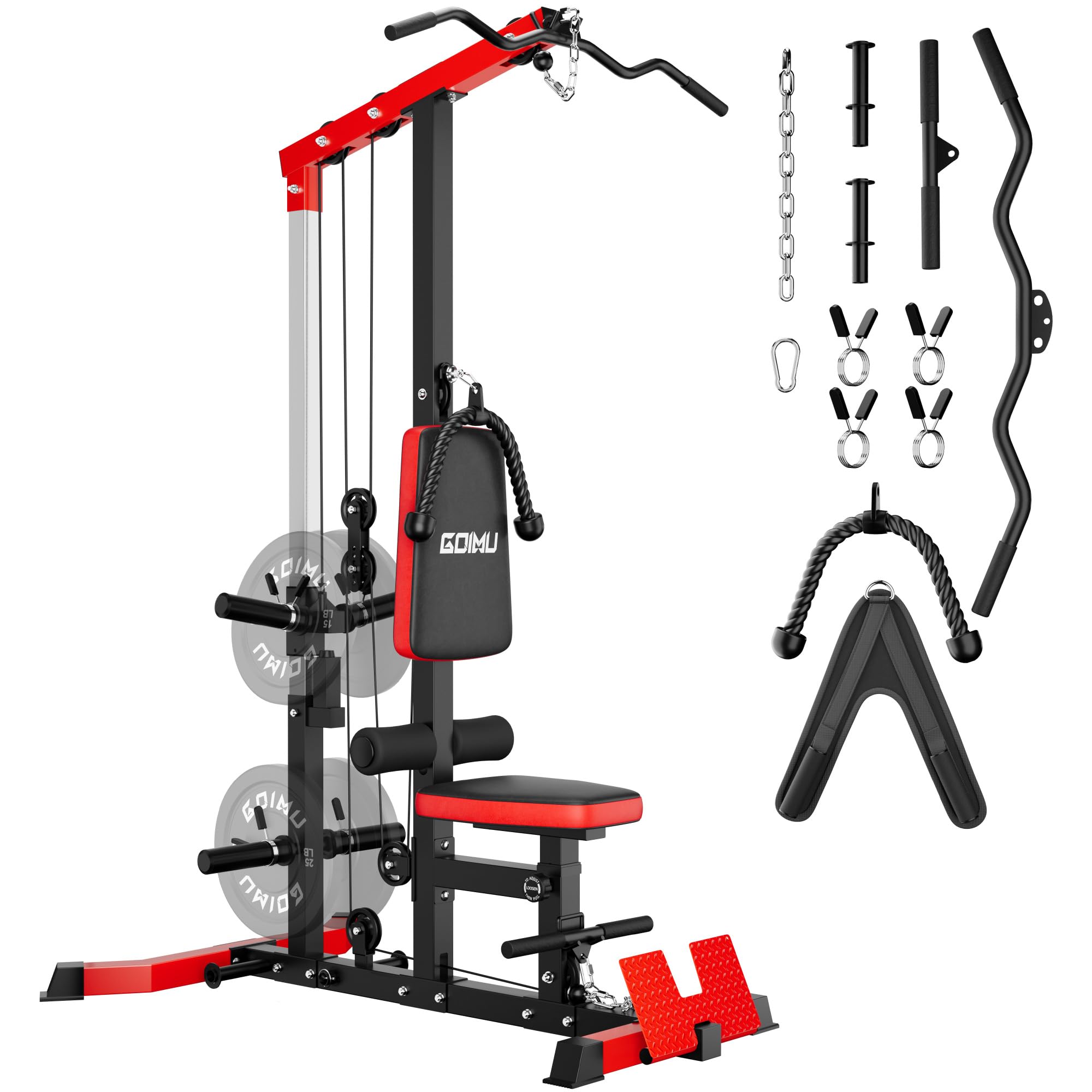
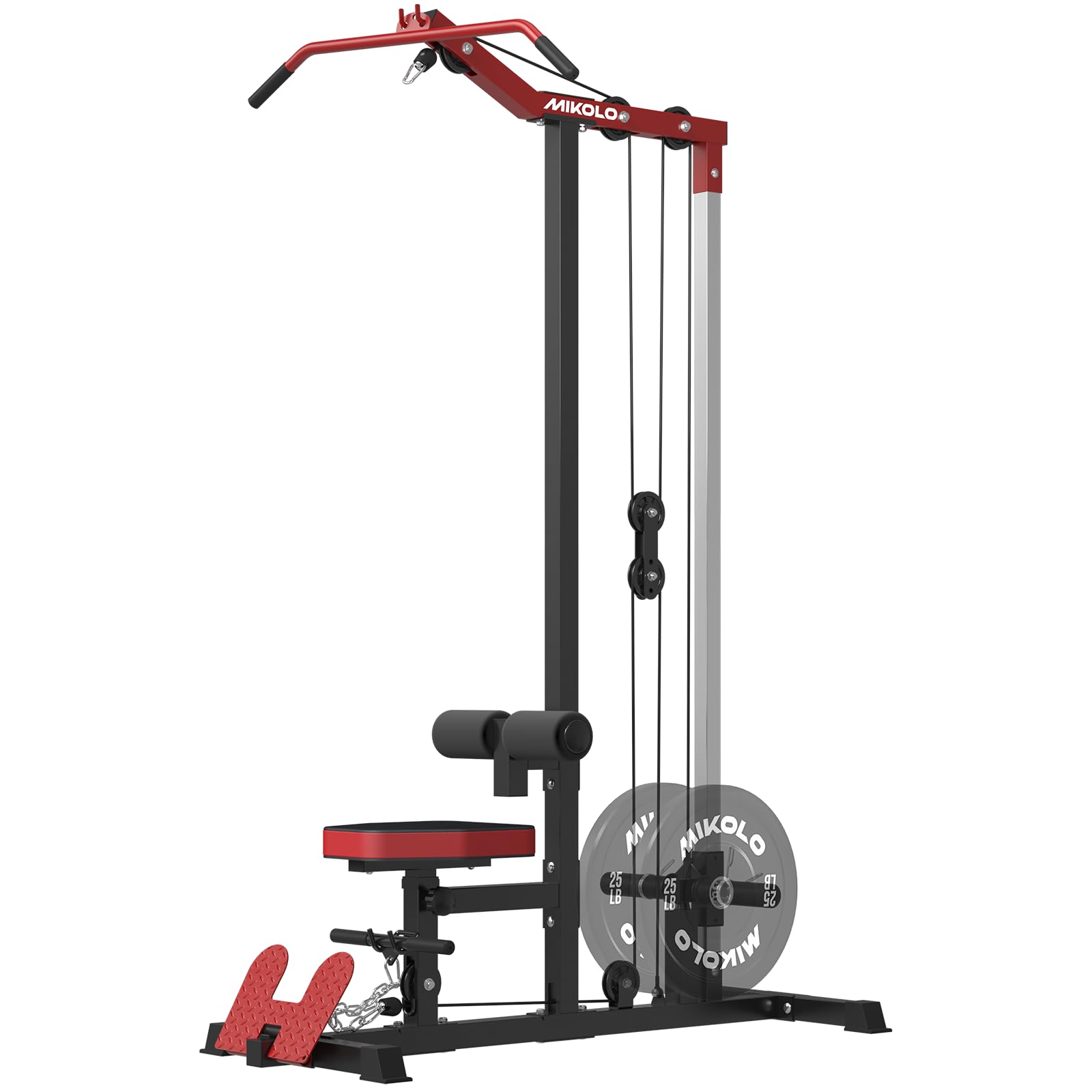
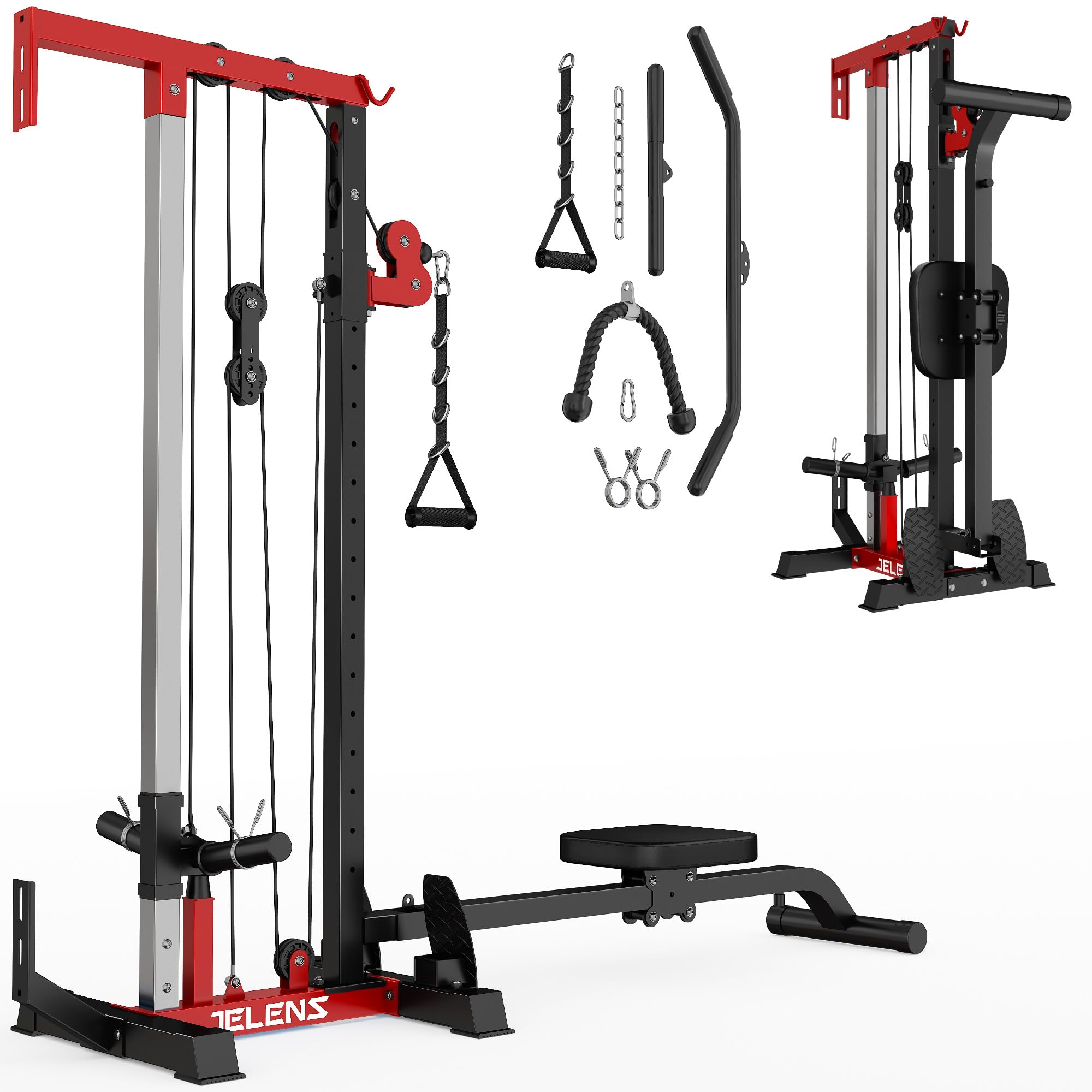


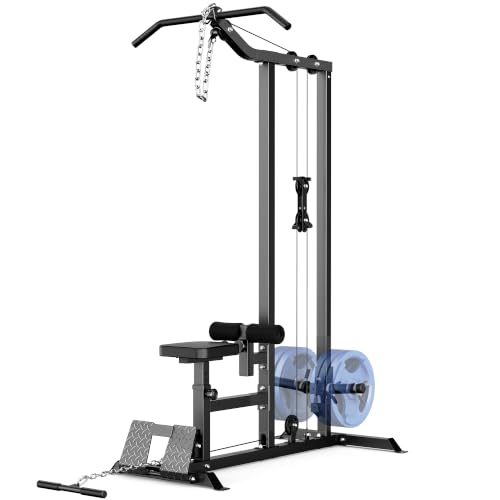

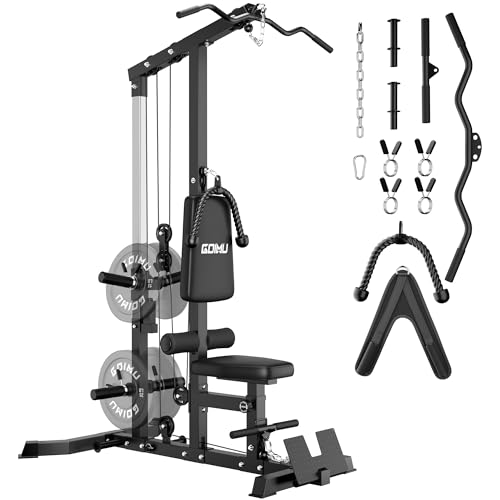

Budget Tiers at a Glance
Best Budget Tier to Look For
At the budget end, expect a plate loaded row station or a compact cable unit that bolts to a rack you already own, at around $150 to $400. You load your own weight plates, pull a single cable path, and get honest resistance for seated rows and low rows. The compromises are real: pulleys feel less smooth, padding is thinner, and stated weight capacity often tops out around 200 to 300 lb. For a first home setup, that is a fair and affordable starting point.
Best Midrange Tier to Look For
Midrange machines at around $500 to $1,200 usually add a proper weight stack with a selector pin, a longer seat rail, and ball bearing pulleys that glide under heavy loads. Changing weight takes seconds, which keeps rest periods honest during a workout. Frames feel planted, footplates get larger and grippier, and cable travel suits taller users. This is the tier where a dedicated row machine starts to feel like gym equipment rather than a workaround.
Best Premium Tier to Look For
Premium machines above around $1,500 bring heavy gauge steel frames, weight stacks of 250 lb or more, and warranties that run a decade on the frame. You also get finer details: rotating handles, adjustable footplates, and pulleys rated for commercial daily use. The limit is value, not quality. If you row twice a week at moderate weights, premium build quality may never repay its price, while a small gym or a very strong lifter will feel the difference every session.
What Your Money Gets You at Each Price Tier
Budget Tier: What to Expect
Budget machines reward buyers who already own weight plates, since plate loaded designs keep the price down by leaving the iron out. Check the sleeve length, because short loading sleeves cap your maximum weight sooner than the frame does. Assembly is simple and the footprint is small, often under 4 feet long. Plan for slower weight changes and a little frame movement at your heaviest sets, and this tier will train your back well for years.
Midrange Tier: The Sweet Spot for Most Buyers
Midrange is where convenience and durability meet. A selectorized weight stack removes the plate loading chore, sealed pulleys keep the pull smooth, and weight capacity around 400 to 500 lb covers nearly every home lifter. Most models in this tier also accept extra cable attachments, so one machine handles seated rows, low rows, and straight arm pulldowns. Readers comparing broader home setups can see our guide to the best home row machines for layout ideas.
Premium Tier: When Spending More Pays Off
Spending more pays off when your training is heavy, frequent, or shared. Multiple users wear cables and pulleys faster, and premium parts are rated and stocked for that duty. A heavier stack also matters if your top sets pass 200 lb, since adding plates to a stack machine is awkward. Finally, premium frames stay rigid when you brace hard, which protects your form at the exact moment fatigue makes form slip. Our guide to the best row machine for the money weighs this value question across rowing styles.
Features Worth Paying For (and Ones to Skip)
Console, Programs, and App Connectivity
Most cable row machines have no console at all, and that is fine. Your phone or a notebook tracks sets and weight better than a small built in screen, and Bluetooth extras on fitness gear often tie you to a subscription you did not want. Spend on pulleys and frame instead. The rare exception is a digital resistance unit with app based weight changes, a premium niche that only makes sense if you love data and accept ongoing app costs.
Warranty (Frame, Parts, Labor)
Read the warranty in three parts. Frame coverage of 10 years or more signals real confidence in the steel, while parts coverage of 1 to 3 years covers pulleys, cables, and upholstery that actually wear out. Labor coverage is often just 1 year, so ask what a replacement cable costs and whether you can fit it yourself. A brand that sells spare cables and pulley kits openly is a brand planning for your machine to last.
Space, Footprint, and Ceiling Height
Measure your room before you fall for a machine. A typical dedicated row station needs about 6 to 7 feet of length once you sit and extend your legs, plus a foot of clearance behind for stack movement on some designs. Ceiling height matters less here than for a lat tower, but combined row and lat units need around 7 to 8 feet. Leave space at the side for loading plates, and check our guide to the best seated row machine options if your room is tight.
Assembly and Portability
Assembly runs from about 45 minutes for a compact plate loaded unit to half a day for a full station with a weight stack. Two people make the job safer, since frames and stacks are awkward rather than merely heavy. Transport wheels help you roll the machine for cleaning, but a row machine is not truly portable. If you move homes often, a rack mounted cable system that breaks down flat may serve you better than a dedicated station.
Range of Motion and Ergonomics
Instead of stride length, which belongs to cardio gear, judge a row machine by cable travel and seat rail length. Taller users need enough travel to reach full arm extension without the stack plates topping out, and a seat that slides far enough back for long legs. The chest pad, if fitted, should adjust so your sternum rests on it without rounding your lower back. Handles that rotate slightly reduce wrist strain during long sets.
Cable Row Machines for Specific Needs
Best Seated Cable Row Machine
If you want the best seated cable row machine setup, prioritize a long padded bench, a low pulley that lines up with your mid torso, and a footplate you can brace against without slipping. A chest support option helps if your lower back tires before your upper back does. Seated work is the core use of this equipment, so test the seat height against your hips before worrying about extra attachments.
Long Term Costs to Factor In
The sticker price is not the whole cost. Plate loaded machines need plates if you do not own them, at around $1 to $2 per pound, and most buyers add two or three cable attachments at around $20 to $50 each. A floor mat protects concrete and dampens noise for around $50 to $100. Cables eventually fray and need replacement every few years of regular use, and weight stack machines may need pulley renewal in time. None of this is costly beside the machine itself, but budgeting for it avoids a half finished gym. Shoppers watching total spend should also compare the best affordable row machine choices before they commit.
Cable Row Machines: Your Questions Answered
Which cable row machine style is better for beginners?
A selectorized weight stack style is better for beginners, because pin changes are fast and there are no loose plates to manage mid workout. Beginners also benefit from a chest pad that teaches a stable torso position. Start light, learn to pull with your elbows and squeeze your shoulder blades, and add weight slowly. If back pain appears, stop and talk with a qualified professional about your form and health before continuing.
How long does a cable row machine last?
A cable row machine lasts 10 years or more in home use when the frame is steel and you replace wear parts on schedule. Cables typically need renewal every 2 to 4 years depending on use, and seat pads wear sooner in shared gyms. A quick monthly check for frayed cable coating near the pulleys catches problems early, long before a cable can snap under load.
How much space do I need for a cable row machine?
You need a clear area about 7 feet long and 3 feet wide for a dedicated machine, plus side room to load plates or step on and off. Garages work well because you can brace without worrying about floor finish, though a mat is still wise. Measure your longest planned movement, a full reach forward while seated, rather than trusting the product footprint alone.
Is a subscription required to use a cable row machine?
No subscription is required for a traditional cable row machine, because resistance comes from plates or a weight stack, not software. Your machine works fully the day it arrives and every year after, with no account or monthly fee. Only digital resistance systems tie features to an app, so if avoiding subscriptions matters to you, choose simple iron and cable and you will never think about it again.
Is a cable row machine quiet enough for an apartment?
Yes, a cable row machine is one of the quietest strength tools you can own, since the cable and pulleys make little sound. The main noise is weight plates clinking on a plate loaded model or the stack settling at the end of a set, both easy to soften with controlled reps and a floor mat. Avoid dropping the stack between reps and your neighbors will hear almost nothing. If you prefer water resistance instead, see our guide to the best water row machine models.
The Bottom Line
Buy the smoothest pulley system and the sturdiest frame your budget allows, in the size your room can hold. Midrange stack machines suit most homes, while plate loaded units reward buyers who already own iron. Compare your finalists in the product table above, and you will pick the best cable row machine for years of strong, quiet back training.