Best Budget Row Machine: A Practical Guide for Buyers 2026
Disclosure: We may earn a commission when you buy through links on this page, at no extra cost to you. As an Amazon Associate I earn from qualifying purchases. Learn more

Magnetic, air or water? Compare resistance, rail length, noise and storage to choose the best budget row machine for your home.
A rowing machine gives you a full body workout in a small footprint, but the price range is huge and the wrong choice ends up as a very expensive coat rack. The best budget row machine for your home is the one that fits your height, your room and your noise limits, not the one with the longest feature list. This guide explains the differences that matter and what a modest budget can realistically buy.
Use the product table as a starting shortlist, then work through the sections below to narrow it down by resistance type, rail length, storage and running costs.
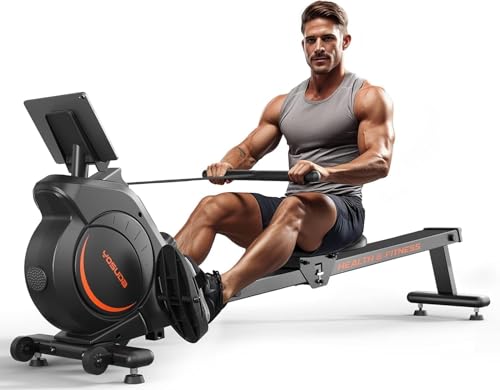

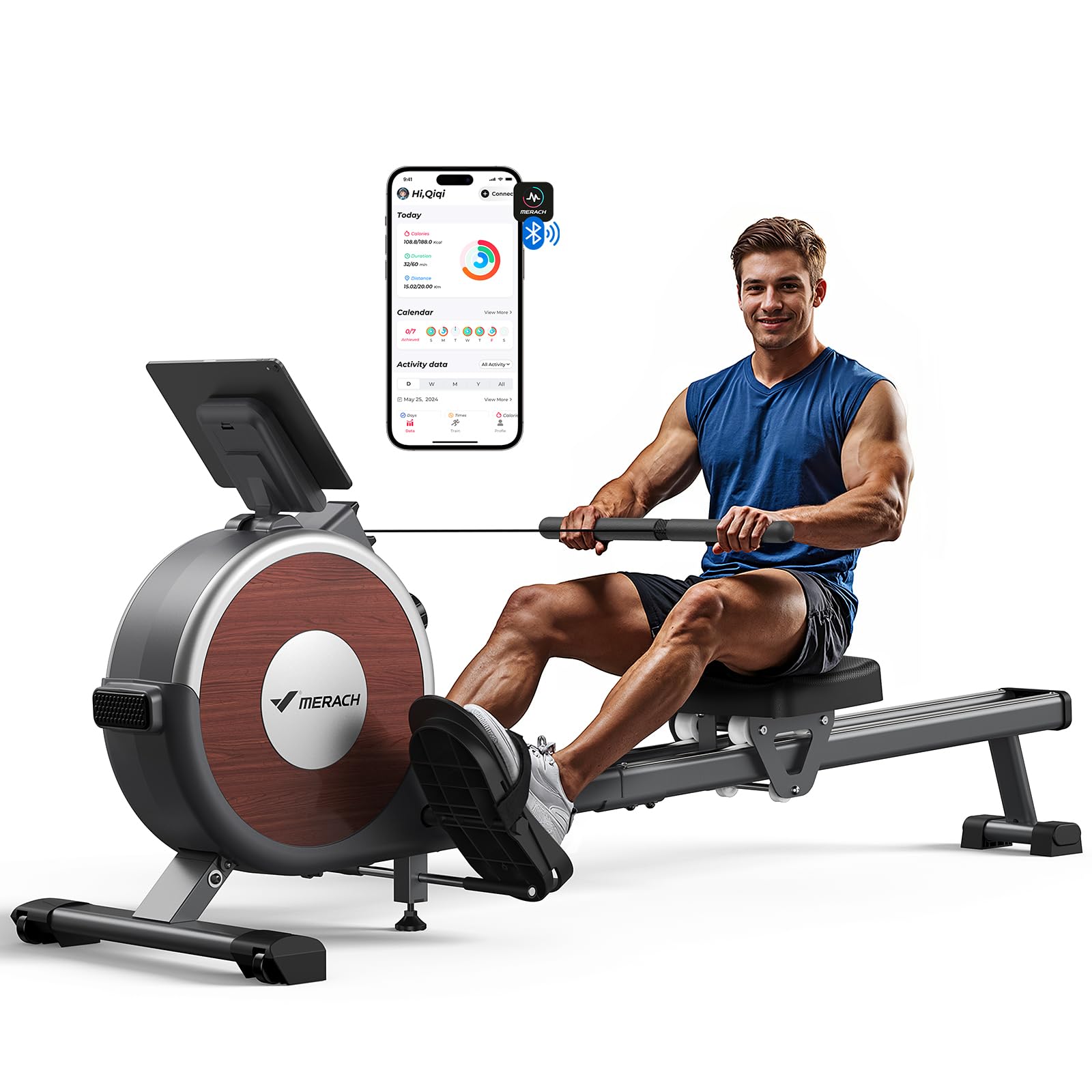


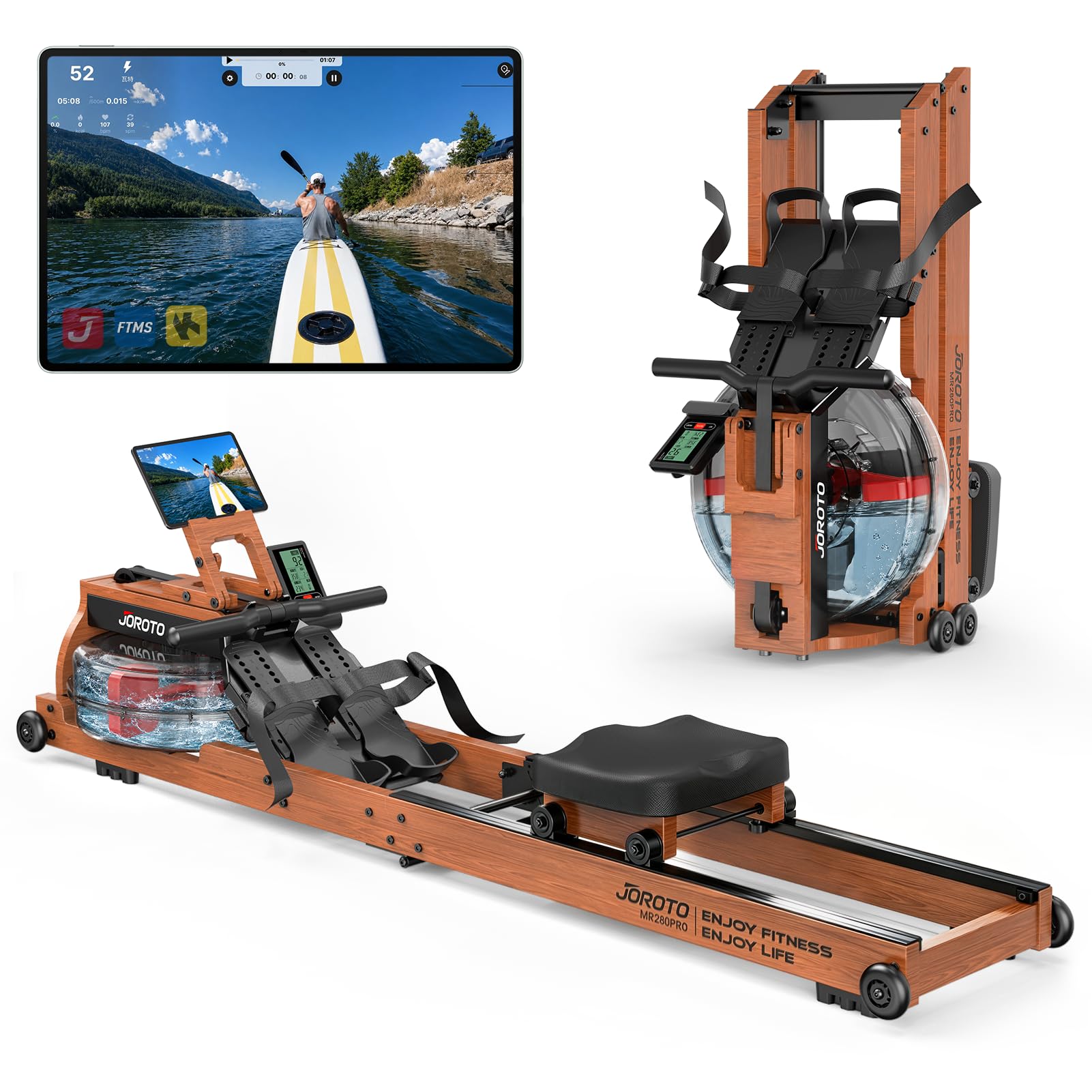

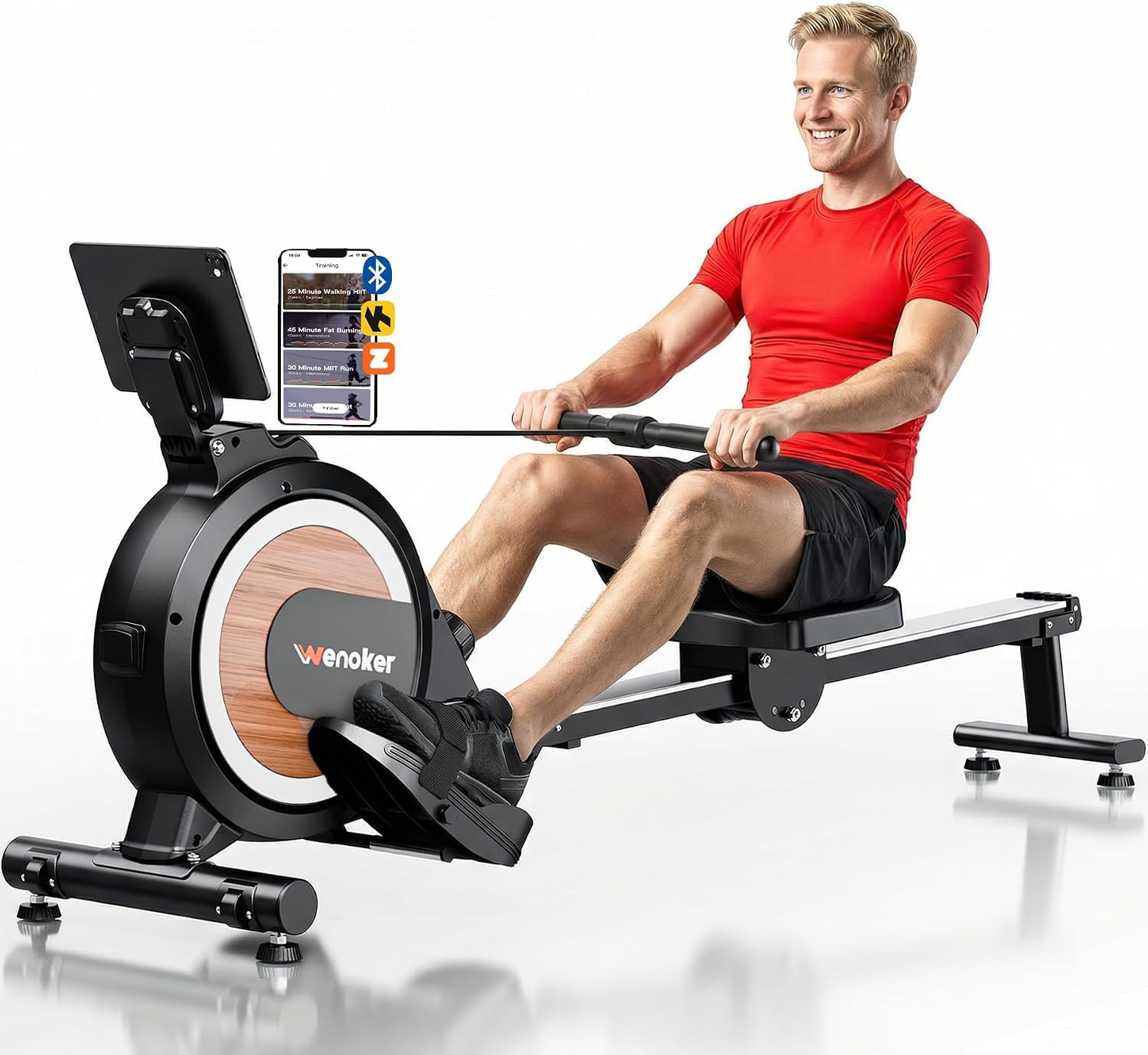
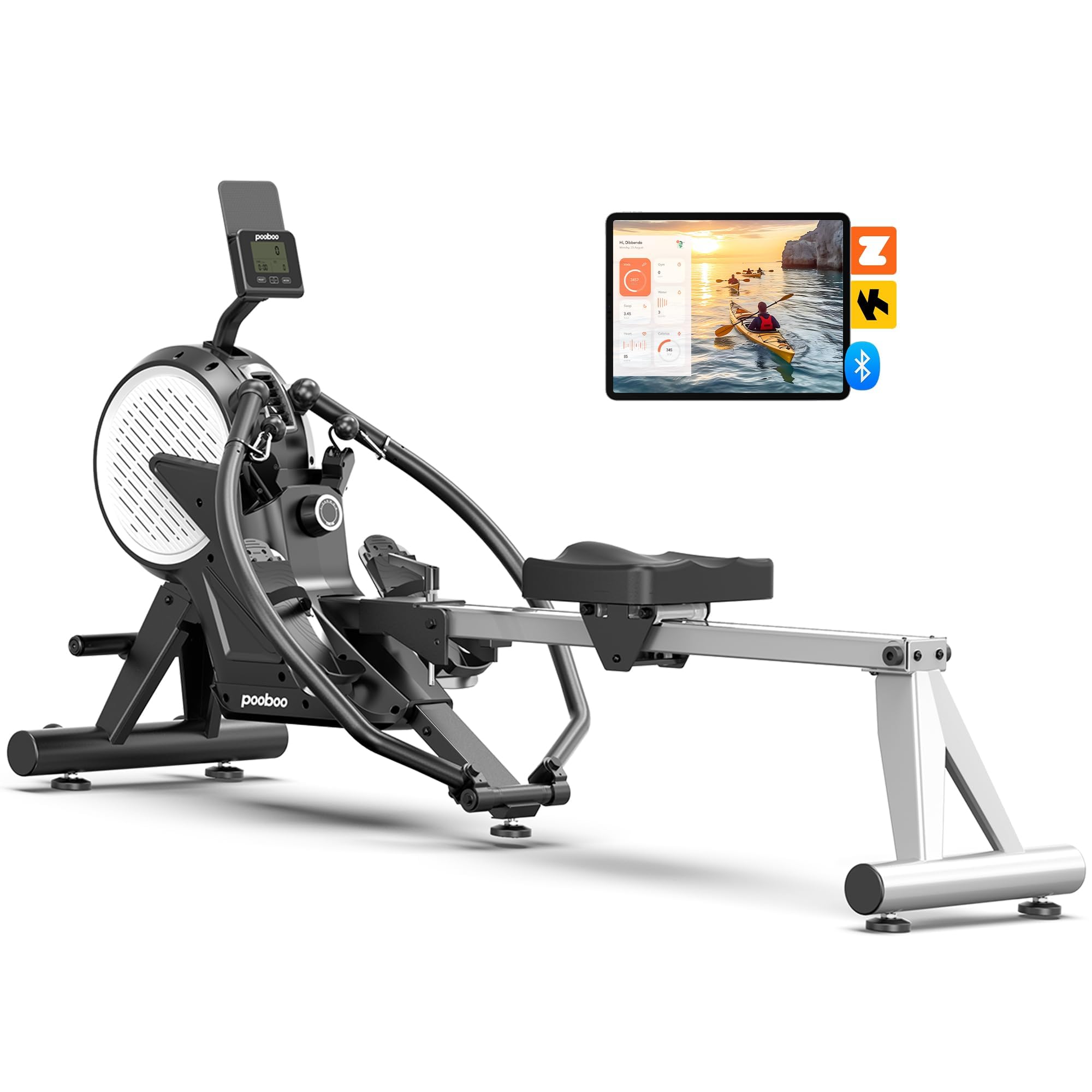
What a Budget Row Machine Is
A row machine copies the motion of rowing a boat. You sit on a seat that slides along a rail, push with your legs, then pull a handle toward your lower ribs against a resistance system. Legs, back, core and arms all work in one smooth cycle, which is why rowing is popular for general fitness and low impact cardio.
Budget models usually cost about $150 to $700. At that level you can expect a steel frame, a basic monitor that shows time, distance and strokes per minute, and one of four resistance systems. The compromises are usually a shorter rail, a lower weight capacity, a smaller screen and shorter warranty cover. Those are acceptable trade offs as long as the rail still fits your legs and the frame feels solid when you pull hard.
Resistance Types Compared
Resistance is the biggest difference between machines, so choose it before you compare brands.
Magnetic Row Machines
Magnetic models use magnets to brake a flywheel, so they are quiet, smooth and easy to adjust with a dial or button. Most budget rowers are magnetic, usually with eight to sixteen levels. They suit apartments and shared homes because the only sounds are the seat rolling and the strap returning. The feel is steady rather than dynamic, since resistance does not rise as you pull harder.
Air Row Machines
Air rowers use a fan flywheel, so resistance grows with effort. That makes them popular for intervals and hard training, and the feel is lively. The trade off is fan noise, which rises with every stroke, so they suit garages and spare rooms better than a quiet flat.
Water Row Machines
Water rowers use paddles turning in a water tank. The pull feels natural, and the soft swooshing sound is pleasant for many people. Tanks add weight and need occasional care, such as treatment tablets, and water models usually cost more than magnetic ones. If the water feel appeals to you, our guide to the best water row machine goes deeper on tank design and upkeep.
Hydraulic Piston Models
The cheapest compact rowers use hydraulic pistons. They are small and light, but the stroke is short and the resistance can feel uneven as the pistons warm up. They work for light, occasional use, though most people outgrow them quickly.
How to Choose the Best Budget Row Machine
Rail Length and Your Height
Rail length decides whether you can finish a full leg drive. Taller users need a longer rail so the seat does not hit the end stop, and a short rail cramps the stroke whatever the resistance. Check the maker guidance for maximum user height and compare it with your inseam rather than assuming one size fits all.
Weight Capacity and Frame
Choose a stated capacity at least 30 to 50 lb above your body weight. Pulling hard loads the frame more than your static weight, and a flexing frame feels shaky and wears faster. A steel frame with a wide front stabilizer stays planted. Seat rollers that run on multiple wheels and a firm seat pad make a big difference to comfort on longer sessions.
Space and Storage
Most rowers are seven to nine feet long and about two feet wide in use, with extra room behind the rail for the finish position. Many budget models fold at the rail or stand upright, which cuts the stored footprint to a few square feet. Measure both the use position and the storage spot, including ceiling height for upright storage, and check that the box will pass your doors and hallway turns.
Noise Level
Magnetic rowers are the quietest, water rowers make a soft swoosh and air rowers are the loudest. A dense mat under the frame reduces vibration into the floor, which matters more than the machine noise itself in upstairs rooms. If you share walls with neighbors, avoid placing the rail directly against a shared wall.
Monitor and App Features
A clear monitor with time, distance, stroke rate and calories is enough for most home users. Bluetooth lets you log sessions in a phone app, which is a nice extra. Confirm that the machine works fully without an account or subscription, and that resistance can be changed on the machine itself rather than only through an app.
Warranty and Spare Parts
Warranties are usually split into frame, parts and labor. Frame cover of several years is a good sign at this price, while parts cover of one to two years is typical. Straps, seat rollers and foot plates wear first, so favor makers that sell replacements.
If you are comparing several types of home rowers, our guide to the best home row machines looks at models built mainly for living room and spare room use.
Who Should Buy Which Type
Beginners and apartment dwellers are usually best served by a magnetic model with a padded seat, a simple monitor and a rail that fits their height. People who enjoy hard intervals and have a garage or spare room may prefer air resistance. Anyone who loves the sound and feel of the water and has a little extra budget should look at water rowers. Light, occasional users with limited space can consider a compact hydraulic or foldable model, as long as they accept the shorter stroke.
If your budget stretches slightly, our guide to the best row machine for the money shows where extra spending improves rail length, capacity and warranty rather than just screens.
Common Mistakes to Avoid
- Buying on price alone. A very cheap machine with a short rail or low capacity often gets replaced within a year.
- Ignoring the room. Many returns start with a tape measure that came out too late.
- Pulling with the arms first. Rowing power comes mainly from the legs, then the back, then the arms.
- Setting resistance too high. High settings encourage poor form. Start low and raise resistance only when your form holds for a full session.
- Skipping a mat. A mat stops creeping on hard floors, cuts noise and protects the floor from sweat.
Setup, Technique and Care
Lay out every part and check it against the parts list before you tighten anything. Most budget rowers take about thirty to sixty minutes to assemble with basic tools. Place the machine on a mat, level it, and slide the seat along the rail with no load first. Any grinding or sticking is easier to fix now than after a week of use.
For your first sessions, row for ten minutes at an easy pace. Sit tall, push through your heels, lean back slightly at the finish, then reverse the order on the way forward: arms, hips, then knees. Add a few minutes each week before you add resistance. If you have back pain or any health condition, ask your doctor before starting a new exercise routine.
Wipe the rail, seat and handle after each workout, tighten bolts monthly and check the strap or cord for fraying every few months. Store the machine away from damp garages and direct sun, which age plastic parts and cords.
FAQs
What is the best budget row machine for beginners?
A magnetic model with a padded seat, a rail long enough for your legs and a simple monitor is usually the easiest place to start. Predictable resistance lets you learn the stroke without fighting the machine.
Is a budget row machine quiet enough for an apartment?
Magnetic models are, especially on a dense mat. Water models are a little louder but pleasant, and air models are the loudest. Moderate stroke rates and a mat keep most neighbors happy.
How long does a budget row machine last?
With regular home use and basic care, three to six years is common. Straps, seat rollers and foot plates usually wear before the frame, so models with available spare parts last longer in practice.
How much space does a row machine need?
Plan on about eight to nine feet of length and three feet of width while rowing. Folding and upright models store in far less floor space but need height clearance.
Do I need a subscription to use a row machine?
No. Most budget rowers track time, distance and stroke rate on their own. Apps add classes and charts for people who want them, so check which features stay free before you buy a connected model.
Final Thoughts
Put rail length and frame strength first, choose a resistance type that suits your room, and leave the extras for later. Compare your shortlist in the product table against your measurements, and the best budget row machine for your home should stand out quickly. A machine that fits you and stores easily will be used for years.