
Best Affordable Row Machine 2026 Guide
Disclosure: We may earn a commission when you buy through links on this page, at no extra cost to you. As an Amazon Associate I earn from qualifying purchases. Learn more

Learn how to choose affordable rowing machines for home workouts, with resistance types, monitor features, comfort, and space advice. Shop with confidence.
Choosing the best affordable row machine starts with resistance type, because air, magnetic, water, and hydraulic rowers each feel different. Air rowers feel responsive and get harder as you pull harder, magnetic rowers run quietly with adjustable levels, water rowers feel smooth and look beautiful, and hydraulic rowers cost less but can feel uneven. The comparison table below compares the main options, so you can weigh feel, noise, and price.
Rowing is a superb full body workout, but only if the machine fits your body and your home. Check rail length for your height, seat comfort for longer sessions, and folded size if space is tight. A machine that feels good for 10 minutes in a store may feel very different after 30 minutes at home, so prioritise comfort and smooth motion.
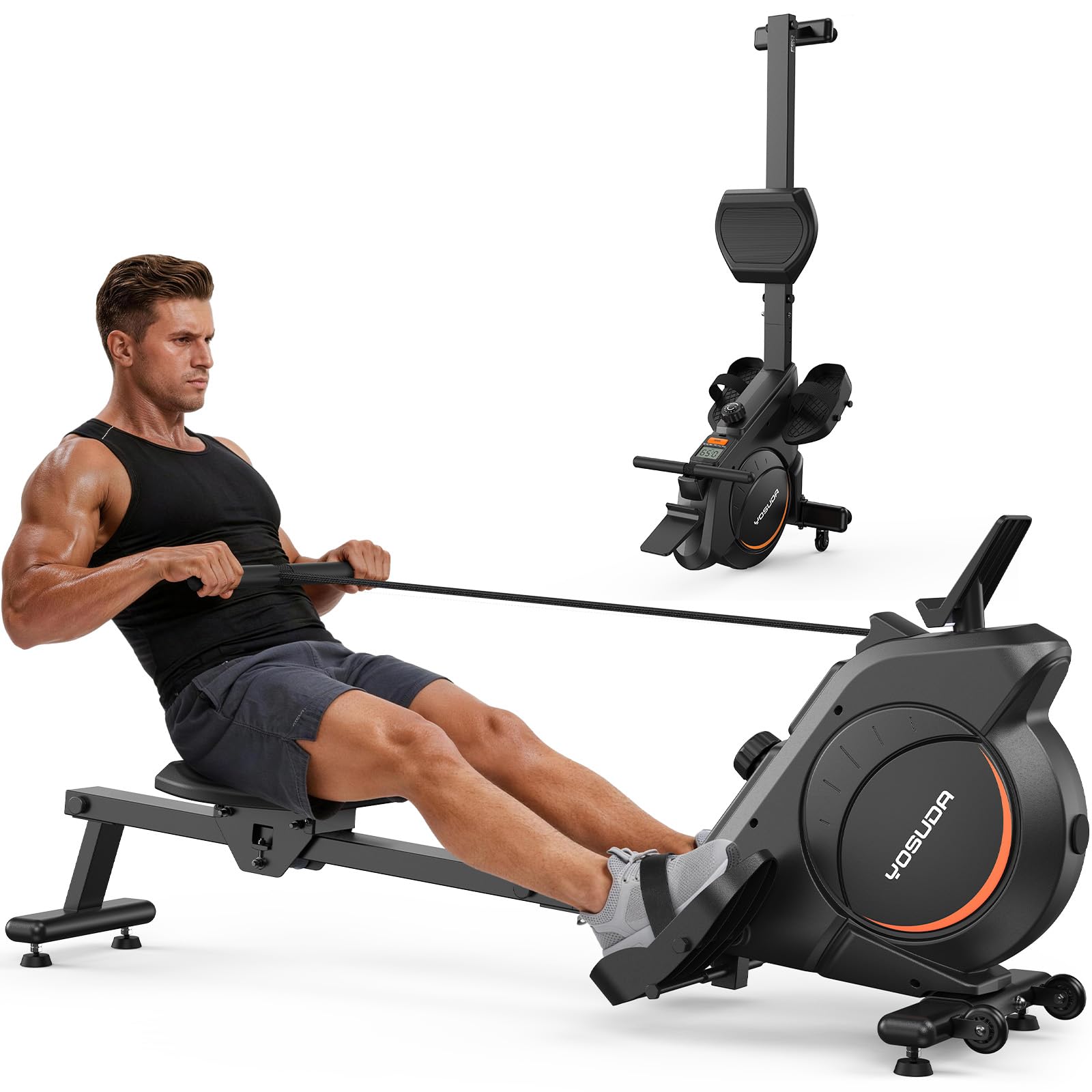
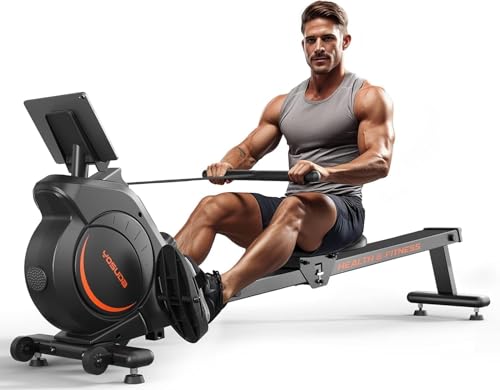


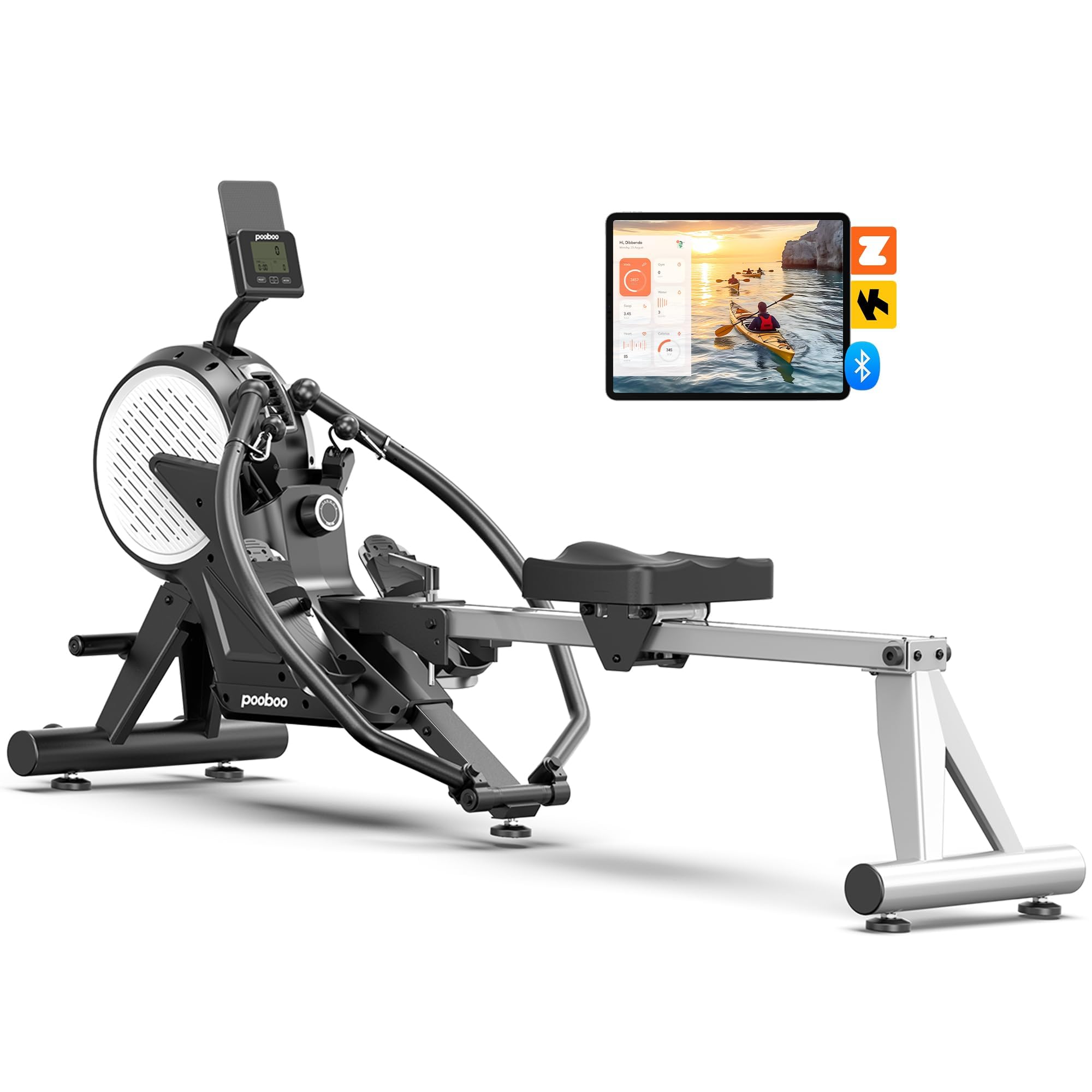


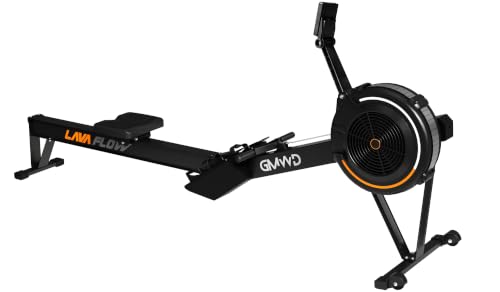
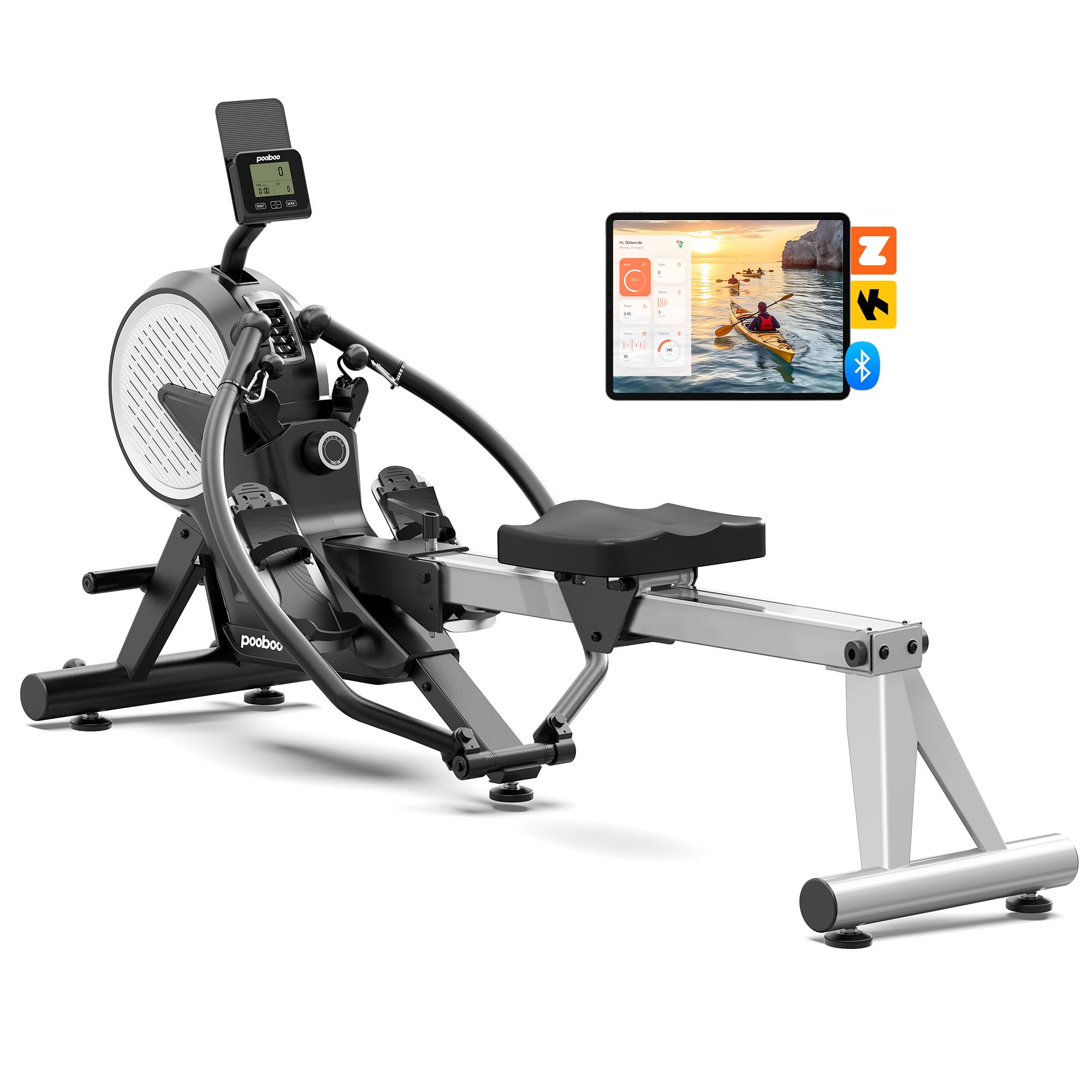
Who Should Buy an Affordable Rowing Machine
Rowing machines suit home exercisers who want low impact cardio, full body strength, and efficient workouts in limited time. They suit beginners, older exercisers, and anyone returning to fitness, since rowing is gentle on joints when technique is correct. If you have a back condition or recent injury, talk with a clinician before starting a rowing programme.
- Home exercisers
- Low impact cardio seekers
- Beginners
- Time efficient trainers
Key Features That Matter Most
Resistance type shapes feel and noise: air rowers are loud but responsive, magnetic rowers are quiet and consistent, water rowers are smooth and soothing, and hydraulic rowers are compact and cheap. Monitor quality matters for motivation, since time, distance, stroke rate, and split pace help you track progress. A clear monitor with heart rate connectivity adds value.
Comfort features decide whether you row regularly: a padded seat, adjustable footplates, and an ergonomic handle matter more than extra programmes. Rail length must suit your height and leg length, so tall users should check maximum inseam or user height ratings. Build quality shows in frame stability during hard pulls.
Technique and Safety
Good technique protects your back: drive with legs first, then lean back slightly and pull with arms, then reverse the sequence on recovery. Keep your back straight and avoid hunching at the catch. Start with short sessions and focus on form before intensity, since poor form under fatigue causes most rowing aches.
Stop and seek advice for sharp back pain, chest pain, dizziness, numbness, or pain that persists after rest, since these signs need professional assessment. Warm up gently, cool down, and increase duration gradually rather than jumping to long hard sessions. A clinician can advise if you have a heart condition, back issue, or joint problem.
Budget and Long Term Value
Affordable rowing machines typically cost from about $250 to $600, with good value around $350 to $500 for a stable magnetic or air rower with a decent monitor. Very cheap hydraulic models can work for light use, but they often feel uneven and wear faster. Budget for a heart rate strap if you train by heart rate, and a mat to protect floors.
Consider total space cost too: a rower that folds or stands upright suits small homes far better than a fixed long machine. Check weight capacity and warranty length, since a machine that flexes under load will not last. A stable machine you enjoy using beats a cheap machine that gathers dust.
Common Mistakes to Avoid
A common mistake is buying the cheapest rower without checking rail length, then finding it too short for your legs. Another is starting too hard with poor technique, leading to back soreness and lost motivation. A third is placing the rower where it blocks daily life, so it gets folded away and forgotten. Measure space and try technique first.
Planning for Everyday Use
Place the rower where you can leave it set up or fold it easily, since setup friction kills habits. Keep a towel and water nearby, and wipe the rail and seat after sessions to keep motion smooth. Track a simple metric such as distance or time per week, and progress gradually. Consistency beats occasional heroic sessions.
Related Guides Worth Reading Next
For more on a related option, see our guide to best home row machines for detail that complements this guide.
For more on a related option, see our guide to best water row machine for detail that complements this guide.
A Final Check Before You Order
Before you order, check the rail length and user height rating against your own height and leg length, since a short rail ruins rowing for tall users. Sit on the machine if possible and check that you can reach full compression and full extension comfortably. A rower that fits your body encourages regular use, while one that does not will gather dust.
Consider noise honestly: air rowers suit garages and dedicated rooms, while magnetic rowers suit flats and shared homes. Think about who else hears your workouts and at what times. A quiet rower used daily beats a loud rower used rarely because of household complaints.
Finally, check folded dimensions and weight if you must store the rower between sessions. A machine that is awkward to fold or heavy to move will stay unfolded in the way, or stay folded unused. Measure storage space and test the folding mechanism before committing.
Caring for Your Rowing Machine Over Time
Wipe the rail after sessions to keep the seat rolling smoothly, and check bolts and straps monthly for wear. Keep the monitor batteries fresh, and update any connected app so training data stays accurate. Lubricate moving parts only as the maker directs, since over lubrication attracts dust.
If the resistance feels uneven or the seat sticks, clean and inspect before assuming a major fault. Most rowing machine issues come from dust, loose bolts, or worn straps, all cheap to fix. With simple care, an affordable rower can deliver years of full body workouts at home.
Frequently Asked Questions
Air, magnetic, or water rower?
Air rowers feel responsive and suit intense training but are noisy. Magnetic rowers are quiet and consistent, suiting shared homes. Water rowers feel smooth and natural but cost more and need water care. Choose by noise tolerance, feel preference, and budget, since all three can give excellent workouts.
How much space does a rowing machine need?
Most rowing machines need about 8 feet by 2 feet of floor space in use, plus room to mount and dismount. Folding or upright storage models suit small homes. Measure your space including ceiling clearance for standing storage, and leave room around the machine for safe movement.
Is rowing good for beginners?
Rowing is excellent for beginners because it is low impact and works legs, core, and arms together. Start with short sessions, learn technique first, and build duration gradually. If you have a back, heart, or joint condition, talk with a clinician before starting.
What should I look for in a monitor?
Look for time, distance, stroke rate, and split pace at minimum, with heart rate connectivity as a bonus. A clear display you can read while rowing matters more than fancy programmes. Bluetooth connectivity helps if you use training apps for motivation.
How do I avoid back pain while rowing?
Keep your back straight, drive with legs first, and avoid hunching or overreaching at the catch. Start gently, focus on form, and stop for sharp pain. A clinician or qualified coach can check your technique if pain persists, since form errors are the usual cause.
How often should I row each week?
Most beginners benefit from rowing 3 to 4 times per week for 20 to 30 minutes, building duration gradually as fitness improves. Consistency matters more than heroic single sessions. Rest days let muscles recover, and mixing rowing with walking or strength work gives balanced fitness. Talk with a clinician if you have health conditions.
Is rowing better than running for fitness?
Rowing and running both build fitness, but rowing works more muscle groups with lower joint impact, while running builds bone density and needs no equipment. The better choice is the one you enjoy and sustain. Many people combine both across a week for balanced fitness.
How do I track rowing progress?
Track distance, time, average split pace, and stroke rate over comparable sessions to see progress. A heart rate monitor adds intensity context. Progress in rowing comes gradually, so compare sessions over weeks rather than days, and celebrate consistency as much as speed.
Can rowing help weight loss?
Rowing burns calories efficiently and builds muscle, which supports weight management alongside a sensible diet. It suits regular training because it is low impact and full body. Pair consistent rowing with balanced eating and sleep for the best results, and talk with a clinician about a safe plan.
Final Thoughts
The best affordable row machine for you is the one that fits your height, your home, and your noise tolerance, with a monitor that keeps you motivated. Prioritise smooth resistance and comfort over programme count, and rowing can become a lasting habit. The product table above helps you compare the strongest budget rowers. Take time with this final check, since a careful choice now avoids returns and disappointment later, and it ensures the option you buy genuinely fits your room, routine, and budget.


