
Best Cable for PoE Cameras: Buying Guide for 2026
Disclosure: We may earn a commission when you buy through links on this page, at no extra cost to you. As an Amazon Associate I earn from qualifying purchases. Learn more

Compare Ethernet cables for PoE cameras by category, copper, gauge, shielding and jacket rating, and plan safe runs indoors and outdoors with confidence.
A PoE camera depends on its cable for both data and power, so a poor cable can cause dropped video and reboots even when the camera itself is sound. Choosing the best cable for poe cameras means matching category, copper, gauge and jacket to your run length and location. Use the comparison table below to compare options against the points in this guide.
Start by mapping each run from the switch or recorder to the camera. Note the distance, whether the path stays indoors or goes outside, and how much power the camera draws. Those facts decide everything.
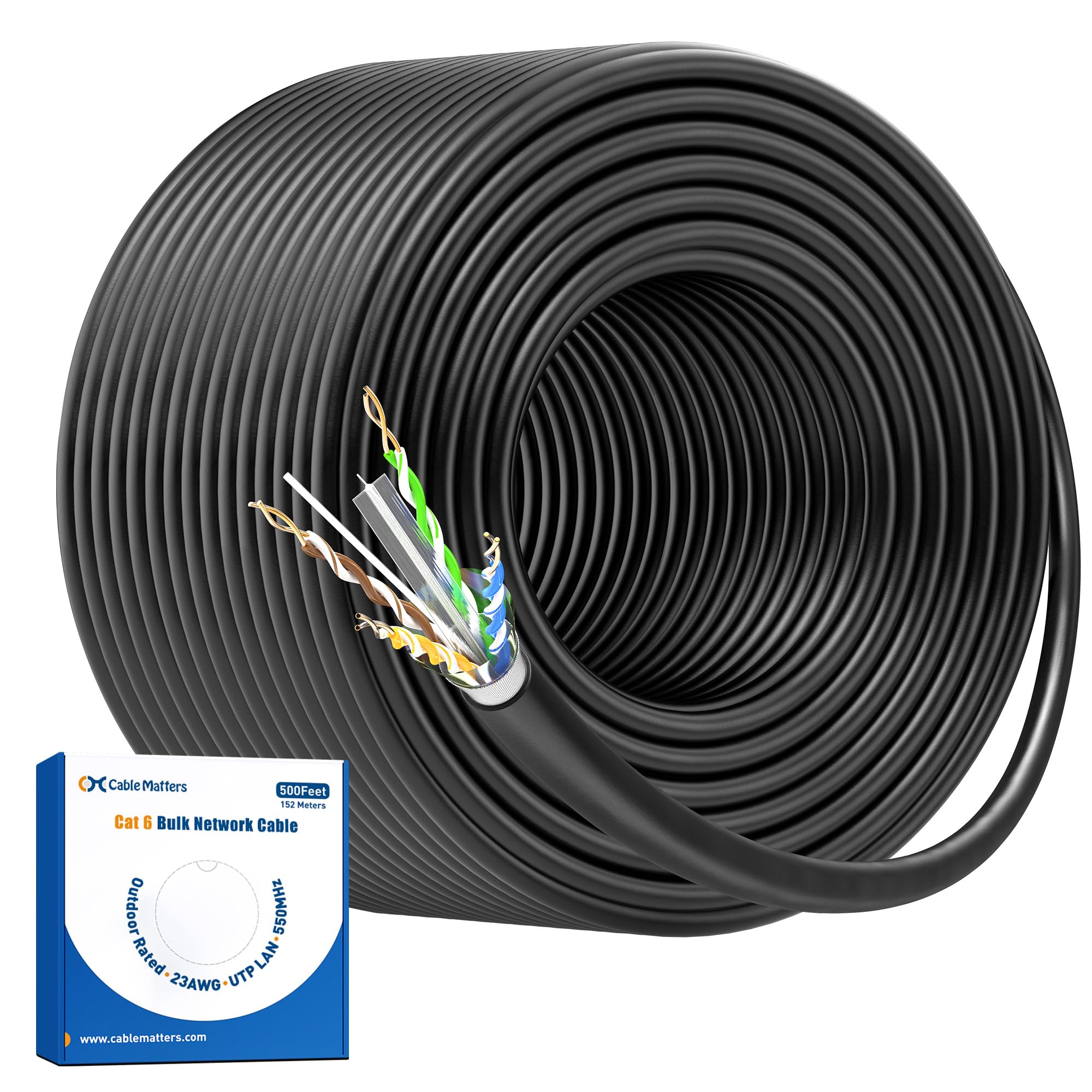


Who Should Buy Which Cable for PoE Cameras?
Buyers differ mainly by where the cable runs and how many cameras they support. Match your situation below first, then confirm the details.
Homeowners Adding One or Two Outdoor Cameras
You likely need short to medium runs, often under 150 feet, to a porch, driveway or yard camera. Solid bare copper Cat6 with a jacket rated for outdoor use suits most of these runs. If you are still choosing the cameras, see our guide to the best poe outdoor cameras before you fix mounting points and measure lengths.
Owners Building a Whole Home Surveillance Layout
You are running several lines through walls and ceilings to a central recorder, so consistency matters more than saving a little on one spool. Buy one good bulk cable type for the whole job and terminate each run yourself. For layout ideas that affect run lengths, see our guide to the best poe surveillance cameras.
Small Business and Long Run Installers
You may have runs close to the Ethernet limit and higher power draws from heaters or moving heads. Favor Cat6 or Cat6a in solid bare copper, and plan a switch partway on very long routes. If the cameras are not yet chosen, see our guide to the best security cameras poe to check power needs before ordering cable.
Key Features to Compare
Work through these factors in order.
Cable Category and Bandwidth for Camera Video
Category sets how much data the cable can carry and how much headroom you keep. Cat5e carries gigabit traffic and handles most single cameras, but Cat6 gives more headroom for busy switches and future cameras with higher resolution. Cat6a adds support for 10 gigabit speeds over full length runs and suits backbone lines between switches. Most new installs should start with Cat6 and move to Cat6a only where the budget and bend space allow.
Solid Bare Copper Conductors and Wire Gauge
Conductor material is the most important quality check on any spool or cord. Solid bare copper carries power with low resistance, while copper clad aluminum costs less but resists current more, heats more and can starve a camera at the far end. Avoid copper clad aluminum for camera runs at any price. Gauge matters too, with 23 AWG conductors carrying power better than thinner 24 AWG on long runs. Solid conductors suit fixed runs inside walls, while stranded conductors suit short flexible patch cords.
PoE Power Standard and Maximum Run Length
Every PoE camera states the power standard it needs, commonly 802.3af for fixed cameras and 802.3at for cameras with strong infrared lights, heaters or pan and tilt motors. Newer 802.3bt supplies still more power. Your cable, switch and camera must all support the same standard or the camera may never start. Ethernet runs are limited to about 328 feet, or 100 meters, including patch cords at both ends. Stay under that limit with margin, because a camera near the limit may work by day yet reboot when its night lights switch on.
Shielding and Protection from Interference
Most home camera runs work well with unshielded cable, which is easier to bend and terminate. Shielded cable adds a foil or braid layer that helps where lines run near heavy power cables, motors or radio equipment. Shielding only helps when the connectors and patch panels are also shielded and the system is grounded at one proper point. A shielded cable installed with plain plastic plugs gives little benefit and costs more. If your runs stay in quiet residential walls, unshielded Cat6 in bare copper is usually the sensible choice.
Jacket Rating for Indoor, Outdoor and Buried Runs
The jacket must match the space the cable passes through, and this is a safety and code point as well as a durability one. General indoor cable suits open rooms, riser rated cable is required between floors in many buildings, and plenum rated cable is required in air handling spaces. Outdoors, choose a jacket made to resist sun and moisture, marked as weatherproof for exposed runs. Cable buried in soil needs a direct burial rating and still benefits from conduit. When a run crosses several spaces, choose the rating for the strictest space on the route.
Connectors, Plugs and Termination Quality
A good cable can fail at its ends, so plugs deserve the same care as the spool. Use RJ45 plugs rated for your cable category and conductor type, since plugs made for stranded wire grip solid wire poorly. Pass through plugs make correct wire order easier to check before crimping, which reduces wasted ends. Follow one wiring standard, usually T568B, at both ends of every run. Outdoor ends need strain relief and a sealed gland so water cannot reach the contacts and corrode them.
Cable Types for PoE Cameras Compared
Bulk cable on a spool is the right choice for fixed runs that you measure, cut and terminate yourself. It costs less per foot and lets you match each run to its exact length. It does require a crimp tool, plugs and a simple tester.
Ready made patch cords suit very short links, testing a camera on a desk, and connecting a switch to a patch panel. They are a poor choice for a whole install because fixed lengths rarely match real runs, and many low cost cords use thin stranded conductors or copper clad aluminum.
When you compare the best cable for poe cameras for a mixed install, a common pattern works well. Use bulk solid copper Cat6 for every fixed run, then use short stranded patch cords only inside the cabinet. That pattern keeps power loss low on the long sections and keeps the cabinet tidy.
Common Mistakes to Avoid
- Buying copper clad aluminum cable to save money leaves distant cameras short of power and prone to random reboots.
- Running indoor rated cable outside lets sun and moisture crack the jacket and corrode the conductors.
- Exceeding about 328 feet on one run causes voltage drop that can stop a camera when its infrared lights turn on.
- Mixing wiring standards between the two ends of a run prevents the link from working at all.
- Pulling cable too hard or bending it sharply around corners damages the twisted pairs and weakens the signal.
- Leaving outdoor connectors exposed lets water reach the contacts and slowly corrode the connection.
Care and Maintenance of PoE Camera Cable
Once a run is installed, label both ends with the camera location so future changes take minutes. Keep spare slack coiled loosely at the equipment end, away from sharp edges and heat. Support long runs so their own weight does not pull on the plugs.
Once a year, inspect outdoor sections for cracked jackets, loose glands and connectors that have taken in water. Inside, check that plugs sit fully in their ports. If one camera starts rebooting, test the run before blaming the camera, because cable faults often appear first as power faults.
FAQ
Can Cat5e cable power a PoE camera reliably?
Yes, Cat5e cable can power a PoE camera reliably when it is solid bare copper and the run stays within the length limit. Many installed Cat5e lines already serve cameras well. The reason to prefer Cat6 for new work is headroom and better power handling from thicker conductors. If you already have Cat5e in the walls, test each run under night load before paying to replace it.
How far can a PoE camera cable run before power drops too low?
A single Ethernet run should stay within about 328 feet, including the patch cords at both ends. For a route that must go farther, place a PoE switch or extender partway along the path and treat each side as its own run. Measure the actual path around walls and ceilings, not the straight line between rooms, because corners and rises add more length than most owners expect.
Is shielded cable necessary for PoE cameras at home?
No, shielded cable is not necessary for most PoE cameras at home. Typical houses have few strong interference sources near camera runs, and unshielded cable is easier to install correctly. Consider shielded cable when a run must pass close to a large motor or a workshop welder. One extra point matters here: keep camera cable a few inches away from parallel power lines where you can, since distance alone reduces much interference.
Can I use one cable for two PoE cameras to save a run?
You should give each PoE camera its own cable run back to the switch or recorder. Splitters that share one cable exist, but they limit speed, complicate power delivery and make faults hard to trace. Pulling a second cable while walls are open costs little compared with reopening a finished ceiling later, so run a spare line as well when access is easy.
What cable should I buy for a PoE camera mounted far from the house?
For a PoE camera on a garage, gate or barn, choose direct burial rated solid copper Cat6, ideally inside conduit for the exposed sections. Count the full buried path against the 328 foot limit before you dig. If the route is longer, plan a powered switch in the outbuilding instead. For camera choices for remote spots, see our guide to the best poe cameras.
Final Thoughts
Good camera cable is mostly about a few clear choices. Pick solid bare copper, choose Cat6 for new runs, respect the length limit, and match the jacket to each space the cable crosses. Check power standards before you order, and terminate each end with care.
With those points settled, the best cable for poe cameras for your home becomes the one that fits your measured runs. Compare your shortlist against the product table above, and order enough length for slack and one spare run.


