
Best Cabinet Spice Racks (2026): Styles, Sizes and Features That Fit Real Homes
Disclosure: We may earn a commission when you buy through links on this page, at no extra cost to you. As an Amazon Associate I earn from qualifying purchases. Learn more

Cabinet spice racks compared by style, size and jar seals so you can pick one that fits your cabinet and cooking routine.
Picture a weeknight dinner with onions already softening in the pan while you hunt for paprika behind a row of tall jars. A good cabinet setup ends that scramble by putting every spice where your eyes and hands land first. The right best cabinet spice rack for your home depends on your cabinet size, how many people cook, and how much you want to spend.
This guide walks through sizes, rack types, materials, and upkeep so you can match a style to your space before you order. Use the comparison table below to scan the main styles side by side, then read on for the details that decide whether a rack still feels handy a year later.

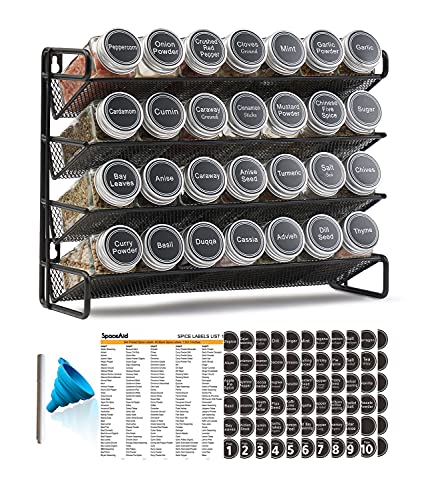
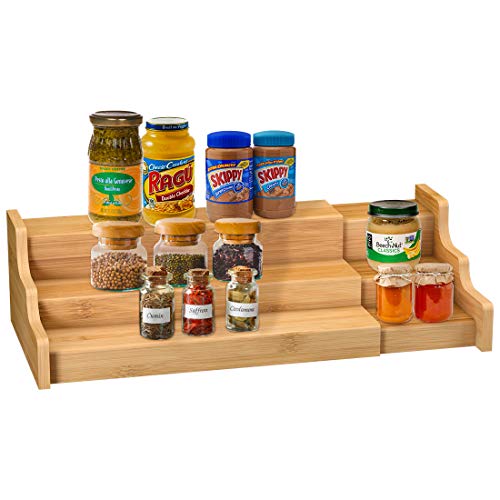


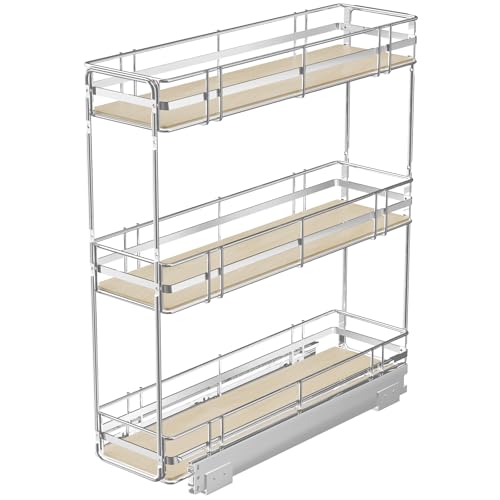

Quick Answer: The Main Styles at a Glance
There is no single layout that suits every kitchen, and our wider guide to the best spice rack covers storage beyond cabinets as well. Inside a cabinet, though, three styles cover most homes, and each solves a different problem.
- Tiered shelf inserts lift back row jars above front row jars, so labels stay visible without any moving parts or mounting work.
- Pull out frames bring deep cabinet contents forward on rails, which suits narrow cabinets where jars would otherwise hide at the back.
- Door mounted racks hang on the inside of a cabinet door and turn flat, unused space into storage for small jars.
Small households with about twelve jars often need nothing more than a tiered insert. Larger collections, or cooks who buy spices in bulk, usually get more from a pull out frame or a door rack added to an insert.
Before You Buy: A Quick Checklist for Choosing a Spice Rack
Size: Match It to Your Space
Measure the inside of your cabinet before anything else, recording width, depth, and the clear height between shelves. Then count your jars and note the tallest one, since a rack that fits the cabinet but not your tallest jar still fails. A collection of 20 to 30 jars suits a two or three tier insert in a standard width cabinet. Bigger collections need a wide insert, a second cabinet, or a pull out frame that uses depth instead of width.
Which Type Fits Your Routine
Think about how you cook, not just where jars will sit. If you grab three or four spices per meal, a fixed tiered insert keeps them visible with zero effort. Frequent cooks with deep cabinets may prefer the reach of a best pull out spice rack, while renters who cannot drill might choose a door rack with hooks or strong adhesive pads. If your counters are clear and cabinets are packed, our notes on the best countertop spice rack may fit your routine better.
Features Worth It, and Ones to Skip
Features worth paying for include sturdy raised edges that stop jars sliding, labels you can read from above, and rails or tiers sized for standard spice jars. Included jars help only if you will transfer spices into them and keep up with refills. Skip extras you will not use, such as oversized jar sets for a small collection, decorative finishes that chip, or app linked inventory tools for a dozen everyday spices. A simple rack you refill beats a fancy one you abandon.
Airtight Seals and BPA Free Materials
Ground spices lose flavor as air and moisture reach them, so jar lids that seal firmly matter more than rack styling. Glass jars with tight lids protect flavor well and do not hold odors from strong spices like cumin. If you choose plastic jars, look for BPA free food contact materials and lids that close with a clear snap. Metal racks should feel rigid and resist rust, since steam from cooking reaches cabinet doors and shelves daily in busy kitchens.
Realistic Budget Ranges
Prices vary with size and material, and the tiers below show what each step up usually buys you.
- Under $20: simple plastic or bamboo tiered inserts for one shelf and a modest jar count.
- Under $30: wider inserts, small door racks, or starter jar sets with labels included.
- Under $50: metal pull out frames, larger door systems, and sturdier jar sets with sealing lids.
- Under $100: full cabinet systems that combine frames, jars, and labels across two or more shelves.
Types Compared: Choosing Between Cabinet Rack Styles
Compare the three styles below on reach, capacity, and fitting effort, and the right choice for your cabinet usually becomes obvious.
Tiered Inserts for Everyday Shelves
A tiered insert works like stadium seating for jars, lifting each row so you can read labels without moving anything. It suits cooks who want a fast setup with no screws and no rails to align. Capacity is limited by shelf width, and jars at the back still require a reach. Choose an expandable width insert if your cabinet sits between standard sizes, and pick a depth that leaves finger room in front of the first row.
Pull Out Frames for Deep or Narrow Cabinets
A pull out frame mounts to the cabinet base or shelf and slides forward, turning deep storage into storage you can scan in seconds. It carries more jars than an insert of the same width and suits tall, narrow cabinets especially well. The trade off is fitting effort, since rails must sit level and clear the door hinges. Check the frame width against hinge position before ordering, and confirm the rails glide smoothly under the weight of full glass jars.
Door Mounted and Rotating Options
Door racks hold slim jars on the inside face of a cabinet door, a spot most kitchens waste. A best wall mounted spice rack uses similar shallow shelving logic on a wall instead, which helps when doors are too narrow. Rotating racks that sit on a shelf let you spin jars into view, but round bases waste corner space in square cabinets. Door racks also add weight to hinges, so reserve them for small jars rather than large bulk containers.
Pros and Cons of Storing Spices in a Cabinet
Cabinet storage keeps spices in the dark, and darkness helps protect flavor better than a sunny counter display. It also clears counters for cooking, which matters in small kitchens where every inch of work space counts. Doors hide visual clutter, so the kitchen looks calm even with a large and varied spice collection.
The downsides are real, though. Cabinets above the stove collect heat and steam, and deep cabinets swallow small jars unless the rack brings them forward. Fixed shelves can waste vertical space when jar heights vary a lot. If your only free cabinet sits far from your prep area, a drawer or counter option near the stove may serve you better despite the tidier look of cabinet storage.
Common Buying Mistakes to Avoid
- Guessing cabinet size: ordering without inside measurements often ends with a rack that blocks the door or wastes half the shelf.
- Ignoring door swing and hinges: a frame that fits the shelf can still jam if it ignores hinge bulk and door clearance.
- Buying capacity you will never fill: oversized jar sets push you to buy spices you do not use just to complete the row.
- Choosing looks over lid seals: pretty jars with loose lids let ground spices fade fast, whatever the rack cost.
- Mounting above the stove: daily heat and steam shorten spice flavor life even in well sealed jars.
Cost of Ownership and Care
A cabinet rack has no running costs, so ownership spending goes on refills, replacement labels, and the odd cracked jar. Buying spices from bulk bins and refilling your own jars usually costs less than replacing branded jars each time. Labels fade after repeated washing, so budget a small amount yearly for a fresh label set if matching jars matter to you.
For care, empty one shelf at a time, wipe the rack with a damp cloth, and dry it fully before jars go back. Check sliding rails every few months and tighten any loose screws while the cabinet is empty. Discard ground spices that have lost their scent, since a tidy rack cannot restore flavor that time and air already took.
FAQ
What is the most reliable cabinet spice rack style?
A fixed tiered insert is usually the most reliable style because it has no rails, hinges, or adhesives that can fail over time. If you need a moving option, a pull out frame with metal rails and a stated weight limit tends to outlast thin plastic trays. Reliability also depends on load, so keep the heaviest jars on the lowest tier or shelf rather than on a door rack.
How do you clean a cabinet spice rack and its jars?
Remove every jar, then wash removable trays or wipe fixed racks with warm water and a small amount of dish soap. Dry each part fully before refilling, because trapped moisture makes ground spices clump and cake inside jars. Wipe jar rims and threads as well, since stray spice dust there stops lids from sealing tightly. Avoid soaking bamboo or other wood racks, which can swell and split if left wet.
Is a cabinet spice rack worth it for a small kitchen?
Yes, if your spices now crowd a shelf where you move jars to find anything. In a small kitchen the biggest gain is vertical use, stacking sight lines with tiers so one shelf holds what once took two. Renters benefit as well, since inserts and hook on door racks leave no holes. It is less worthwhile if you own only five or six spices, which fit neatly in a small box or drawer.
How long does a cabinet spice rack last?
A metal or solid wood rack can serve for many years with basic care, while thin plastic inserts may bow after a few years under heavy glass jars. Watch for sagging shelves, rails that grind instead of gliding, and screws that loosen soon after tightening. Those signs mean the structure is wearing out, and replacing the rack before it tips jars is cheaper than replacing broken glass and spilled spices.
What is the best cabinet spice rack?
The best cabinet spice rack is the one that fits your measured cabinet, holds your full jar count, and keeps every label readable without moving other jars. For most homes that means a tiered insert, while deep or narrow cabinets favor a pull out frame. Let your measurements and jar count make the final call for your kitchen.
Final Thoughts
Start with your tape measure, count your jars honestly, and pick the style that matches how you cook each week. Tiered inserts reward simplicity, pull out frames rescue deep cabinets, and door racks reclaim wasted space. Before you order, glance back at the product table above and compare your shortlist against the best cabinet spice rack criteria in this guide, and your spices will stay visible, sealed, and easy to grab.


