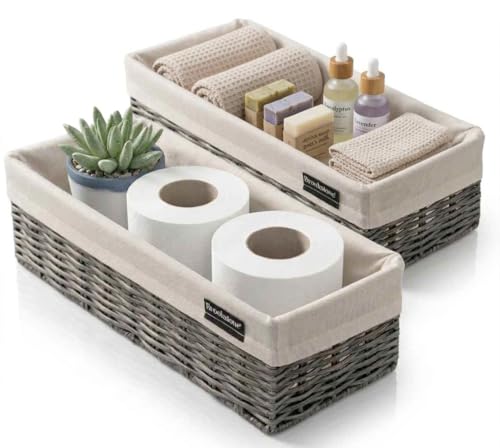
Best Book Crates at Every Price: What Your Money Really Gets You in 2026
Disclosure: We may earn a commission when you buy through links on this page, at no extra cost to you. As an Amazon Associate I earn from qualifying purchases. Learn more

Learn how to choose the best book crates at each price level, what materials and sizes you get, and which upgrades are worth paying for at home.
Book piles on the floor look charming for about a week, and then they become dust traps that are hard to clean around. Shoppers looking for the best book crates quickly find prices from under $20 to well over $100, with photos that all look much the same.
The real differences are material thickness, joinery, size accuracy, and finish quality, and none of those show up well in a product photo. This guide explains what each price tier actually delivers, so you can spend on the parts that matter for your home and skip the rest.






What to Prioritize at Each Budget
Think of the tiers below as three different buying strategies. Each one is right for a different job, from a dorm room stack to a living room fixture you plan to keep for years.
The Budget Strategy
At the budget level, around $15 to $30 per crate, your priority is honest size and safe edges. These crates suit light paperbacks, magazines, and kids books in a playroom where looks matter less than order. Pick simple designs with cut out handles and no fancy finish, and plan to sand any rough spots yourself. The limit is load. Thin boards flex under a full load of heavy hardcovers, so keep heavy sets on the bottom crate only, and do not stack budget crates more than two high with books inside.
The Midrange Strategy
Midrange crates, about $30 to $60, are where most buyers should land. Your priority here is thicker wood or strong molded material, clean joinery, and dimensions that stack neatly from one batch to the next. These crates handle full loads of hardcovers, stack three high with care, and look tidy enough for a bedroom or home office. A smooth interior finish matters at this tier because it protects book covers from snags. If you buy only one upgrade over the budget tier, make it this one, since the jump in stiffness and finish is the largest in the whole range.
The Premium Strategy
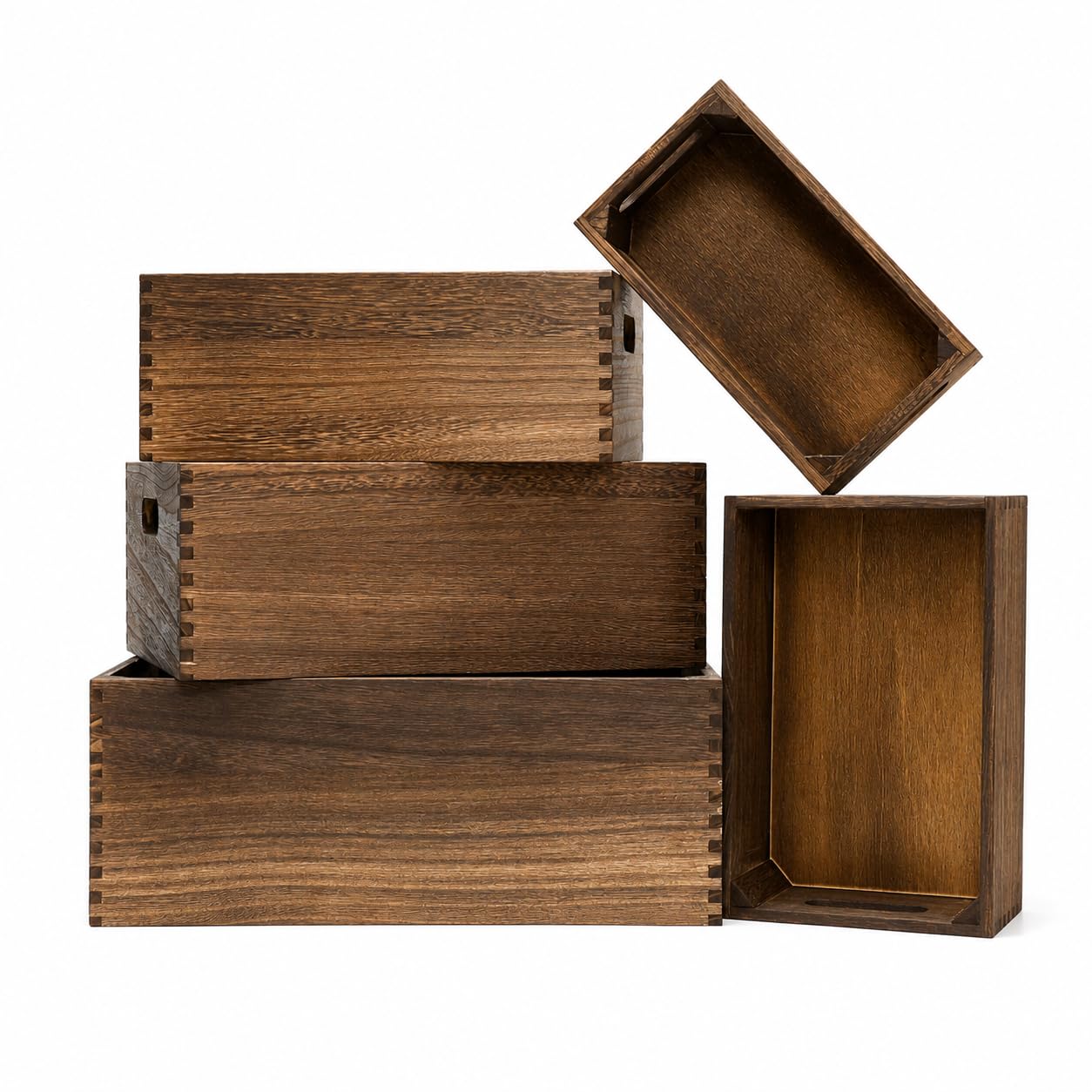
Premium crates, around $60 to $120, sell craftsmanship rather than capacity. Expect solid wood, dovetail or finely fitted corners, sanded and sealed surfaces, and designs that match furniture. These suit a reading corner in a living room where the crate is part of the decor and may hold a lamp or plant on top. You are paying for looks, finish longevity, and hardware such as casters or lids. The storage itself works no better than a good midrange crate, so buy premium when appearance and heirloom life justify the gap, not for extra strength alone.
What Your Money Gets You at Each Price Tier
Budget Tier: What to Expect
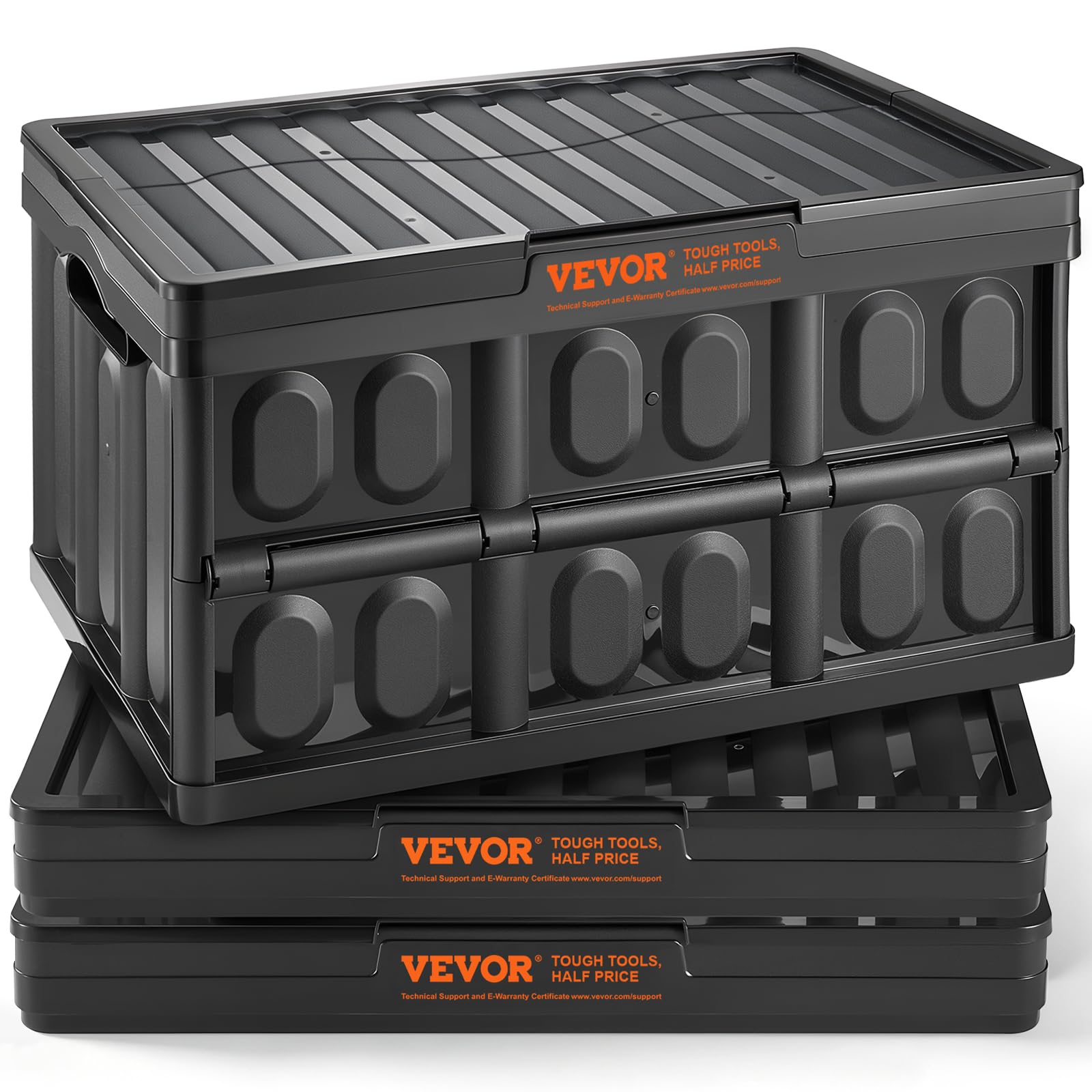
Budget crates are usually thin pine boards, plywood, or basic plastic, held together with staples or simple screws. Sizes may vary a little from crate to crate, so stacking can wobble. Finishes are raw or lightly coated, which means the wood can stain if a damp book or a cold drink sits inside. None of that makes them a bad buy. For closets, dorm rooms, garage sale sorting, and kids rooms, they do the job at the lowest cost. Just check the interior length against your tallest books before ordering, because budget listings round sizes up most often.
Midrange Tier: The Sweet Spot for Most Buyers
Midrange crates step up to thicker boards, glued and screwed joints, and consistent sizing that stacks square. Interiors are sanded smooth, and many come with a light seal coat that resists dust and wipes clean. Weight ratings, when listed, usually support a full row of hardcovers without bowing. This tier also brings better handle cutouts that do not bite your fingers when the crate is full. For a home library that grows over time, buying matching midrange crates in small batches is the most flexible plan, because you can add units as shelves fill.
Premium Tier: When Spending More Pays Off
Premium crates use solid hardwoods or heavy molded designs, fitted joints, and finishes that survive years of handling without peeling. Some add lids, casters, chalkboard labels, or modular clips that lock a stack together. Spending more pays off in three cases. First, when the crate will be visible daily in a main room. Second, when you move books often and need handles and joints that will not loosen. Third, when you want one system for decades rather than replacing flexing crates every few years. Beyond those cases, premium money buys style more than storage.
Features Worth Paying For and Ones to Skip
Ease of Use and Setup
Most crates arrive ready to use, but some ship flat and need assembly. Assembled crates cost more yet save twenty minutes and the risk of splitting a board with a misaligned screw. If you choose a flat pack, a simple know how step helps. Drive screws slowly with a hand tool or a low torque setting, because thin crate boards split easily under a fast drill. Handles are the other ease factor. Wide, smooth handle cutouts or rope handles make a full crate far easier to carry up stairs, and they are worth a small premium at any tier.
Price vs Value
Compare crates by cost per usable liter or per book row, not by sticker price alone. A slightly larger crate around $45 that holds thirty books beats two small crates around $25 each that hold twelve each and stack poorly. Also price the system, not the single crate. If you plan a wall of six, a midrange crate on sale can save more than a premium single purchase ever will. Value drops fast when you pay for decorative extras you will hide inside a closet. Spend where hands and eyes actually meet the crate every day.
Maintenance and Long Term Costs
Wood crates need almost no upkeep beyond dusting and an occasional wipe with a slightly damp cloth. Unfinished wood can be refreshed with a light sanding and a coat of furniture oil after a few years, at a cost of about $10 in supplies for several crates. Plastic crates wash with soap and water and suit damp basements where wood would mildew. The main long term cost is replacement. A flexing budget crate replaced three times costs more than one midrange crate, so factor your time horizon into the first purchase.
Intended Use and Who It Is For
Match the crate to the load and the room. Paperbacks and comics are light, so almost any crate works. Textbooks, atlases, and vinyl records are dense, and a full crate can weigh 40 lb or more, which demands strong joints and real handles. For a child room, low single crates are safer than tall stacks, and smooth edges matter more than finish. For a reading nook, think about what sits beside the books. Many readers keep a tablet with their current reads, and our guide to the best tablets for books can help if your crate will double as a charging spot.
Long Term Costs to Factor In
The crate itself is most of the cost, but a few extras add up. Shelf liner or felt pads, around $5 to $10, protect both the crate bottom and your floor. Labels or bookends for open crates run about $5 to $15 and keep tall books from sliding. If you plan to stack, budget for anti slip pads between units. Replacement is the hidden cost for the cheapest tier, as noted above. Shipping also matters on bulky items, so a slightly higher local or free shipping price can beat a low price with heavy freight fees. Total cost of ownership over five years usually favors the midrange tier for most homes.
Book Crates: Your Questions Answered
How do I maintain a book crate?
Dust it weekly and wipe spills at once, because standing moisture stains wood and warps thin boards. Once a year, empty each crate and check joints and corners for looseness, and tighten screws while the crate is empty and easy to handle. Keep crates in rooms with normal household humidity. A crate stored in a damp basement should be plastic or sealed wood, and books should never sit in a crate directly on a concrete floor, where moisture wicks upward.
What features matter most when buying book crates?
Interior size matters most, followed by joint strength and smooth interior surfaces. Measure your tallest and longest books and add a small margin so books slide in without forcing. Strong corners matter because a crate fails at its joints, not in the middle of a board. Handles you can grip with a full load are next. Finish, color, and decorative details rank last. A plain crate with the right size and strong joints will serve you better than a pretty crate that fits nothing well.
Are expensive book crates worth it?
They are worth it when the crate is furniture in a main room or when you will move it often for years. Premium joinery and finish survive daily handling and still look good a decade later. They are not worth it for closet, attic, or playroom storage, where midrange or budget crates do the same job out of sight. A useful test is simple. If guests will see it every day and you plan to keep it for ten years, premium makes sense. Otherwise, put the savings toward more books.
How long does a book crate last?
A solid wood or quality midrange crate lasts ten years or more of normal home use, and premium hardwood crates can last for decades. Budget thin board crates often last two to five years before joints loosen or boards bow under load. Lifespan depends mostly on load and moisture. Crates kept at a sane weight in dry rooms last far longer than crates overfilled and stored in damp spaces. Inspect once a year and retire any crate whose base bows, since a failing base can dump books and damage their spines.
How much should I spend on a book crate?
Most buyers do well around $30 to $60 per crate, which buys the thickness, joinery, and finish that hold up under real book weight. Spend around $15 to $30 for hidden or light duty storage, and reserve about $60 to $120 for visible furniture grade pieces. If you need many crates, buy two first, live with them for a month, and confirm the size and stacking before ordering the rest. That small pause prevents the classic mistake of owning eight crates that are each slightly too short for your books.
Wrapping Up
Size the crate to your books, buy joints strong enough for the load, and pick the tier that matches how visible and long lived the crate needs to be. Most homes land happily in the midrange, with budget crates for hidden storage and a premium piece or two where guests gather.
Look back at the product table above, measure your tallest shelf of books, and shortlist the best book crates that fit with room to spare. Start with two, load them fully, and check the carry and the stack before you buy more. That simple test tells you more than any listing photo.