
Best Cabinet Doors: Materials, Styles and Fit for 2026
Disclosure: We may earn a commission when you buy through links on this page, at no extra cost to you. As an Amazon Associate I earn from qualifying purchases. Learn more

Cabinet doors compared by material, panel style, finish and hinge fit, with measuring and installation tips for a cabinet refresh.
Replacing the fronts is the fastest way to refresh a kitchen without touching the cabinet boxes, and the best cabinet doors are the ones that fit your openings exactly and suit the room they live in. Doors differ in material, panel style, finish, and how they hang, so a door that looks right online can still bind, sag, or clash once it is on the wall. The comparison table below lines up the main door types so you can weigh looks, upkeep, and fit before you order.
This guide explains materials and styles in plain terms, shows how to measure for replacement doors, and covers hinges, installation, and care. Use it to match a door to your cabinets, your budget, and how much finishing work you are willing to do.

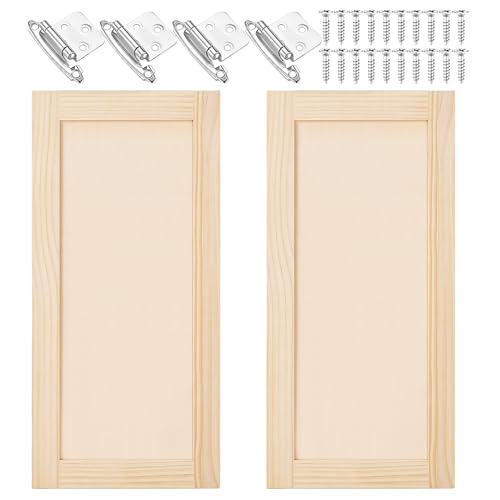


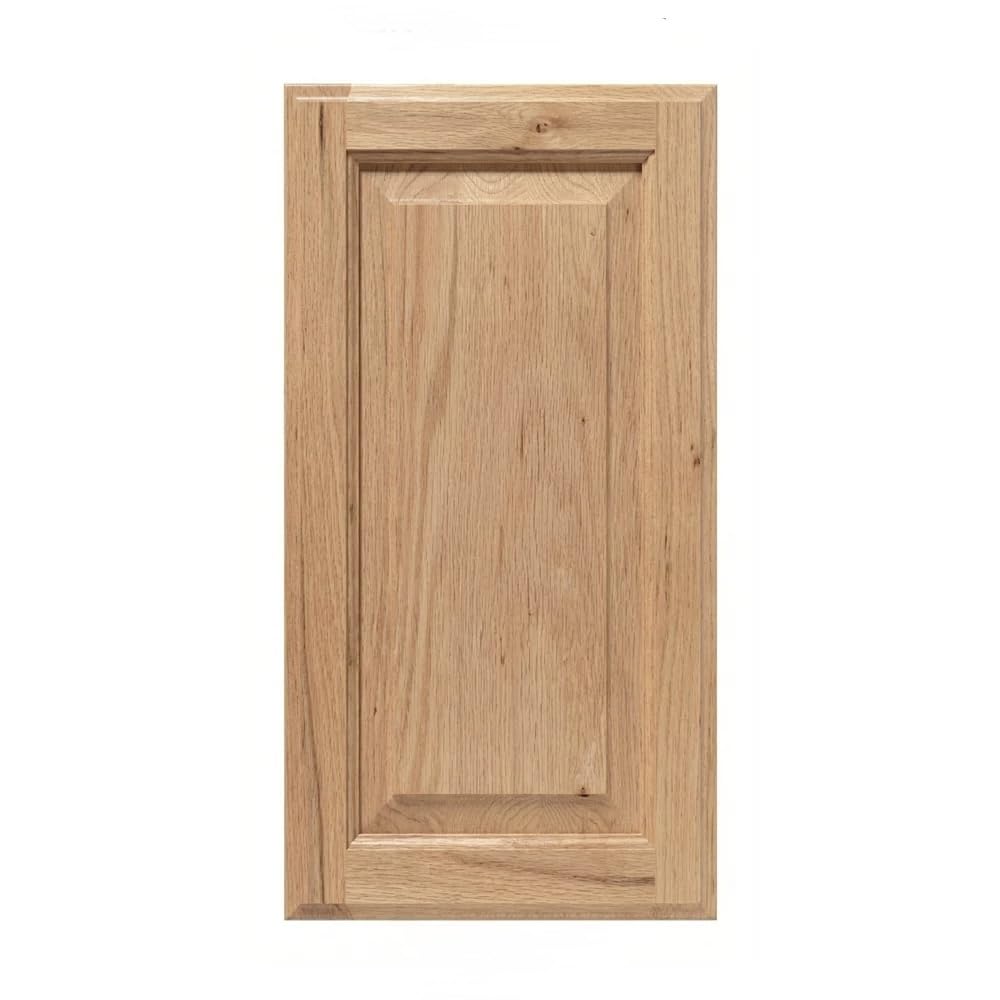
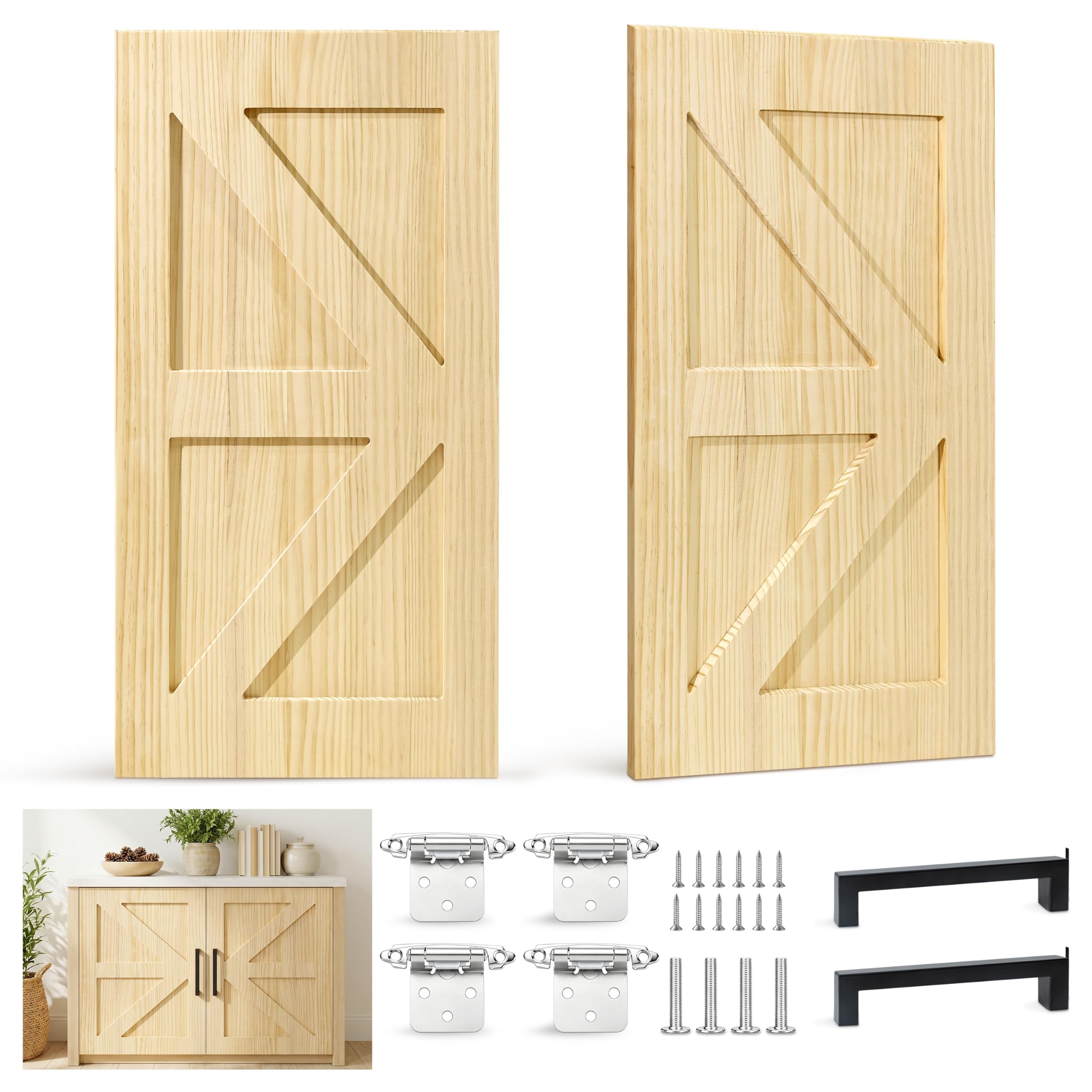
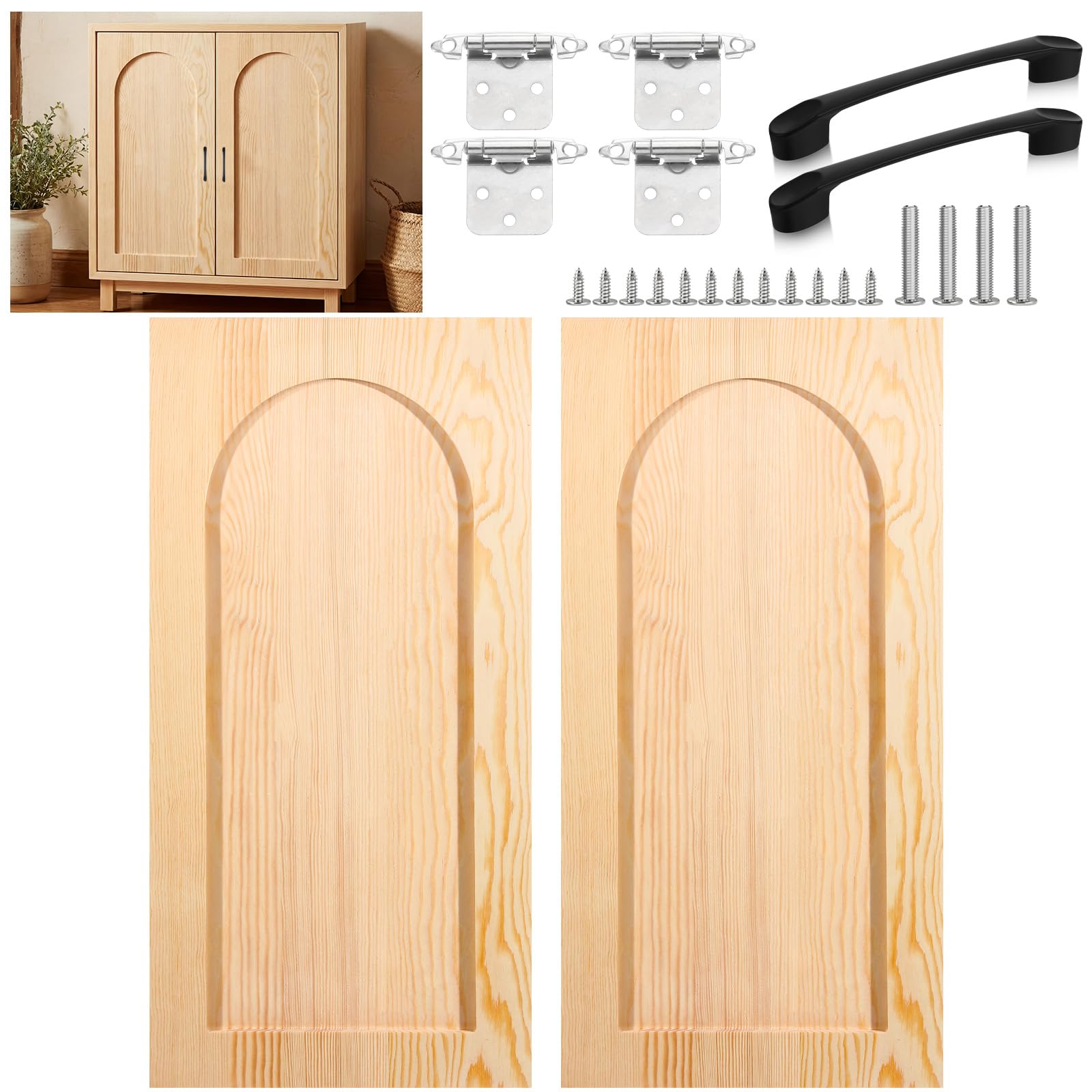

Types of Cabinet Doors Compared
The choice is not only the style on the front but also the material behind it and the way the door hangs. Solid wood shows natural grain and can be sanded and refinished, but it moves a little with humidity. MDF takes paint evenly and stays flat, which makes it popular for painted shaker doors, though it dislikes standing water at the edges. Thermofoil and laminate wipe clean easily, but heat from an oven or kettle can lift the surface over time.
| Door type | Best for | Strengths | Watch out for |
|---|---|---|---|
| Solid wood, unfinished | Stained or painted refresh | Can be refinished, sturdy feel | Needs sanding, sealing, and finishing |
| MDF shaker, unfinished | Painted kitchens and baths | Smooth, flat panels, even paint | Seal all edges against moisture |
| Pre-finished or white ready to hang | Quick upgrades | No painting required | Limited color and size choice |
| Thermofoil or laminate | Wipe-clean, modern rooms | Low upkeep, uniform color | Heat and moisture near ovens |
Panel Styles and What They Suit
Shaker Doors
Shaker doors use a flat center panel inside a simple frame. They suit traditional, farmhouse, and modern rooms alike, and they are easy to clean because the panel has no deep grooves. Most replacement doors sold in standard sizes follow this style.
Raised Panel Doors
A raised panel has a shaped center that stands proud of the frame. It gives a classic, formal look and hides small dents well, but dust and grease collect in the profile, so plan on more careful cleaning near the stove.
Flat Panel Doors
Flat slab doors suit contemporary kitchens and small spaces where a calm front matters more than detail. They show every mark on a glossy finish, so a matte or textured surface is more forgiving for daily use.
How to Measure for Replacement Cabinet Doors
Start with the cabinet box, not the old door. Measure the opening width and height, then decide whether the new door will overlay the face frame or sit inside it. Full overlay doors cover most of the frame, half overlay doors share a divider between two doors, and inset doors sit flush inside the opening with a small even gap.
For overlay doors, add the overlay amount to each side of the opening, then subtract about one eighth of an inch where two doors meet so they do not rub. Write down hinge type and the distance from the door edge to the center of the hinge hole, because new doors must match the holes already in the cabinet or be drilled to suit. Measuring twice, and ordering one door first if you are unsure, costs far less than a full set that does not fit.
Key Features to Compare
Thickness and Construction
Most standard doors are about three quarters of an inch thick. A solid frame with a floating center panel resists warping better than a single flat sheet. Check that corner joints are tight and that the listing states the material of both the frame and the panel.
Finish and Preparation
Unfinished doors cost less but need sanding, priming or staining, and a protective topcoat on every face and edge. Ready to hang doors save that work, though color choices are narrower. If you paint, use a primer made for the material and let each coat cure fully before hanging.
Hinges and Hardware Fit
Many replacement doors ship without hinge holes, or with holes for concealed European hinges. Confirm that the cup hole size and spacing match your hinges before you order. Pair the doors with pulls or knobs sized to the door, and see our guide to the best cabinet handles or the best cabinet knobs when you choose hardware.
Weight and Cabinet Strength
Solid wood doors are heavier than MDF. A tall pantry door with ordinary hinges may sag over time, so use enough hinges for the height and check that screws bite into solid material, not a crumbled edge.
Installing New Cabinet Doors
Remove the old doors and label each one with painter's tape so you can match positions. Mount hinges on the new doors first, then attach the doors to the cabinet and adjust the three way screws on concealed hinges until the gaps are even. Tighten screws gently, since over-tightening strips the holes in particle board frames.
If screw holes have worn smooth, fill them with wood glue and toothpicks, let the glue dry, and drill fresh pilot holes. Work with a helper on tall doors, and keep small fittings away from children while the job is open.
Care and Maintenance
Wipe doors with a soft cloth and a mild cleaner, and dry spills promptly, especially along bottom edges near the sink. Kitchen doors collect cooking film over time, and our guide to the best cabinet degreaser covers cleaners that suit finished surfaces. Check hinges twice a year, touch up chips before moisture reaches the core, and keep wood doors away from steam and direct sun.
Common Mistakes to Avoid
- Ordering from the old door size instead of the opening, which leaves gaps that are too wide or doors that rub.
- Skipping the edge sealing on unfinished MDF, which lets moisture swell the corners.
- Forgetting that hinge hole positions must match the cabinet, which leads to extra drilling.
- Choosing glossy fronts for a busy family kitchen, where fingerprints show quickly.
- Ordering a full set before checking one door for color and fit in your own light.
Frequently Asked Questions
Can I replace only the doors and keep my cabinet boxes?
Yes, if the boxes are sound and square. Replacing doors and hardware changes the look of a kitchen at a fraction of the cost of new cabinets. Check for water damage and loose frames before you start.
Are unfinished cabinet doors worth the extra work?
They are worth it if you want a custom color or stain and enjoy finishing work. The surface takes paint well when sanded and primed, and you control the final look. If you want a quick job, choose ready to hang doors.
How do I know which hinge type I need?
Look inside the cabinet. Concealed hinges with a round cup on the door are the most common on modern kitchens, while older cabinets may use visible surface mount hinges. Measure the cup size and hole spacing, then match them in the listing.
Which material holds up best near the sink?
Sealed solid wood and well painted MDF both work when every edge is coated. Thermofoil can peel when exposed to steam, so keep it away from dishwashers and kettles.
How many doors should I order at first?
Order one door in the size you need most, check color, fit, and hinge holes, and then order the rest. This small step avoids the most expensive mistakes.
Wrapping Up
Measure the opening, choose a material that suits the room, and match hinges and hardware before you order. When those points line up, the best cabinet doors are easy to choose, and the product table above can help you narrow the field to the style that fits your cabinets.


