
Best Budget Cabinets at Every Price for 2026: What Your Money Gets You
Disclosure: We may earn a commission when you buy through links on this page, at no extra cost to you. As an Amazon Associate I earn from qualifying purchases. Learn more

Compare the best budget cabinets at every price level, from basic stock boxes to sturdier midrange builds, and learn where spending more pays off.
Cabinet prices vary widely, and best budget cabinets can mean anything from a simple stock box to a well built unit with soft close hinges. The difference is rarely just the name on the box. It shows up in panel thickness, drawer construction, hinge quality, and finish durability, all of which affect how a cabinet looks and holds up after years of daily use.
The comparison table below helps you weigh those tradeoffs side by side before you commit. Use it with the price tiers and feature sections that follow, which explain where extra money pays off and where it does not. A clear budget, accurate measurements, and a short list of must have features will save more money than chasing the lowest price alone.

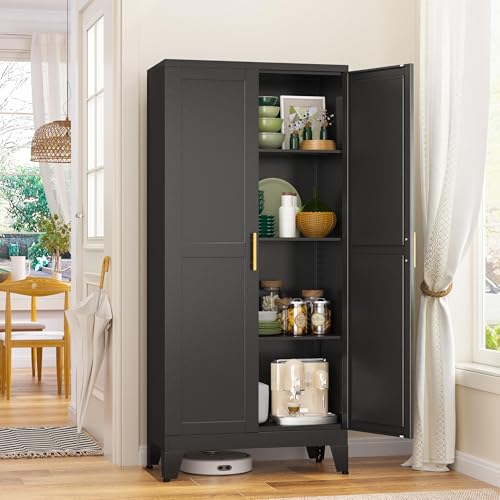

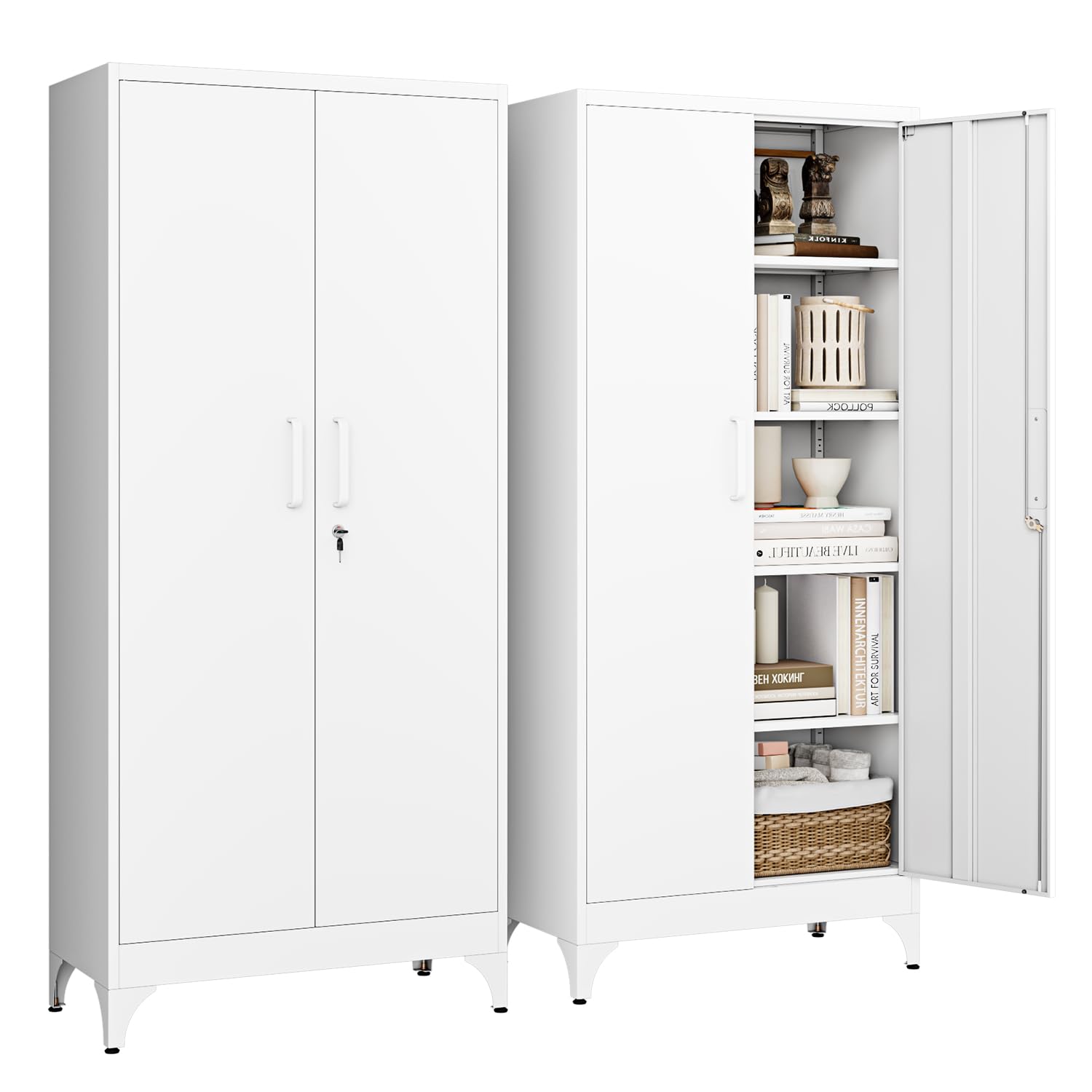
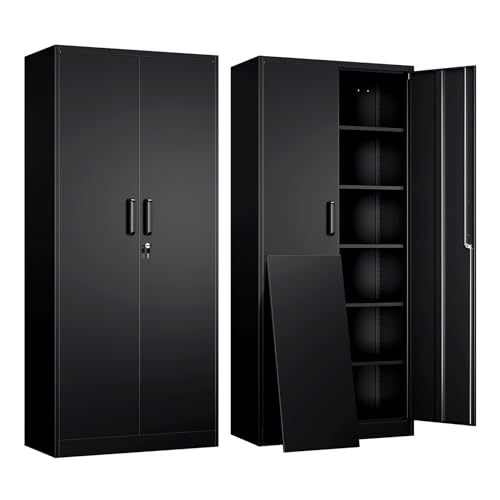


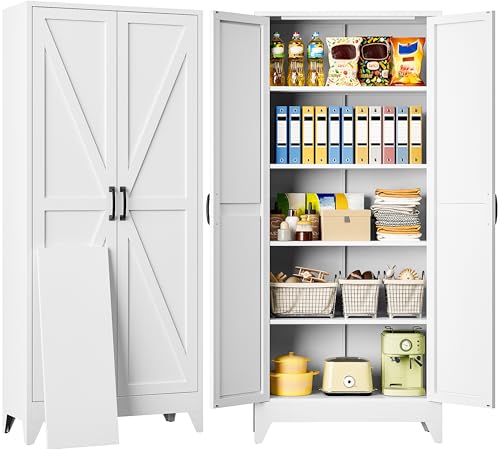
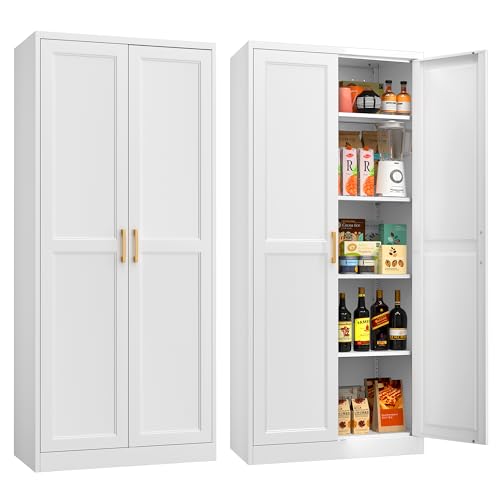
Setting Your Cabinet Budget Before You Shop
Start by measuring the space, including width, height, and depth, and note door swings, plumbing, and outlets that limit what will fit. A cabinet that is cheap but needs major alteration can cost more than a slightly pricier unit that fits cleanly. List the features you must have, such as adjustable shelves, soft close doors, or a specific depth, and treat the rest as nice to have.
Set a total budget that includes hardware, hinges, handles, and installation help, not just the cabinet box. Budget cabinets often ship flat packed, so factor in assembly time or hiring help.
What Your Money Gets You at Each Price Tier
Budget Tier: What to Expect
Budget cabinets, often around $50 to $150 per unit, usually use thinner panels, basic hinges, and a simple finish. They work well for laundry rooms, garages, and rental kitchens where looks matter less than storage. Expect particleboard or thin plywood boxes, fixed or limited shelf adjustment, and hardware that may need tightening over time.
The tradeoff is durability, since thin panels can sag under heavy loads and finishes can chip at edges. Keep loads modest, avoid overloading wide shelves, and check the load rating before you buy. A budget cabinet can last well in a light use room, but it is less suited to a busy family kitchen.
Midrange Tier: The Sweet Spot for Most Buyers
Midrange cabinets, often around $150 to $400 per unit, usually add thicker panels, better hinges, and more finish choices. Many offer soft close doors and drawers, adjustable shelves, and sturdier drawer boxes. This tier suits most kitchens and bathrooms, where cabinets open and close many times a day.
The gain over budget units is mostly in daily feel and longevity, not in looks alone. Doors close quietly, drawers glide smoothly, and shelves hold heavier items without sagging. For a home you plan to keep, midrange cabinets often give the best balance of cost and durability.
Premium Tier: When Spending More Pays Off
Premium cabinets, often around $400 to $900 per unit and above, usually offer solid wood fronts, plywood boxes, dovetail drawers, and high quality hardware. They suit kitchens where appearance and longevity both matter, and where the cabinetry is a long term investment. Finish quality is usually higher, with smoother coatings and more consistent color.
Spending more pays off when you want a specific wood, a custom size, or hardware that will last decades with heavy use. It pays off less in a garage or laundry room, where a midrange unit already meets the need. Compare the construction details, not just the price, since some premium prices buy style alone.
Features Worth Paying For (and Ones to Skip)
Build Quality and Materials
Box material matters more than door style for longevity, since the box carries the load. Plywood boxes resist moisture and sagging better than particleboard, while solid wood fronts add durability at the visible face. Check panel thickness, since thicker sides and shelves hold up better under books, dishes, and tools.
Drawer construction is a useful quality signal, with dovetail joints and plywood drawer boxes lasting longer than stapled particleboard drawers. Full extension drawer slides let you reach the back of a deep drawer, which matters in kitchens. If the drawer feels flimsy in the store or in the spec sheet, it will feel worse after years of use.
What You Can Realistically Get on a Budget
On a budget, expect a simple finish, basic hinges, and limited size choices, and plan around those limits. You can still get a clean look by choosing a simple door style and matching hardware across all units. Spend the available money on box strength and hinge quality first, since those affect daily use most.
Do not expect custom sizes, exotic woods, or premium soft close hardware at around $50 to $100 per unit. If a seller promises all three at that price, check the panel thickness and drawer construction closely. A realistic budget cabinet is honest about its limits and still stores well.
Intended Use and Who It Is For
Kitchen cabinets face heat, steam, and frequent use, so they need sturdier boxes and finishes than a hallway cabinet. Bathroom cabinets face humidity, so moisture resistant finishes and good ventilation matter more. Garage and laundry cabinets face heavy loads and temperature swings, so simple, strong boxes beat fancy finishes.
Renters and first time buyers often benefit most from budget cabinets, since the goal is clean storage at a fair price. Homeowners planning a long stay should weigh midrange units, since replacement costs more than the initial saving. Match the cabinet to the room, not to a single price target for the whole house.
Ease of Use and Setup
Flat packed cabinets save on shipping but need assembly, and the quality of the instructions matters as much as the parts. Look for pre drilled holes, clear diagrams, and hardware sorted by step, which cut assembly time and errors. Assembled cabinets cost more but suit buyers who lack tools or time.
Wall cabinets need secure mounting into studs, and the maker instructions should state the fastener type and spacing. Follow maker installation safety guidance, check the load rating, and keep small parts away from children during assembly. If the wall is plaster or tile, check whether you need special anchors before you start.
Safety and Certifications
Safety starts with stable mounting, since a wall cabinet that pulls loose can cause serious injury. Use the fasteners the maker specifies, mount into studs where directed, and do not exceed the stated load rating. Freestanding cabinets should sit level and, where the maker directs, be anchored to the wall to prevent tipping.
Finish safety matters in kitchens and bathrooms, where food and damp air meet cabinet surfaces. Look for finishes that the maker describes as suitable for kitchen or bathroom use, and follow care guidance for cleaning. Ventilation helps too, since trapped moisture can damage panels and finishes over time.
Long Term Costs to Factor In
Long term cost includes hardware replacement, hinge adjustment, finish touch ups, and eventual replacement, not just the purchase price. Budget cabinets may need new hinges or handles sooner, while midrange units often need less attention.
Total cost of ownership also depends on how long you keep the cabinet and how hard the room is on it. A budget cabinet in a laundry room may last as long as a midrange unit, while the same cabinet in a busy kitchen may not. Choose the tier that fits the room, and the long term cost usually follows.
For a cabinet made for a specific storage job, see our guide to the best shoes cabinet when entryway shoe storage is the main goal. That guide covers depth, ventilation, and door styles for shoes, which differ from kitchen cabinet needs.
FAQs
Are expensive cabinets worth it?
Expensive cabinets are worth it when the extra cost buys thicker panels, better drawers, and hardware that will last decades in a busy room. They are less worth it in a garage, laundry room, or rental, where a midrange or budget unit already meets the need. Compare construction details such as box material, drawer joints, and hinge type, since those drive longevity more than door style alone. If two cabinets look similar but one has plywood boxes and dovetail drawers, the higher price often reflects real durability, not just branding.
How do I maintain a cabinet?
Wipe cabinet surfaces with a damp cloth and mild soap, then dry them, since standing water damages finishes and panel edges. Tighten hinges and handles once or twice a year, and adjust doors that rub or sag before the finish wears. Avoid harsh cleaners and abrasive pads, which can dull or scratch the coating. Keep heavy items low and within the load rating, and use shelf liners in areas prone to spills to protect the interior.
How much should I spend on a cabinet?
Spend around $50 to $150 per unit for light use rooms such as laundry rooms and garages, where simple storage is enough. Budget around $150 to $400 per unit for kitchens and bathrooms, where daily use justifies sturdier boxes and better hardware. Spend more only for solid wood fronts, custom sizes, or premium hardware in a long term home. Always set a total budget that includes hardware, handles, and installation help, since those costs add up across many units.
What features matter most when buying cabinets?
Box material and panel thickness matter most, since they decide whether shelves sag and panels survive daily loads. Hinge and drawer slide quality come next, because they affect how the cabinet feels every time it opens. Adjustable shelves, soft close doors, and a durable finish follow, since they add convenience and longevity. Door style matters for looks, but it should not outweigh construction, especially in a kitchen or bathroom that sees heavy use.
How long does a cabinet last?
A well made cabinet in a dry, light use room can last 20 years or more, while the same cabinet in a busy, humid kitchen may last less. Budget cabinets often last 5 to 10 years in kitchens, midrange units often last 10 to 20 years, and premium units can last longer with care. Moisture, overloading, and poor mounting shorten life more than age alone. Proper installation, load limits, and routine cleaning do more for longevity than any single feature.
Our Verdict
Choose the tier that fits the room, spend first on box strength and hinge quality, and keep loads within the rating. Midrange cabinets suit most kitchens and bathrooms, while budget units work well in light use rooms. Check the product table above, measure twice, and pick best budget cabinets that will still close smoothly and look clean years from now.


