Best Bathroom Cabinet Storage: Everything to Know Before Your First Purchase for 2026
Disclosure: We may earn a commission when you buy through links on this page, at no extra cost to you. As an Amazon Associate I earn from qualifying purchases. Learn more

Shopping for the best bathroom cabinet storage? Learn sizes, materials, mounting, layout, and care basics in this first purchase guide for your home.
A crowded counter makes a small bathroom feel smaller, and loose bottles around a sink are easy to knock over on a busy morning. A cabinet solves that by giving towels, toiletries, and cleaning supplies a closed home. If you are shopping for best bathroom cabinet storage for the first time, this guide starts with the basics, explains each term in plain language, and helps you use the comparison table below without buying the wrong size.
We will cover cabinet types, the specs that actually matter, the mistakes new buyers make most often, and simple first steps once your cabinet arrives. Measure your room before you fall for any style, because fit decides almost everything in a bathroom.



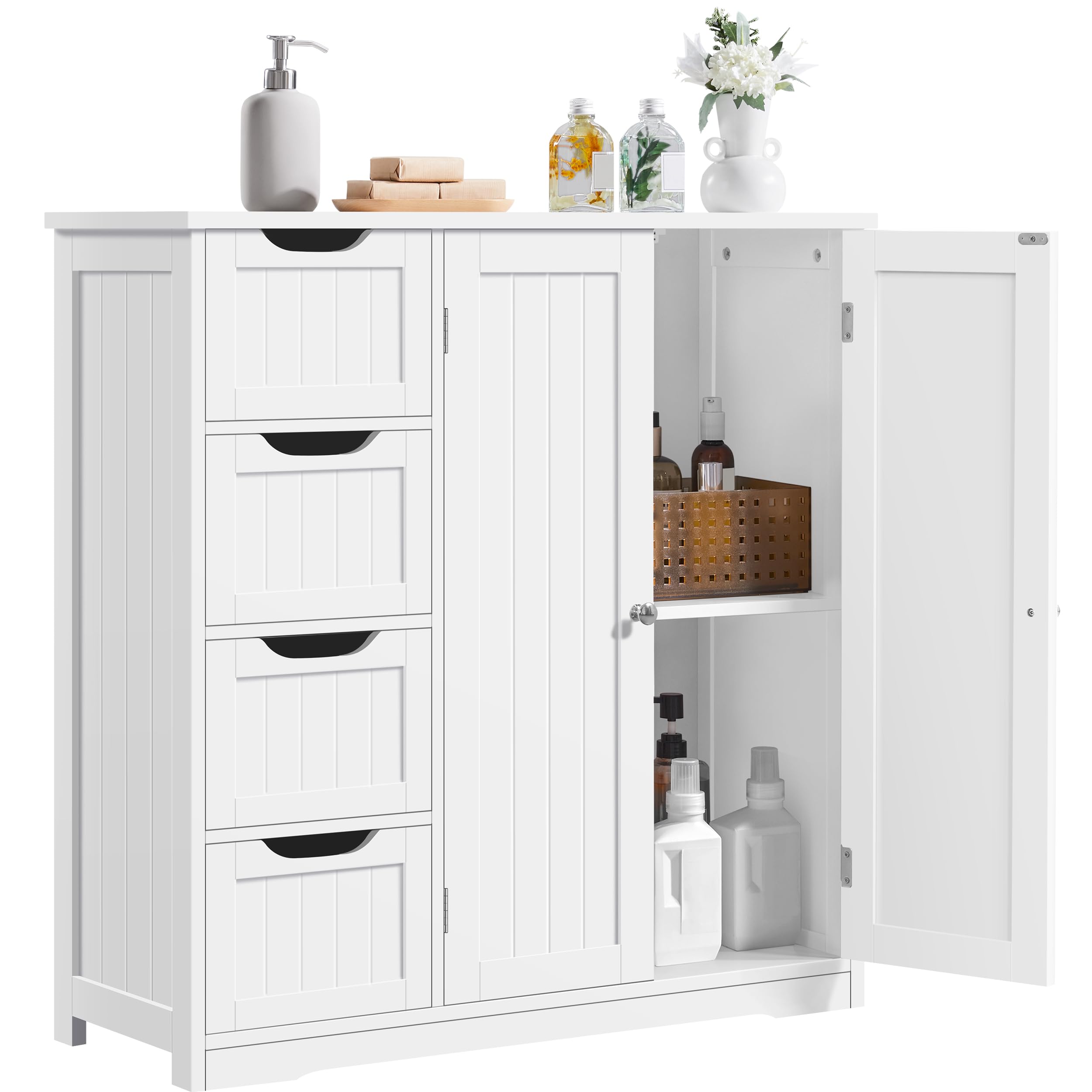

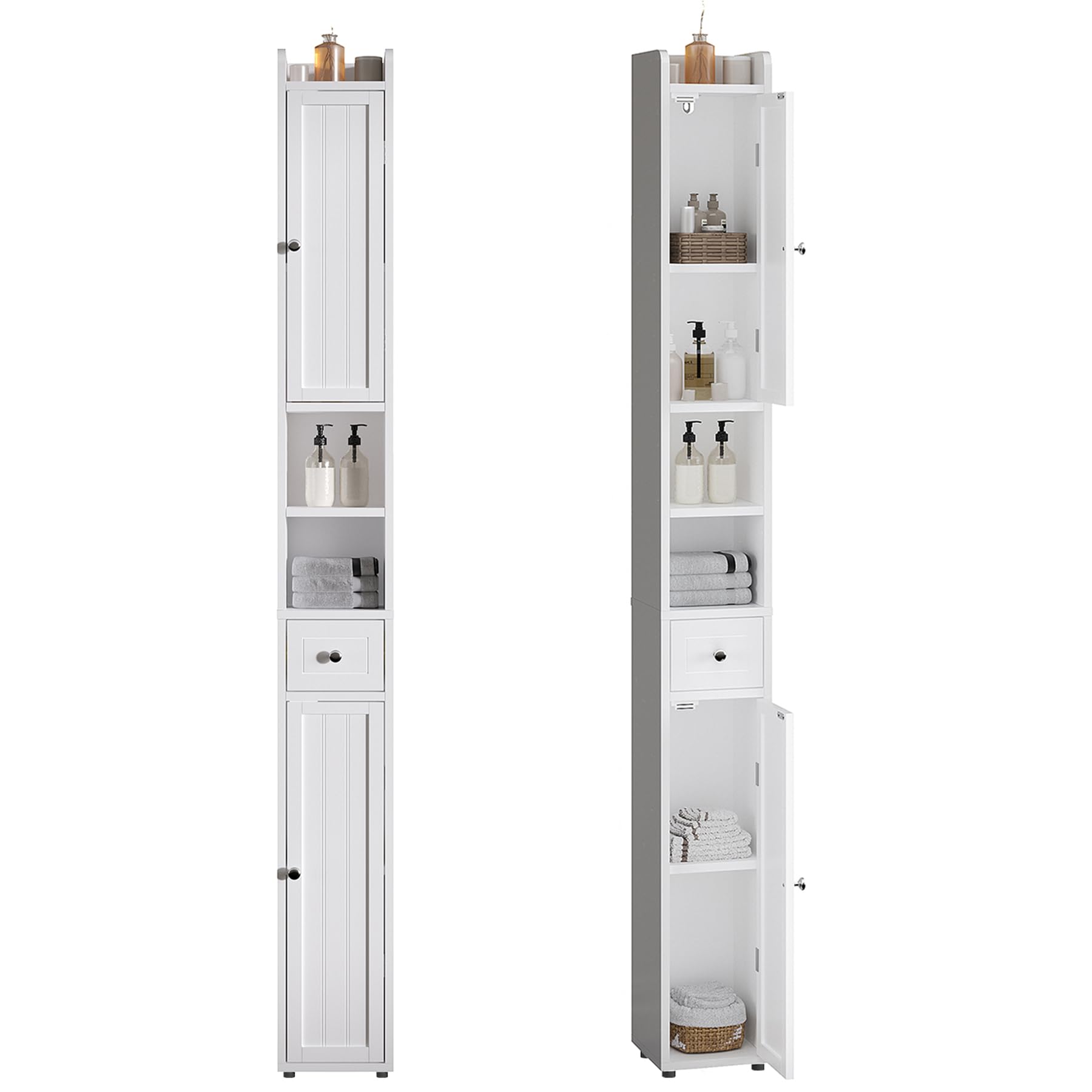
Bathroom Cabinet Storage 101: The Basics
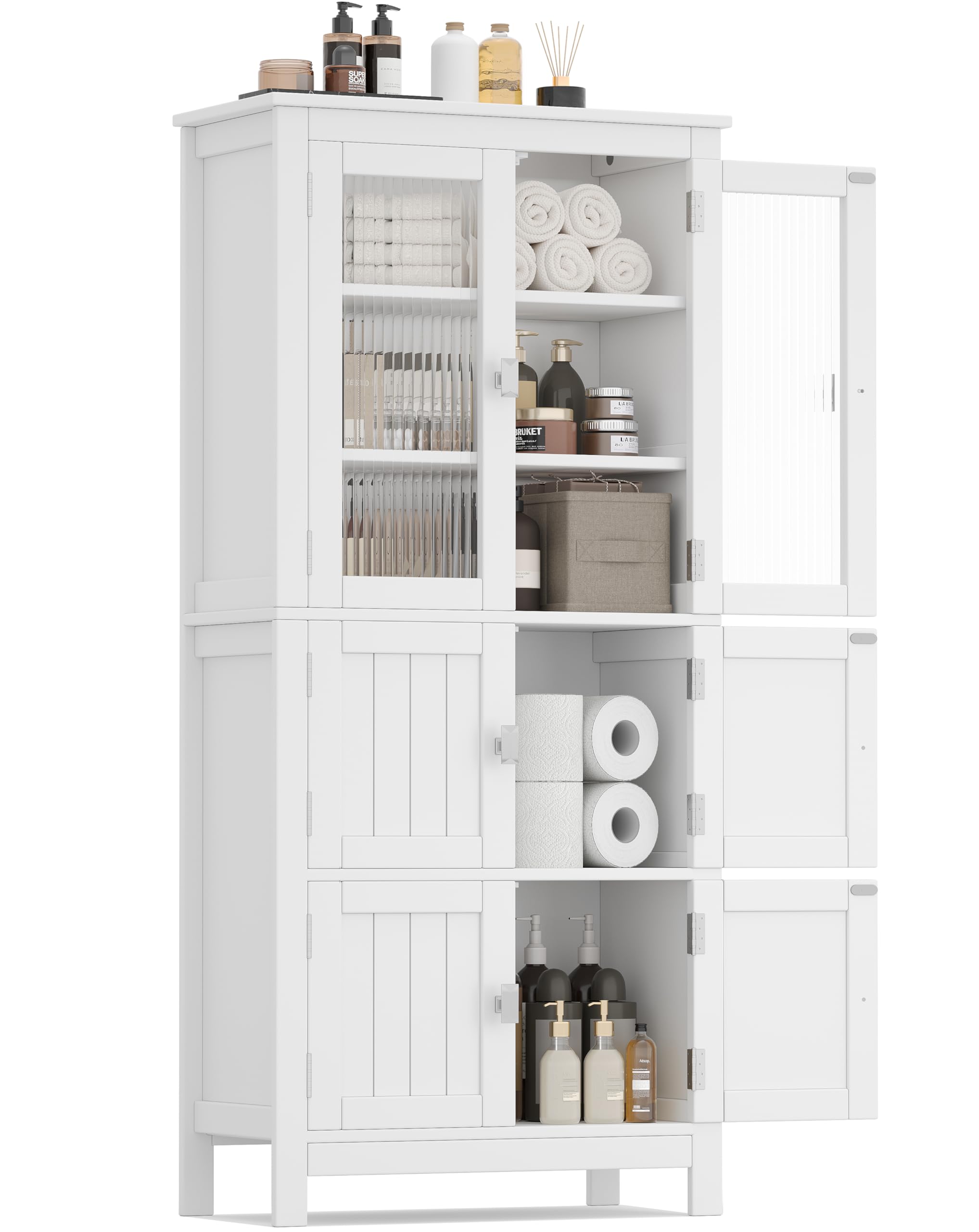
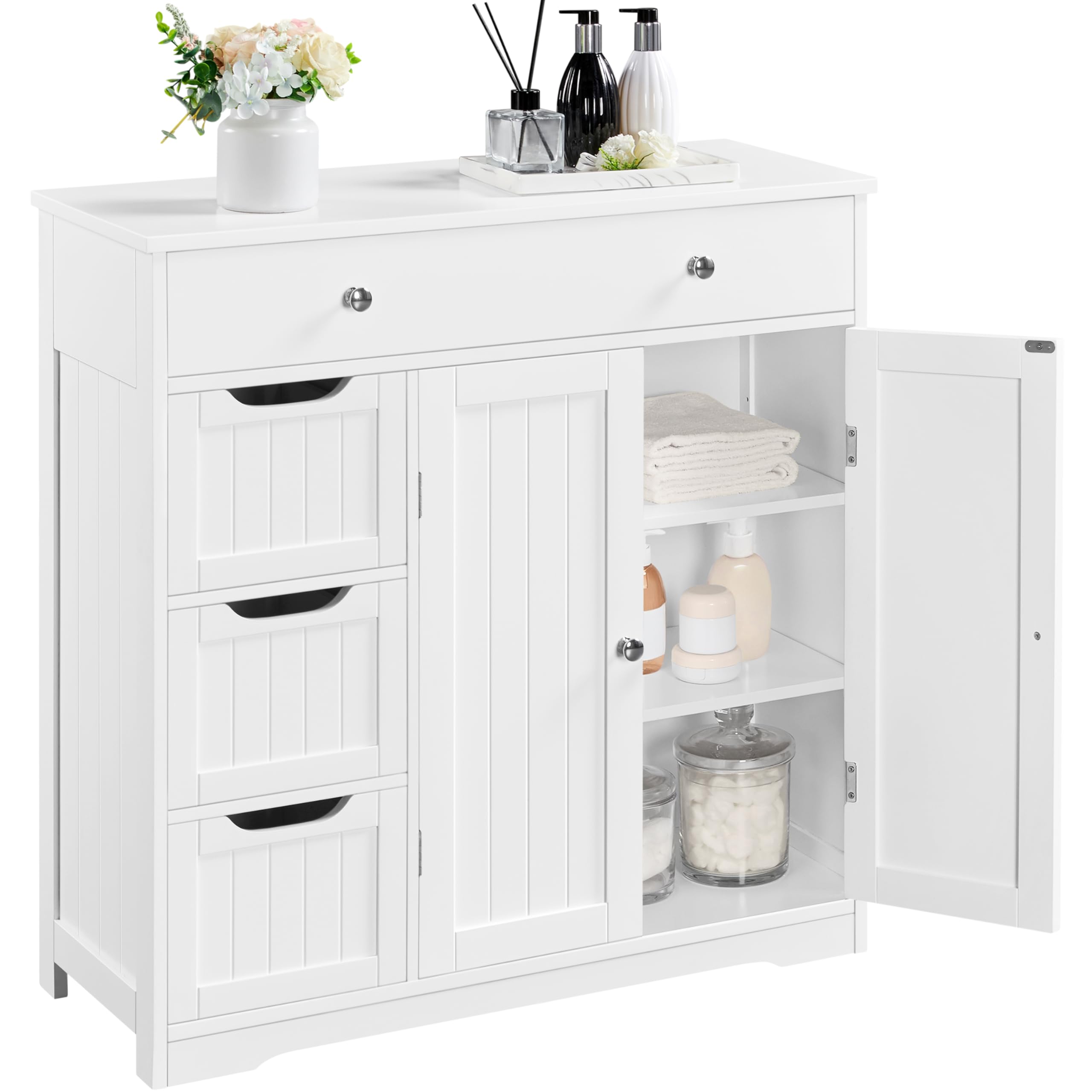
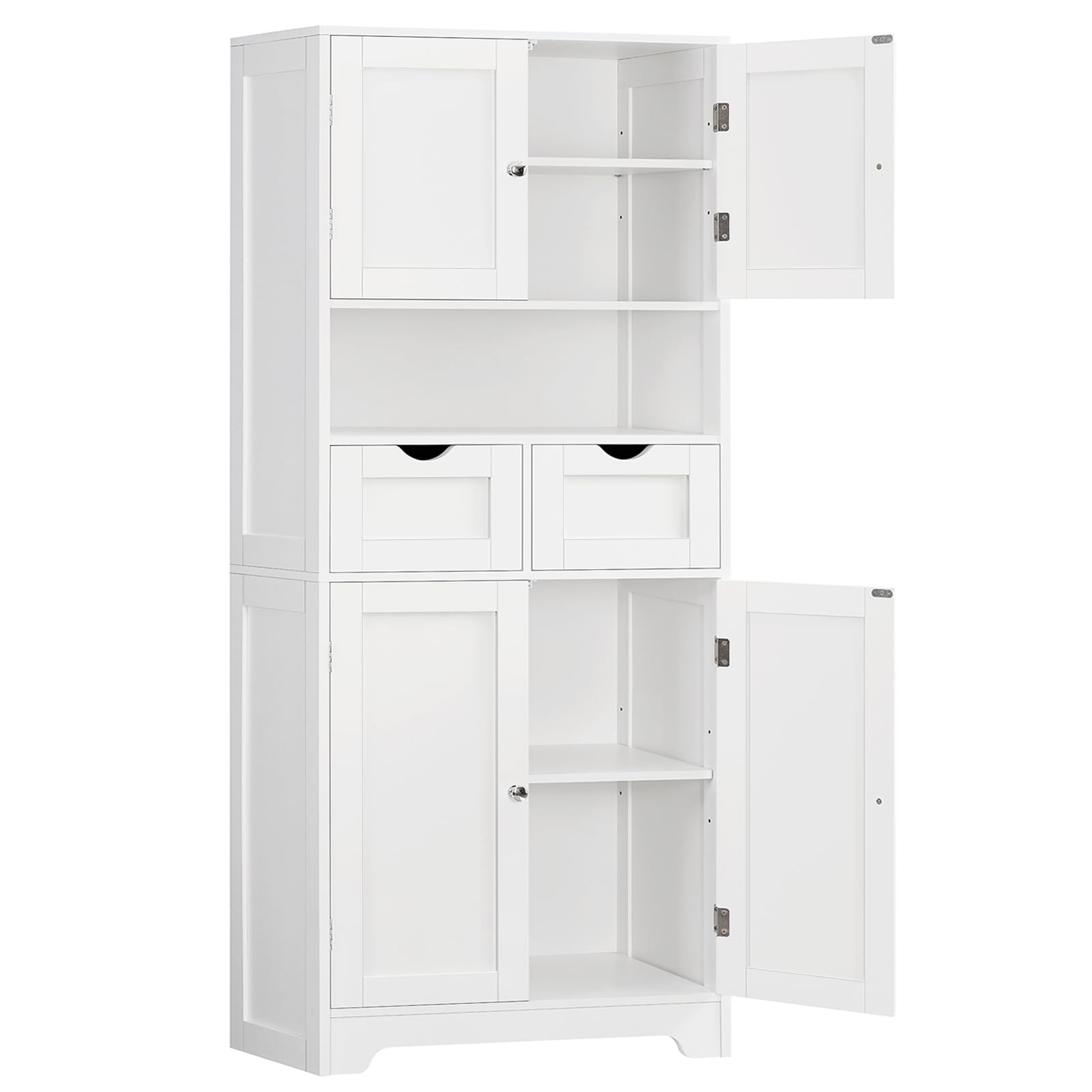
Bathroom cabinet storage means any enclosed cabinet built for bathroom use, from a tall linen tower beside the vanity to a wall cabinet above the toilet and a slim unit that slides beside the sink. Doors keep clutter out of sight and protect contents from dust and splashes. Common layouts include open shelves, closed cupboards, drawers, and adjustable shelves that move to fit tall bottles.
The main types differ by how they stand and mount. Freestanding units need floor space but no drilling, wall mounted units free the floor and need solid fixings, and over toilet units use vertical space that often goes to waste. Each type trades capacity, effort, and flexibility differently. If your bathroom is very small, start by reading our guide to best storage for small bathroom layouts before you commit to a footprint.
Depth is the measurement new buyers misjudge most. A cabinet around 12 to 14 inches deep holds folded towels and most bottles, while a shallow unit near 8 inches suits medicines and small toiletries above a sink. Check the space between the cabinet door and the faucet, since a door that clips the tap every morning will annoy you daily. Also leave room for the door to open fully, because a half opening door makes deep shelves hard to reach and easy to neglect.
Think about light as well. A tall cabinet can shadow the mirror or block a window in a small room, changing how the space feels at night. Placing storage on the wall opposite a light source usually keeps the mirror area bright. These small layout choices decide whether new storage feels like an upgrade or an obstacle.
Key Specs Explained in Plain English
Intended Use and Who It Is For
Start with what you need to store, because that decides the cabinet shape. Daily toiletries need shallow shelves near the sink, towels need deeper and taller sections, and cleaning supplies need a closed lower space away from children. A single adult in a studio needs far less volume than a family sharing one bathroom. List your bulkiest items, measure the tallest bottle, and let those numbers set shelf height and depth rather than guessing from photos.
Safety and Certifications
Safety in a bathroom cabinet is mostly about stable mounting and moisture safe materials. A tall or wall mounted unit must anchor into studs or proper wall fixings, because a loaded cabinet is heavy and a fall can injure someone. Rounded edges help in tight rooms where hips and elbows pass close. Keep medicines and sharp items in a high or lockable section when children visit or live in the home, and never store electrical items where splashes reach them.
Price vs Value
Budget cabinets often cost around $40 to $100 and use thin panels with basic hinges, which can suit a rental or a guest room. Mid range options around $100 to $250 usually add sturdier panels, better finishes, and adjustable shelves. Premium units above that range bring solid wood, soft close hardware, and finishes that resist steam longer. Value means the cabinet fits your space and survives daily humidity, not simply the lowest price in the comparison table.
Build Quality and Materials
Bathrooms test materials hard, because steam reaches every surface daily. Solid wood and plywood handle humidity better than low density particle board, which can swell at exposed edges. A sealed finish on all sides, including the back and underside, slows moisture damage. Check hinge quality and shelf supports in photos, since doors get opened many times a day. For open storage that pairs with a cabinet, our guide to the best baskets for bathroom storage helps you sort smaller items inside deep shelves.
Warranty and Customer Support
A clear warranty of at least one year signals basic confidence, and longer cover on hardware is a plus. Read what the warranty actually covers, since finish damage from steam is often excluded. Responsive support matters when a door arrives warped or a hinge is missing, both common flat pack problems. Keep your order details and take photos during assembly, because clear evidence speeds up any replacement part request.
Rookie Mistakes to Avoid
- Skipping measurements. A cabinet that blocks a door swing or a drawer is useless, no matter how good it looks online.
- Ignoring the water zones. Placing an unsealed cabinet where shower spray lands daily leads to swelling and peeling.
- Overloading wall units. Towels and bottles add up fast, so respect the stated weight limit for each shelf.
- Buying storage you cannot clean. Intricate trim and deep grooves trap moisture and grime in a steamy room.
- Forgetting the inside layout. One tall open space wastes room, while adjustable shelves fit bottles of many heights.
A practical know how point is to tape the cabinet footprint on your wall and floor with painter tape before ordering. Living with that taped footprint for a day shows whether you will bump into the unit or block a light switch. Another is to count doors and drawers against your routine, since a cabinet you open ten times each morning should feel effortless, not fiddly.
Getting Started: Setup and First Use
Read the manual before first use and lay out every panel and screw before you start, because missing parts are easier to spot on the floor than halfway through assembly. Build the unit in a dry room, check that doors hang level, and anchor wall or tall units before loading them. Wipe the inside with a damp cloth to remove packing dust, then load heavy items low and daily items at hand height.
Clean and inspect regularly during the first month, when settling screws and hinge alignment show up. Tighten fixings once after the first week of use, and keep the bathroom fan running during showers to limit steam on the finish. If you prefer a wider view of formats before buying, our guide to best bathroom storage compares cabinets with shelves, carts, and racks.
Bathroom Cabinet Storage: Your Questions Answered
How much should I spend on bathroom cabinet storage?
Most first time buyers do well in the mid range, around $100 to $250, where materials and hardware handle daily steam. Spend less for a guest bathroom or a short term rental, and more when the cabinet replaces a linen closet. The deciding factor is moisture resistance, because a cheap unit that swells within a year costs more over time.
How do I maintain bathroom cabinet storage?
Wipe spills and standing water the same day, because edges and seams soak up moisture quietly. Clean with a soft cloth and mild soap, dry the surface after, and keep the fan on during showers. Check hinges and wall fixings twice a year. A small dish or tray under pump bottles catches drips before they reach the shelf finish.
Are expensive bathroom cabinets worth it?
They can be, when the price buys sealed solid materials, strong hinges, and a finish that resists steam for years. They are less worth it in a dry powder room with light use. Judge by panel material and hardware quality you can verify, not by styling alone, and compare that against how many years you plan to stay in the home.
What features matter most when buying bathroom cabinet storage?
Fit, moisture safe materials, and adjustable shelves matter most, in that order. A cabinet that fits your wall, survives steam, and adapts to tall and short bottles will serve you daily. Soft close doors and good lighting access are pleasant extras. If a white finish suits your room, our guide to the best white bathroom storage covers care for light finishes.
How long does bathroom cabinet storage last?
A well built cabinet in a ventilated bathroom often lasts eight to fifteen years, while thin unsealed panels in a steamy room may swell within two or three. Lifespan depends on ventilation, water contact, and load. You can extend it greatly by drying splashes quickly, anchoring the unit well, and keeping heavy bottles on the lowest shelf.
Our Verdict
Measure first, choose moisture safe materials, and pick a layout that matches the items you reach for every day. Those three steps matter more than styling or a low price. Compare your shortlist in the product table above, explore the wider options in our guide to the best bathroom storage solutions, and you will choose best bathroom cabinet storage that keeps your bathroom calm, tidy, and easy to clean.