Best Beverage Warmers: Buying Guide for 2026
Disclosure: We may earn a commission when you buy through links on this page, at no extra cost to you. As an Amazon Associate I earn from qualifying purchases. Learn more
The best beverage warmers keep coffee and tea hot at your desk. Compare plate sizes, temperature settings, safety features and budget ranges.
A drink that cools too fast can turn a slow morning into a small frustration, and that is why many people look for best beverage warmers when they want a steady, comfortable temperature. This guide explains the main types, the features that matter most, and the safety points to check, so you can match a warmer to your cup, your routine, and your budget. The product table gives a quick overview before the details.
Warmers differ more than they first appear. Some keep a single mug warm on a desk, while others hold a larger carafe for a group. Some use a flat heated plate, while others use a warming base with a temperature control. Reading the sections below will help you avoid a warmer that is too small, too hot, or hard to clean.

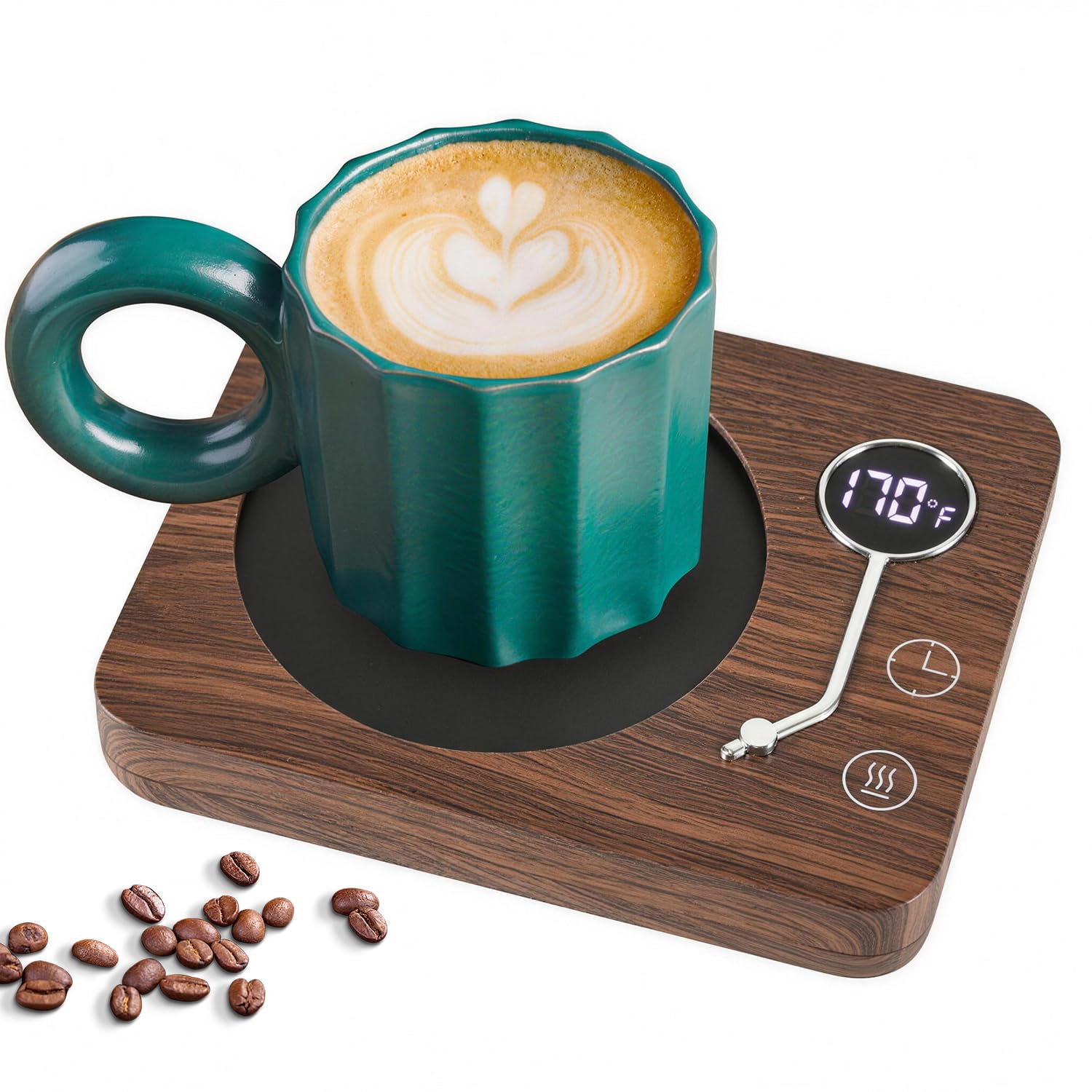
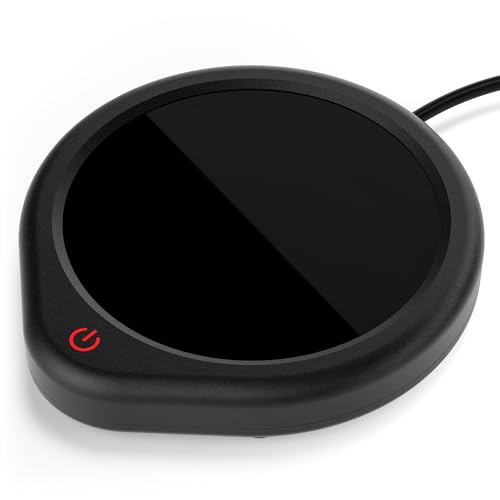


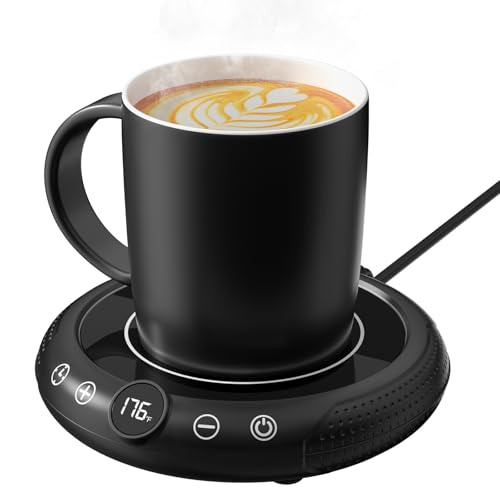

Who Should Buy the Best Beverage Warmers
Home Office and Desk Workers
If you sip coffee or tea slowly while you work, a compact mug warmer is usually the best fit. Look for a stable base that fits your usual mug, a low profile that does not crowd your keyboard, and a shutoff feature for peace of mind. A warmer with a simple on and off switch is often easier to live with than one with many settings you will never change.
Families and People Who Entertain
For a household that serves several guests, a larger carafe warmer or a warming tray can be more useful than a single mug model. Check that the heated surface is wide enough for your pot or tray, and that the unit stays steady when a full container is placed on it. A model that is easy to wipe clean will also save time after guests leave.
Workshops, Garages, and Outdoor Spaces
In a cooler workspace, a warmer needs enough power to hold heat against cold air, and a sturdy base that will not tip on a crowded bench. Choose a model with a cord that reaches your outlet without stretching across a walkway. Keep the warmer away from dust, water, and flammable materials, and follow the maker guidance for the surface it sits on.
Key Features to Compare
Intended Use and Who It Is For
Start by naming the drink and the setting. A tea drinker who likes a gentle warmth needs less power than someone who wants a large pot held hot for an hour. A single mug warmer suits one person, while a tray suits a group. If you plan to move the warmer between rooms, weight and cord length matter more than extra settings.
Key Performance Specs
The main specs are temperature range, heat up time, and how evenly the plate warms the cup. Some warmers hold one steady temperature, while others offer low, medium, and high settings. A range of about 120 to 150 degrees Fahrenheit suits many hot drinks, but always check the maker guidance for your cup material. Even heat matters because a hot spot can scorch a drink while the rest stays lukewarm.
Build Quality and Materials
A good warmer feels solid, sits flat, and does not wobble when you set a mug down. Stainless steel and heat resistant plastic are common choices, and a smooth plate is easier to clean than a rough one. Check the cord for a sturdy connection at the base, and look for feet that grip the surface. A well built unit should not slide when you lift your cup.
Size, Weight, and Fit for Your Space
Measure your mug base and compare it with the heated surface. A plate that is smaller than the mug base will warm unevenly, while a very large tray may waste space on a small desk. Also check the height, since a tall warmer can make a mug awkward to lift under a low shelf. If space is tight, a slim model that stores upright may be the smarter choice.
Price Versus Value
Budget models cost about $15 to $30 and usually offer one temperature and a simple switch. Mid range models cost about $30 to $60 and often add temperature settings, a timer, or a larger plate. Premium models cost about $60 to $120 and may add a wider warming surface, a better build, or a longer warranty. When comparing the best beverage warmers, pay more only when the extra feature matches a real need, such as holding a carafe for guests.
Warranty and Customer Support
A warranty of at least one year is a reasonable baseline for a small heated appliance. Read what the warranty covers, especially the heating element and the cord, and check whether support is easy to reach. Keep the receipt and the manual, since both help if a fault appears. A short warranty on a premium priced model is a reason to compare other options.
Safety and Certifications
Look for a safety certification mark from a recognized safety standards organization, and read the maker safety notes before first use. An automatic shutoff or a timer reduces the risk of leaving the unit on all day. Place the warmer on a heat resistant surface, away from curtains, paper, and water. Never leave a hot warmer unattended, and keep it away from children and pets.
Types of Beverage Warmers
Budget Options
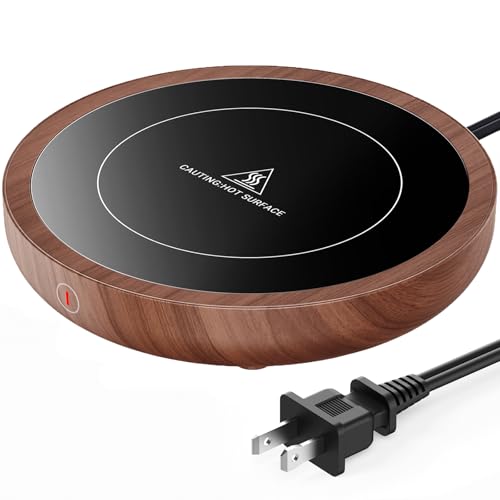
Budget warmers are simple mug plates with one heat level. They suit a single daily drinker who wants a low cost way to keep coffee warm at a desk. Their limits are a smaller plate and fewer controls, so they are less suited to large pots.
Mid Range Options
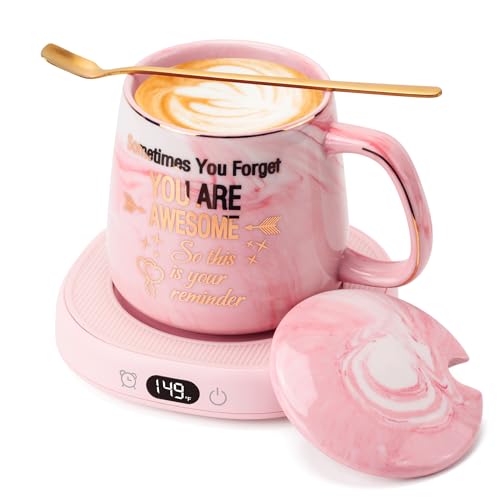
Mid range warmers often add temperature settings and a timer. They suit people who drink several cups a day or who switch between tea and coffee. The extra control helps you avoid overheating a delicate tea while still keeping coffee pleasantly hot.
Compact Options
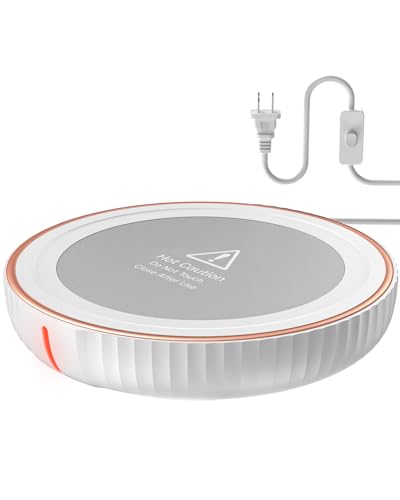
Compact warmers are slim, light, and easy to store. They suit small desks, dorm rooms, and travel bags where space is limited. Check the plate size carefully, since the smallest models may not fit a wide mug base.
Premium Options
Premium warmers offer a larger surface, a sturdier build, or smarter controls. They suit households that warm drinks for guests or that use a carafe every day. The higher price makes sense only if you will use the larger surface or the extra features often.
If you mainly warm a single cup at a desk, our guide to the best coffee mug warmer goes deeper on that style. If you also store cold drinks at home, see our guide to the best beverage refrigerators for a matching cold storage option. For a full drink station, our guide to the best beverage centers explains combined storage and serving choices. A related small warmer, covered in our guide to the best butter warmers, shows how size and heat control differ for a single purpose warmer.
Tips to Get the Most From Your Beverage Warmer
- Read the manual before first use, and note the recommended cup materials and the maximum safe temperature.
- Clean and inspect regularly, wiping spills from the plate and checking the cord for wear.
- Store in a dry place, away from moisture and dust, when the warmer is not in use.
- Register the product for warranty, and keep the receipt in case you need support later.
- Use a mug with a flat base, since a curved base warms unevenly and can rock on the plate.
- Turn the warmer off when you finish your drink, rather than leaving it on between cups.
Frequently Asked Questions
What features matter most when buying beverage warmers?
The most useful features are a plate that fits your mug, a temperature you can control or at least predict, and a shutoff feature for safety. A stable base and an easy to clean surface matter every day, while a long cord helps with placement. Do not pay for extra settings you will not use, since a simple model often serves a single mug drinker just as well.
How much should I spend on a beverage warmer?
Most buyers spend about $15 to $60, depending on size and features. A simple mug warmer at the lower end suits one person at a desk, while a mid range model with settings suits varied drinks. Premium models above $60 make sense mainly for carafe use or daily entertaining. Set your budget after you decide the cup size and the setting, not before.
How do I maintain a beverage warmer?
Unplug the warmer and let it cool fully before cleaning, then wipe the plate with a damp cloth and dry it well. Check the cord and the base for damage each month, and do not soak the unit in water. Store it in a dry place, and avoid wrapping the cord tightly around the base, since that can strain the connection over time.
How long does a beverage warmer last?
A well made warmer often lasts several years with regular use, though the heating element and the cord are the parts most likely to wear first. Daily use, spills, and rough handling shorten its life, while gentle cleaning and proper storage extend it. If the plate heats unevenly or the cord feels loose, stop using the unit and contact the maker for advice.
Are expensive beverage warmers worth it?
An expensive warmer is worth it only when its extra size, control, or build quality matches your routine. For a single mug at a desk, a budget model often does the same job. For a household that warms a carafe daily, a larger and sturdier model can be easier to use and longer lasting. Compare the features, not just the price, before you decide.
Final Thoughts
The best choice comes down to three points: a plate that fits your cup, a temperature that suits your drink, and safety features you can trust. Match those to your space and your budget, and use the product table above to compare the options side by side. With the right fit, best beverage warmers can keep your drink pleasant from the first sip to the last, without adding fuss to your day.