Best Bull Riding Boots for 2026: Heel, Fit, and Build Explained
Disclosure: We may earn a commission when you buy through links on this page, at no extra cost to you. As an Amazon Associate I earn from qualifying purchases. Learn more
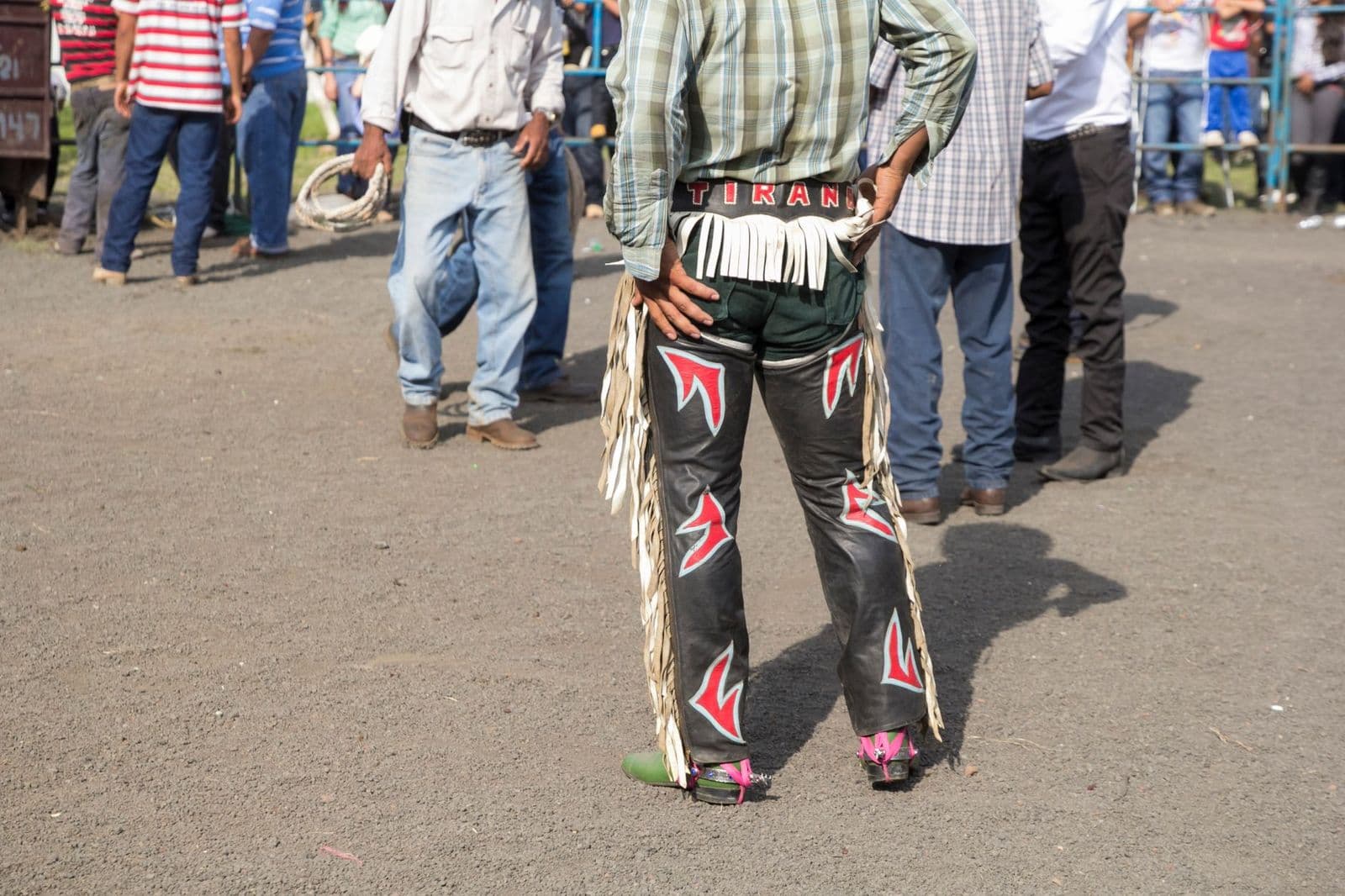
Choose bull riding boots by heel and spur fit, shaft height, leather, and sole construction so you know what to check before you step into the chute.
Bull riding boots differ in far more than looks. Choosing the best bull riding boots starts with the parts that matter in the chute: a riding heel that holds a spur, a shaft that guards your shin, and a fit that stays put when the gate opens.
This guide breaks down what separates a well built pair from a weak one and what upkeep keeps boots safe to ride in.
Who Should Buy Which Bull Riding Boots?
Bull riding boots share their basic shape with classic western boots, so general guides to the best riding boots help with leather and sole basics. The bull riding version adds its own demands: the heel must anchor a spur, the toes need room to flex, and the boot must release cleanly if you hang up.
New Riders Learning the Basics
In your first season at a riding school or practice pen, you need a secure fit without a long and painful break in period. Look for a shaft of about 12 inches, a standard riding heel, and leather that softens within a few sessions. Riders from English disciplines often compare best horse riding boots first, but bull riding boots use a taller heel and a defined spur rest that English boots lack.
Riders Who Compete Most Weekends
Regular competitors put hard miles on a pair across muddy pens, concrete walkways, and long drives between events. You benefit most from boots with stitched construction, where soles can often be replaced rather than thrown away. A snug ankle matters more than fancy tooling, because a shifting boot changes how your spur contacts the bull.
Experienced Riders Who Want One Long Lasting Pair
Seasoned riders know their preferred heel height and toe shape, and they pay for full grain leather that molds to the leg. Heavier full grain pairs reward that patience with a precise fit after break in and construction a cobbler can repair for years. Comfort still comes first though, since no label fixes a boot that pinches your toes.
How Construction Quality Shows Up in the Boot
The best bull riding boots differ from a weaker pair mainly in how they are built, not in their basic shape. Learning to read construction lets you judge any pair in your hands, whatever the label says.
Leather Grade and Thickness
Full grain leather keeps the natural surface of the hide and holds its shape under hard use. Corrected or coated leather looks even at first but cracks sooner where the boot flexes at the ankle. Press the shaft with your thumb: good leather feels dense and springs back, while thin leather folds easily and stays creased. Thicker leather takes longer to break in, but it also protects the shin better and keeps the ankle steady.
How the Sole Is Attached
A stitched or welted sole can be removed and replaced by a cobbler, which can double the working life of the boot. A glued sole is lighter and often fine for learning, but once it wears or separates, the boot usually has to be retired. Turn the boot over and look for a visible line of stitching around the sole edge.
Lining, Insole, and Inner Finish
Run your hand inside the boot. Smooth leather lining wicks sweat and resists rubbing, while rough seams, glue marks, or a thin insole point to blisters later. A removable or replaceable insole is a plus, since a riding boot takes a pounding on every landing.
Matching Construction to How Often You Ride
A rider at a few practice sessions can do well with a simpler pair, as long as the heel, spur rest, and ankle fit are right. A weekly competitor needs stitched soles and sturdy leather that survive wet pens and long drives. A rider who wants one pair for many seasons should look for thick full grain leather and construction a cobbler will happily repair. Whatever the level, never trade fit or heel shape for decoration, since tooling, inlays, and exotic skins add nothing in the chute.
Key Features to Compare
Heel Shape and the Spur Rest
A bull riding heel stands about 1.5 to 2 inches tall with an angled back, and that shape keeps your foot positioned while giving the spur a stable base. The spur rest is the small ledge above the heel where the spur band sits, and it should be pronounced enough to stop the spur riding up your leg. Skip fashion heels that are tall but straight, since they lack the angle the sport needs.
Shaft Height and Leg Protection
Most shafts rise about 12 to 14 inches, covering the shin and calf where contact with the chute and the bull is most likely. A taller shaft also keeps the boot from slipping down when your leg works during a ride. Keep in mind that no boot can guarantee protection from a bulls weight or a hard landing, so treat the shaft as padding and positioning help, never as armor.
Fit, Sizing, and Toe Box
Measure your feet late in the day, when they are at their largest, and try boots with the socks you ride in. The ankle and instep should feel snug from day one, while the toe box needs room to wiggle your toes without the foot sliding forward. If you have persistent foot or ankle pain, numbness, or swelling that does not settle, see a doctor rather than trying to fix it with a different boot.
Leather, Stitching, and Sole Build
Full grain leather molds to your leg and resists scuffs from chute rails better than corrected or synthetic uppers. A stitched sole outlasts a glued one because it can be replaced, and stitching should be even with no loose threads. Leather soles slide more easily when you need a quick release, while rubber soles grip better on wet concrete, a trade off also weighed in guides to best motorcycle riding boots for pavement use.
Break In Period and Comfort Out of the Box
Quality leather boots usually need about one to two weeks of short wears before the shaft stops rubbing and the footbed settles. Wear them around the house first, and save a long event day until the leather flexes at the ankle. Hot spots that turn into blisters signal a fit problem, not a stage every rider must endure, so exchange sizes early while returns are still easy.
Water Resistance and Breathability
Most bull riding boots are not waterproof, and heavy rain protection matters less here than in ranch work because rides happen in short bursts. Treated leather sheds pen splashes and light rain, and it breathes far better than a membrane lined boot on a hot day. Spend on leather quality first and treat water resistance as a minor bonus rather than a headline feature.
Common Mistakes to Avoid
- Buying by looks alone, so the heel shape and spur rest never get checked before the first ride.
- Choosing a loose ankle for comfort, which lets the boot shift or come off during a ride.
- Wearing brand new boots at a full event, so stiff leather causes blisters and sore shins.
- Ignoring your usual sock thickness when sizing, which changes the fit more than most riders expect.
- Choosing decorative tooling over construction, so the sole is glued and cannot be resoled.
- Assuming a stiffer or taller boot guarantees protection, when no boot can promise that.
Care, Resoling, and Upkeep
A good pair keeps working only with some regular care. Wipe off dirt and pen mud after each ride, let wet boots dry at room temperature away from heaters, and condition the leather every month or two so it does not dry out and crack. Replacement insoles refresh the footbed when it packs down, and a cobbler can resole a stitched pair when the tread wears thin.
Spurs, straps, and boot pulls are separate gear if you do not already own them. Women comparing fit across brands may also find the sizing notes in guides to the best riding boots for women useful, since calf fit varies a lot between makers. A resoleable pair kept in good shape serves longer than boots that are replaced each time the sole fails.
Frequently Asked Questions
Are premium bull riding boots worth choosing?
They are worth it mainly when you ride often enough to use the longer service life. Thick leather and stitched soles can last several seasons and accept repairs. A new rider at a handful of events does fine with a simpler pair that fits well. Put your attention on properly fitted spurs and straps instead, because those affect your ride more than exotic leather does.
Can bull riding boots be worn all day away from the arena?
Yes, many riders wear them as everyday western boots once they are broken in. The angled riding heel is less ideal for long walks on pavement than a low roper heel, so your feet may tire faster on hard ground. Rubber soled versions handle concrete and wet floors better for daily wear. If your feet ache after full days, rotate with a walking shoe rather than forcing one pair to do everything.
How long does the break in period for bull riding boots take?
Most leather pairs settle within about one to two weeks of regular short wears. The shaft softens first, then the footbed compresses to the shape of your foot. Wearing them a few hours daily speeds the process more than one long punishing day. Boots that still pinch after two weeks are usually the wrong size or width, and exchanging them beats hoping they stretch further.
How often should bull riding boots be replaced?
Replace them when the heel is worn unevenly, the shaft leather cracks through, or the ankle no longer holds its snug shape. Frequent riders may wear out a glued sole pair in about one to two seasons, while a resoled stitched pair can go much longer. A loose, sloppy fit is a safety issue in this sport, not just a comfort one. Retire boots that let your heel lift freely, even if the leather still looks fine.
How should bull riding boots fit when they are new?
New boots should grip the instep and ankle firmly, with your heel lifting only slightly as you walk. Your toes should not press the end, and the widest part of your foot should sit at the widest part of the boot. Leather stretches across the width with wear but barely lengthens, so never buy short and hope. Too much extra length is also a problem, because sliding feet blister and blunt your spur control.
Final Thoughts
Start with the fit at the ankle, then check the heel shape and spur rest, and only then compare leather and construction. Working through those basics in order keeps the choice clear. Chosen well, the best bull riding boots feel secure in the chute, release when they must, and hold up season after season with basic care.