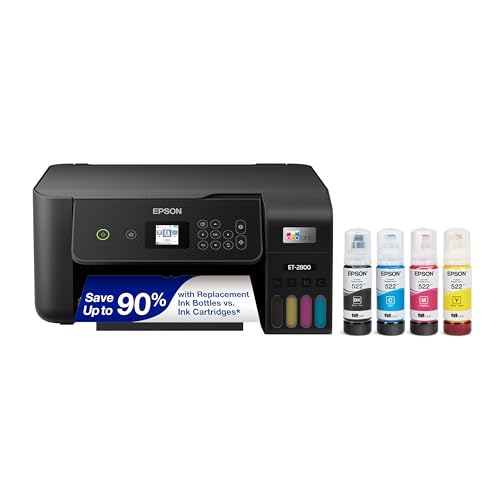
Best Business Card Printers: Desktop or Print Shop in 2026
Disclosure: We may earn a commission when you buy through links on this page, at no extra cost to you. As an Amazon Associate I earn from qualifying purchases. Learn more
Compare the best business card printers, from desktop models to print shops, by quality, stock and cost per card.
A business card still matters at meetings, markets and studios, because a well printed card is easy to keep and hard to ignore. best business card printers include desktop card printers and print shop services, and the choice depends on volume, card stock, print quality and cost per card. This guide compares those options in practical terms, so you choose a route that fits your business rather than buying a machine you rarely use.
Desktop printers suit frequent small runs and quick changes, while print shops suit larger runs and special finishes at lower cost per card. Card stock thickness, finish and colour accuracy shape how professional a card feels, and a thin flimsy card can undo good design. Think about how often you change details, how many cards you use each month, and whether you need special finishes such as foil or rounded corners.
The sections that follow compare the main types side by side.
Who Should Buy
Business card printers suit freelancers, small businesses, designers, real estate agents and market sellers who hand out cards often. They suit studios that update details frequently. They are less suited to people who need only a handful of cards a year, where a print shop or online order is cheaper, or to businesses that need complex foil and embossing that desktop machines cannot do well.
Types Compared
Each type below suits a different routine, so read the trade offs rather than looking for a single winner for everyone.
Desktop inkjet card printers
Desktop inkjet printers suit small runs and home offices with flexible design changes. They handle many card stocks, though ink costs and drying time matter for larger runs.
Desktop laser card printers
Desktop laser printers suit crisp text and faster small runs with lower smudging. They suit offices that already use laser printing, though thick stocks need checking for compatibility.
Dedicated card printers
Dedicated card printers print edge to edge cards with consistent colour and cutting. They suit frequent card printing, though they cost more and serve only card work.
Online and local print shops
Print shops suit larger runs, special finishes and professional cutting at lower cost per card. They suit stable designs, though turnaround time and minimum orders matter.
Key Features to Compare
Use these features as a checklist when you compare options, and note which ones matter most for your daily use.
Print quality
Check resolution, colour accuracy and text sharpness on your actual card stock. A printer that looks good on plain paper may struggle with thick textured stock.
Card stock handling
Check maximum stock thickness, tray capacity and duplex ability. Thick cards can jam in printers not made for them, and manual feeding slows larger runs.
Cost per card
Compare ink or toner, stock and cutting costs per card at your usual volume. A desktop printer can cost more per card than a print shop for larger runs.
Design and software
Check template software, bleed handling and file formats. Good software saves time on alignment, cutting and colour matching across reprints.
Speed and turnaround
Desktop printing suits urgent small runs, while print shops need days for production and delivery. Match turnaround to how often you run out of cards.
How to Choose
Estimate monthly card use first, then compare desktop cost per card with print shop quotes for the same stock and finish. Compare the types above, and run a small trial batch on your chosen stock before a large run, since colour and cutting errors are cheaper to fix early. Keep design files backed up, and store printed cards flat and dry to avoid curling.
Readers also compare this guide with best online printers for business cards, best business card printers nyc, best business printers, best card printers and best business card printers for graphic designers.
Common Mistakes to Avoid
Printing on incompatible stock
Thick or textured stock can jam or print unevenly in an unsuitable printer. Check stock thickness limits and try a few sheets before a full run.
Ignoring bleed and margins
Designs that run to the edge need bleed, or white edges will appear after cutting. Use templates with bleed and safe margins, and proof cards before printing many.
Ordering too few or too many
Too few cards run out at events, while too many waste money when details change. Order for a realistic period, and keep digital files ready for reprints.
Planning for Everyday Use
Store card stock flat in a dry place, keep printer drivers updated, and clean rollers and trays as maker guidance suggests. Proof each new design on a single card, check text, colour and cutting, and only then print a full batch. A small proofing habit saves reprints and keeps cards looking professional at every meeting.
A Final Check Before You Buy
Compare at least two different approaches before deciding, even if you already favour one, because a second option often reveals a cost or benefit you had missed. A card printer of a different size or type can change daily use more than a brand name, and a short side by side trial at home or in a shop is worth more than hours of reading specifications. Pay attention to weight, noise, size and ease of cleaning during that test, since those factors shape daily satisfaction more than headline numbers. Note also how the item feels after ten minutes of use, not only in the first minute, because comfort and control problems appear with time.
Before ordering, check that you have room to store the item, a safe place to use it, and time to learn its basic care. A purchase that needs a new shelf, a special cleaner or a long setup routine may still be worth it, but only if you plan for those needs in advance. Read warranty terms, delivery terms and return terms carefully, and keep all paperwork together until you are sure the item suits your routine. A careful final check saves the cost and hassle of a return, and it turns a hopeful purchase into a confident one.
Getting the Most From Your Choice
Design proofing saves more money than any printer feature, because a single proof card reveals alignment, colour and cutting errors before they multiply across a full batch. Print one card on your chosen stock, check it in normal light, read every line aloud, and ask another person to check spelling and contact details, since fresh eyes catch errors the designer misses. Check also how the card feels in a pocket and a wallet, since a card that curls, smudges or feels flimsy undermines the impression it is meant to create.
Stock storage matters too, because damp or bent card stock jams printers and prints unevenly, wasting both stock and ink. Store stock flat in a dry place, keep it in its packaging until use, and fan sheets gently before loading so they feed one at a time. Keep design files backed up in two places, with fonts and images included, so a reprint does not depend on a single computer or a lost file. These quiet habits keep card printing reliable, and they mean a new batch is a short task rather than a fresh design project each time.
Frequently Asked Questions
Should I print cards myself or use a print shop?
Desktop printing suits frequent small runs and quick design changes, while print shops suit larger runs and special finishes at lower cost per card. Compare total cost and turnaround for your usual volume.
What card stock should I choose?
Thicker stock feels more professional and survives pockets and bags better, though it needs a printer that handles its thickness. Matte stock suits easy writing, while glossy stock suits photos and bold colour.
How do I avoid blurry text on cards?
Use high resolution design files, check printer settings for card stock, and proof a single card before a large run. Small text needs crisp printing, so avoid very small fonts on textured stock.
Can a home printer print edge to edge cards?
Some printers support borderless or near borderless printing, while others leave a margin. Check your printer specifications and use templates that account for margins and bleed.
How many cards should I order?
Order enough for a realistic period, such as a few months, rather than years, since job titles and contact details change. Keep design files ready, so reprints are quick when you run low.
Final Thoughts
Match printing route to volume, stock and turnaround, and proof every new design before a large run. Compare desktop and shop costs honestly, and keep files ready for reprints. best business card printers should help you hand out cards you are proud of, without wasting money on machines or batches you do not need.